
Heilige Sebaldus — History & Facts
What if beauty was never meant to be finished? In the heart of Heilige Sebaldus, a figure stands poised, suspended between the realms of the earthly and the divine, suggesting an insatiable longing for completion. Look to the left, where the intricate details of the saint’s robes catch the eye, embroidered with threads of gold and deep cerulean blues. Notice how Dürer meticulously renders the textures, inviting your touch while simultaneously setting a barrier of reverence. The light bathes the figure, highlighting the delicate features of Sebaldus, whose gaze reflects both benevolence and melancholy, subtly drawing the viewer into his world. Delve deeper into the painting, where the balance of shadow and light reveals a tension inherent in the saint’s pose.
His gesture, one of blessing yet with a hint of restraint, encapsulates a profound desire for connection that seems just out of reach. The backdrop, a fractured landscape, echoes this sentiment; it is both beautiful and forbidding, suggesting that the quest for spiritual fulfillment is fraught with complexities. In 1518, Dürer was immersed in a world of artistic renaissance, living in Nuremberg amidst the echoes of the Reformation. As he created this work, he faced both personal and artistic challenges, reflecting a desire for innovation while respecting the traditions of his predecessors.
This painting is not just a representation; it embodies the artist's own journey of exploring deeper truths through the lens of faith and beauty.
More Artworks by Albrecht Dürer
Browse all →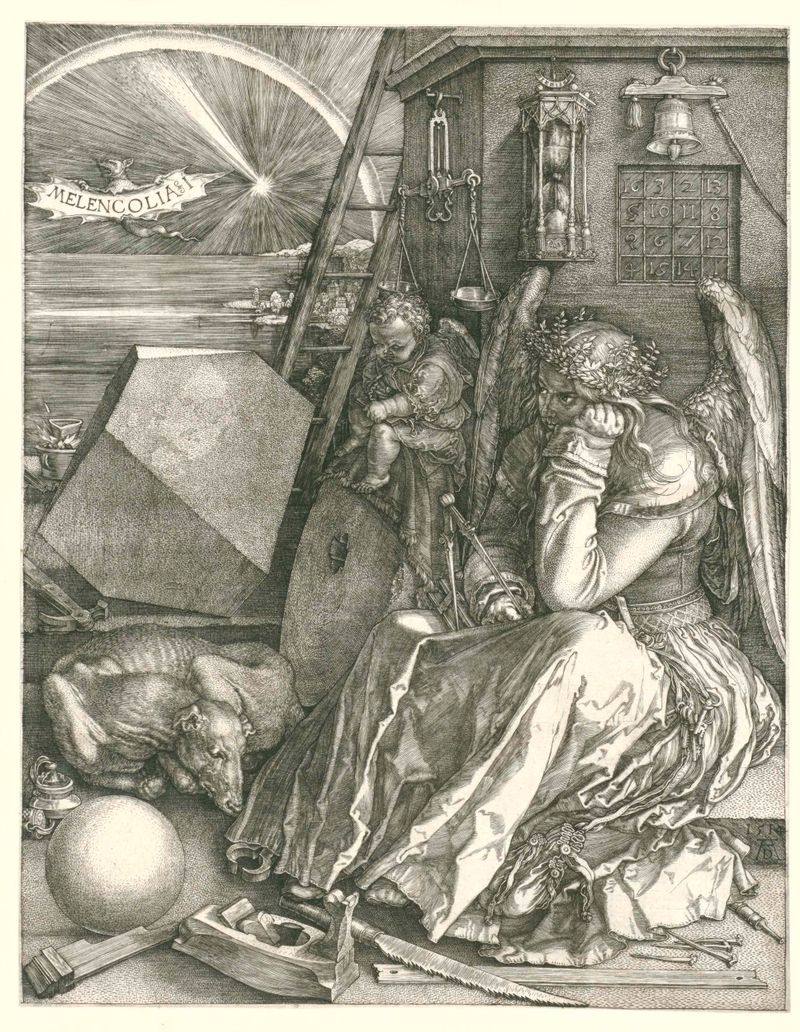
Melancholia
Albrecht Dürer
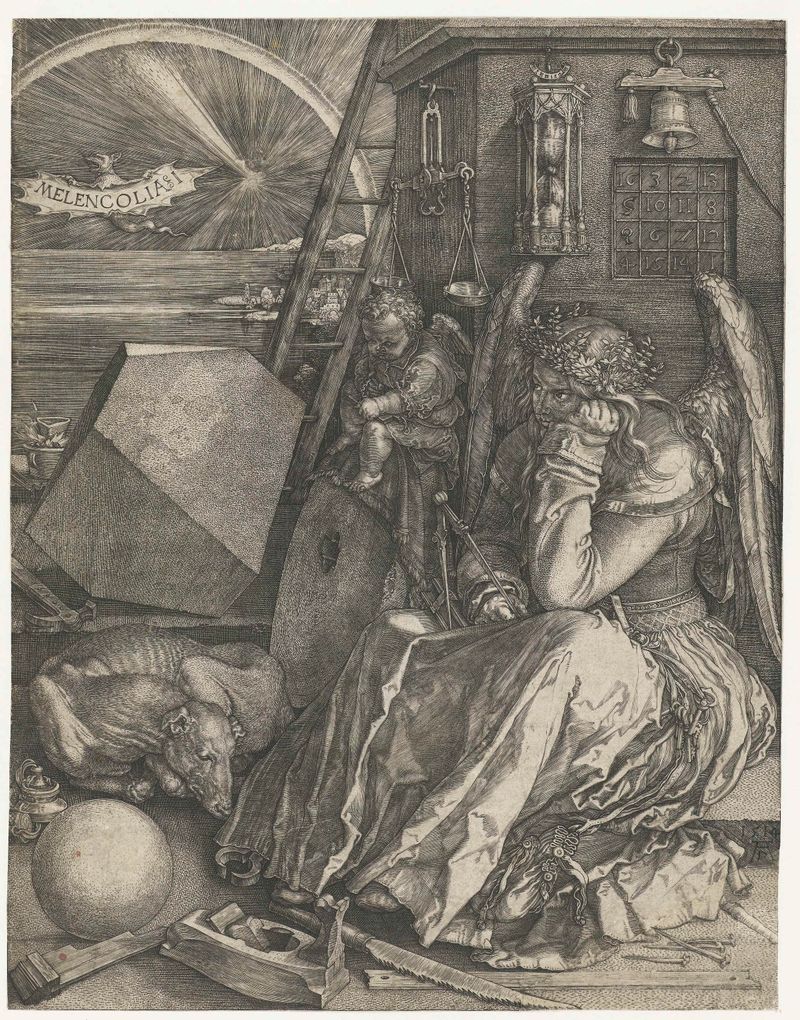
Melancholie
Albrecht Dürer

Neushoorn
Albrecht Dürer
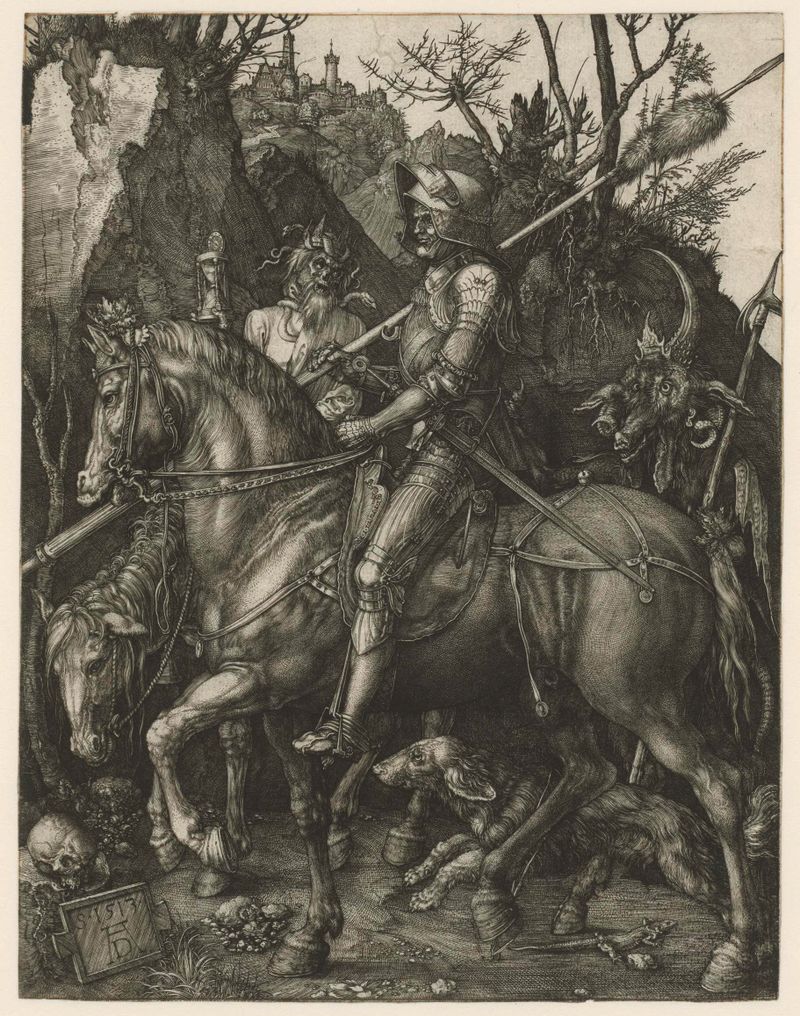
Knight, Death, and the Devil
Albrecht Dürer

De vier ruiters van de apocalyps
Albrecht Dürer

De vier ruiters van de apocalyps
Albrecht Dürer
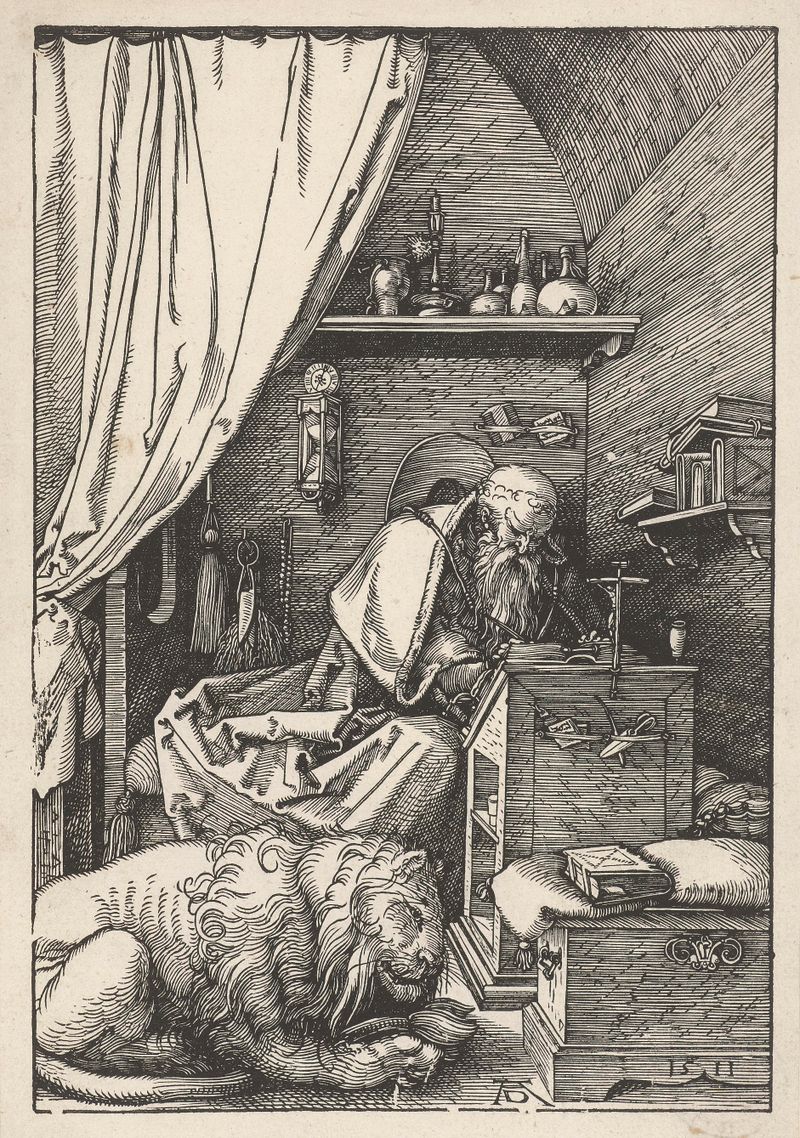
De Heilige Hiëronymus in zijn studeervertrek
Albrecht Dürer
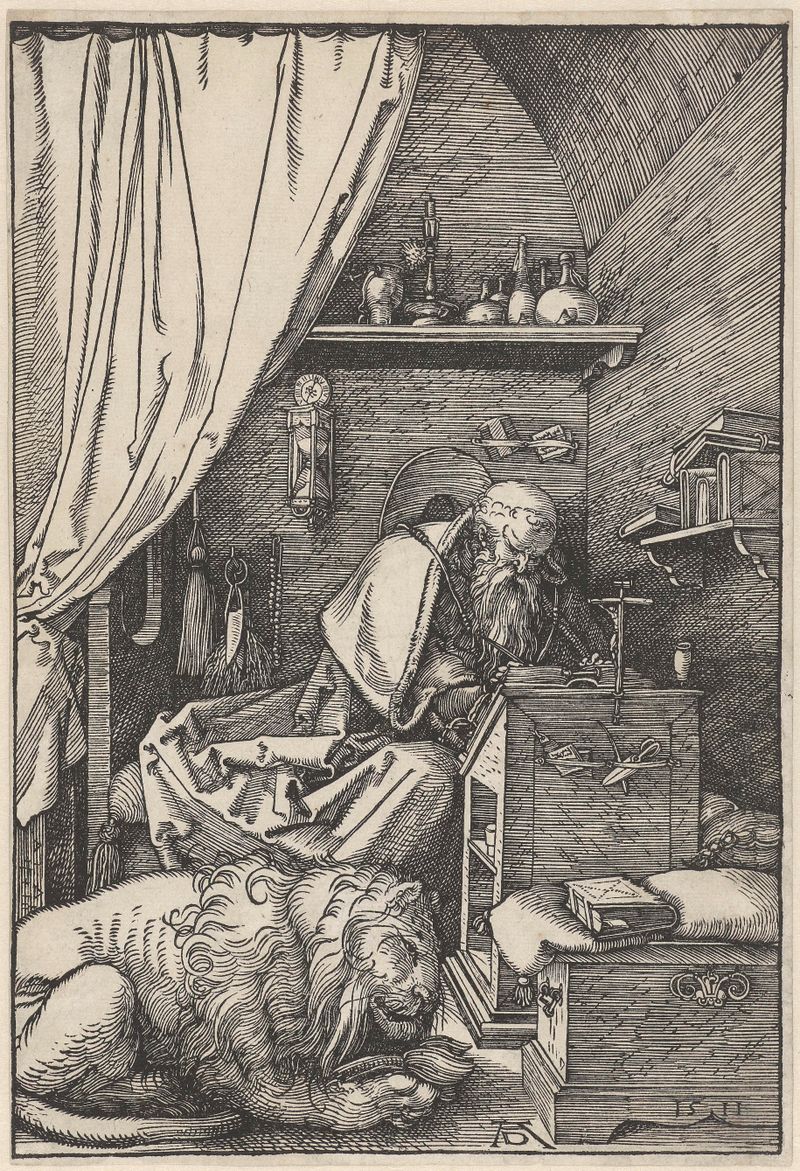
De Heilige Hiëronymus in zijn studeervertrek
Albrecht Dürer
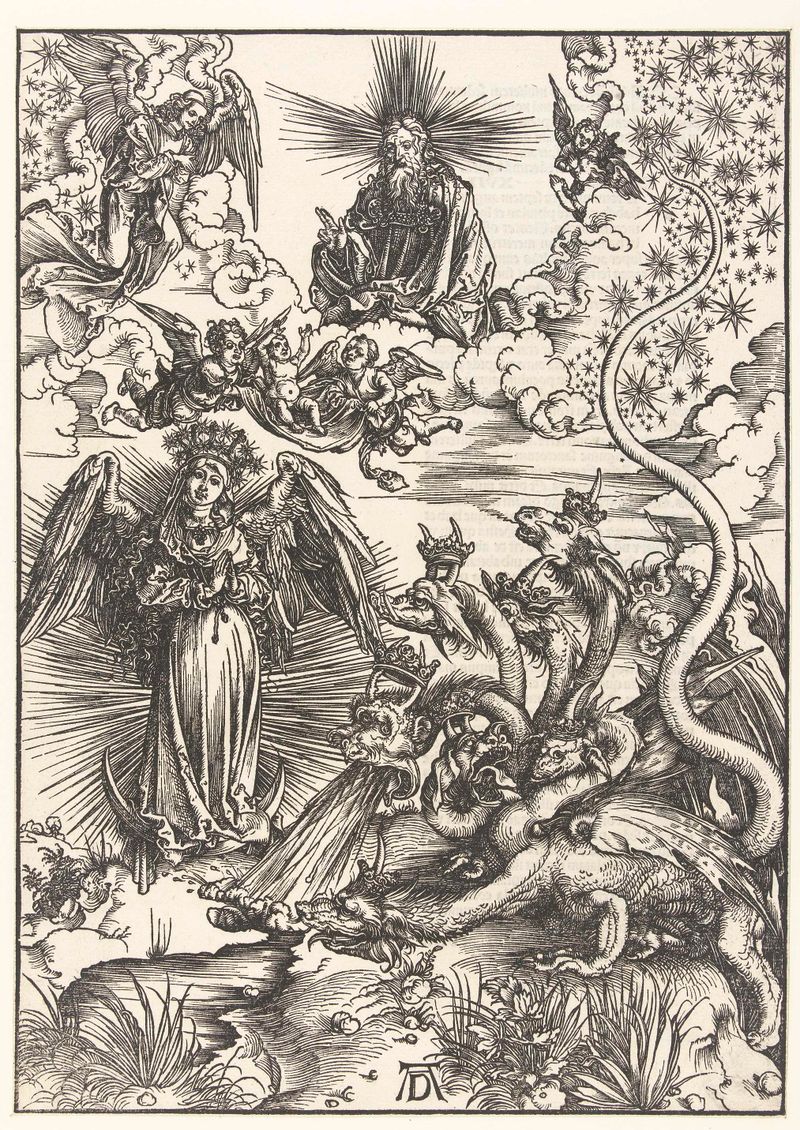
De apocalyptische vrouw en de zevenkoppige draak
Albrecht Dürer
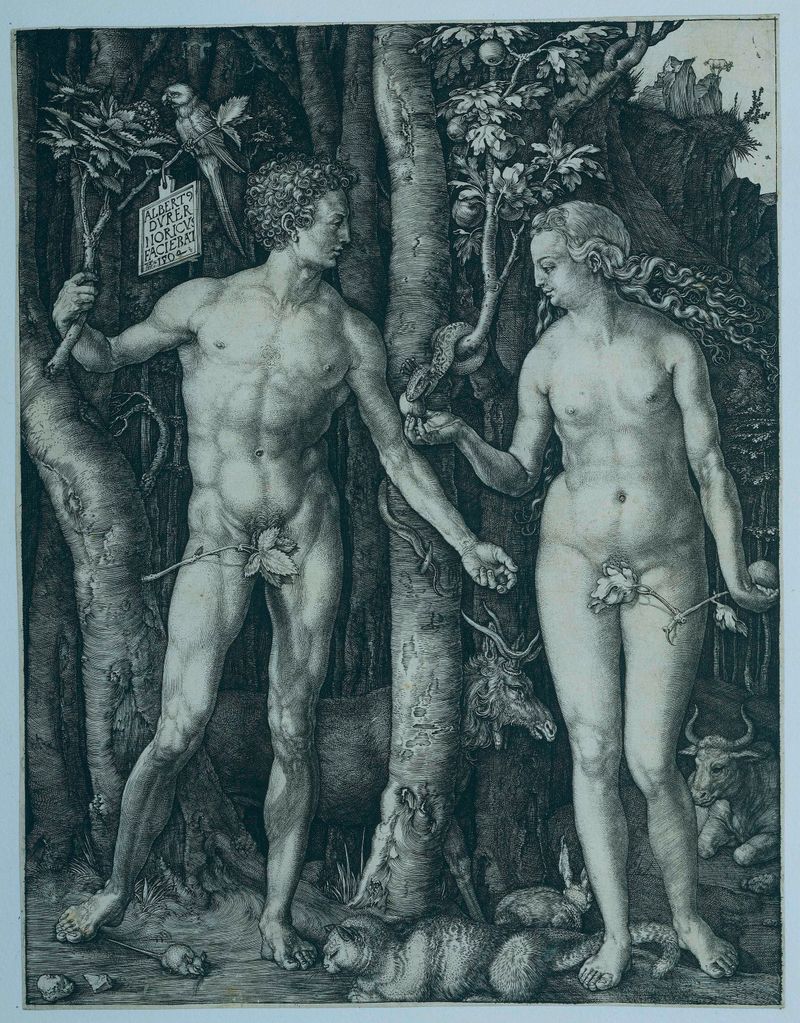
Adam en Eva
Albrecht Dürer
More Religious Art
Browse all →
The Return of the Prodigal Son
Rembrandt van Rijn

The Garden of Earthly Delights
El Bosco

Count Orgaz’ funeral
El Greco

The Hundred Guilder Print: the central piece with Christ preaching, the plate arched
Rembrandt van Rijn

The Descent from the Cross
Rogier van der Weyden

The return of the prodigal son
Rembrandt van Rijn