
Heilige Sebastiaan — History & Facts
Did the painter know this moment would outlive them? In Heilige Sebastiaan, Albrecht Dürer captures the tension between life and mortality, presenting a striking illusion that resonates through the centuries. Look to the center where the figure of Saint Sebastian stands resolute, his body taut with the agony of arrows piercing his flesh. Notice how the interplay of light and shadow accentuates the contours of his muscular form, creating a dramatic three-dimensionality that draws the eye. The rich, earthy tones of his skin contrast sharply with the cold, metallic sheen of the arrows, heightening the sense of conflict.
Surrounding him, a delicate halo of ethereal light suggests divinity, while the detailed textures of the drapery evoke a sense of realism that Dürer masterfully instills. Delve deeper into the painting, and you’ll perceive a layered narrative of suffering and transcendence. The arrows piercing Sebastian not only signify pain but also symbolically represent his steadfast faith amidst adversity. The positioning of his gaze, upward and serene, invites contemplation of spiritual resilience.
This juxtaposition of mortality and divine grace challenges viewers to reflect on their own struggles and the illusions we create around suffering and sanctity. Dürer created this remarkable work between 1497 and 1501 in Nuremberg, a time when he was emerging as one of the most significant figures in Northern Renaissance art. Amidst a flourishing of humanist thought and artistic experimentation, he sought to blend the meticulous detail of his native tradition with the classical ideals of the Italian Renaissance. This period of personal and artistic growth laid the foundation for his legacy, ensuring that Heilige Sebastiaan would endure long after his time.
More Artworks by Albrecht Dürer
Browse all →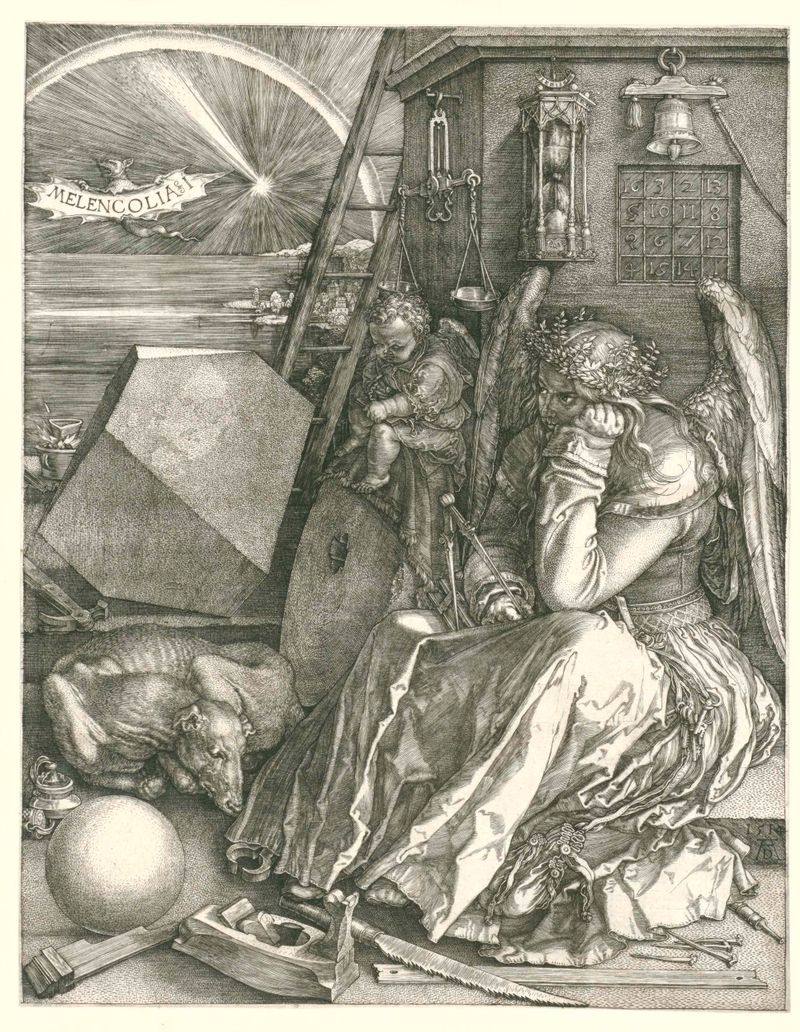
Melancholia
Albrecht Dürer
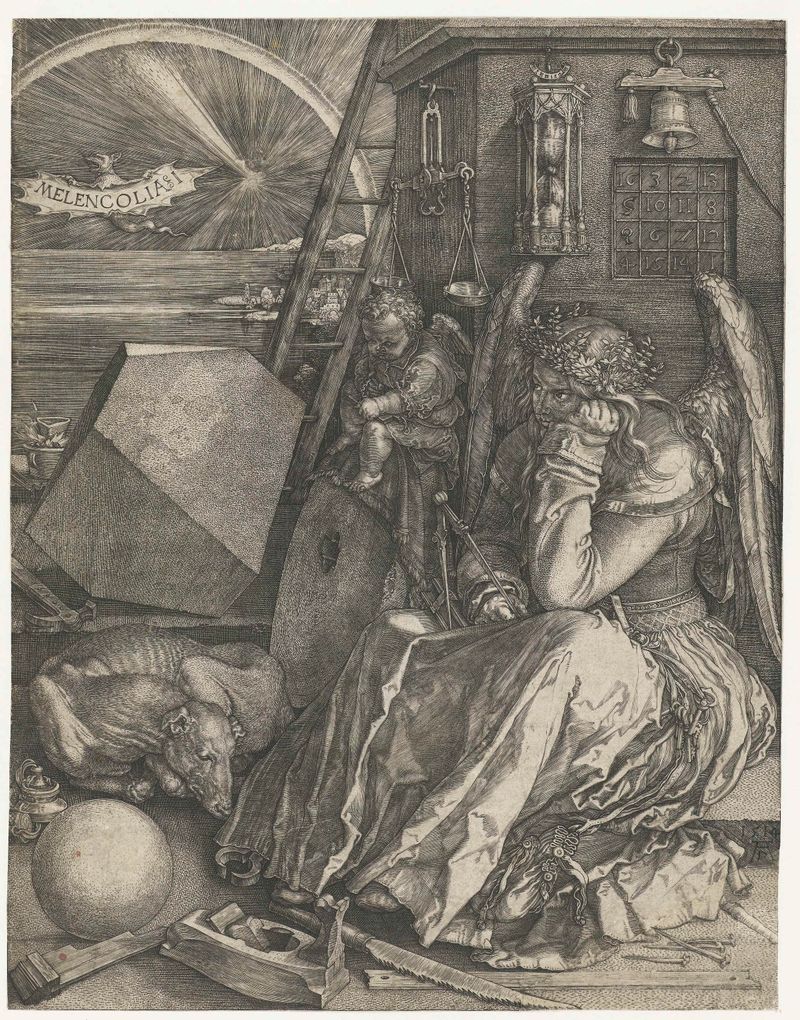
Melancholie
Albrecht Dürer
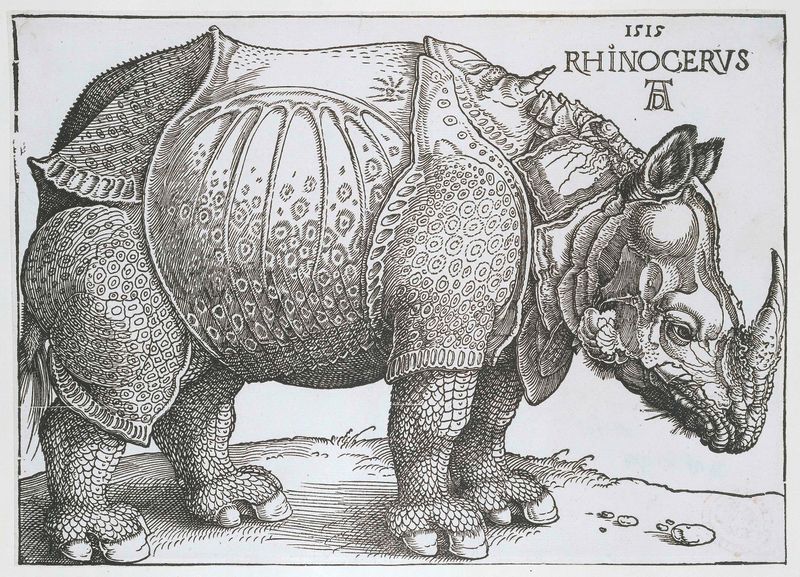
Neushoorn
Albrecht Dürer
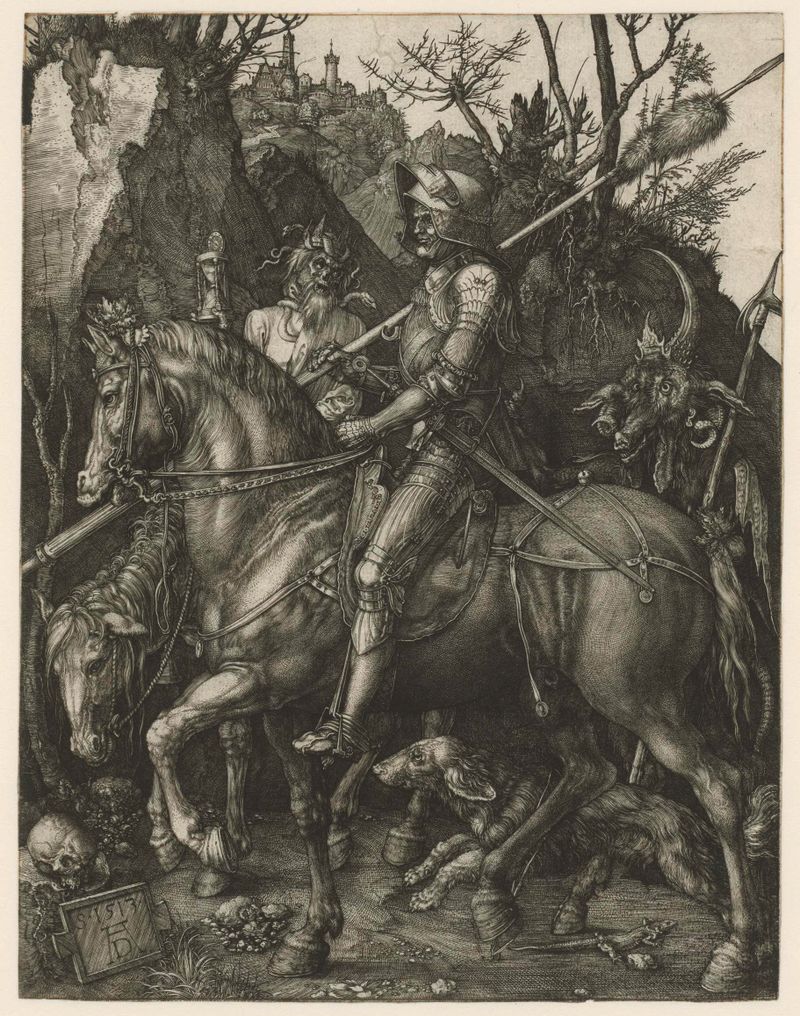
Knight, Death, and the Devil
Albrecht Dürer

De vier ruiters van de apocalyps
Albrecht Dürer

De vier ruiters van de apocalyps
Albrecht Dürer
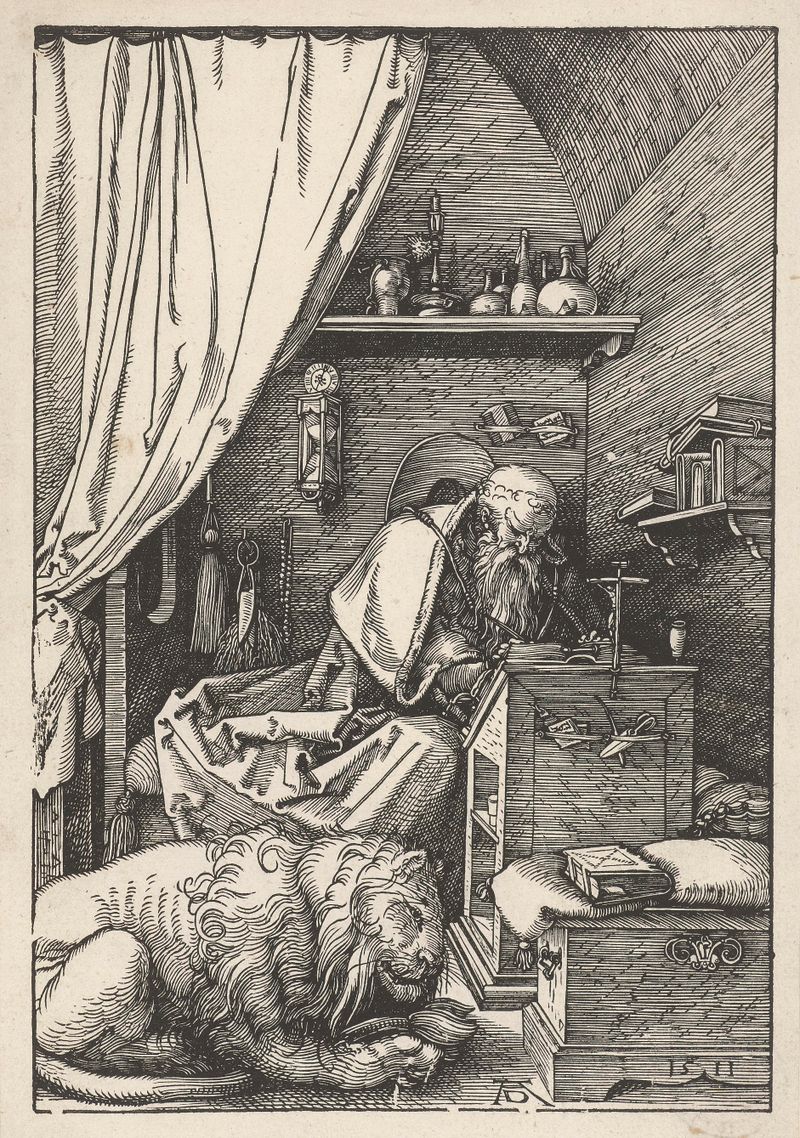
De Heilige Hiëronymus in zijn studeervertrek
Albrecht Dürer
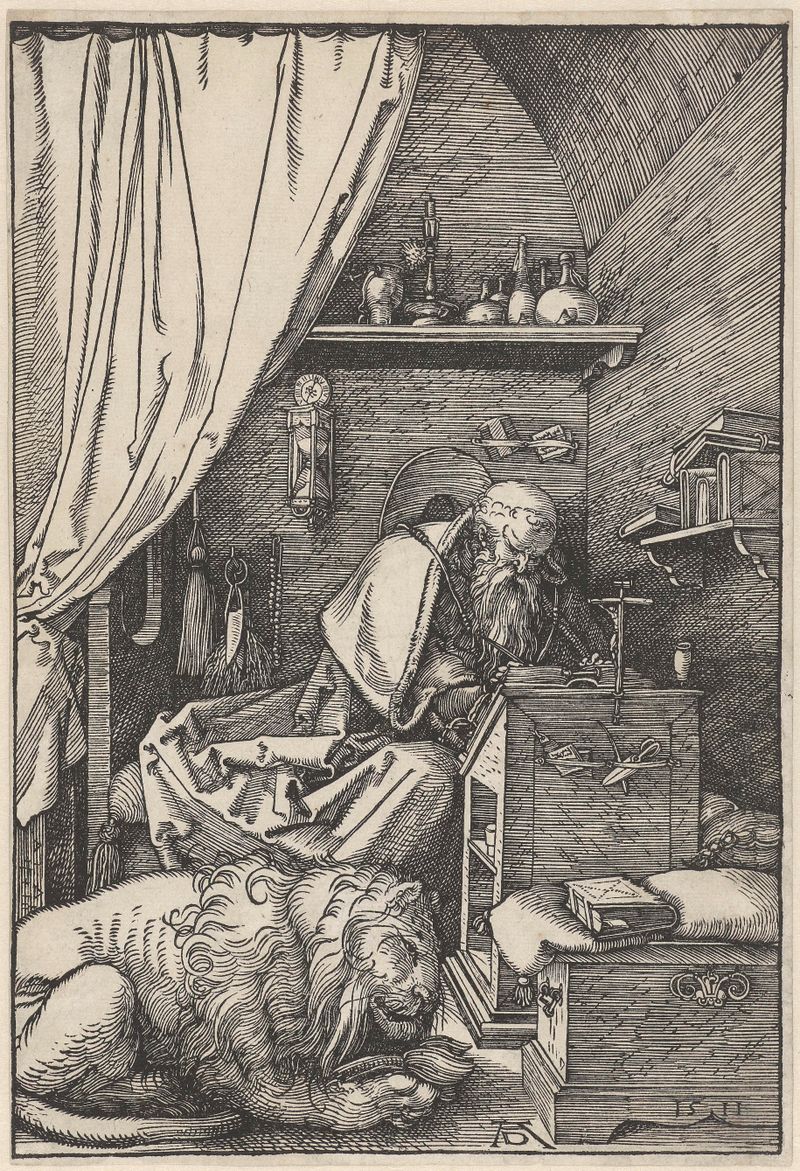
De Heilige Hiëronymus in zijn studeervertrek
Albrecht Dürer
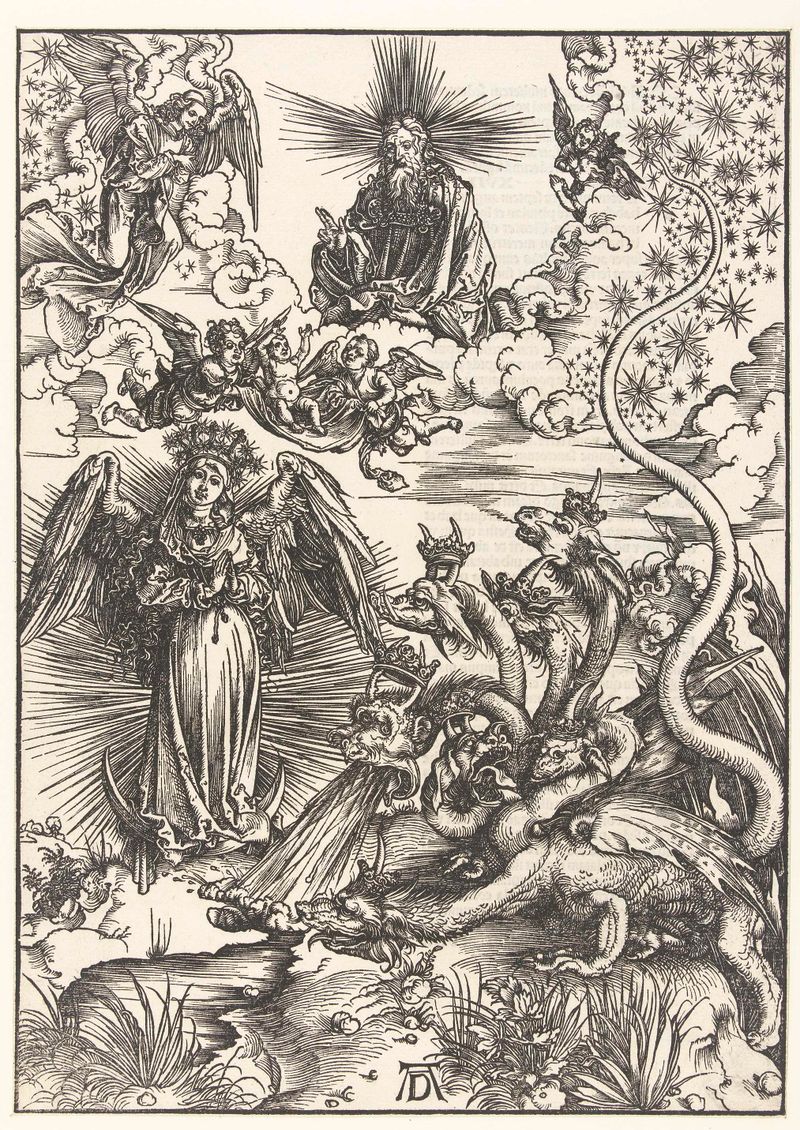
De apocalyptische vrouw en de zevenkoppige draak
Albrecht Dürer
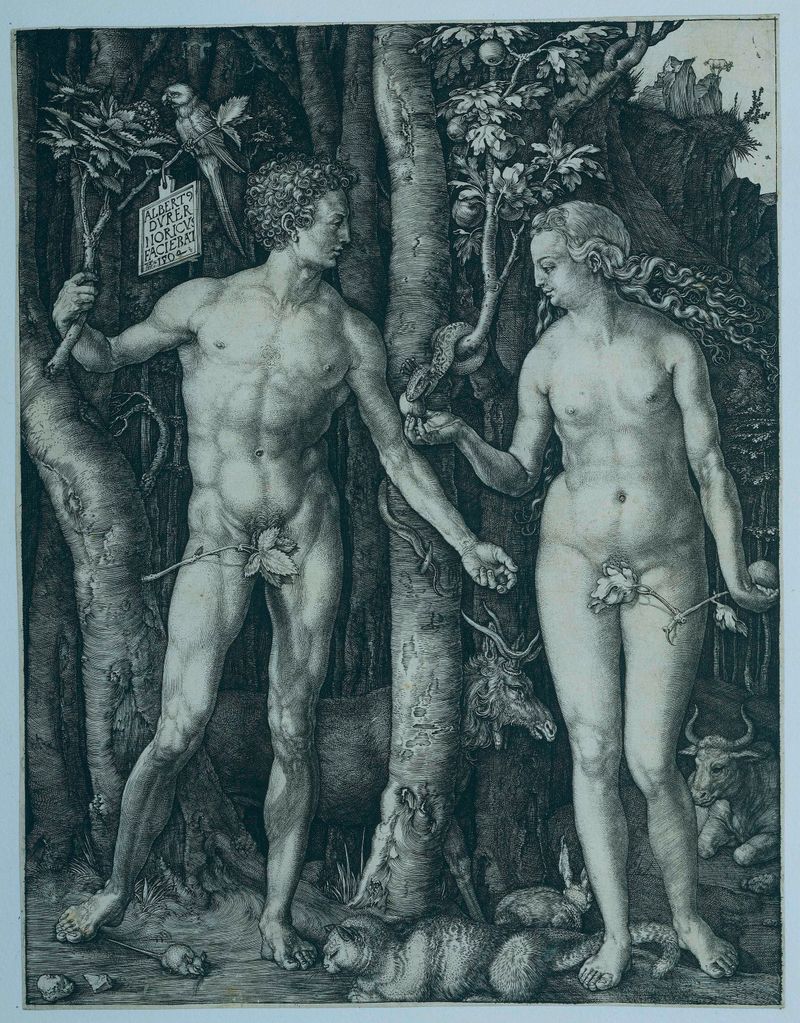
Adam en Eva
Albrecht Dürer
More Religious Art
Browse all →
The Return of the Prodigal Son
Rembrandt van Rijn

The Garden of Earthly Delights
El Bosco

Count Orgaz’ funeral
El Greco

The Hundred Guilder Print: the central piece with Christ preaching, the plate arched
Rembrandt van Rijn

The Descent from the Cross
Rogier van der Weyden

The return of the prodigal son
Rembrandt van Rijn