
Heilige Sebastiaan — History & Facts
In the delicate intricacies of human expression, we find not only the fragility of life but also the profound power of awakening. Focus first on the central figure, the martyr, poised in a stance that exudes both strength and vulnerability. His body, bound but unyielding, presents a striking contrast against a background of muted tones. Notice how Dürer's meticulous attention to detail captures every sinew and contour of Sebastiaan’s form, creating a vivid interplay between light and shadow.
The soft light caresses his skin, illuminating the tension of his muscles while casting deeper shadows in the crevices to heighten the drama of the scene. Beneath the surface lies a rich tapestry of meanings; the subject’s unflinching gaze invites us to explore themes of suffering and resilience. The arrows, embedded yet seemingly powerless against his unwavering spirit, serve as a poignant metaphor for the trials one faces in the pursuit of truth and faith. The juxtaposition of the serene expression against the harrowing context evokes a deep emotional resonance, prompting a reflection on the nature of sacrifice and redemption. In 1503, while in Nuremberg, Albrecht Dürer was at the height of his artistic prowess, influencing the trajectory of Northern Renaissance art.
The period was marked by a growing interest in humanism and an exploration of religious themes through a personal lens. This painting emerged amidst a backdrop of societal change, as Dürer sought to blend technical mastery with profound emotional depth, establishing a connection between the viewer and the divine.
More Artworks by Albrecht Dürer
Browse all →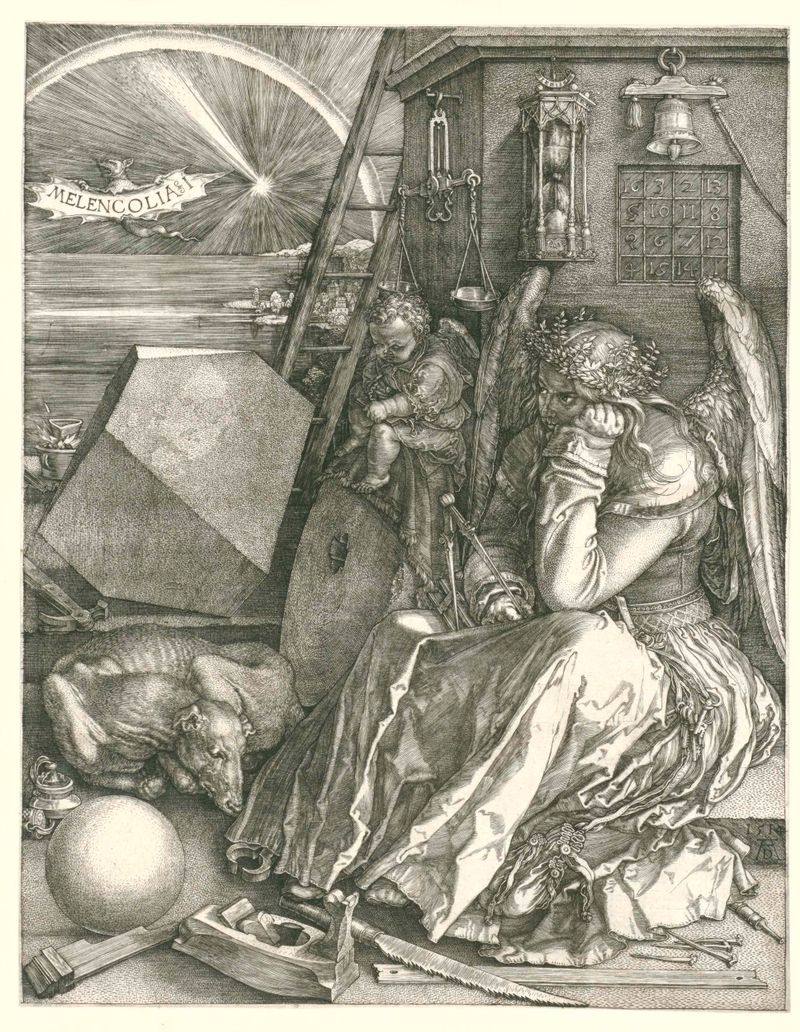
Melancholia
Albrecht Dürer
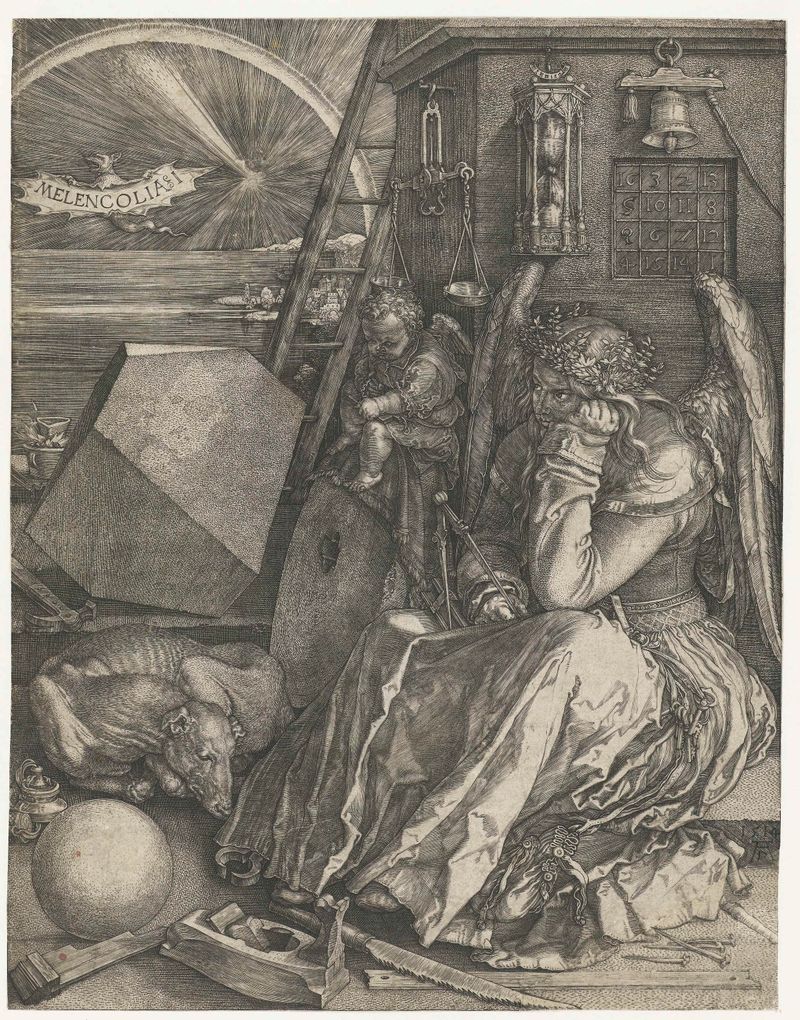
Melancholie
Albrecht Dürer
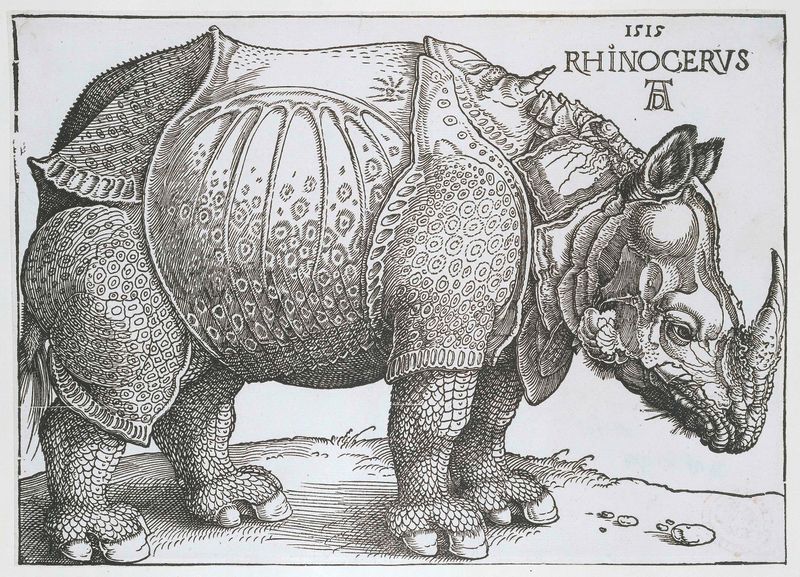
Neushoorn
Albrecht Dürer
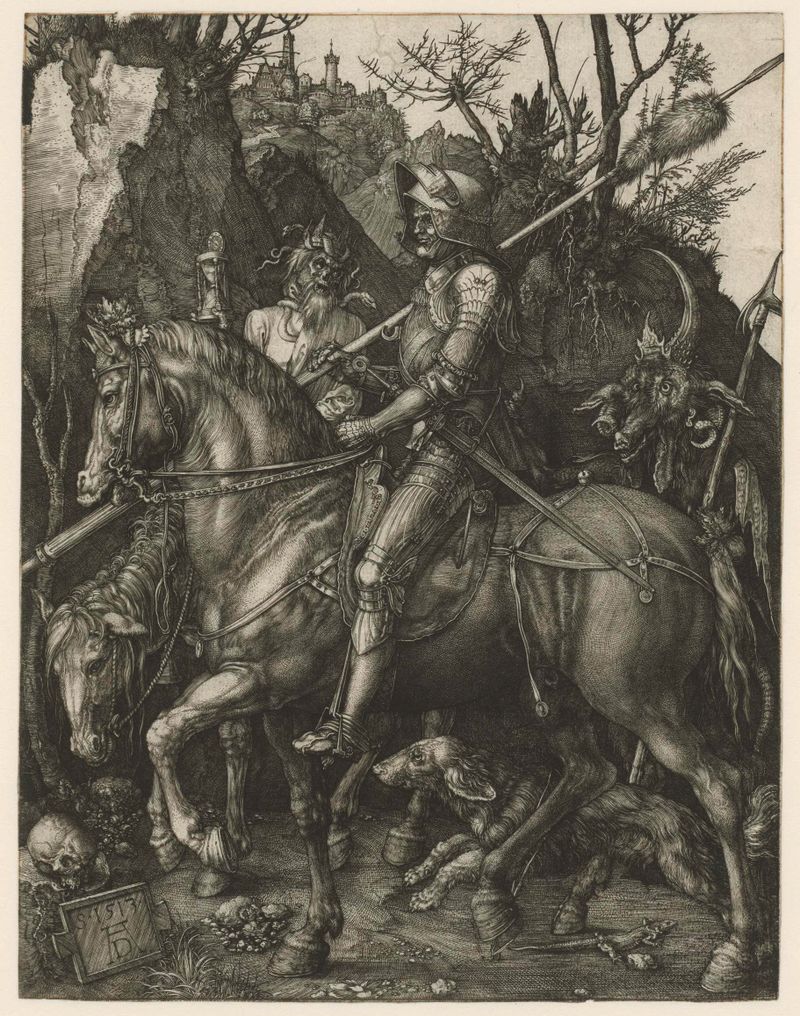
Knight, Death, and the Devil
Albrecht Dürer

De vier ruiters van de apocalyps
Albrecht Dürer

De vier ruiters van de apocalyps
Albrecht Dürer
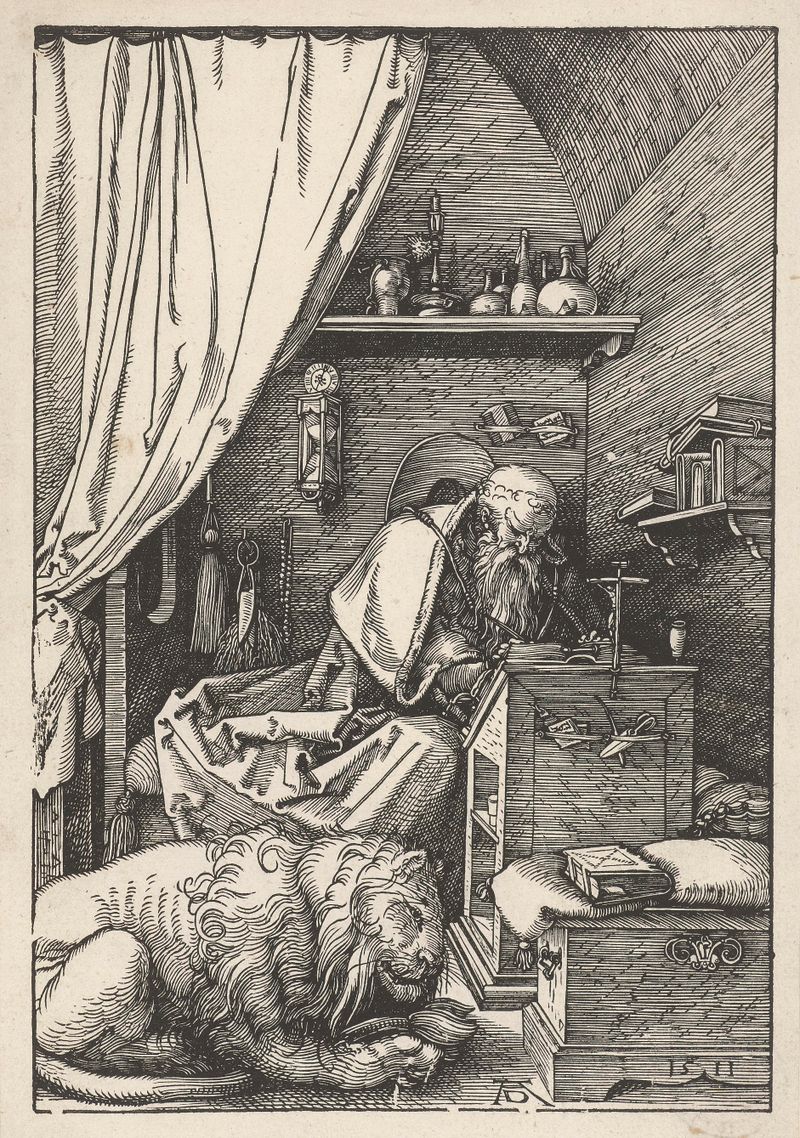
De Heilige Hiëronymus in zijn studeervertrek
Albrecht Dürer
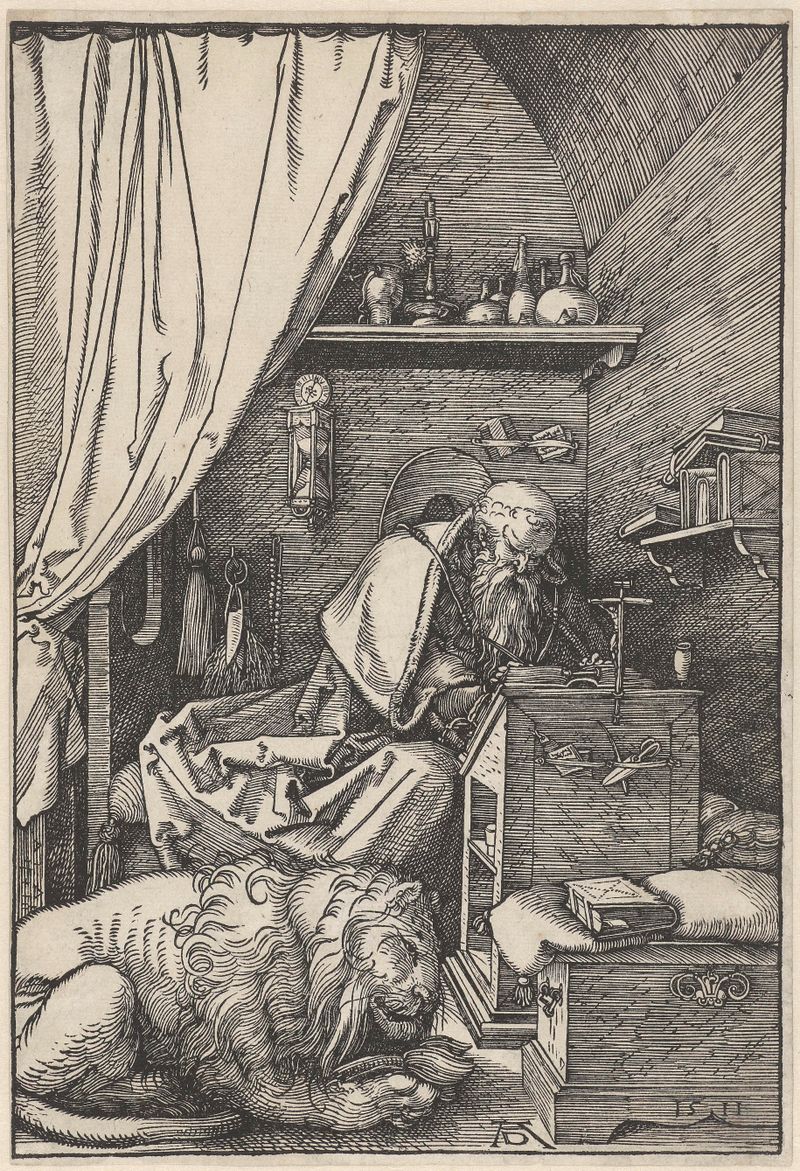
De Heilige Hiëronymus in zijn studeervertrek
Albrecht Dürer
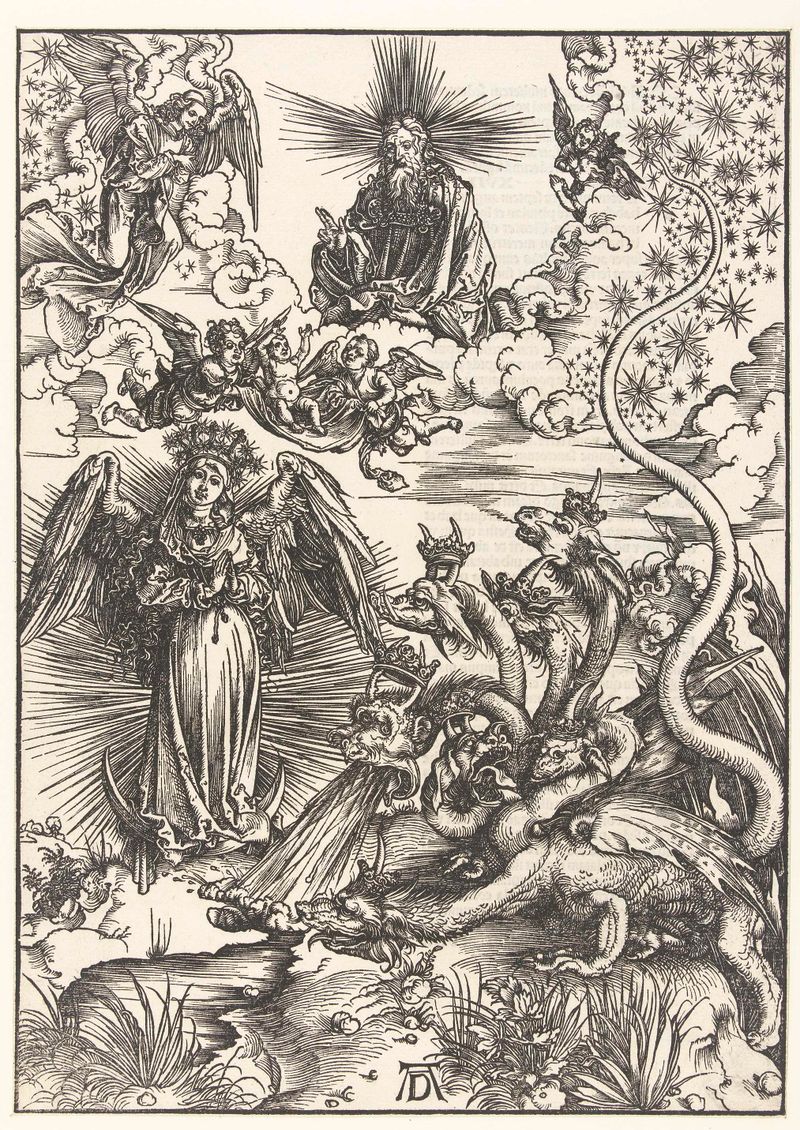
De apocalyptische vrouw en de zevenkoppige draak
Albrecht Dürer
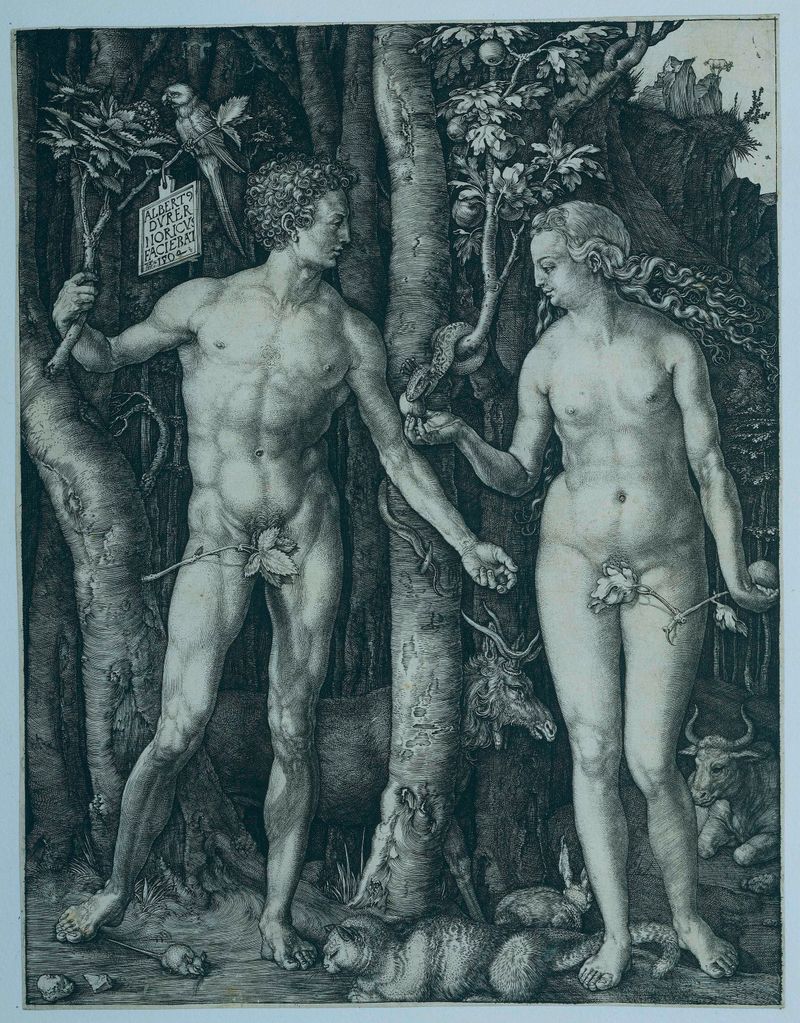
Adam en Eva
Albrecht Dürer
More Religious Art
Browse all →
The Return of the Prodigal Son
Rembrandt van Rijn

The Garden of Earthly Delights
El Bosco

Count Orgaz’ funeral
El Greco

The Hundred Guilder Print: the central piece with Christ preaching, the plate arched
Rembrandt van Rijn

The Descent from the Cross
Rogier van der Weyden

The return of the prodigal son
Rembrandt van Rijn