
Discover insights about this artwork
Hektors Abschied von Andromache — History & Facts
In Hektors Abschied von Andromache, we see a dramatic scene filled with emotion. The colors are rich, with deep reds and soft blues that create a somber atmosphere. Hector stands tall, while Andromache appears fragile and heartbroken.
The background suggests a war-torn landscape, enhancing the gravity of their farewell. The painting is executed in oil on canvas, showcasing Slevogt's skillful brushwork. The figures are rendered with a sense of realism, capturing the raw emotions of the moment. The composition draws the viewer's eye to the central figures, emphasizing their connection.
Light and shadow play a significant role in highlighting their expressions. Max Slevogt was a prominent figure in the German art scene, known for his Impressionist style. This painting, created around 1900, reflects his interest in themes of love and loss. An interesting fact about this work is that it draws inspiration from classical literature, specifically the story of Hector and Andromache from Homer's Iliad.
Slevogt's interpretation adds a modern emotional depth to this ancient tale.
More Artworks by Max Slevogt
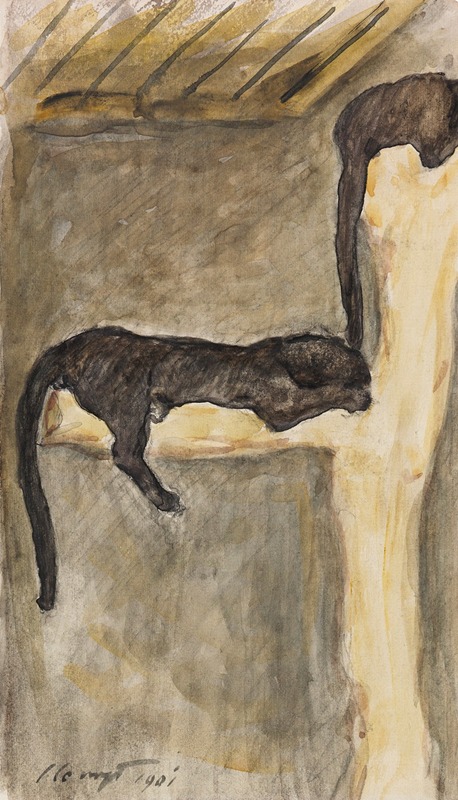
Pantherpaar im Frankfurter Zoo
Max Slevogt
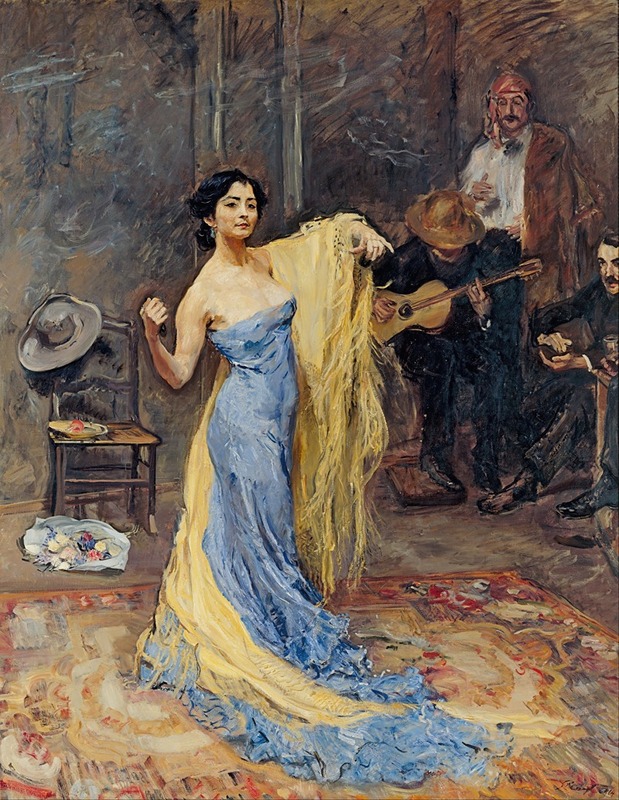
Portrait of the Dancer Marietta di Rigardo
Max Slevogt
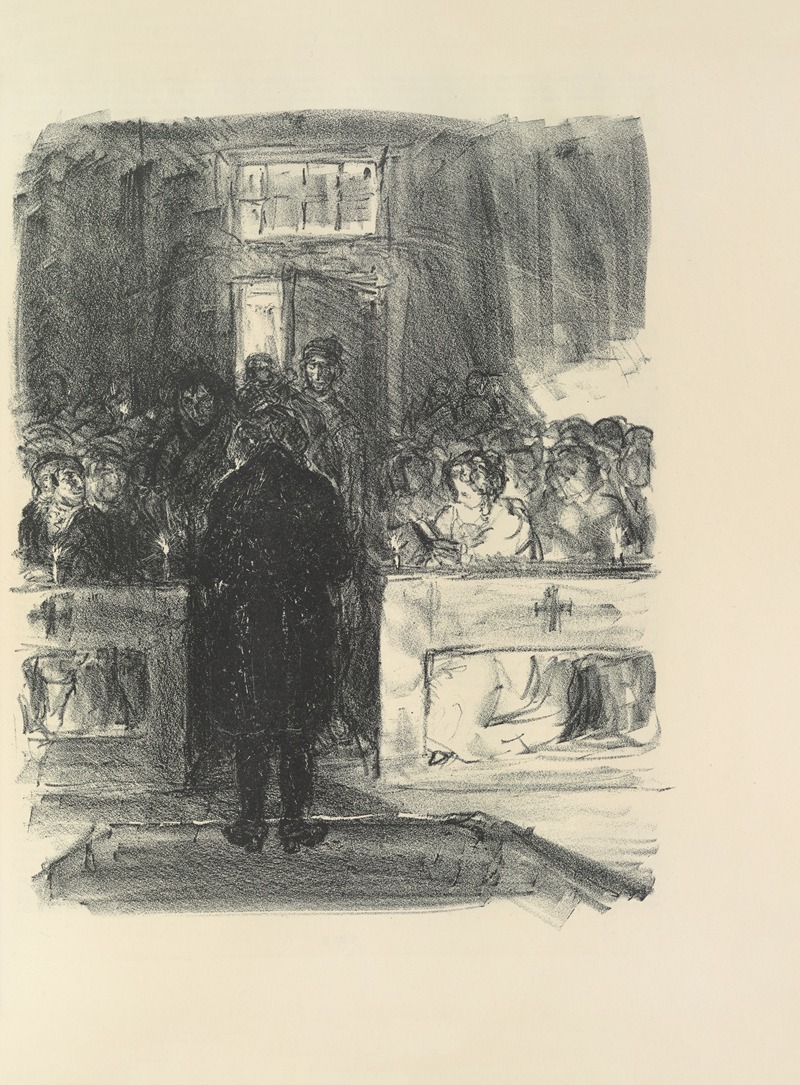
Lederstumpf-Erzählungen Pl.35
Max Slevogt

Bildnis Theodor Stoperan
Max Slevogt
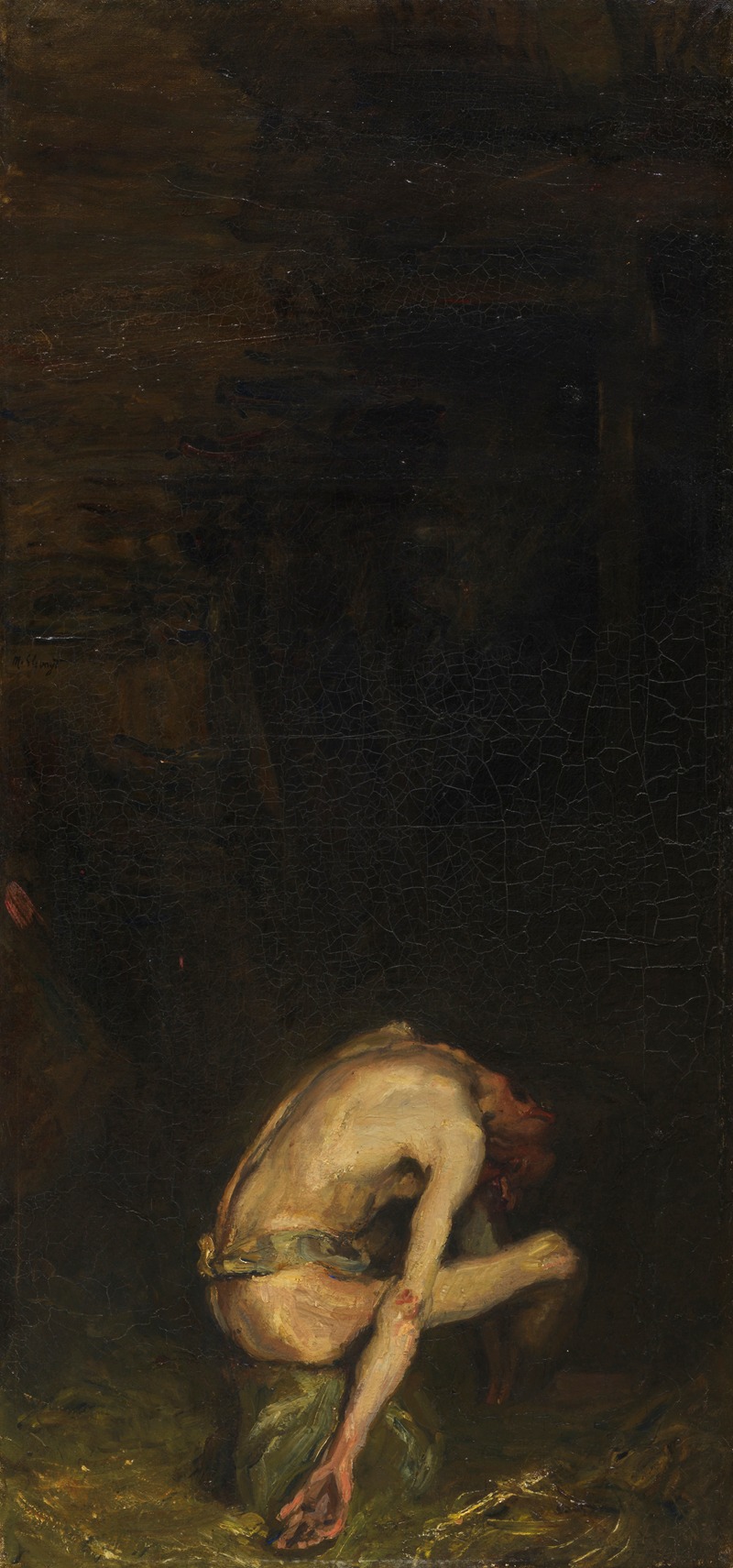
Der verlorene Sohn 3
Max Slevogt
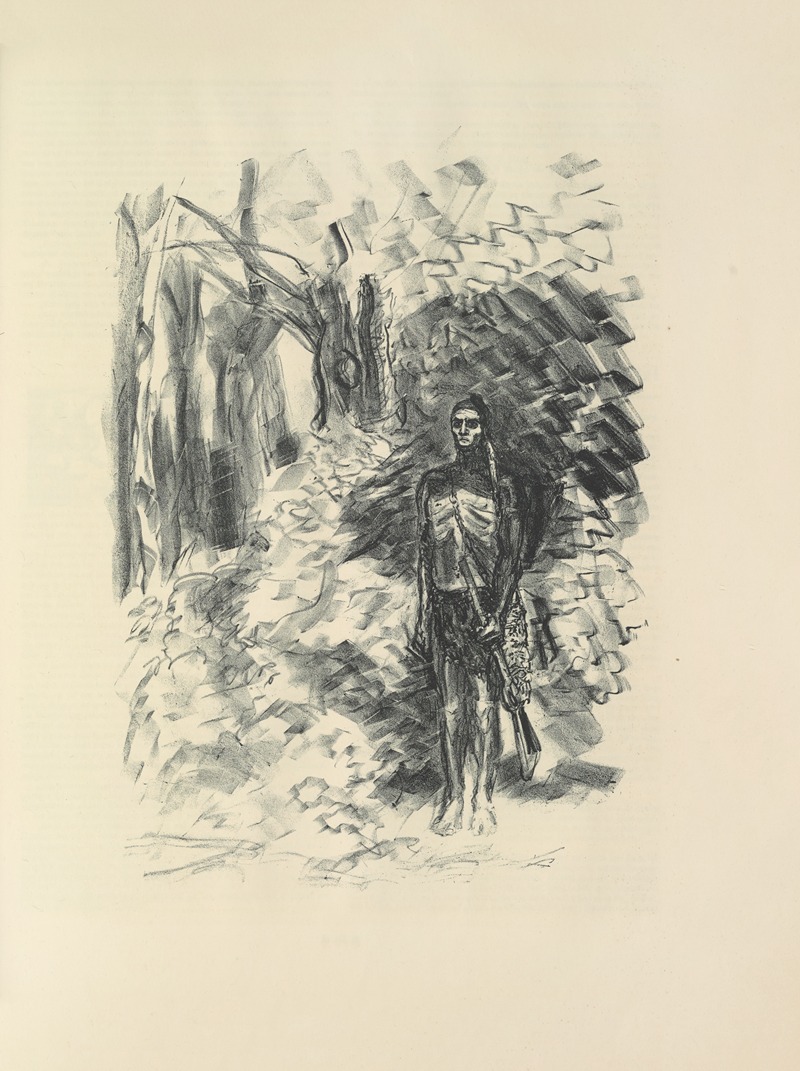
Lederstumpf-Erzählungen Pl.14
Max Slevogt
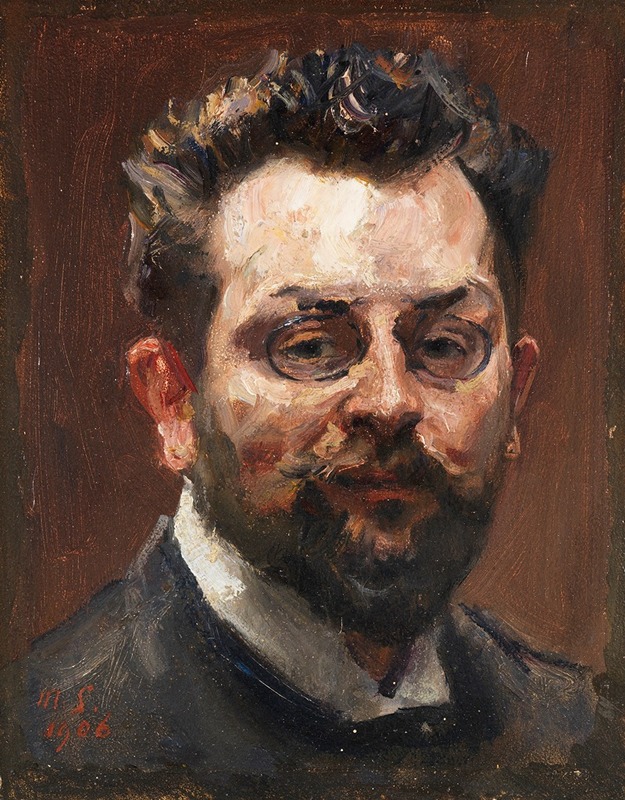
Selbstporträt
Max Slevogt
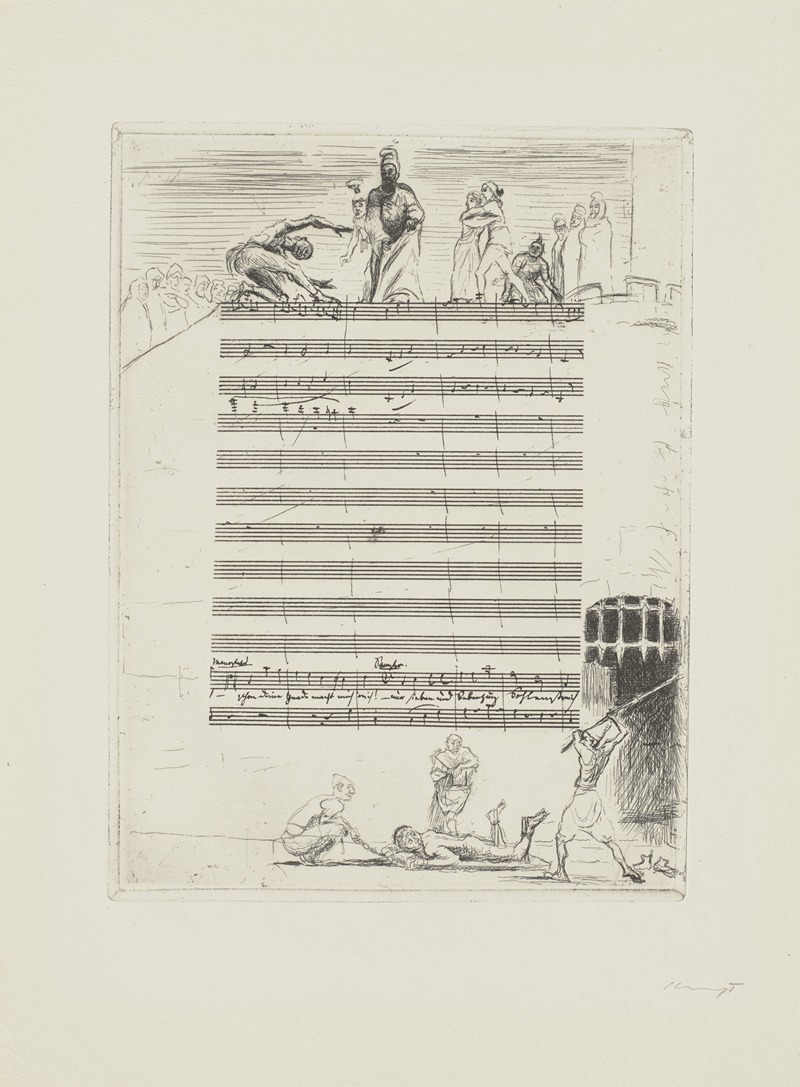
Schon deine Gnade macht mich reich
Max Slevogt
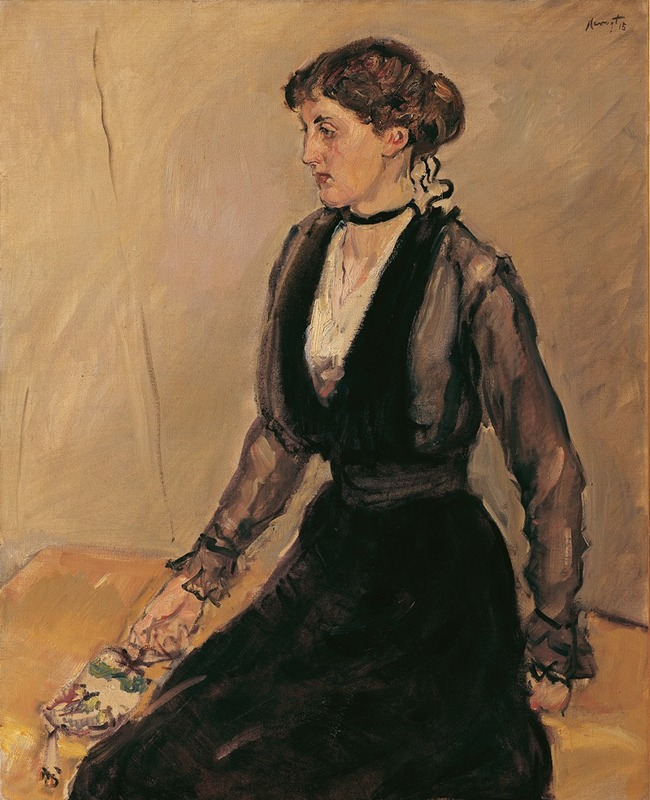
Fräulein Eva Steinbarth
Max Slevogt
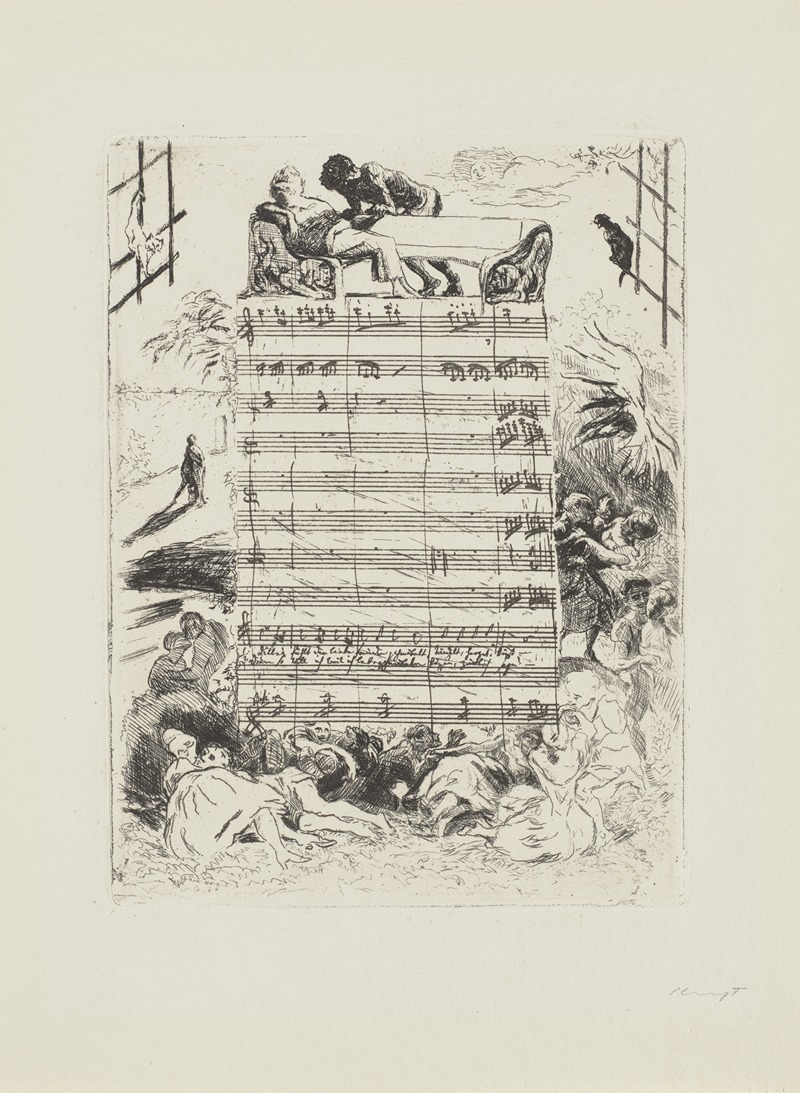
Alles fühlt der Liebe Freuden
Max Slevogt
More Historical Art
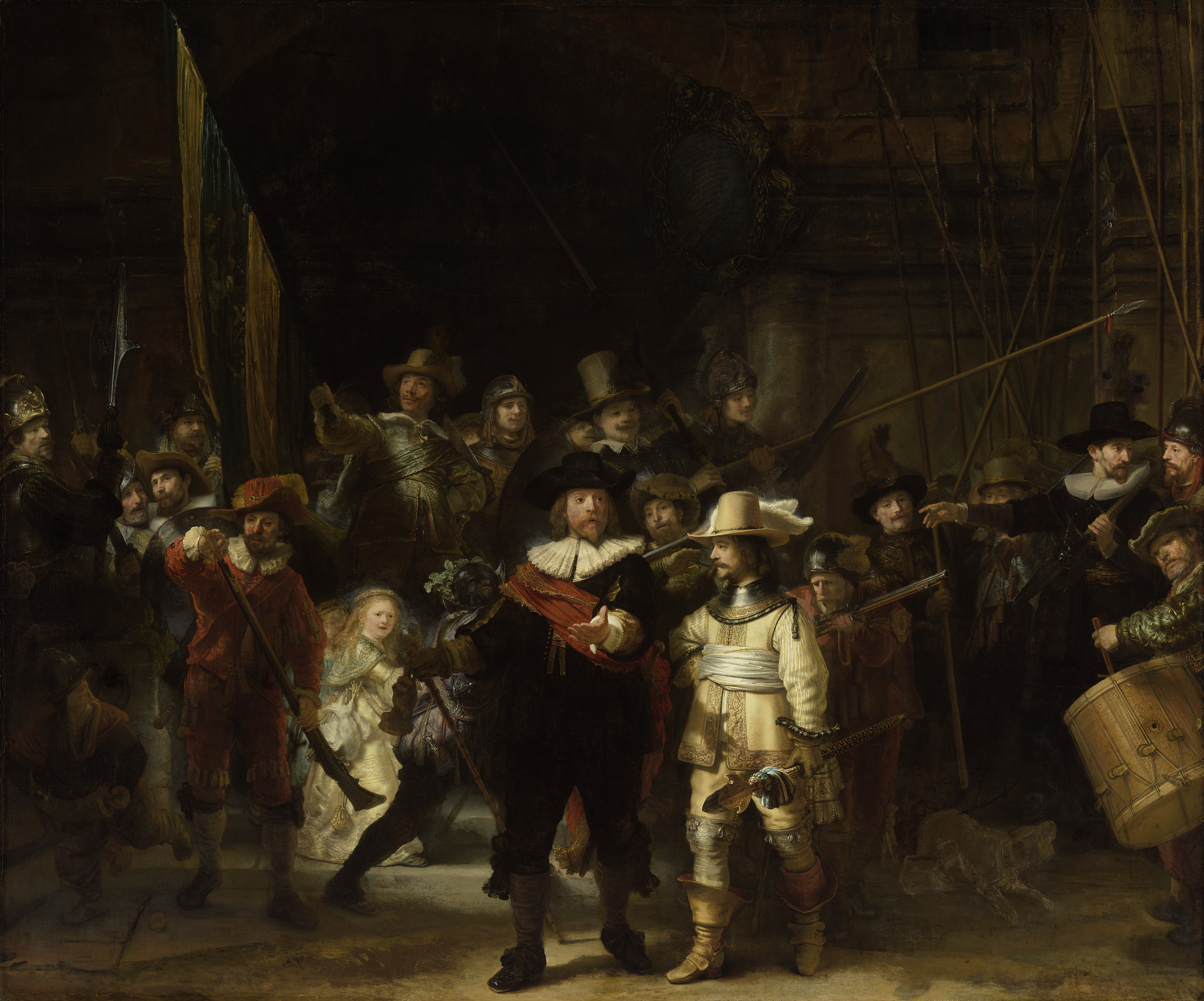
The Night Watch Militia Company of District II under the Command of Captain Frans Banninck Cocq
Rembrandt van Rijn
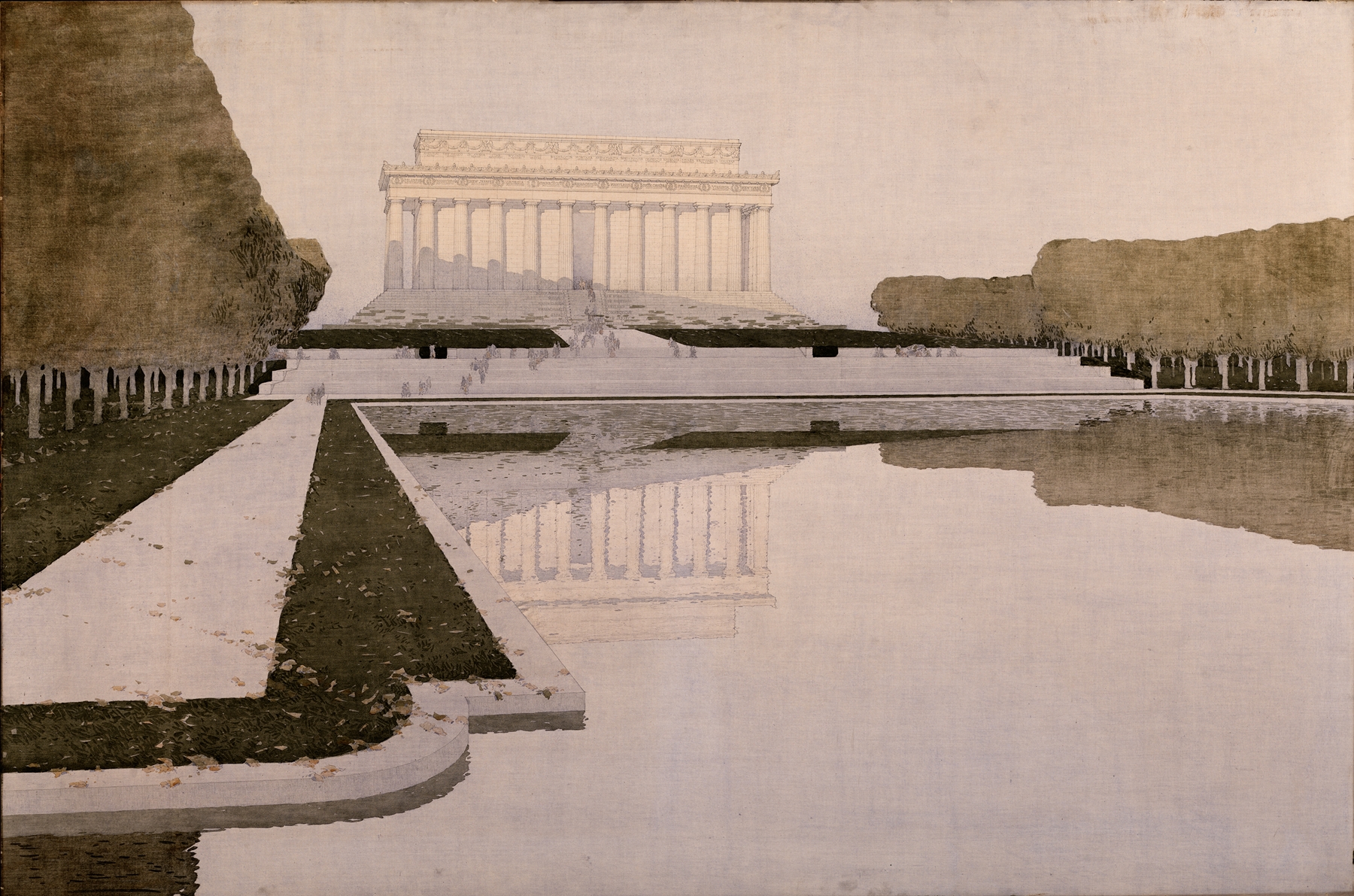
Lincoln Memorial
Henry Bacon
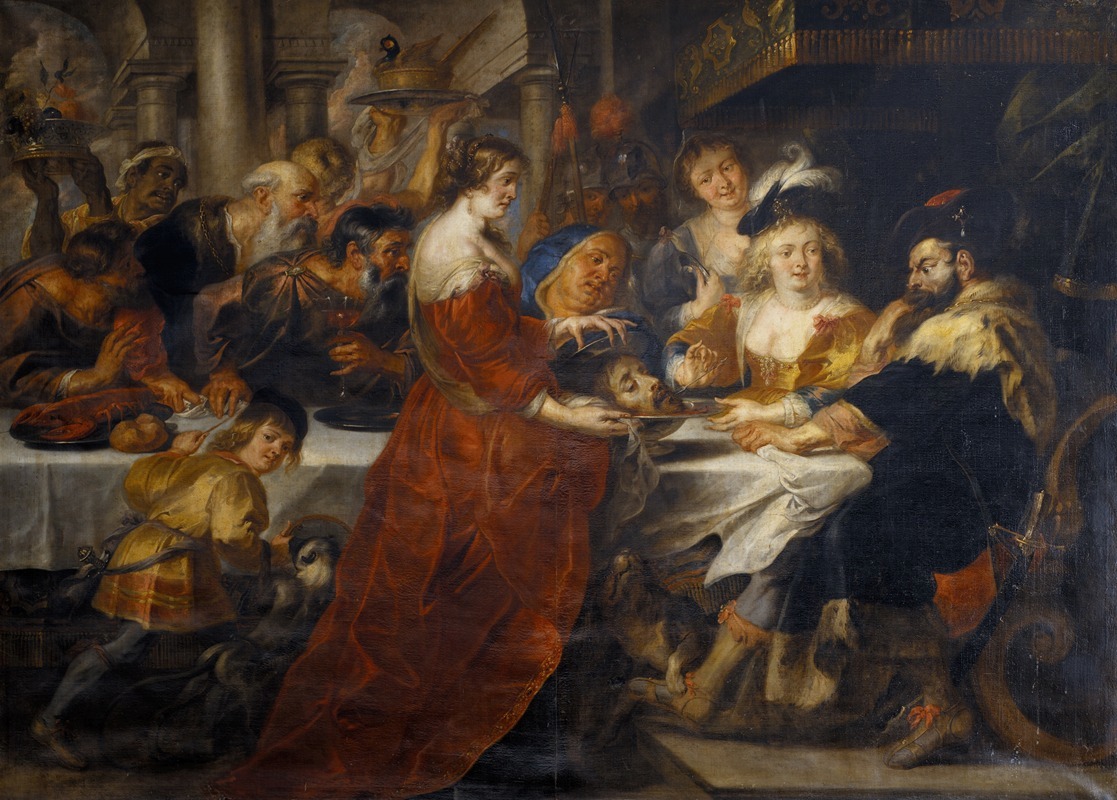
The Feast of Herod. Salome Bringing the Head of St John the Baptist on a Charger
Peter Paul Rubens
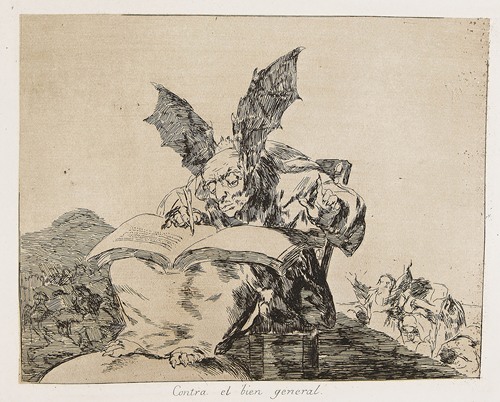
Los desastres de la guerra
Francisco de Goya
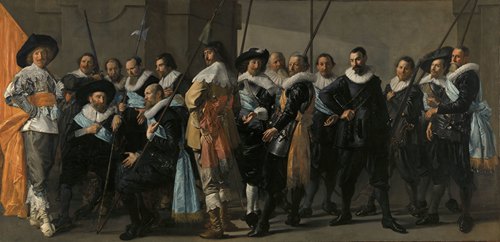
Militia Company of District XI under the Command of Captain Reynier Reael, Known as ‘The Meagre Company’
Frans Hals
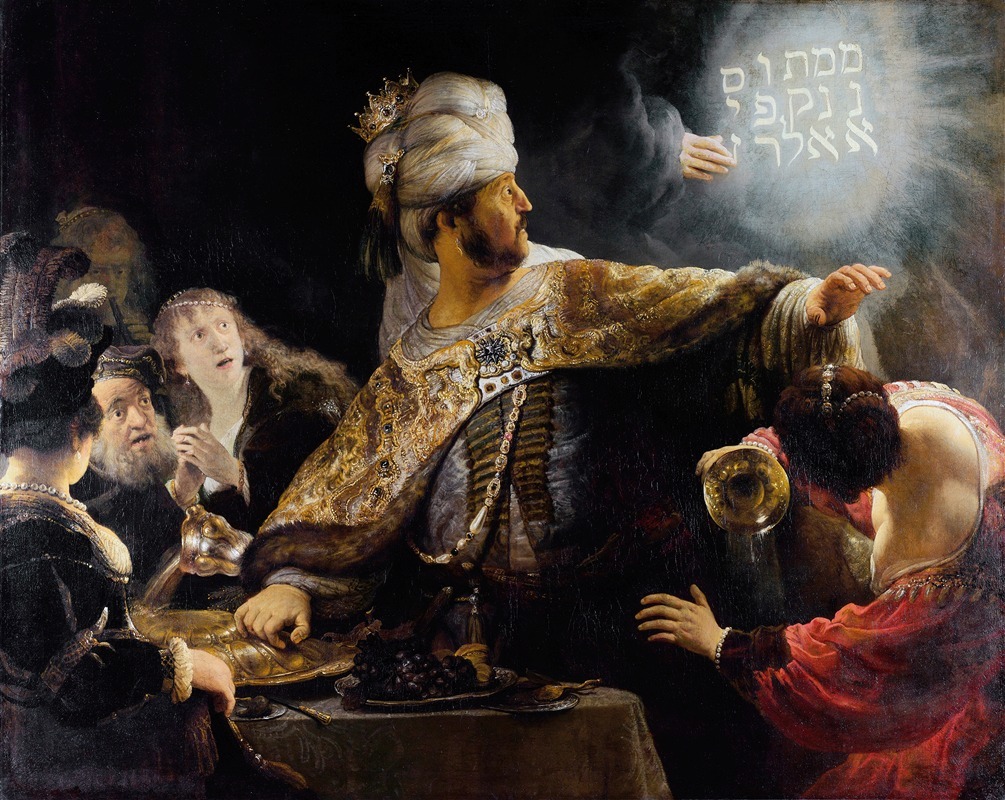
Belshazzar’s feast
Rembrandt van Rijn