
Hemelvaart — History & Facts
Did the painter know this moment would outlive them? In Hemelvaart, Albrecht Dürer captures a sublime moment pregnant with hope, as the ascension echoes through time and evokes a profound sense of transcendence. Look to the center, where the figure of Christ rises, framed against a brilliant background of swirling clouds. His outstretched arms convey a duality of invitation and departure, beckoning the viewer to contemplate both presence and absence. The soft, golden light cascading from above bathes the figures below, highlighting their diverse expressions of awe, sorrow, and reverence.
Notice how the intricate details in the garments contrast with the ethereal background, emphasizing the earthly connection of the witnesses to the divine event unfolding before them. Beneath the surface, Hemelvaart embodies the tension between the spiritual and the earthly. The vibrant hues radiating from Christ's figure represent hope and divine love, illuminating the darker, muted tones of the crowd below, who embody humanity’s yearning for connection and understanding. The slight separation between the celestial and the terrestrial hints at the distance between divinity and the human experience, yet the upward gaze of the figures reflects an unwavering faith that transcends despair. Dürer painted Hemelvaart in 1510, during a prolific period in Nuremberg, where he was deeply engaged in exploring printmaking and humanist themes.
This era was marked by religious upheaval and a re-examination of faith, as the Renaissance challenged traditional beliefs. In creating this work, he sought to intertwine the spiritual significance of Christ's ascension with the emerging new perspectives of the time, solidifying his role as a pivotal figure in the transition of art from the medieval to the modern.
More Artworks by Albrecht Dürer
Browse all →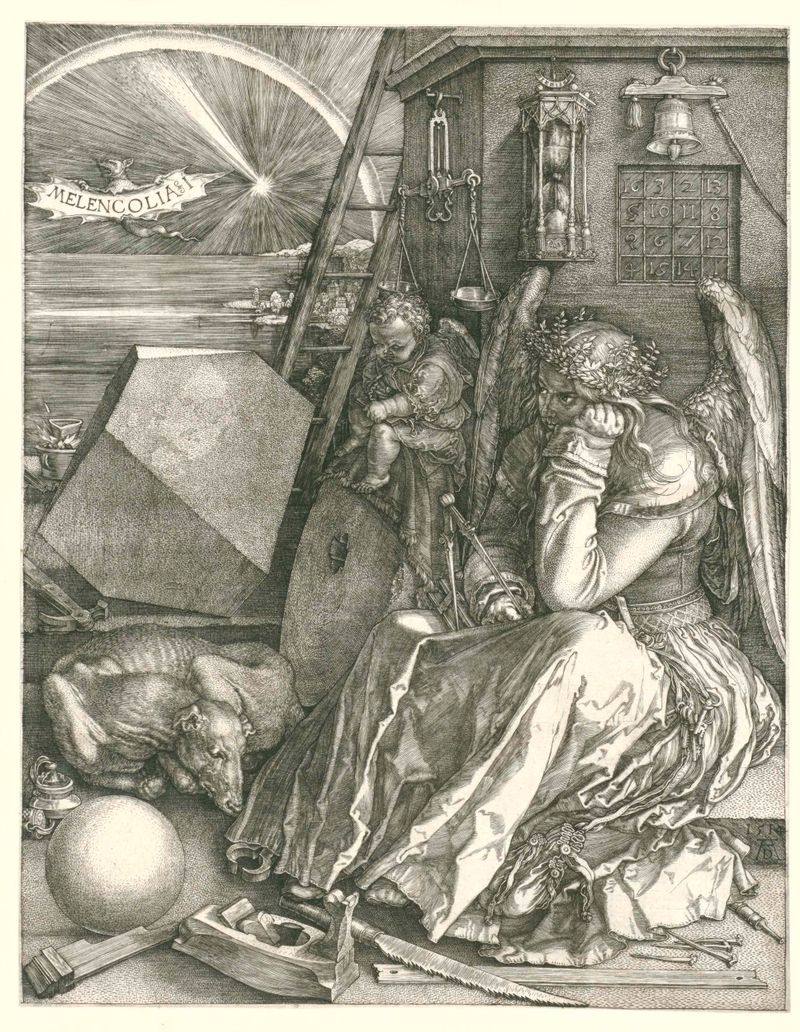
Melancholia
Albrecht Dürer
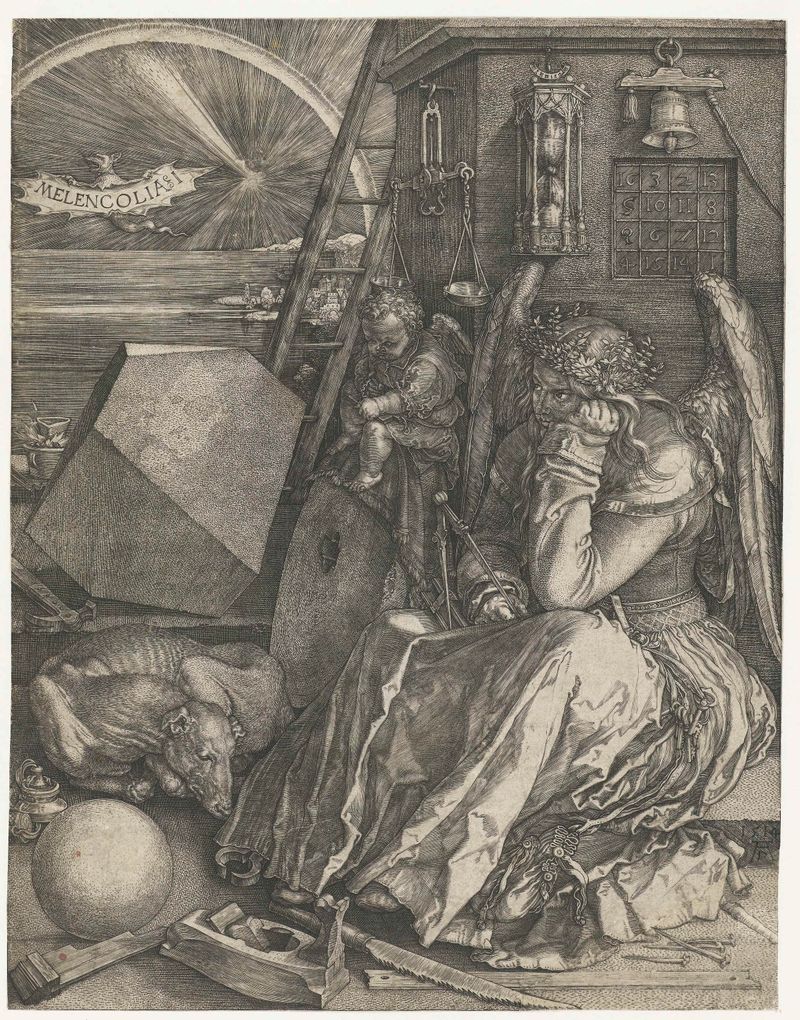
Melancholie
Albrecht Dürer
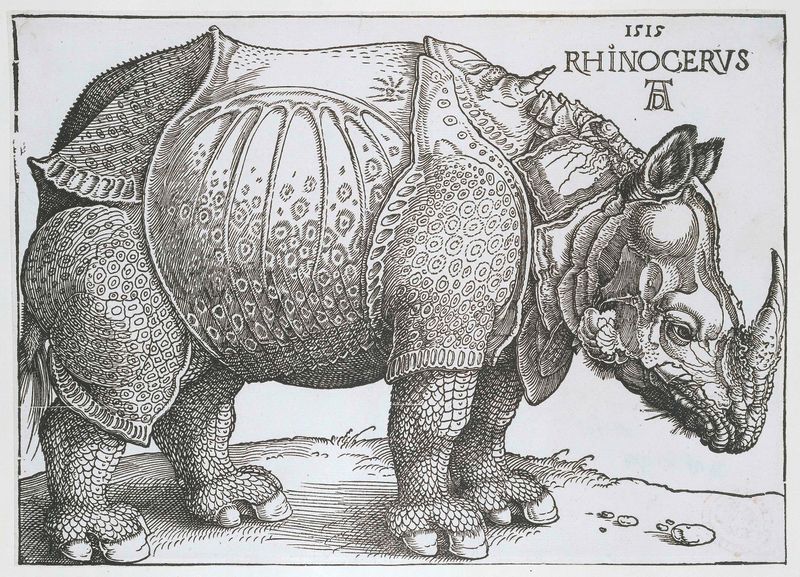
Neushoorn
Albrecht Dürer
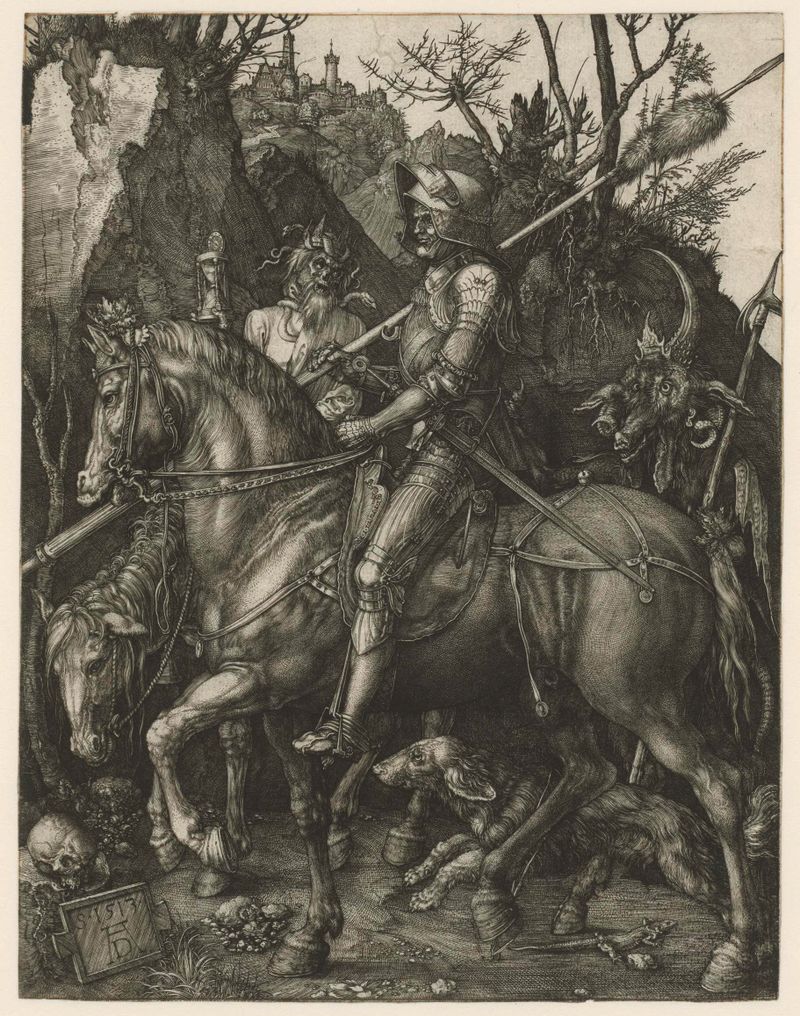
Knight, Death, and the Devil
Albrecht Dürer

De vier ruiters van de apocalyps
Albrecht Dürer

De vier ruiters van de apocalyps
Albrecht Dürer
De Heilige Hiëronymus in zijn studeervertrek
Albrecht Dürer
De Heilige Hiëronymus in zijn studeervertrek
Albrecht Dürer
De apocalyptische vrouw en de zevenkoppige draak
Albrecht Dürer
Adam en Eva
Albrecht Dürer
More Religious Art
Browse all →
The Return of the Prodigal Son
Rembrandt van Rijn

The Garden of Earthly Delights
El Bosco

Count Orgaz’ funeral
El Greco

The Hundred Guilder Print: the central piece with Christ preaching, the plate arched
Rembrandt van Rijn

The Descent from the Cross
Rogier van der Weyden

The return of the prodigal son
Rembrandt van Rijn