
Hemelvaart en kroning van Maria — History & Facts
Where does light end, and longing begin? In the intricate layers of Hemelvaart en kroning van Maria, the boundary blurs as ethereal radiance envelops the divine figures, beckoning a spiritual revolution within the viewer’s heart. Look to the center of the composition, where the majestic figure of Mary is crowned amid a resplendent glow. Dürer’s mastery of light draws your gaze, illuminating her serene yet resolute expression. The vibrant colors—deep blues and rich golds—contrast beautifully with the muted earth tones of the surrounding angels, enhancing their celestial nature.
Notice how meticulous details, from the folds of Mary's robe to the delicate wings of the cherubs, create a harmonious balance that is both structured and fluid, inviting contemplation of the momentous scene. Within this serene coronation lies a profound tension between the earthly and the divine. The juxtaposition of Mary’s regal poise against the humble yet reverent figures surrounding her evokes a sense of both triumph and sacrifice. Each angel’s gaze, a mix of adoration and anticipation, whispers of the societal shift towards a more personal connection with the divine—a theme resonant in the early 16th century.
The intricate patterns and symbolism interwoven into the background serve as a reminder of the complexities of faith and authority during this transformative time. In 1510, Dürer was stationed in Nuremberg, at a period marked by both artistic innovation and spiritual upheaval. The Renaissance was flourishing, and the artist was deeply influenced by humanism and emerging Protestant ideas. While he celebrated religious themes, he also imbued them with a fresh perspective, challenging traditional narratives, as he sought to elevate the viewer's spiritual experience through his groundbreaking work.
More Artworks by Albrecht Dürer
Browse all →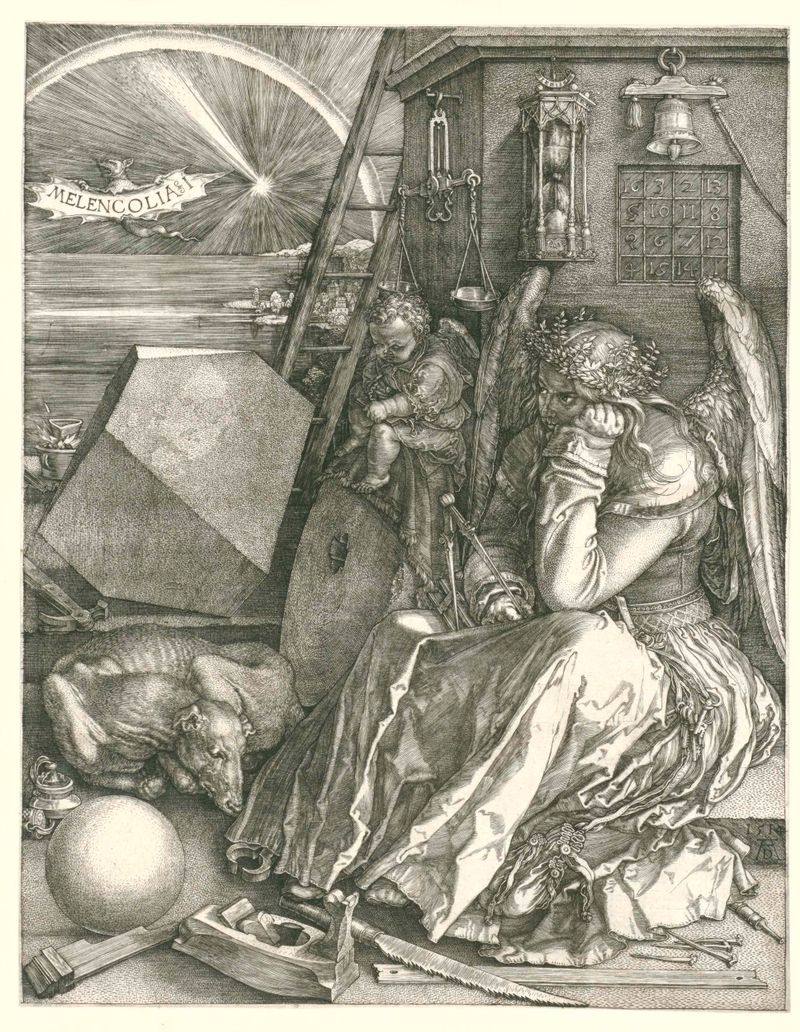
Melancholia
Albrecht Dürer
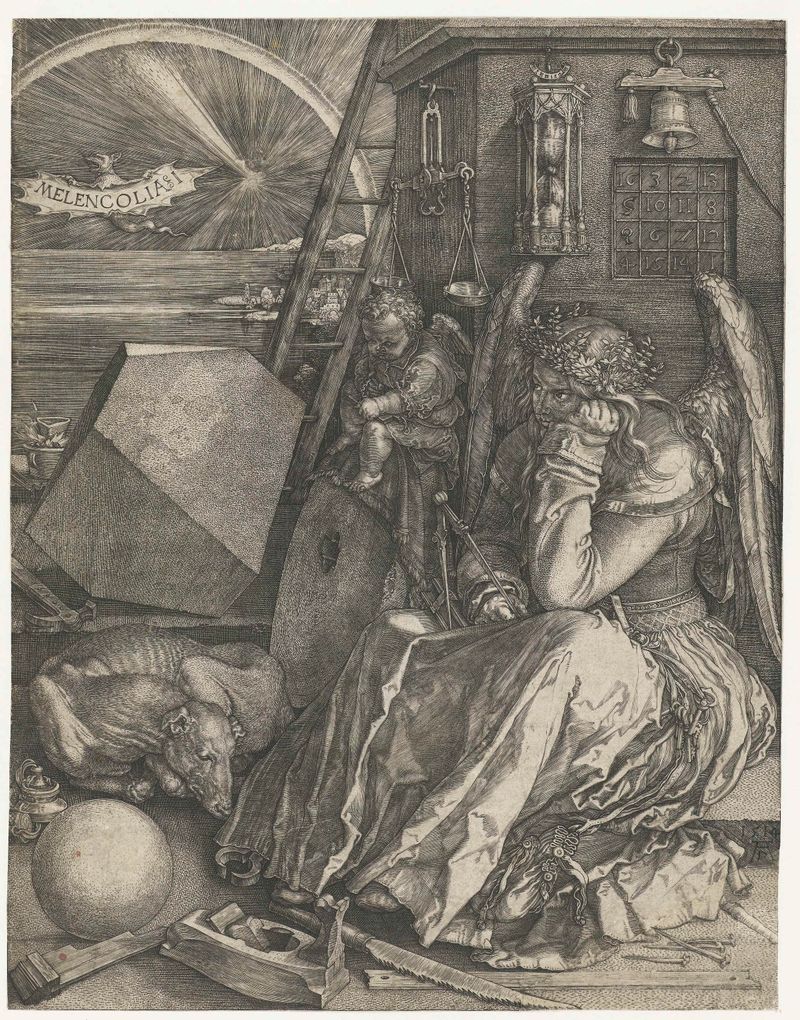
Melancholie
Albrecht Dürer
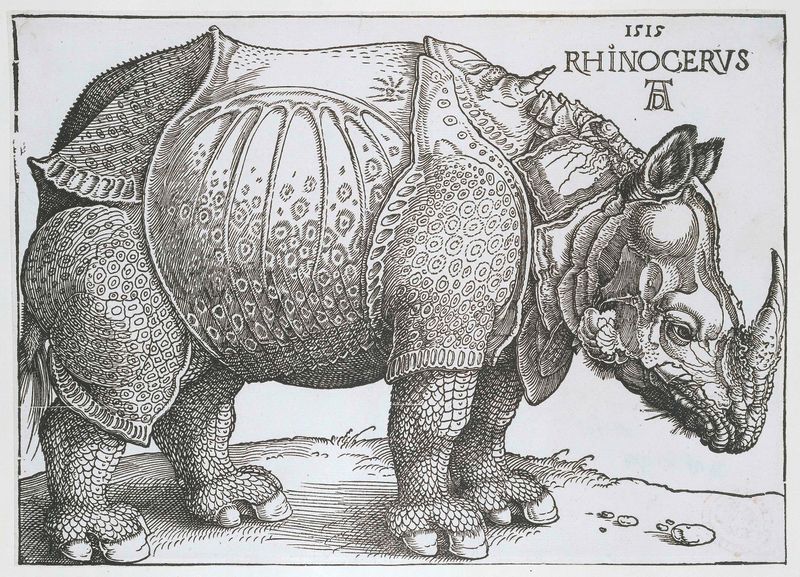
Neushoorn
Albrecht Dürer
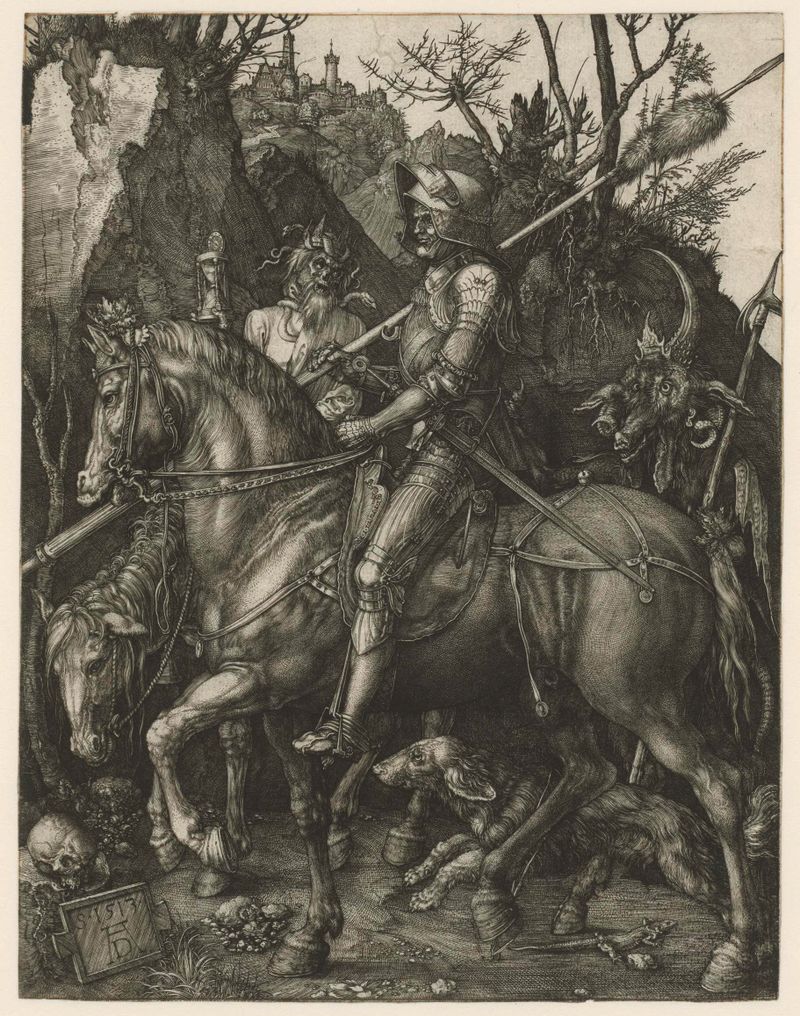
Knight, Death, and the Devil
Albrecht Dürer

De vier ruiters van de apocalyps
Albrecht Dürer

De vier ruiters van de apocalyps
Albrecht Dürer
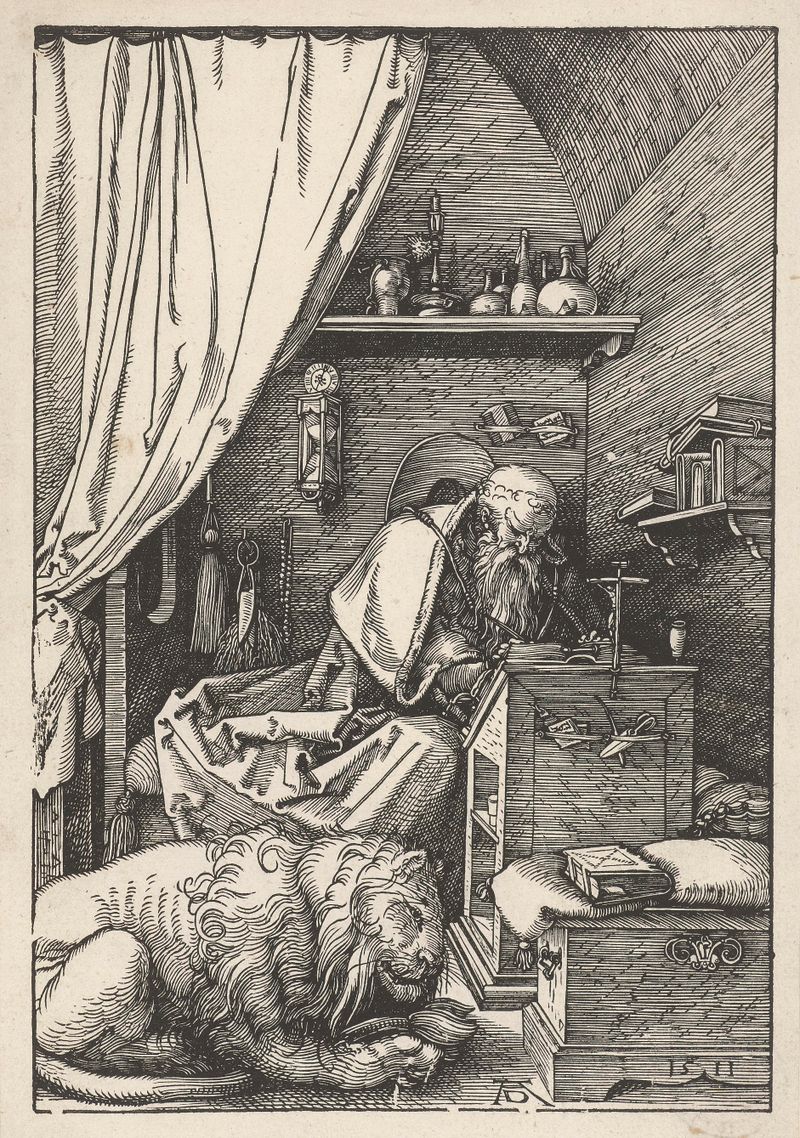
De Heilige Hiëronymus in zijn studeervertrek
Albrecht Dürer
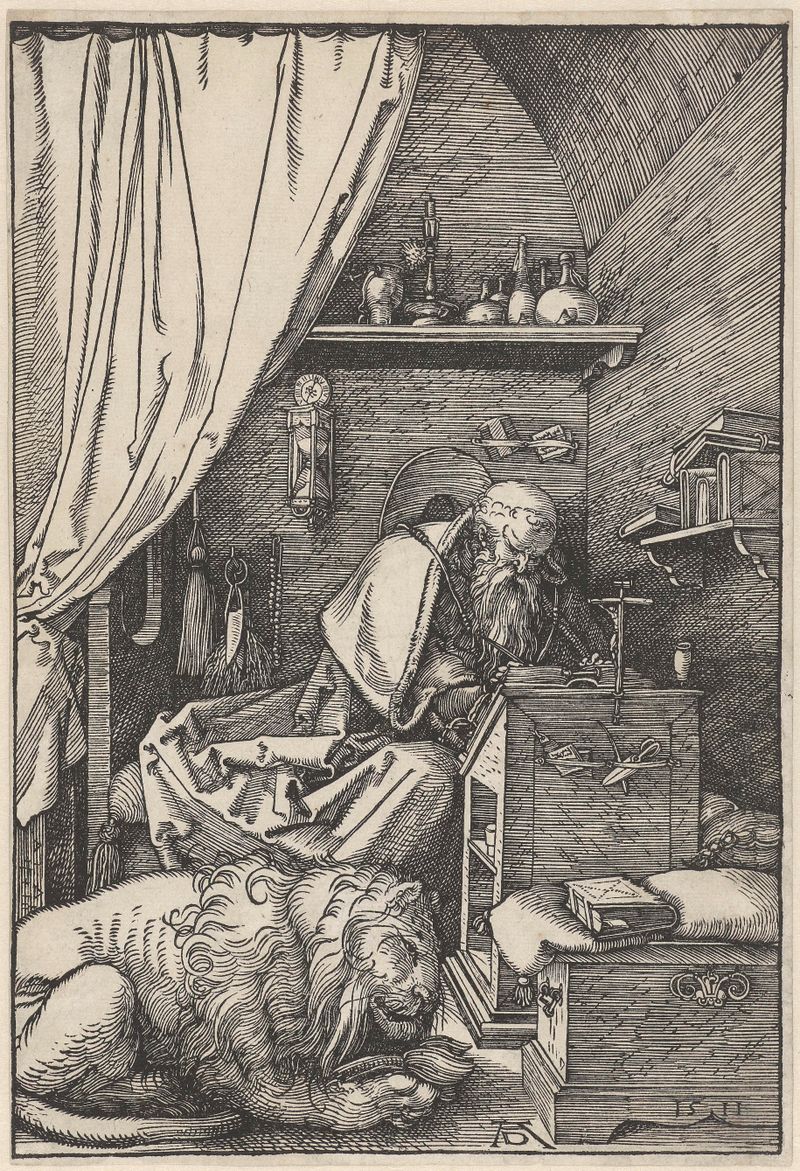
De Heilige Hiëronymus in zijn studeervertrek
Albrecht Dürer
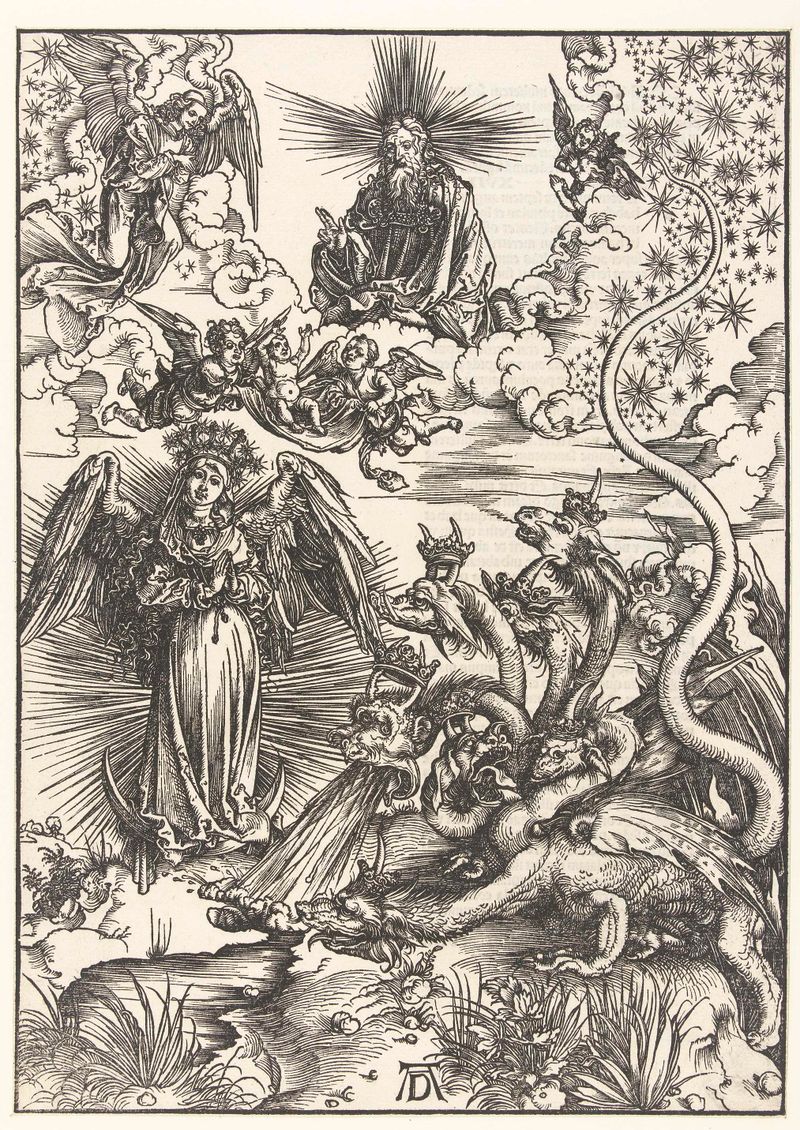
De apocalyptische vrouw en de zevenkoppige draak
Albrecht Dürer
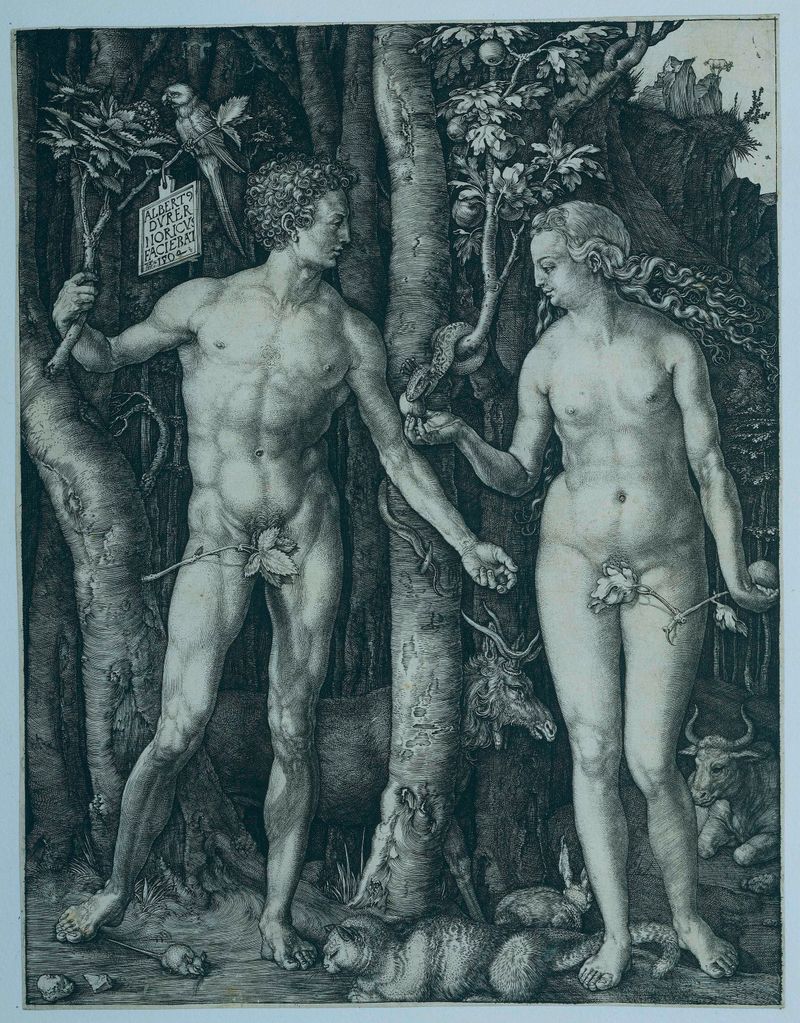
Adam en Eva
Albrecht Dürer
More Religious Art
Browse all →
The Return of the Prodigal Son
Rembrandt van Rijn

The Garden of Earthly Delights
El Bosco

Count Orgaz’ funeral
El Greco

The Hundred Guilder Print: the central piece with Christ preaching, the plate arched
Rembrandt van Rijn

The Descent from the Cross
Rogier van der Weyden

The return of the prodigal son
Rembrandt van Rijn