
Hemelvaart en kroning van Maria — History & Facts
In the delicate interplay of grace and power, destiny unfolds within the painted realm, inviting contemplation on the divine and human condition. Begin by observing the central figures in Hemelvaart en kroning van Maria. Dürer meticulously renders the Virgin Mary, crowned and seated, her serene expression embodying maternal strength. Look to the background where ethereal clouds part to reveal a luminous heaven, contrasting the earthly realm that cradles her.
The intricate details in her robe, adorned with subtle patterns in rich hues, invoke a sense of both majesty and vulnerability, while gentle light cascades from the heavens, illuminating her presence. Delve deeper and notice the symbolic gestures—the angels surrounding Mary, their outstretched wings suggesting both protection and celebration, echoing the duality of her role. The juxtaposition of the opulent throne against a backdrop of celestial radiance evokes themes of ascension and the passage of time, hinting at the inevitable intertwining of human fate and divine will. Each folded fabric, each delicate hand, speaks to the destiny that binds them, crafting a narrative that transcends the canvas. In 1511, Dürer found himself in Nuremberg, a city thriving with artistic innovation and intellectual fervor.
The Renaissance was reshaping Europe, as artists began to explore human emotion and spirituality in unprecedented ways. During this period, Dürer was honing his craft, merging Northern European detail with the lessons of Italian masters, reflecting a world in transition and his own quest for artistic identity within that landscape.
More Artworks by Albrecht Dürer
Browse all →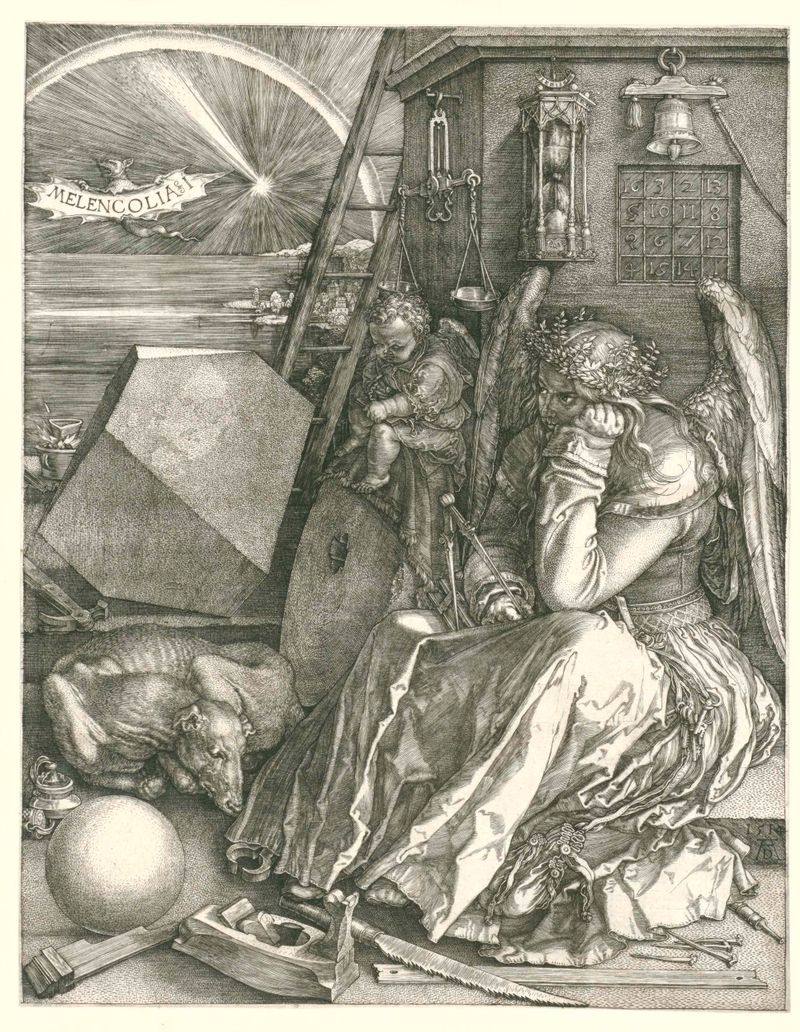
Melancholia
Albrecht Dürer
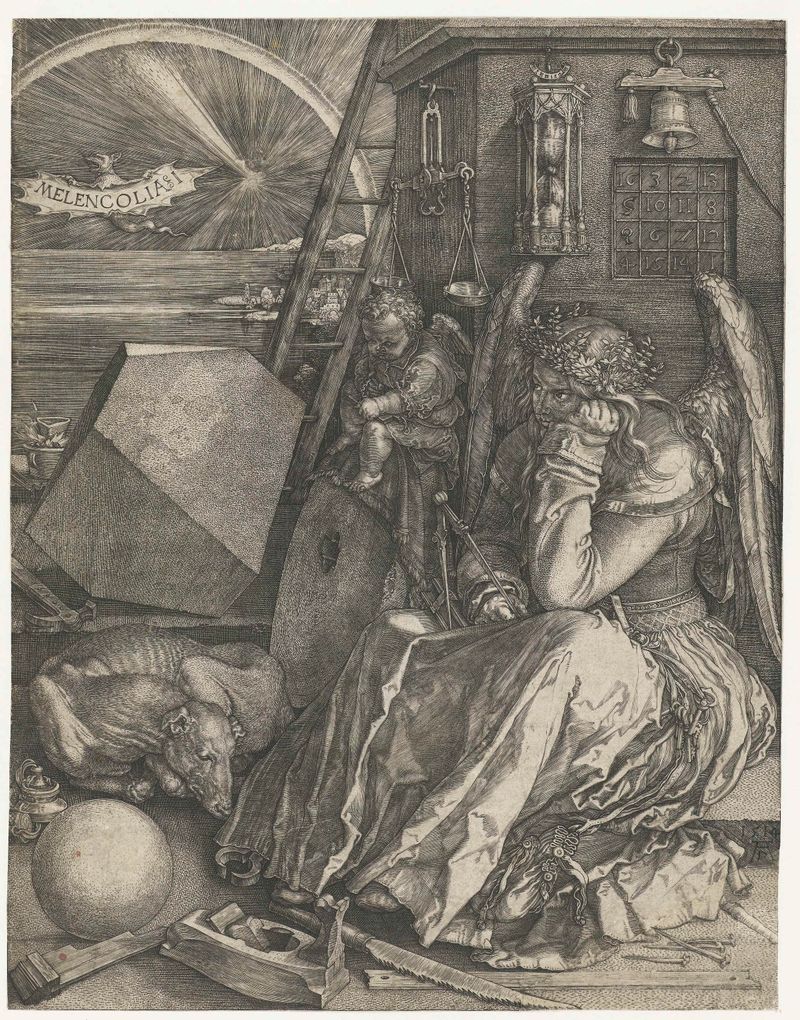
Melancholie
Albrecht Dürer

Neushoorn
Albrecht Dürer
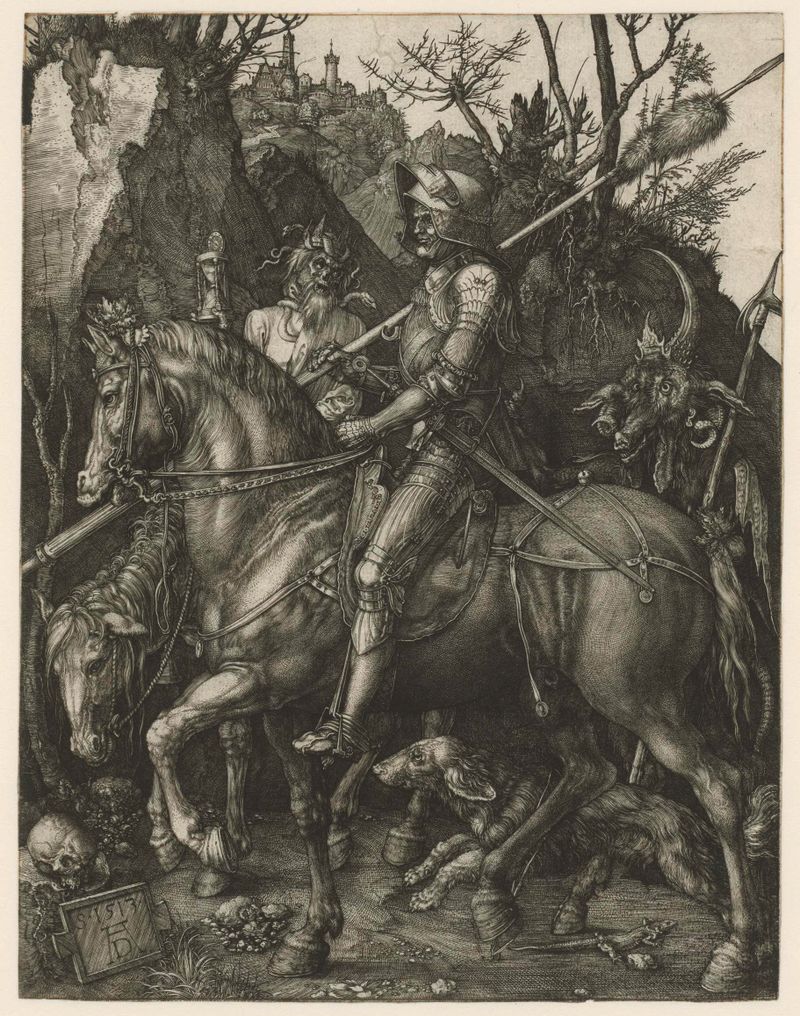
Knight, Death, and the Devil
Albrecht Dürer

De vier ruiters van de apocalyps
Albrecht Dürer

De vier ruiters van de apocalyps
Albrecht Dürer
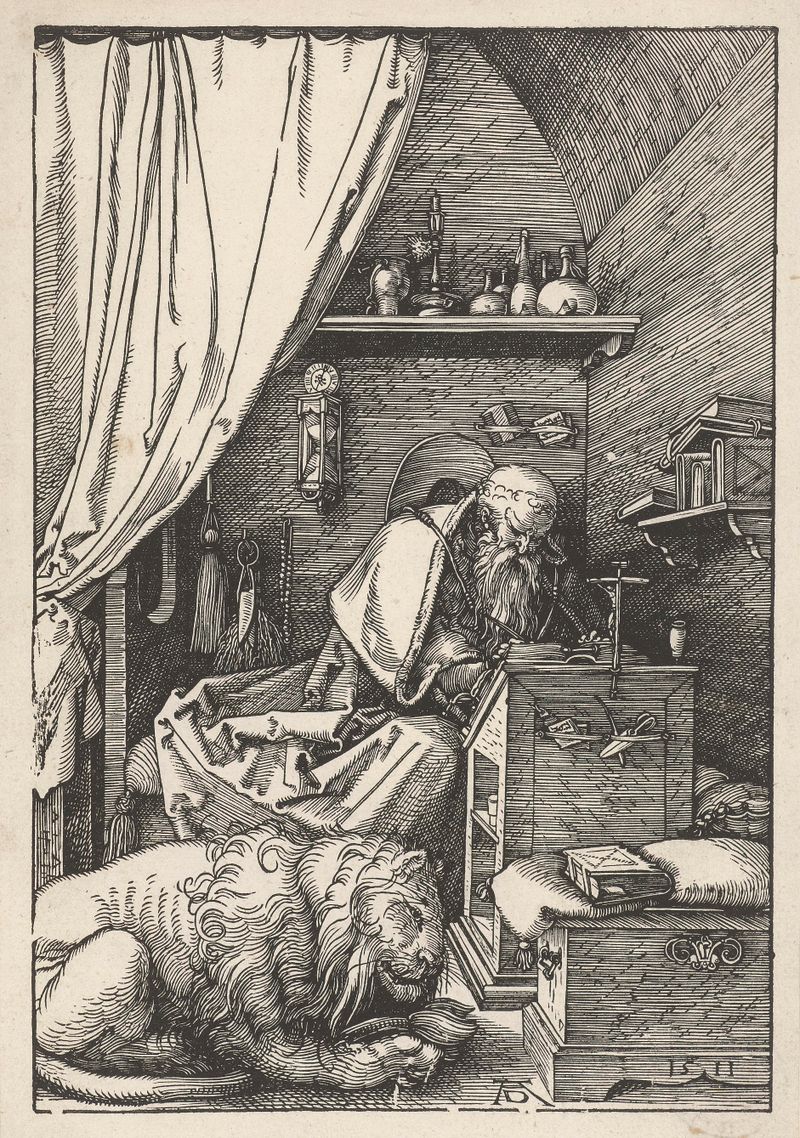
De Heilige Hiëronymus in zijn studeervertrek
Albrecht Dürer
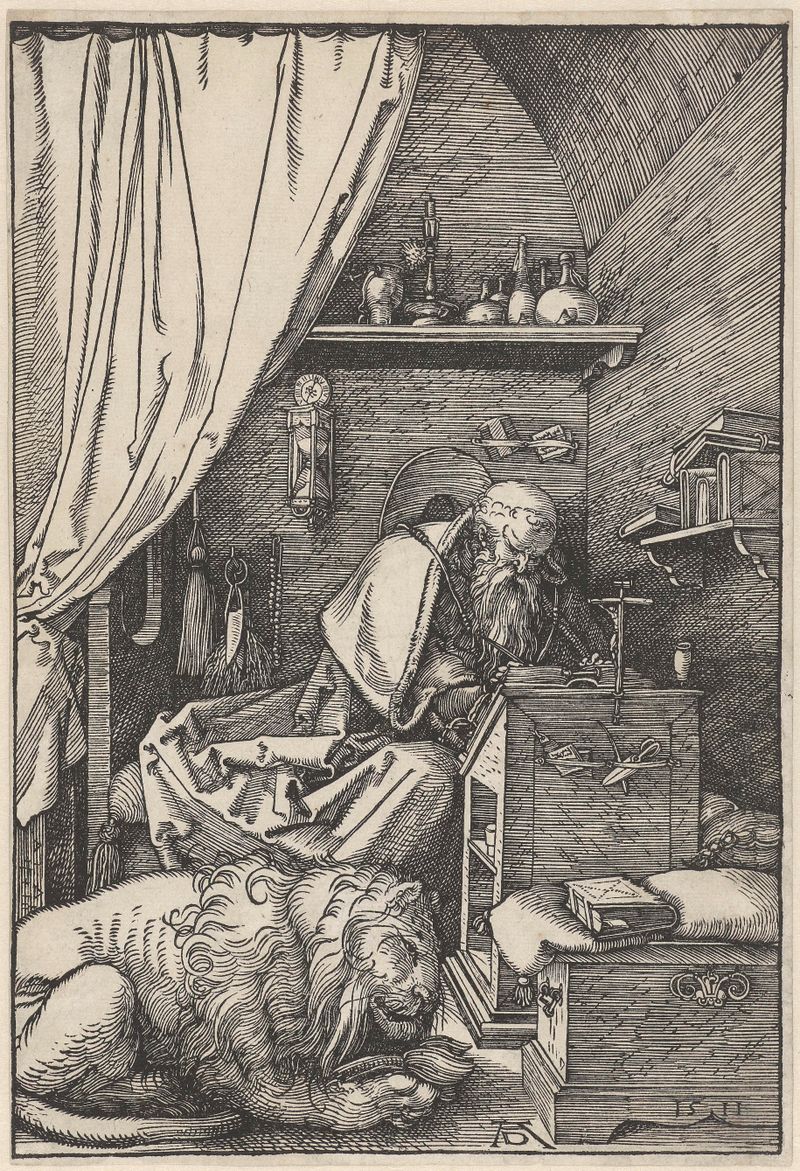
De Heilige Hiëronymus in zijn studeervertrek
Albrecht Dürer
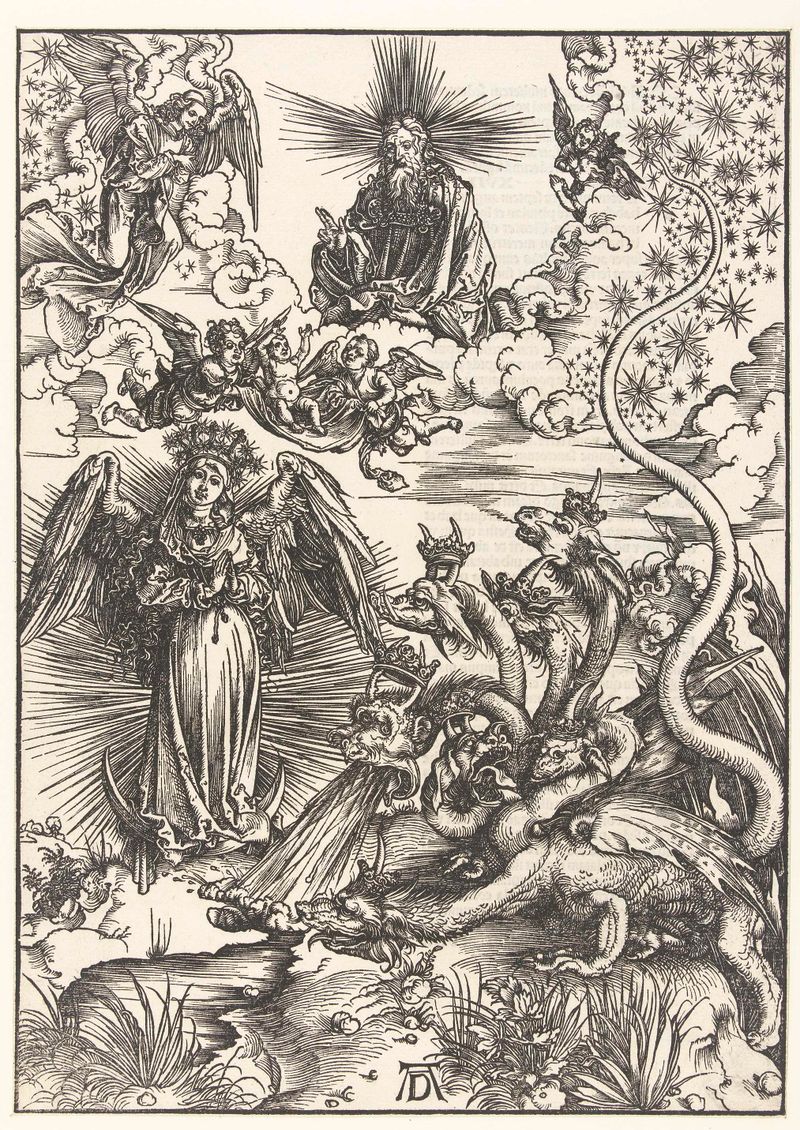
De apocalyptische vrouw en de zevenkoppige draak
Albrecht Dürer
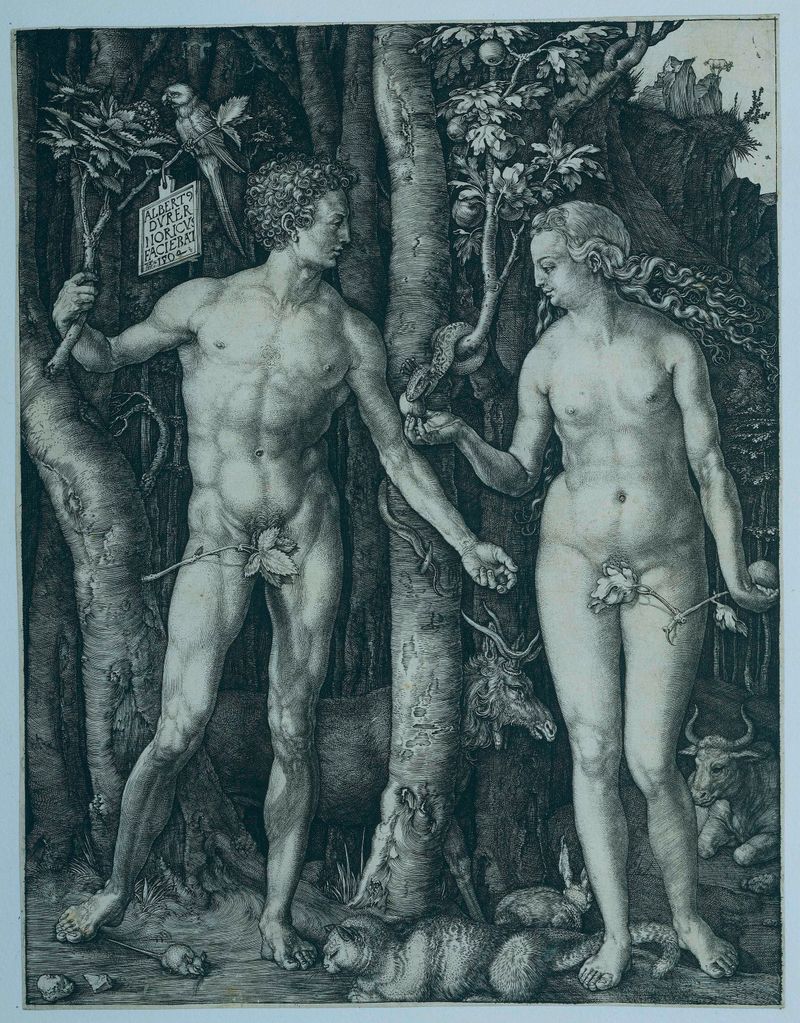
Adam en Eva
Albrecht Dürer
More Religious Art
Browse all →
The Return of the Prodigal Son
Rembrandt van Rijn

The Garden of Earthly Delights
El Bosco

Count Orgaz’ funeral
El Greco

The Hundred Guilder Print: the central piece with Christ preaching, the plate arched
Rembrandt van Rijn

The Descent from the Cross
Rogier van der Weyden

The return of the prodigal son
Rembrandt van Rijn