
Hemelvaart van Christus — History & Facts
In an era of transformation, art becomes a vessel for revolution, capturing truths that time may obscure. Focus on the central figure, ascending with a serene yet commanding presence. His gaze draws you upward, transcending earthly bounds, while the soft hues enveloping him contrast starkly with the darker, turbulent skies below. Notice how the artist employs rich, layered colors to evoke a sense of divine majesty—a palette that not only highlights the figure but also serves as a reminder of the profound spiritual upheaval of the period. Examine the figures surrounding him, caught in varying expressions of awe and despair.
Their gestures speak of longing and confusion, reflecting a world grappling with shifting beliefs and the very essence of faith. The interplay of light and shadow creates a tension that encapsulates the dichotomy of hope and uncertainty, suggesting that enlightenment often comes with sacrifice. Each expression, meticulously rendered, reveals the personal struggle amidst a collective yearning for change. Lucas Cranach the Elder painted Hemelvaart van Christus between 1521 and 1522 during the height of the Reformation.
An active supporter of Martin Luther, Cranach's works often mirrored the evolving religious landscape, as he navigated between traditional Catholic themes and emerging Protestant ideals. This dynamic period in his life, marked by both artistic exploration and ideological conflict, deeply influenced his ability to convey the spiritual and revolutionary sentiments of the time.
More Artworks by Lucas Cranach (I)
Browse all →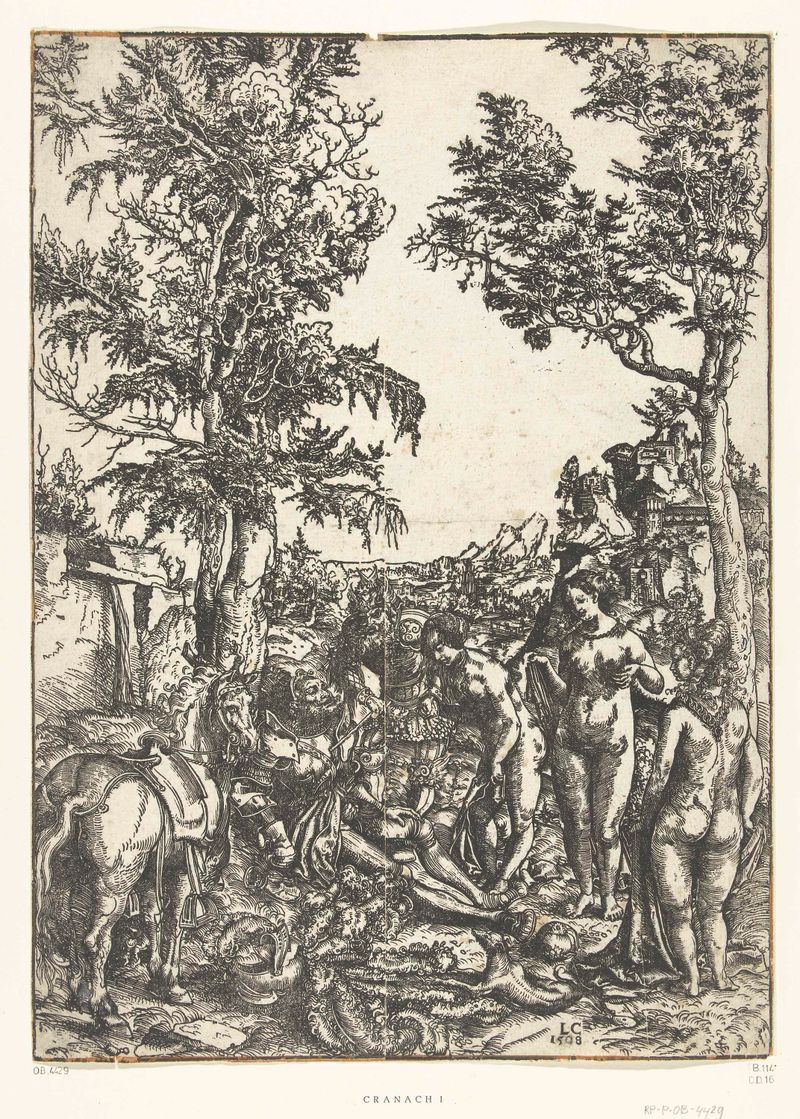
Oordeel van Paris
Lucas Cranach (I)
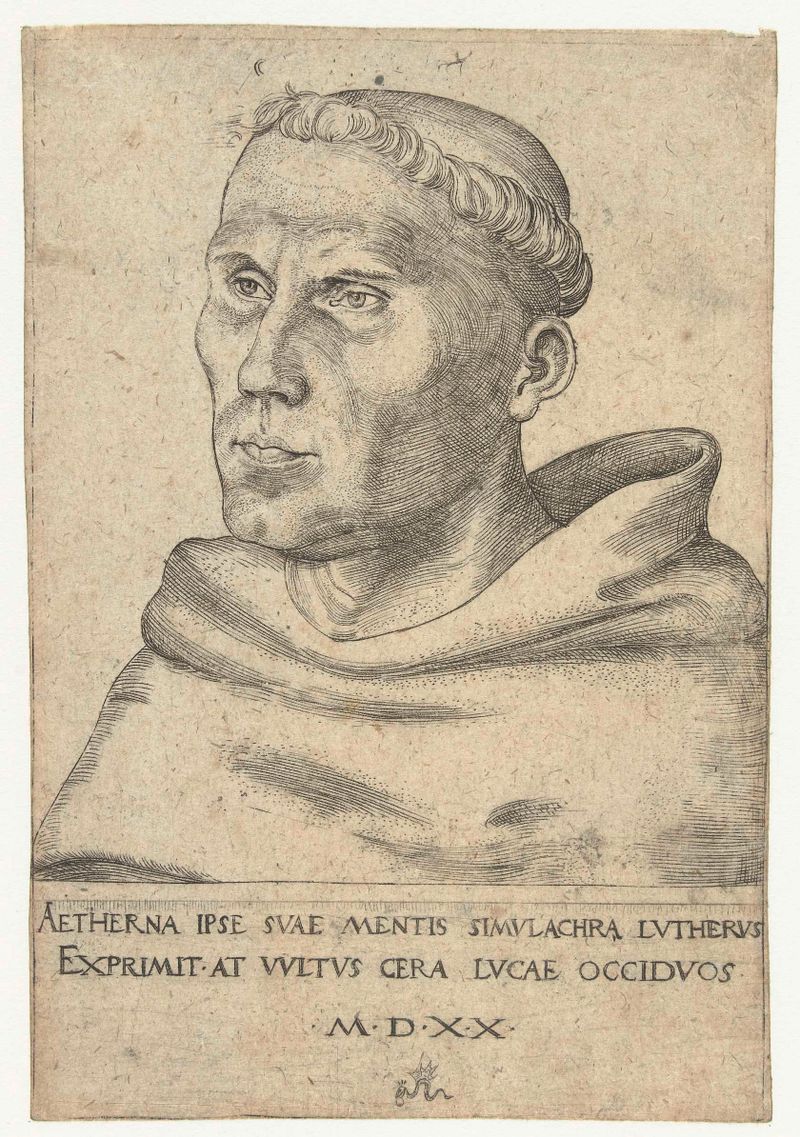
Portret van Martin Luther als Augustijner monnik
Lucas Cranach (I)
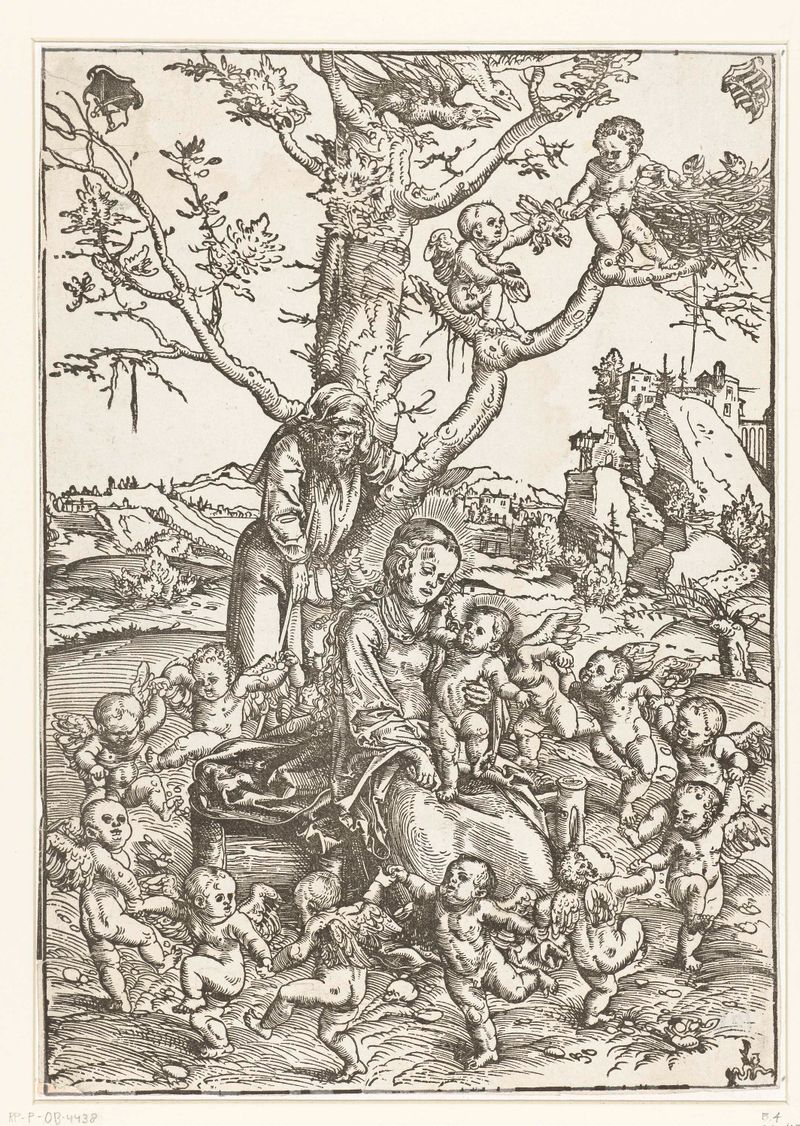
Rest on the Flight into Egypt
Lucas Cranach (I)
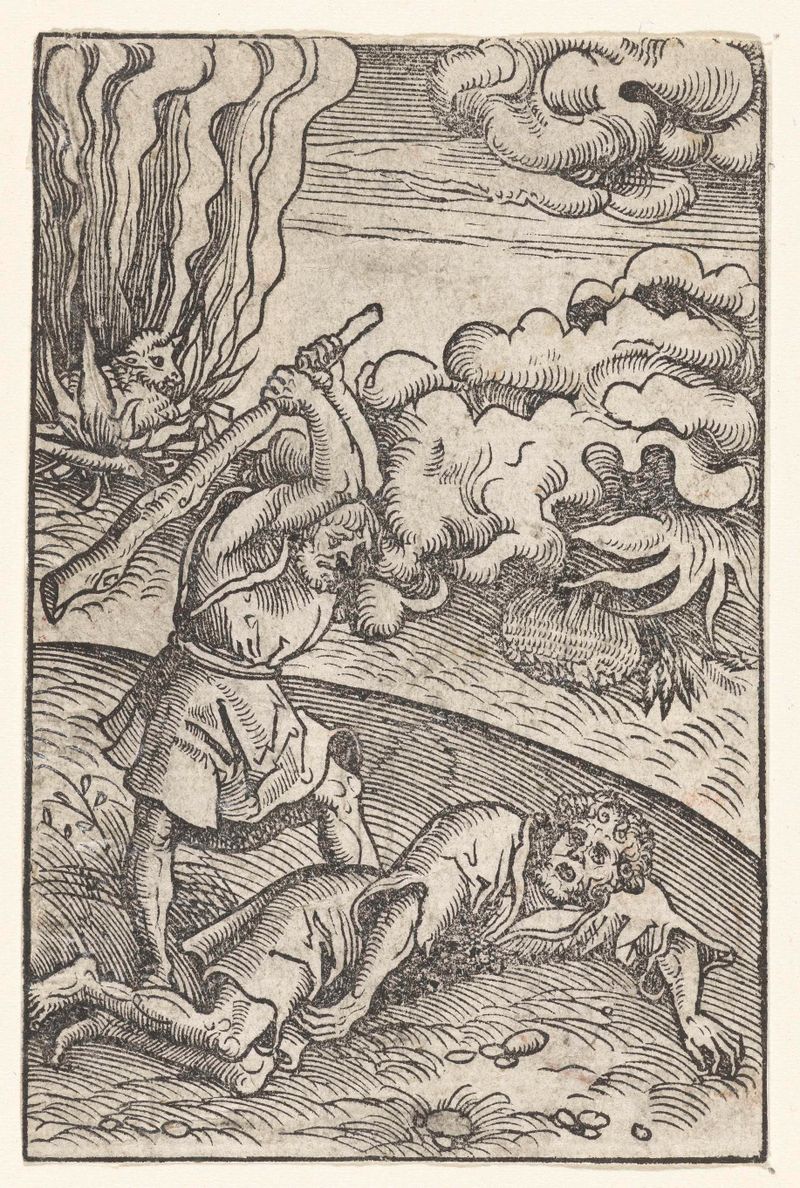
Kain slaat Abel dood met een knots
Lucas Cranach (I)
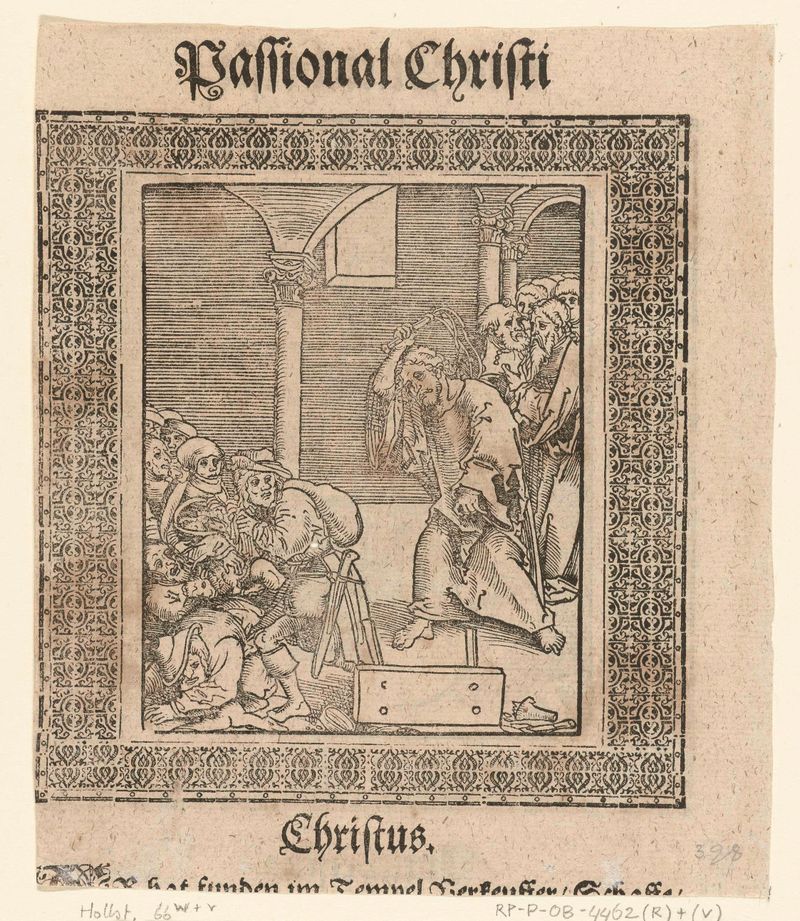
Christus verdrijft de geldwisselaars uit de tempel
Lucas Cranach (I)
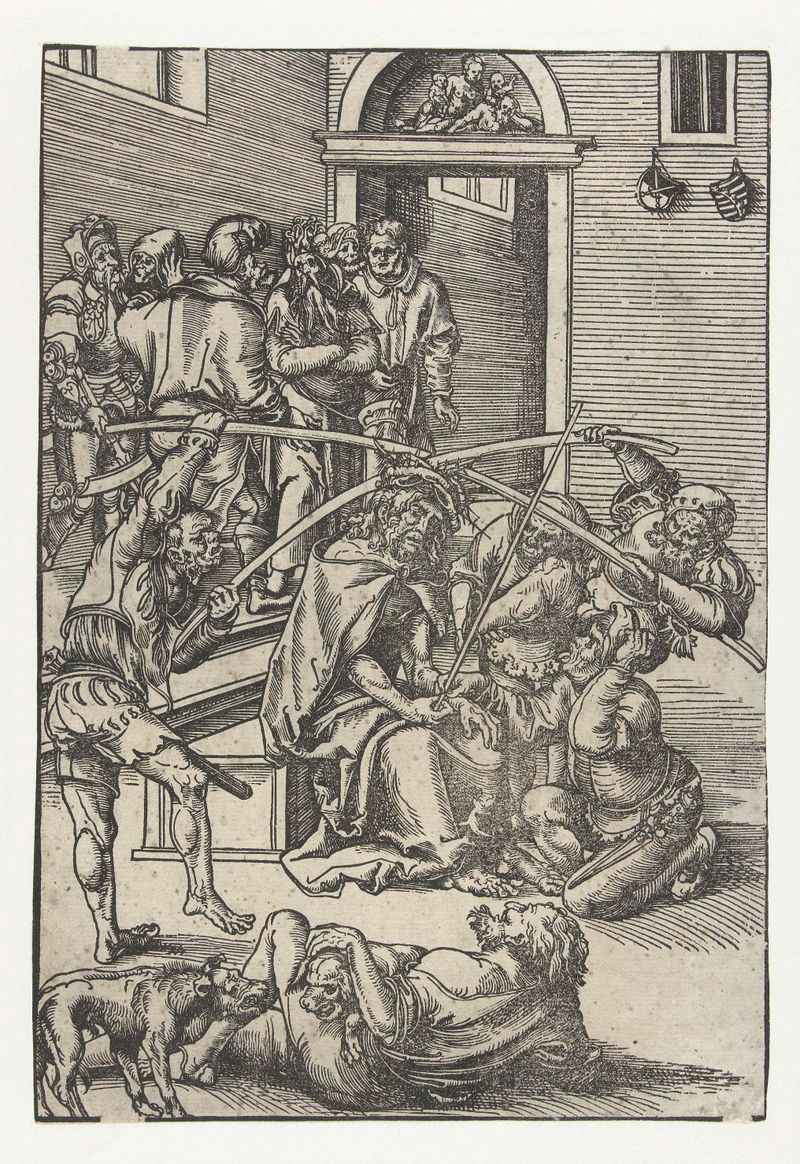
Doornenkroning
Lucas Cranach (I)
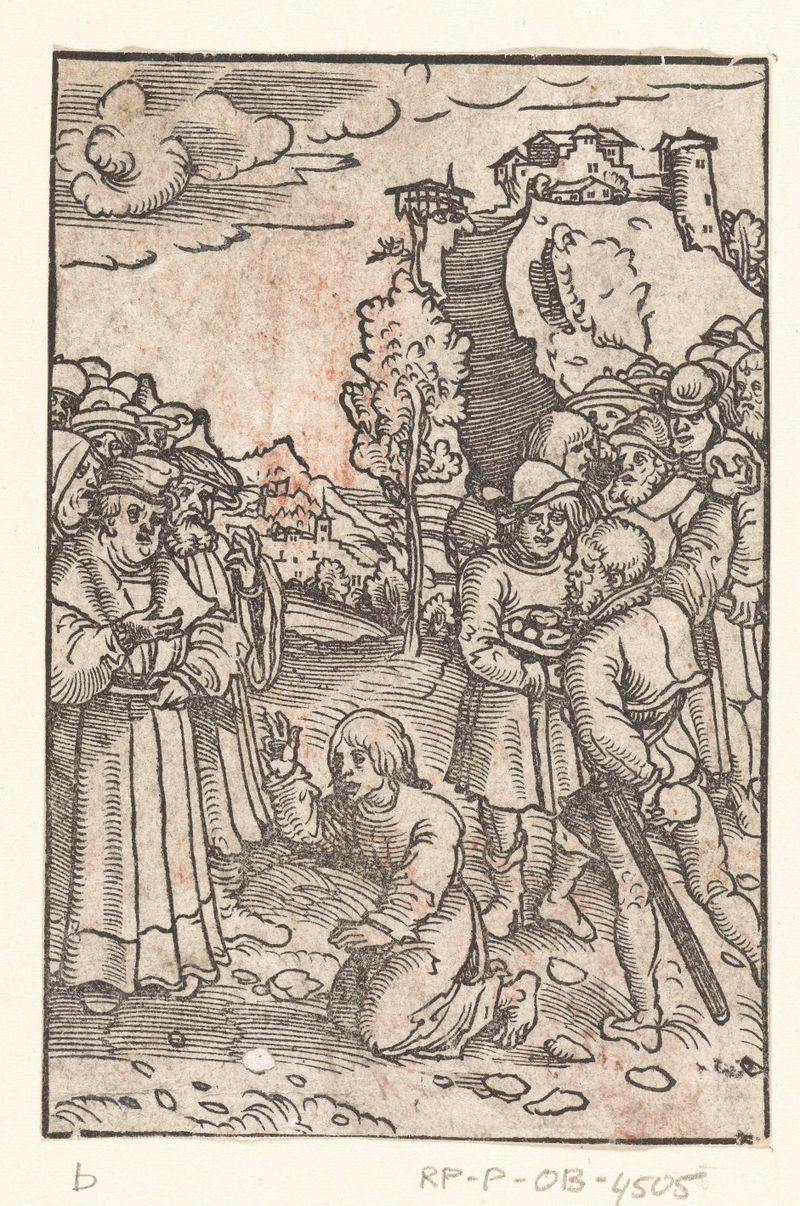
Steniging van Stefanus
Lucas Cranach (I)
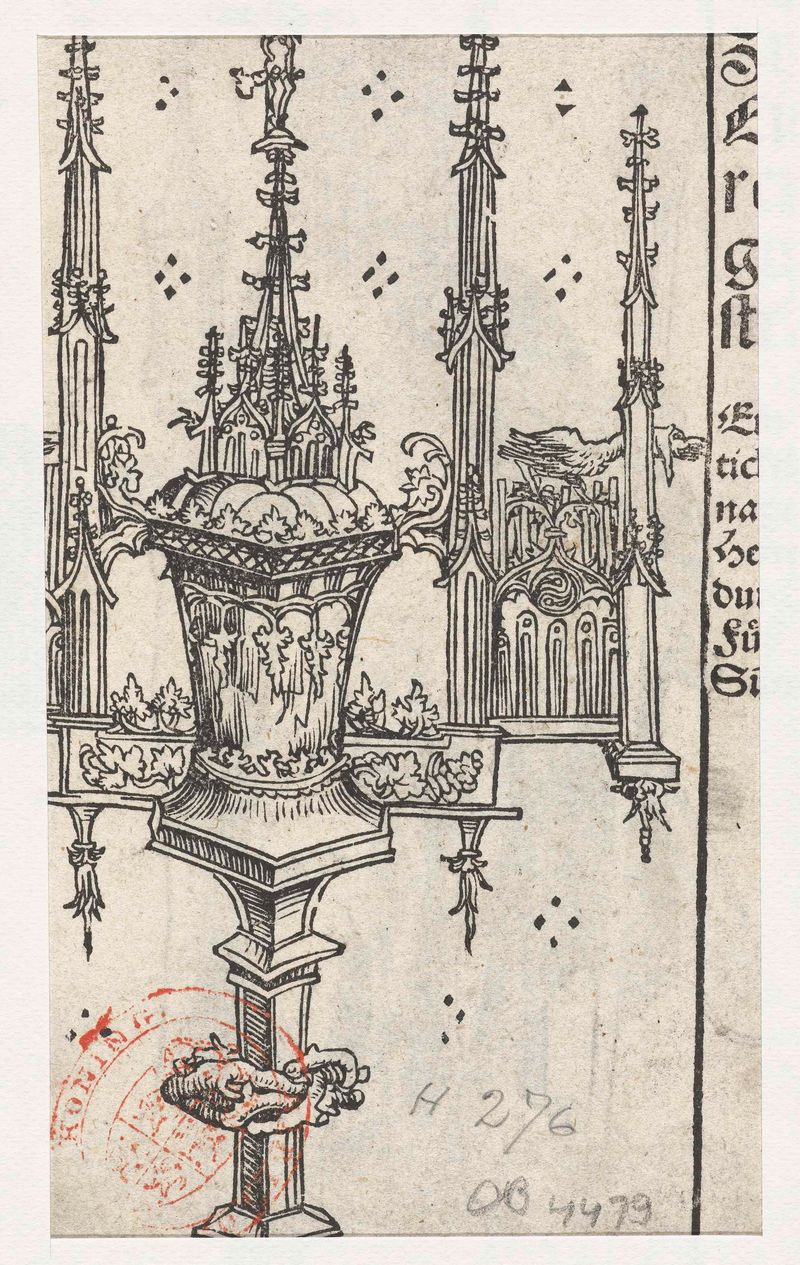
Monstrans met vogel (pelikaan)
Lucas Cranach (I)
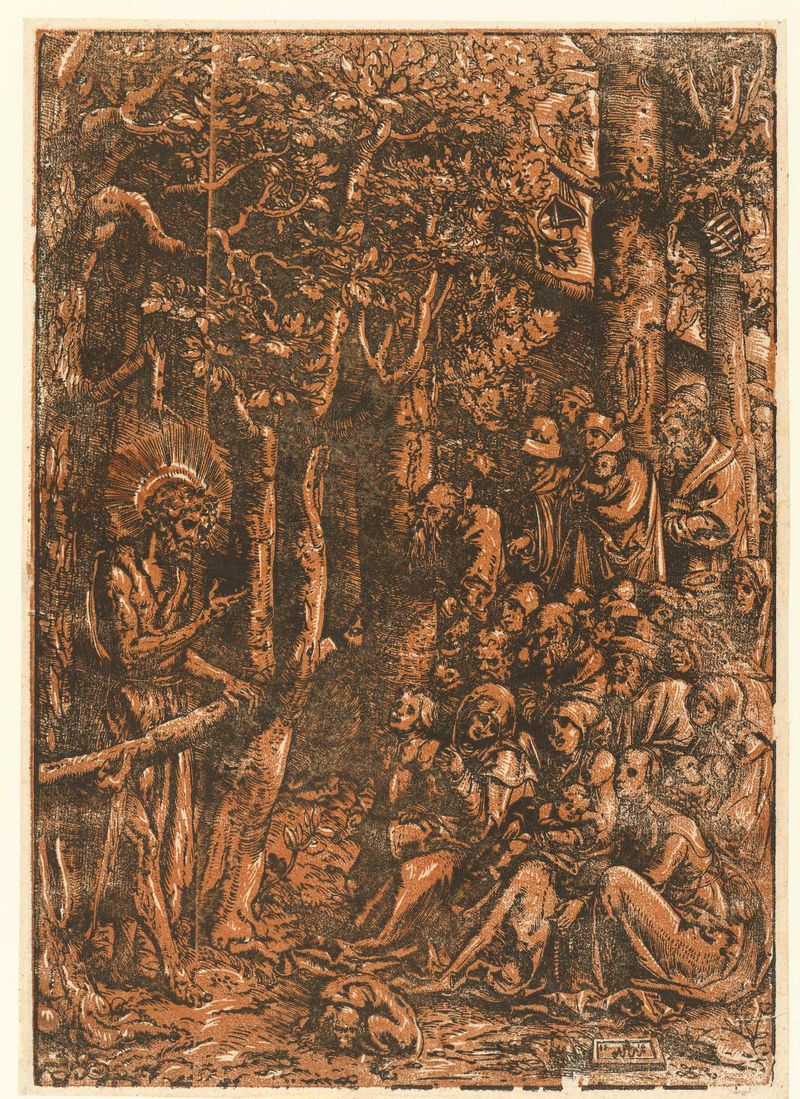
Johannes de Doper predikt tot de mensen
Lucas Cranach (I)
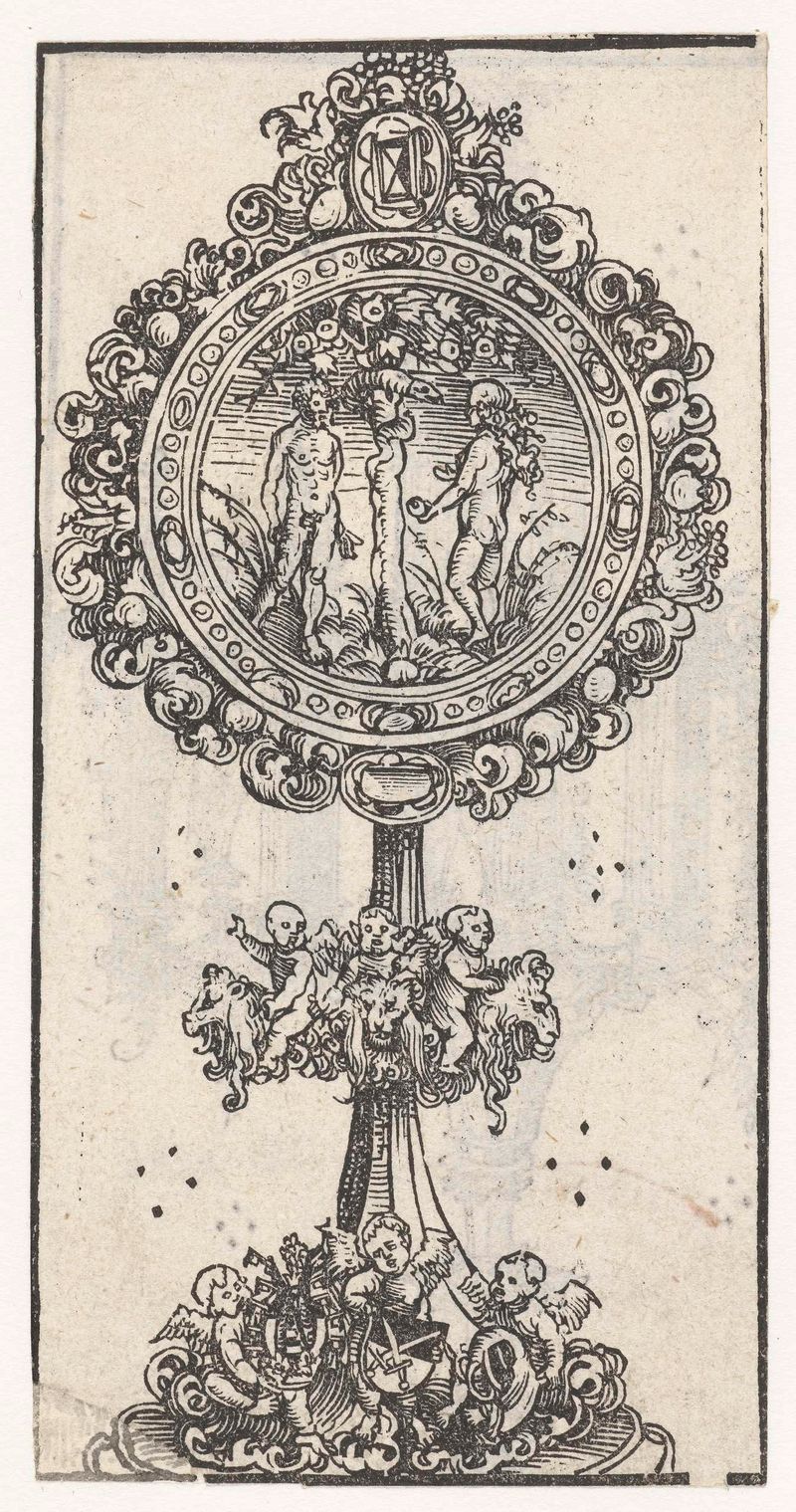
Reliekhouder met de verzoeking van Adam en Eva
Lucas Cranach (I)
More Religious Art
Browse all →
The Return of the Prodigal Son
Rembrandt van Rijn

The Garden of Earthly Delights
El Bosco

Count Orgaz’ funeral
El Greco

The Hundred Guilder Print: the central piece with Christ preaching, the plate arched
Rembrandt van Rijn

The Descent from the Cross
Rogier van der Weyden

The return of the prodigal son
Rembrandt van Rijn