
Hercules temple Pompeii — History & Facts
A hush seems to settle over the scene, as if the stones themselves are holding their breath. The eye is drawn first to the broad, shallow bowl perched atop the ancient steps—its solidity anchoring the composition, its emptiness inviting speculation. The painter’s brushwork is loose but deliberate, letting the rough textures of the ruins emerge from the soft, overgrown grass.
In the background, the mountains loom in cool, misty blues, their peaks dissolving into a sky streaked with pale light, while the remnants of a classical structure stand quietly to the right, their arches and windows now open to the elements. The palette is gentle but never dull: green and grey, punctuated by the faintest hints of pink blossoms, suggesting that even among ruins, life persists. Painted between 1898 and 1899, this work by Apollinari Mikhailovich Vasnetsov belongs to a period when artists across Europe were fascinated by the rediscovered past and the romance of ancient sites. The late nineteenth century saw a wave of archaeological curiosity, and painters like Vasnetsov responded with images that were as much meditations on time as on place.
While little is recorded about the specific journey of this painting, its presence in a Russian collection today speaks to the era’s cosmopolitan hunger for the Mediterranean’s lost worlds. The ruins of Pompeii, glimpsed here in tranquil decay, invite viewers to linger and imagine the stories these stones might tell—if only one listens closely enough.
More Artworks by Apollinari Mikhailovich Vasnetsov

Landscape With Lake
Apollinari Mikhailovich Vasnetsov
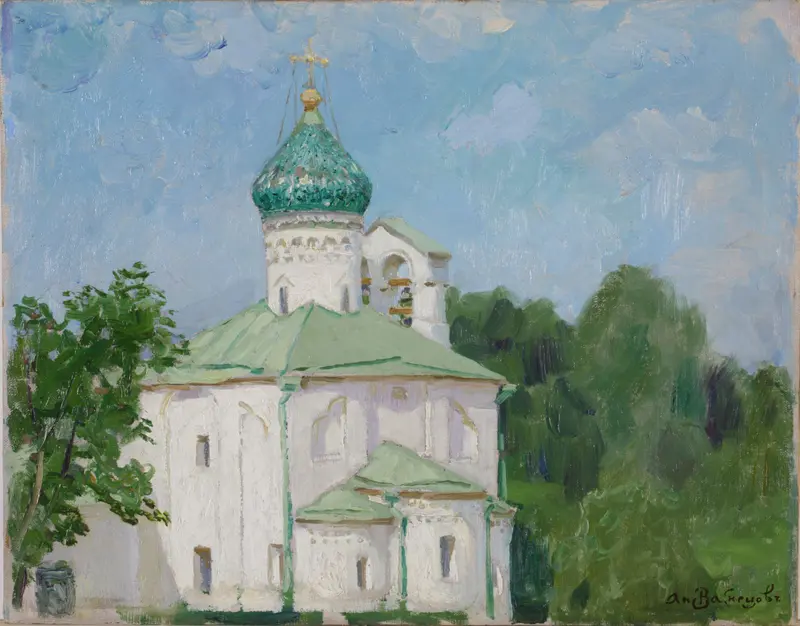
Sergius Luzhki
Apollinari Mikhailovich Vasnetsov
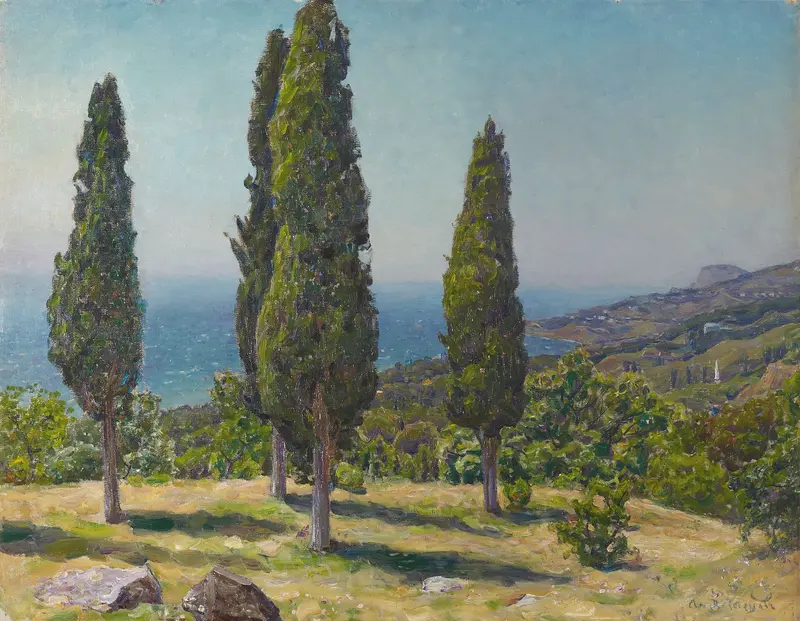
cypresses. Crimea
Apollinari Mikhailovich Vasnetsov
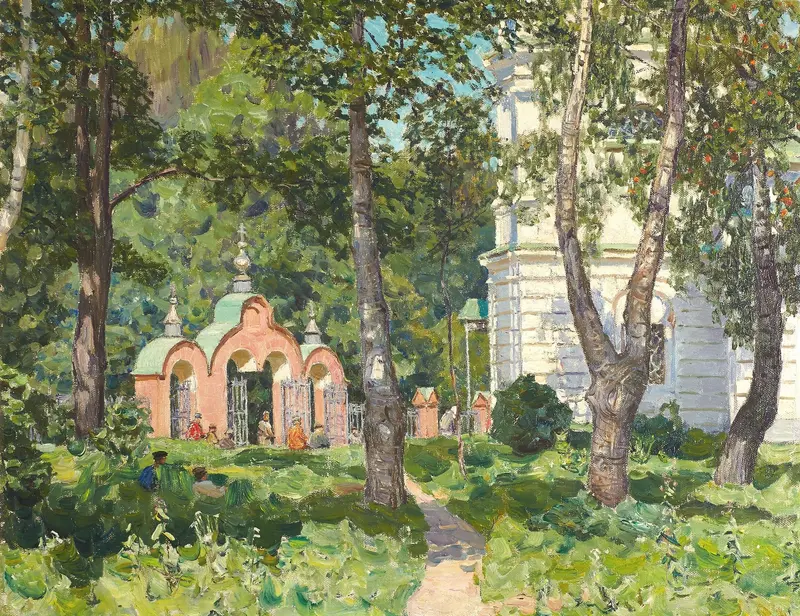
Demyanovo. At the churchyard
Apollinari Mikhailovich Vasnetsov
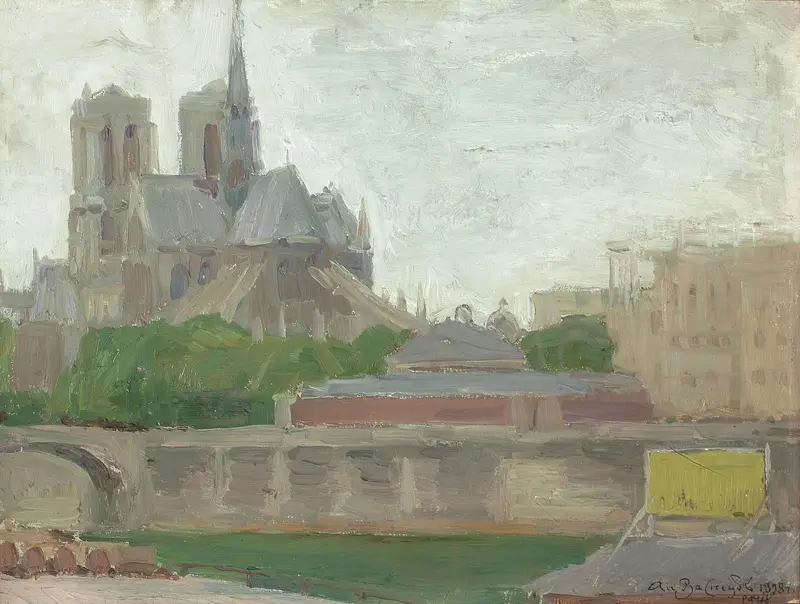
Notre Dame de Paris
Apollinari Mikhailovich Vasnetsov
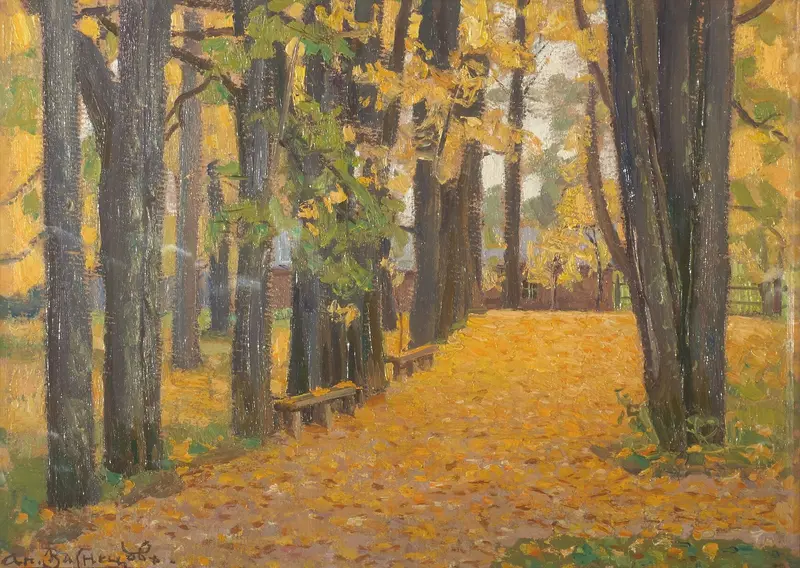
Autumn park
Apollinari Mikhailovich Vasnetsov
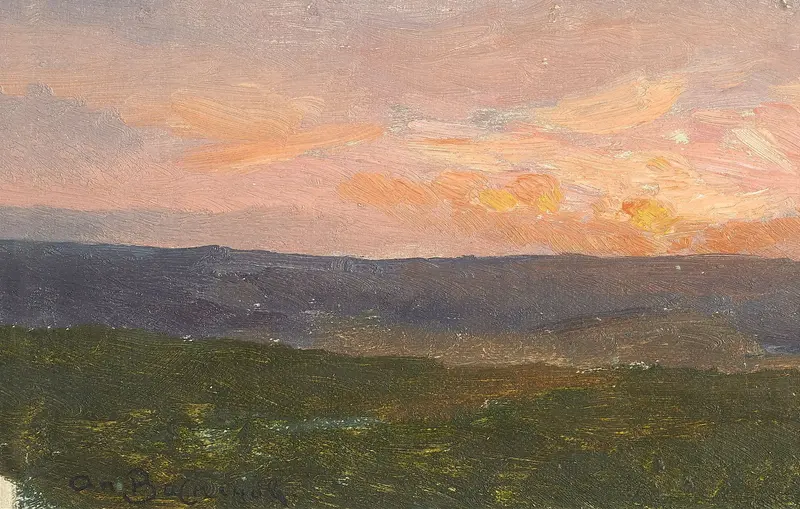
Sunset. Shurma
Apollinari Mikhailovich Vasnetsov

Via delle Tombe Pompeii
Apollinari Mikhailovich Vasnetsov
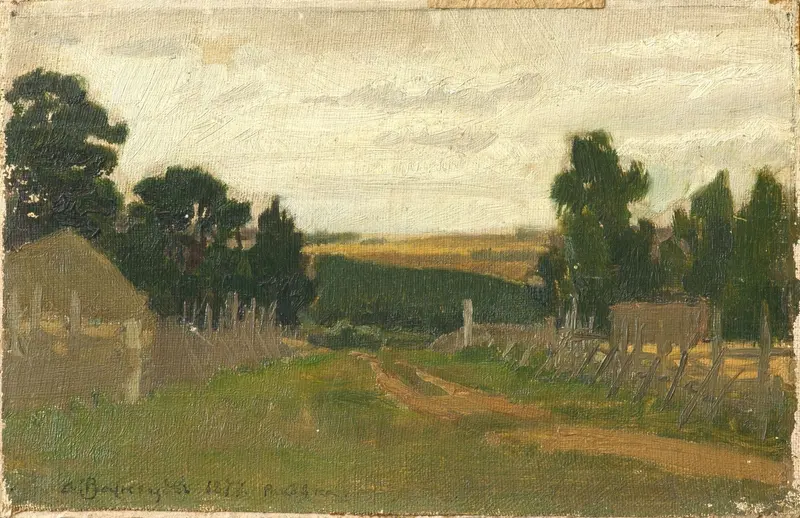
Rakovka
Apollinari Mikhailovich Vasnetsov
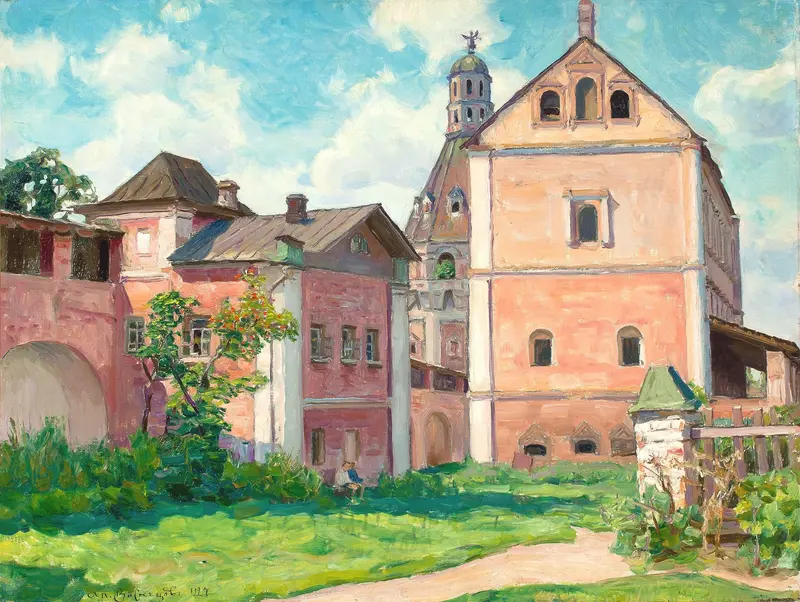
Simonov tower
Apollinari Mikhailovich Vasnetsov
More Landscape Art

The Starry Night
Vincent van Gogh

View of Delft
Johannes Vermeer

Water Lilies
Claude Monet

The Grand Canal, Venice, looking north-west from the Ca' Corner to the Ca' Contarini degli Scrigni, with the campanile of Santa Maria della Carità
Canaletto

Windsor Castle
Canaletto

The Grand Canal looking North-East from the Palazzo Dolfin-Manin to the Rialto Bridge
Canaletto