
Herodias ontvangt het hoofd van Johannes de Doper — History & Facts
What if beauty was never meant to be finished? In the haunting chiaroscuro of Herodias ontvangt het hoofd van Johannes de Doper, we find ourselves at the intersection of reverence and horror, where transformation is both celebrated and condemned. Look to the left at the stark contrast between the ethereal grace of Herodias and the grotesque severed head of John the Baptist. Dürer employs meticulous detail in Herodias's layered garments, their rich textures illuminated by the gentle light that falls upon them, enhancing her regal demeanor. The somber palette of browns and muted reds draws our gaze, while the chilling starkness of the head, placed before Herodias, disrupts any sense of tranquility.
This jarring juxtaposition elevates the scene from mere representation to a complex commentary on power, sacrifice, and the duality of beauty. Deeper insights reside within the expressions of the figures. Herodias, poised and seductive, embodies the allure of ambition, her gaze fixed confidently yet contemptuously upon her prize. In contrast, the head, devoid of life, speaks of the tragic consequences of desire and vengeance.
The tension between Herodias's calm exterior and the raw agony of the severed head reflects the transformation of identity—how ambition can metamorphose into a grotesque form that bears the weight of moral decay. Dürer painted this work in 1511, during a period marked by his exploration of human emotion and intricate detail. Living in Nuremberg, he was at the forefront of the Northern Renaissance, where the interplay of art, religion, and politics shaped his vision. This painting not only illustrates a biblical tale but also reveals Dürer’s engagement with themes of transformation, presenting beauty intertwined with the grotesque in a world grappling with its own tumultuous change.
More Artworks by Albrecht Dürer
Browse all →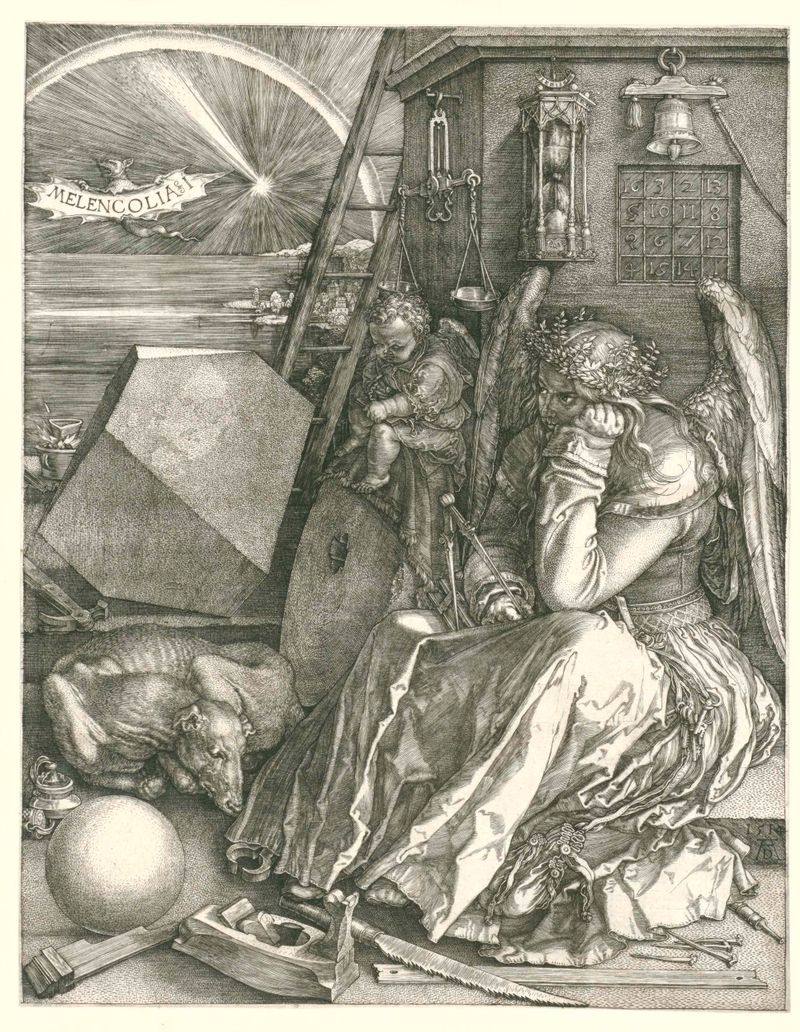
Melancholia
Albrecht Dürer
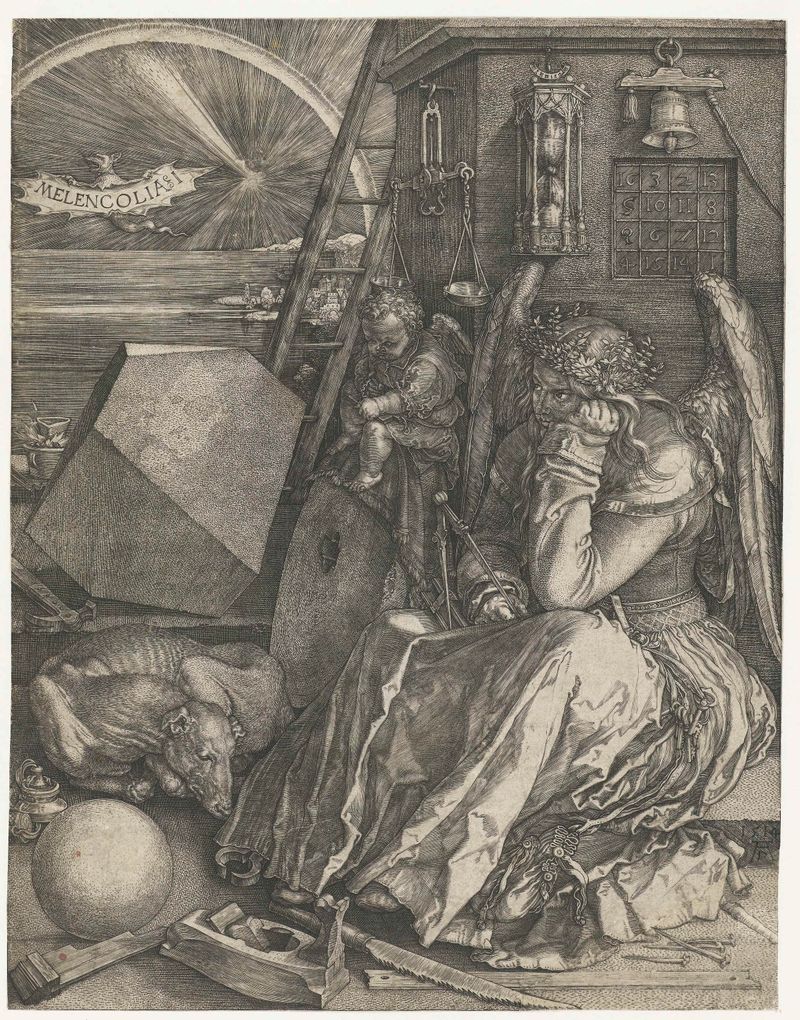
Melancholie
Albrecht Dürer
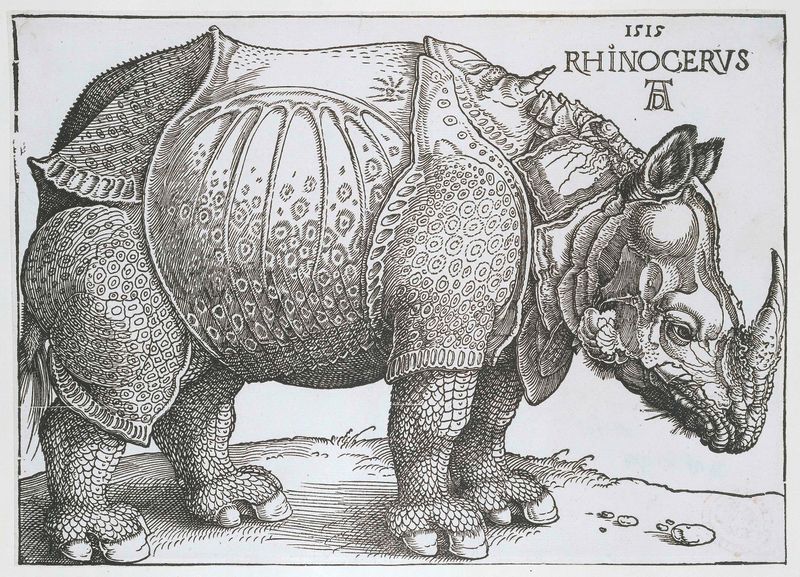
Neushoorn
Albrecht Dürer
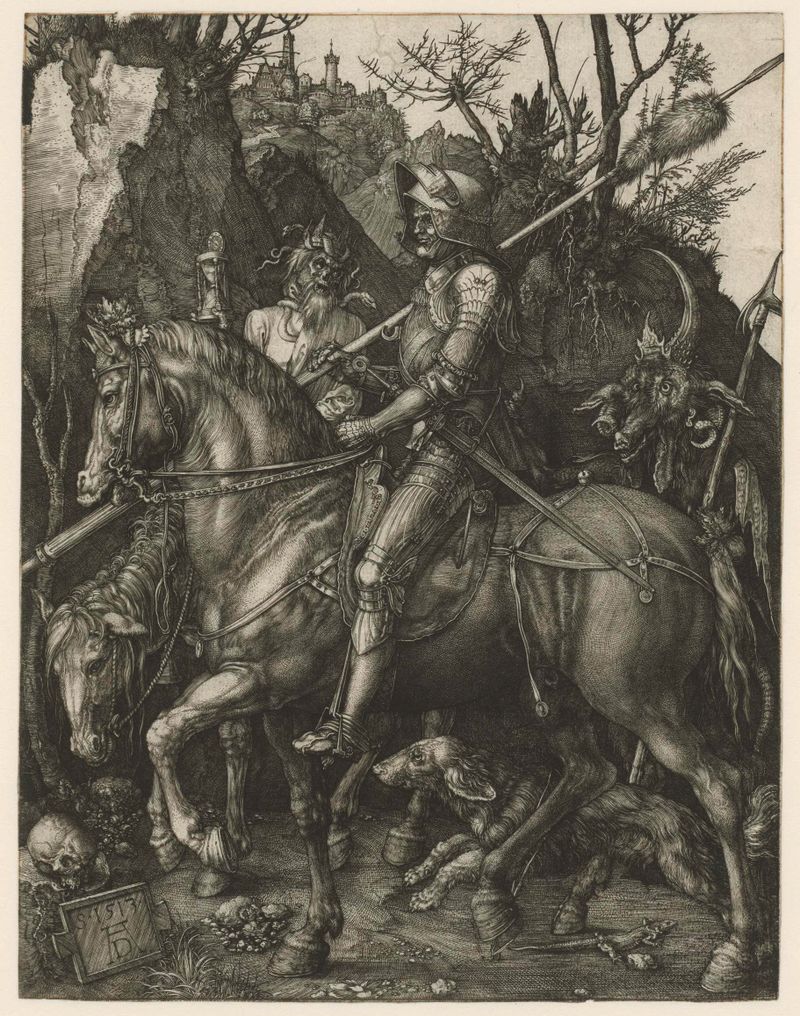
Knight, Death, and the Devil
Albrecht Dürer

De vier ruiters van de apocalyps
Albrecht Dürer

De vier ruiters van de apocalyps
Albrecht Dürer
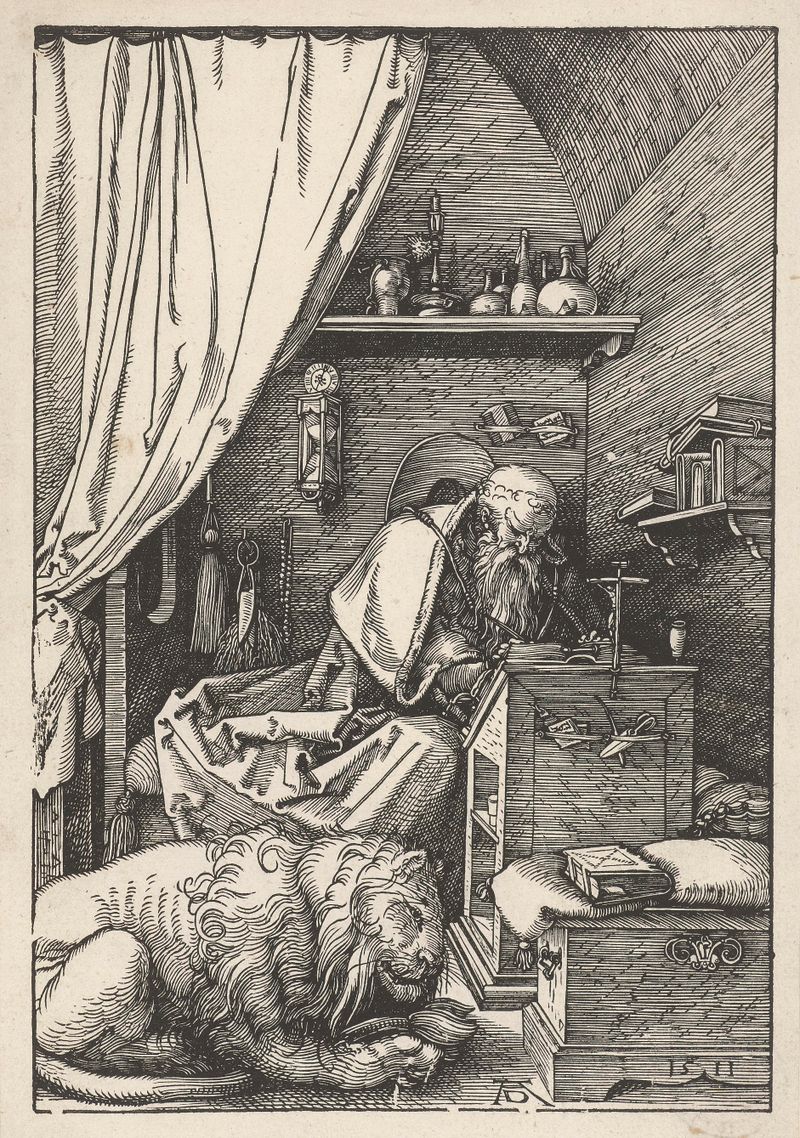
De Heilige Hiëronymus in zijn studeervertrek
Albrecht Dürer
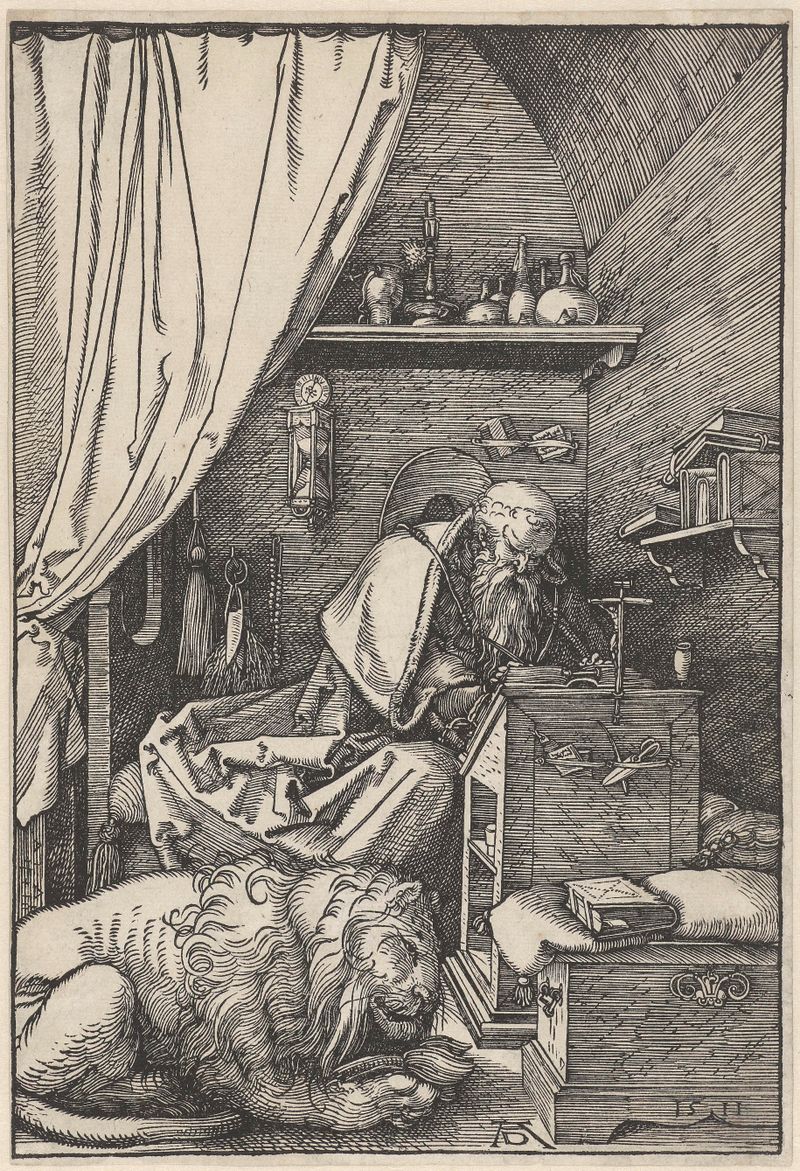
De Heilige Hiëronymus in zijn studeervertrek
Albrecht Dürer
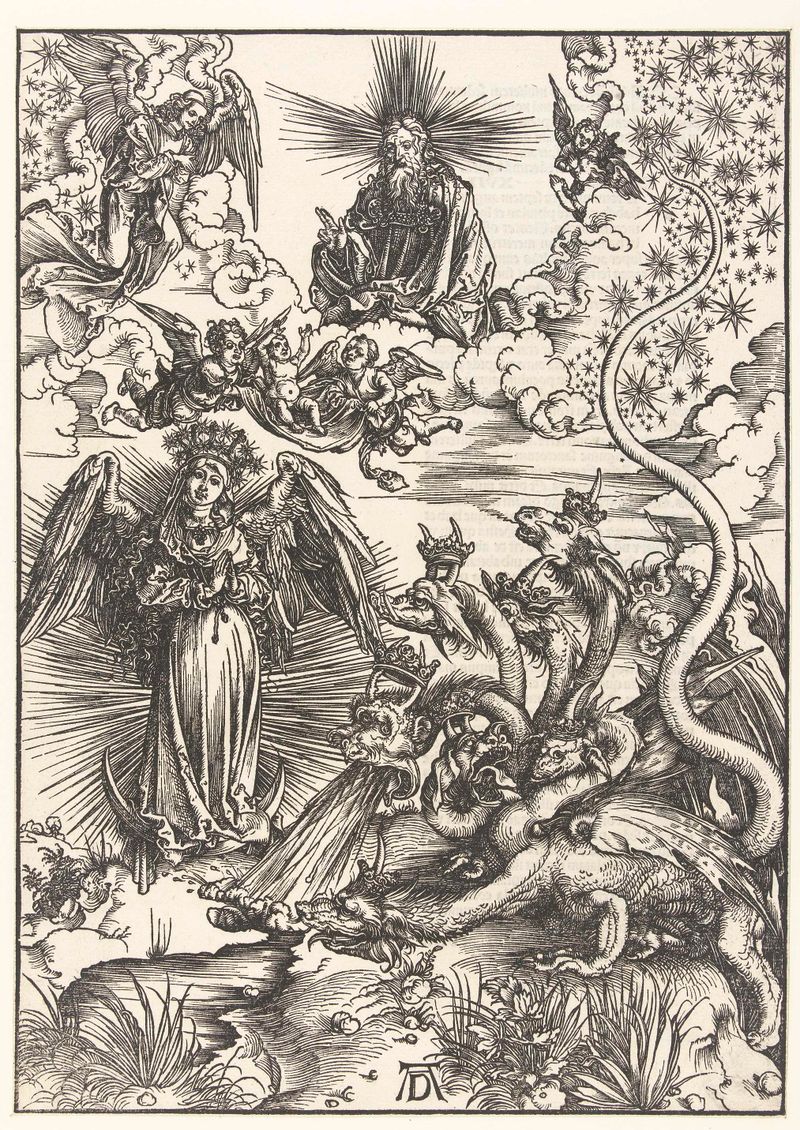
De apocalyptische vrouw en de zevenkoppige draak
Albrecht Dürer
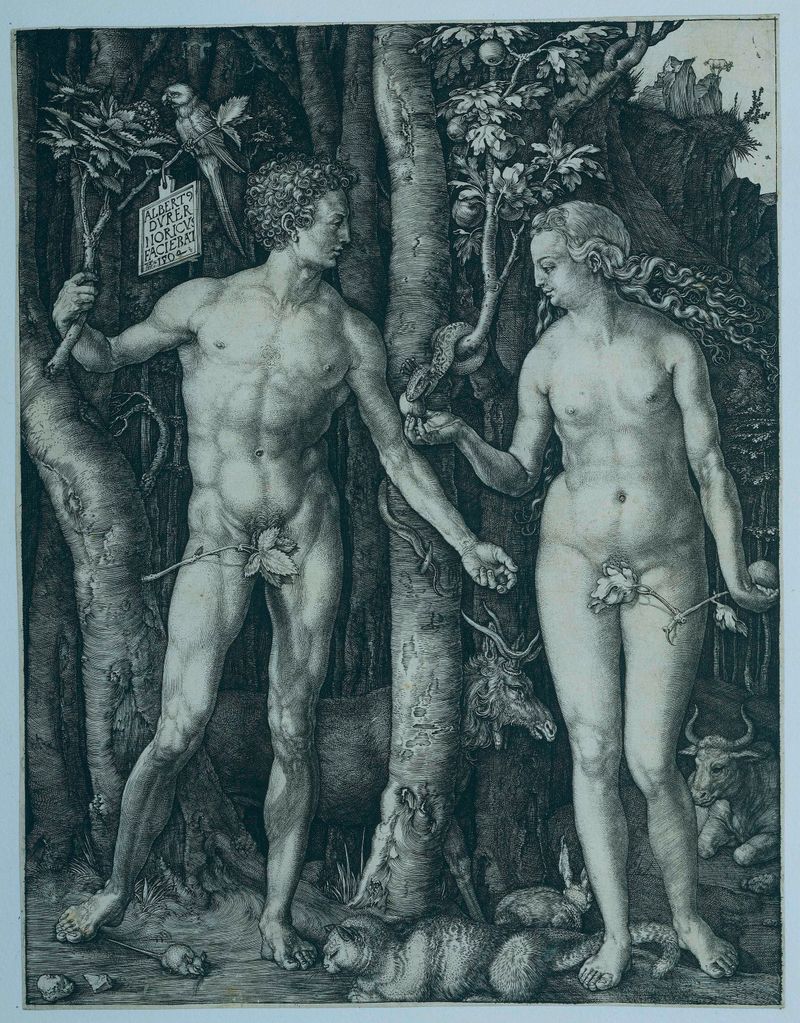
Adam en Eva
Albrecht Dürer
More Religious Art
Browse all →
The Return of the Prodigal Son
Rembrandt van Rijn

The Garden of Earthly Delights
El Bosco

Count Orgaz’ funeral
El Greco

The Hundred Guilder Print: the central piece with Christ preaching, the plate arched
Rembrandt van Rijn

The Descent from the Cross
Rogier van der Weyden

The return of the prodigal son
Rembrandt van Rijn