
Het martelaarschap van de Heilige Catharina — History & Facts
In Het martelaarschap van de Heilige Catharina, the tumult of a tragic tale is transformed into an exquisite tapestry of beauty, inviting the viewer to ponder the depths of sacrifice and faith. Look to the center of the composition where the saint stands, enveloped in a serene glow, her poised figure contrasting sharply with the tumult around her. The rich colors of her garments—deep reds and blues—draw the eye, while the intricate details of the surrounding figures, each caught in varied states of despair and fervor, create a dynamic interplay of emotion. Notice how the light, skillfully rendered, illuminates her face, enhancing her tranquility amidst the chaos, serving as a poignant reminder of her steadfast spirit. The artist weaves profound themes of faith and martyrdom throughout the work.
The interplay between the serene expression of Saint Catherine and the anguished visages of her executioners captures a moment of intense emotional tension. Furthermore, the intricate patterns and textures of the drapery symbolize the complex layers of human experience, suggesting that beauty and suffering often coexist. As the viewer, one cannot help but reflect on the dualities of existence—grace amid grief, and hope amid despair. Created between 1496 and 1500 in Nuremberg, this piece emerged during a period of great personal and artistic exploration for Dürer.
At this time, he was establishing himself as a master of printmaking and painting, navigating the evolving landscape of the Northern Renaissance. His engagement with humanist ideals and religious themes captured the shifting sentiments of a society grappling with faith and reason, marking a significant evolution in artistic expression.
More Artworks by Albrecht Dürer
Browse all →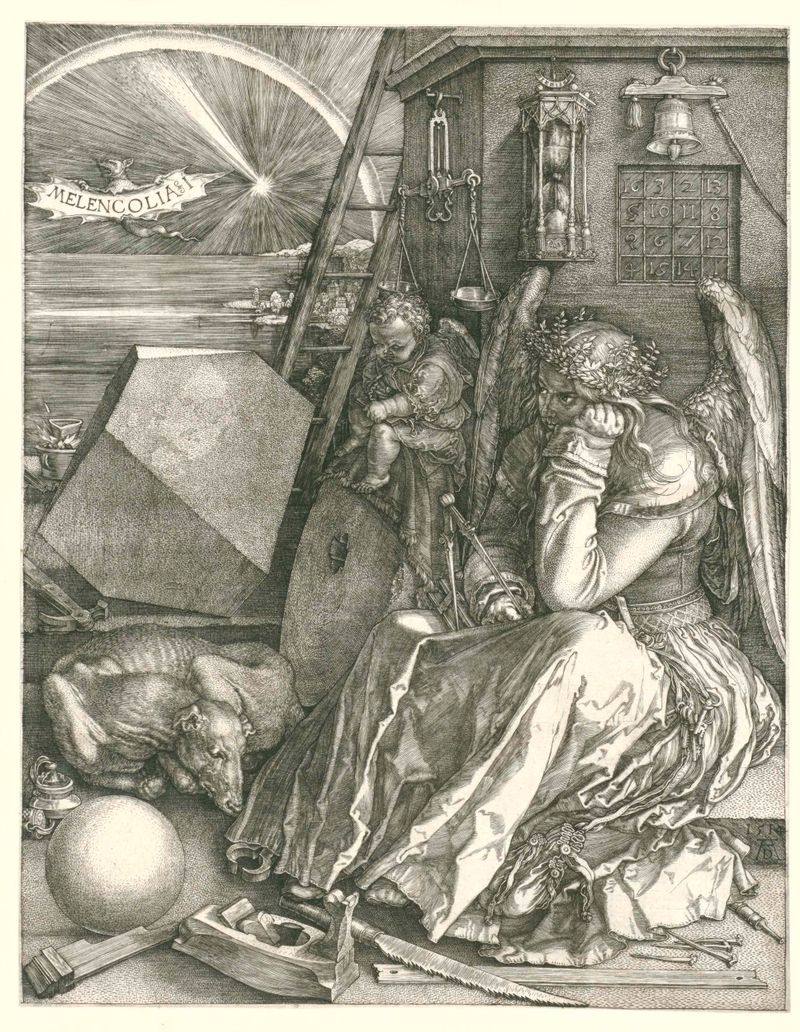
Melancholia
Albrecht Dürer
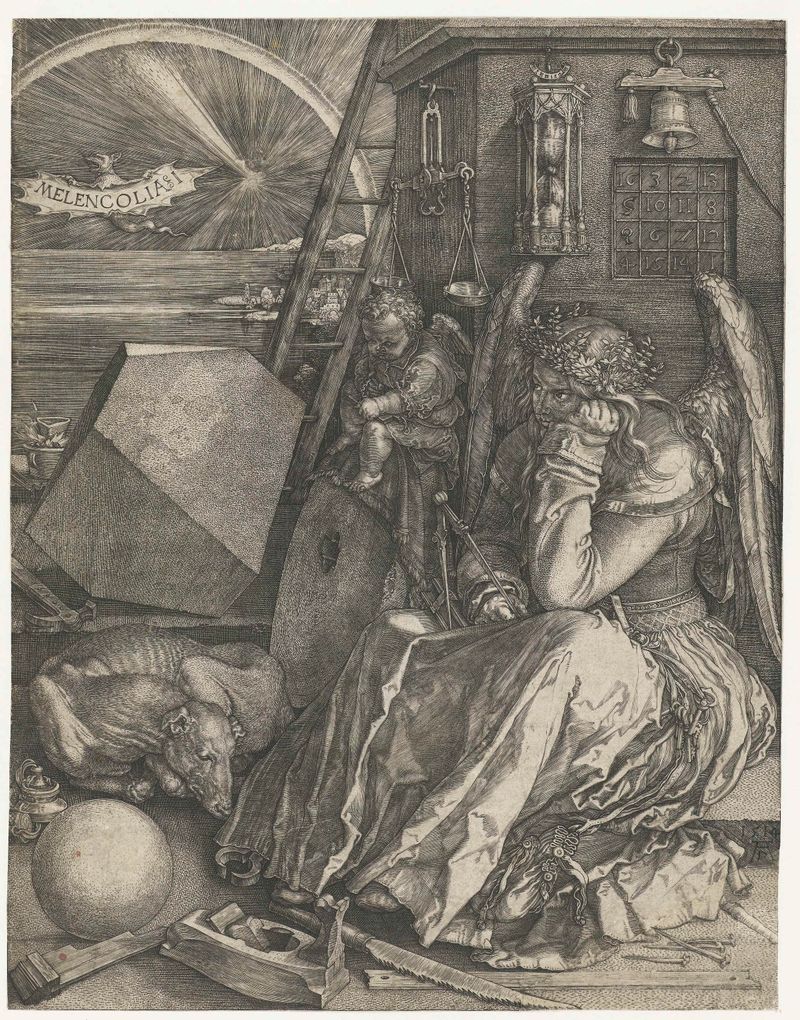
Melancholie
Albrecht Dürer
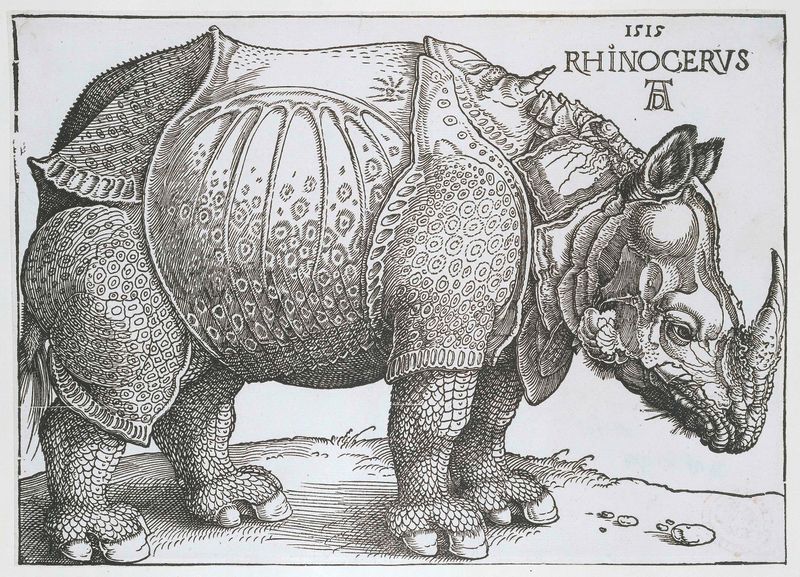
Neushoorn
Albrecht Dürer
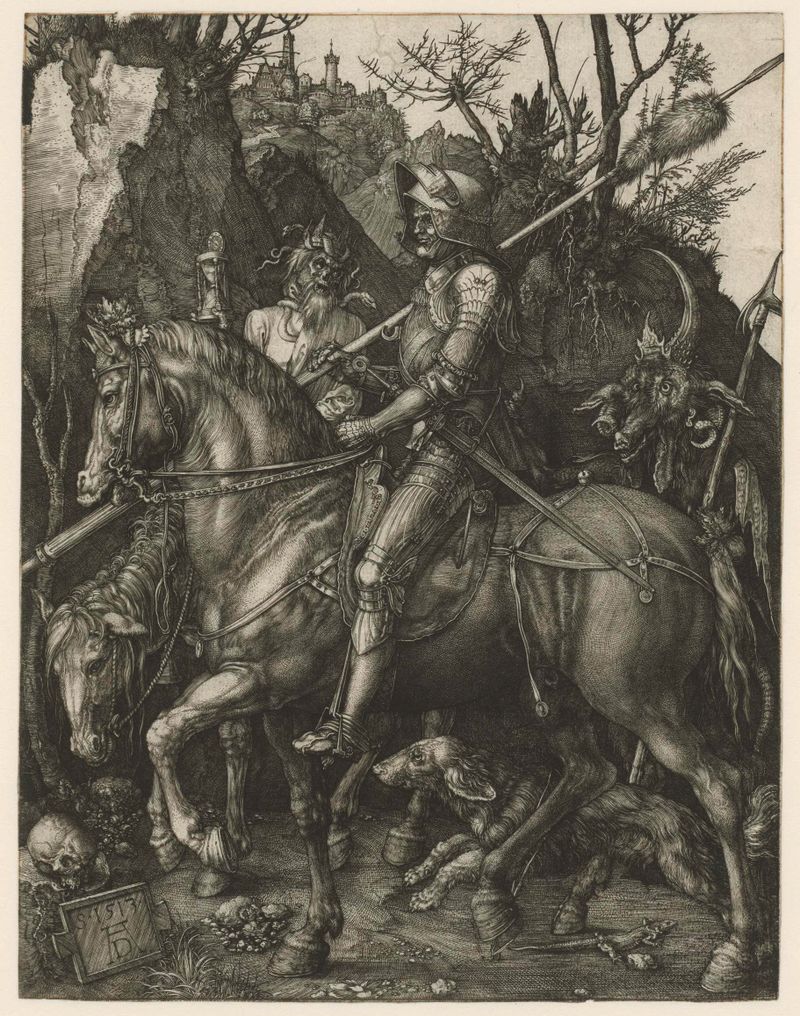
Knight, Death, and the Devil
Albrecht Dürer

De vier ruiters van de apocalyps
Albrecht Dürer

De vier ruiters van de apocalyps
Albrecht Dürer
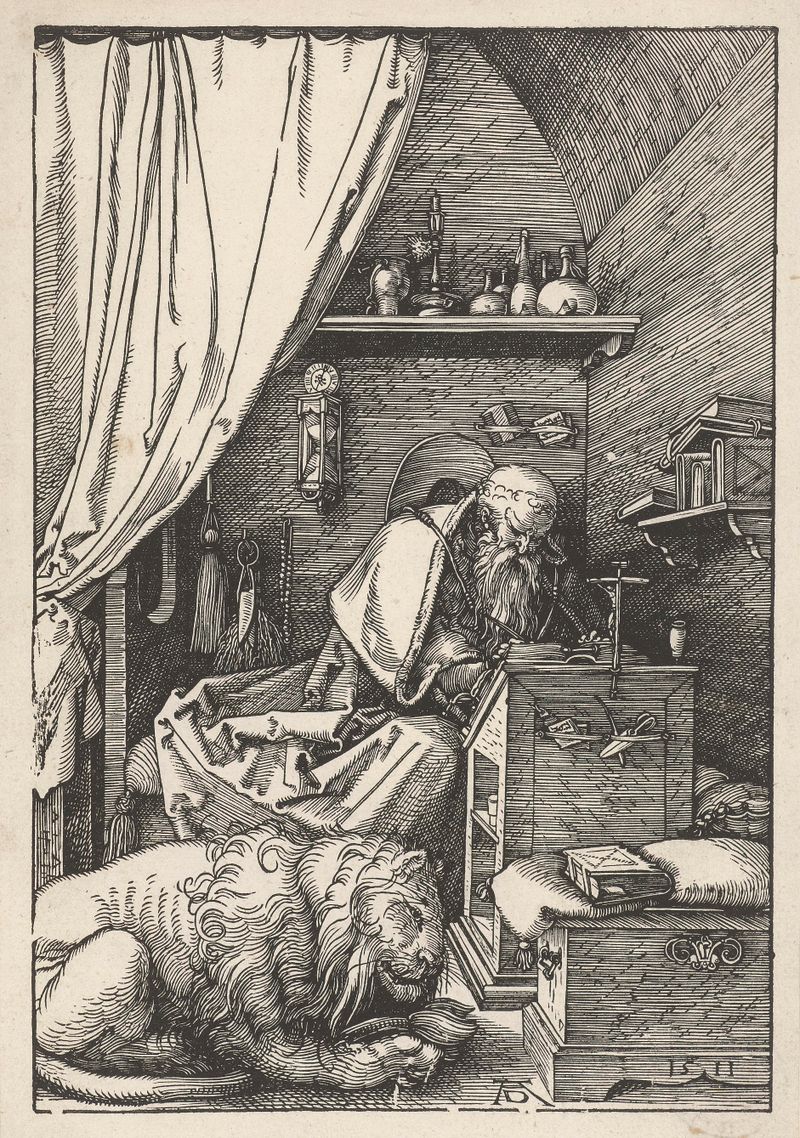
De Heilige Hiëronymus in zijn studeervertrek
Albrecht Dürer
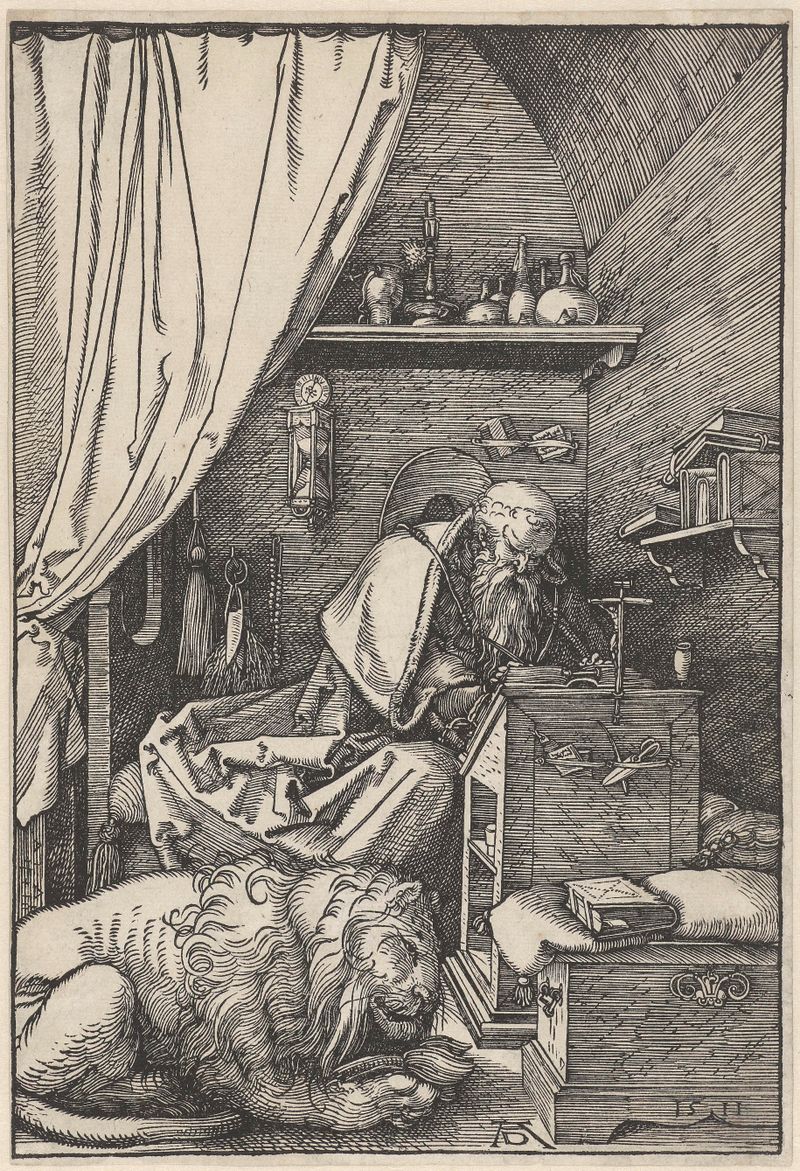
De Heilige Hiëronymus in zijn studeervertrek
Albrecht Dürer
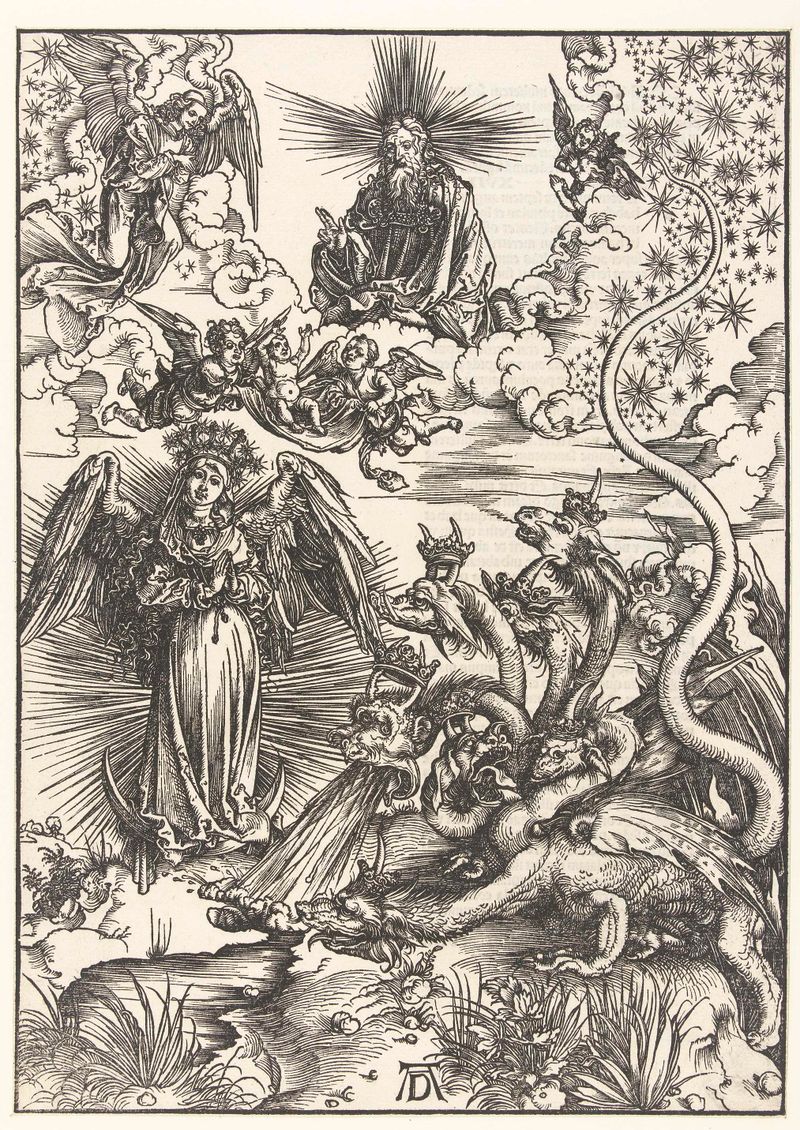
De apocalyptische vrouw en de zevenkoppige draak
Albrecht Dürer
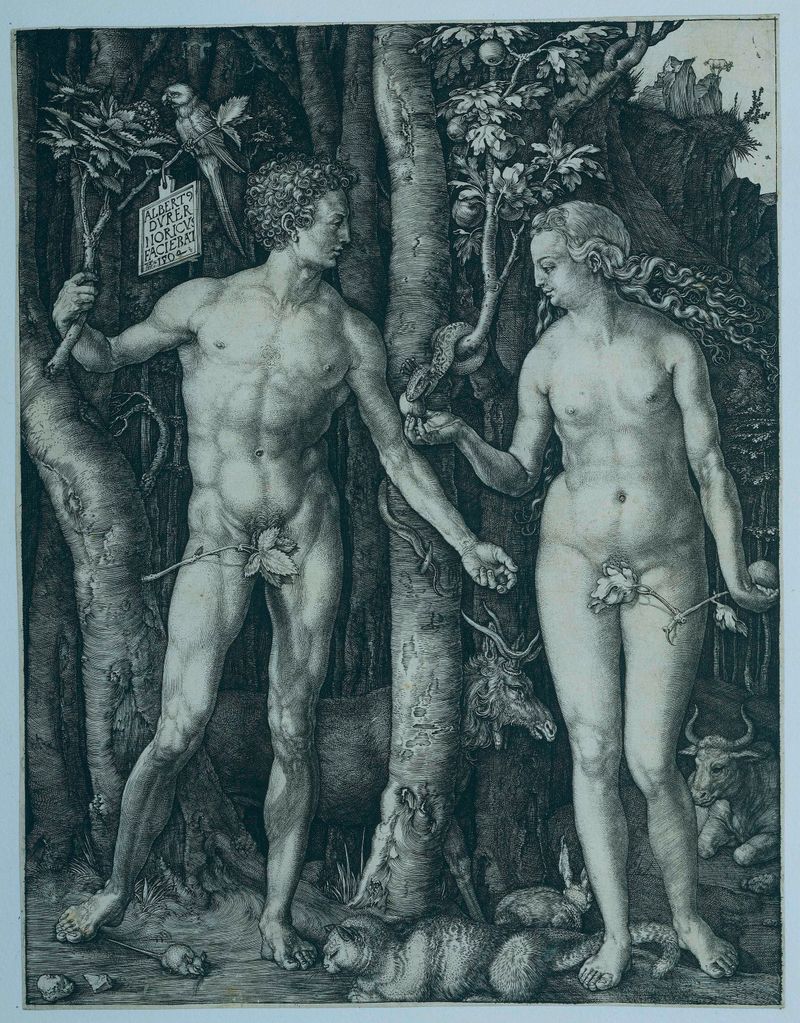
Adam en Eva
Albrecht Dürer
More Religious Art
Browse all →
The Return of the Prodigal Son
Rembrandt van Rijn

The Garden of Earthly Delights
El Bosco

Count Orgaz’ funeral
El Greco

The Hundred Guilder Print: the central piece with Christ preaching, the plate arched
Rembrandt van Rijn

The Descent from the Cross
Rogier van der Weyden

The return of the prodigal son
Rembrandt van Rijn