
Het martelaarschap van Johannes de Evangelist — History & Facts
Did the painter know this moment would outlive them? In a world where fear often blazes like a wildfire, the struggle between faith and persecution echoes throughout history, reverberating to this day. Look to the center of the composition, where the figure of John the Evangelist stands resolute, a compelling contrast to the chaotic scene unfolding around him. The artist employs a rich palette of deep reds and somber browns, evoking a sense of impending doom, while the stark light illuminates John's face, capturing a moment of both defiance and vulnerability. The meticulous attention to detail in the textures of the clothing and the almost palpable tension in the expressions of surrounding figures guides the viewer's eye to the complexities of this martyrdom. As you absorb the imagery, notice how the figures surrounding John appear to oscillate between aggression and desperation.
Each face tells a story — some are twisted in rage, while others reflect horror and disbelief. This juxtaposition fosters a dialogue about the broader human experience of fear, faith, and sacrifice, suggesting that the ultimate act of martyrdom is not just in the physical realm but resonates within the emotional landscape of belief and doubt. Created between 1496 and 1497, this work emerged during a transformative moment in Albrecht Dürer’s life. He had returned to Nuremberg after a transformative journey to Italy, deeply influenced by the Renaissance's revolutionary ideas.
The tensions of religious reform were building across Europe, and the artist's engagement with themes of faith was both a reflection of his time and a personal exploration, positioning him as a pivotal figure in the evolution of Northern Renaissance art.
More Artworks by Albrecht Dürer
Browse all →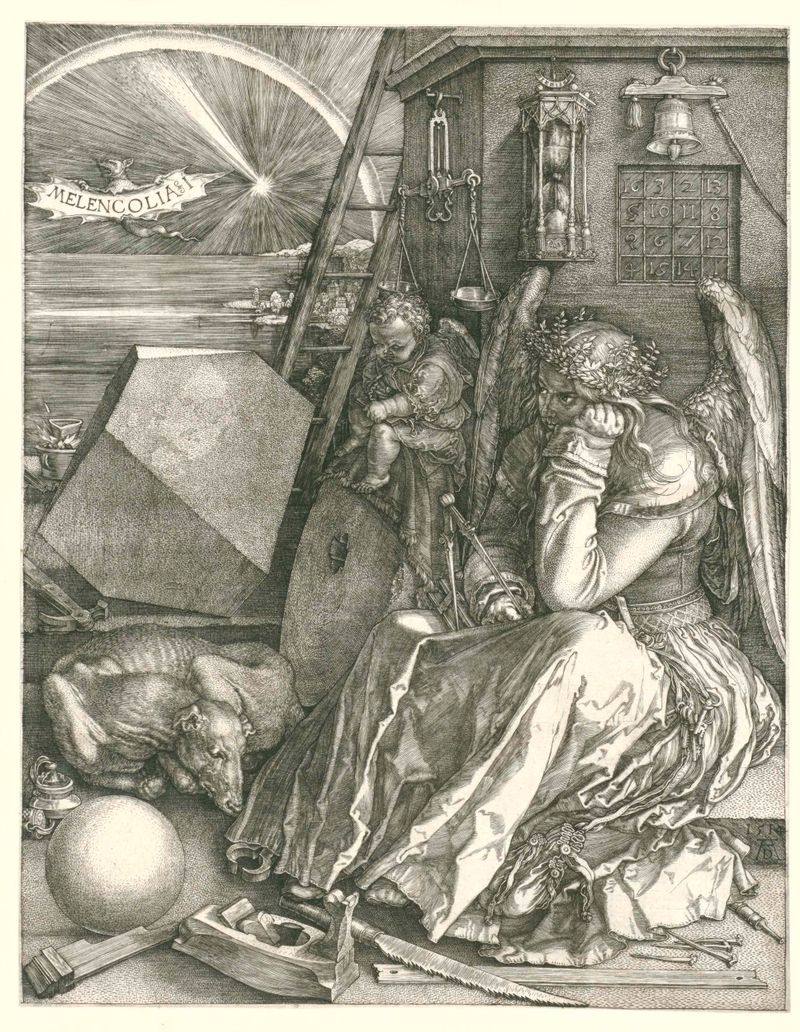
Melancholia
Albrecht Dürer
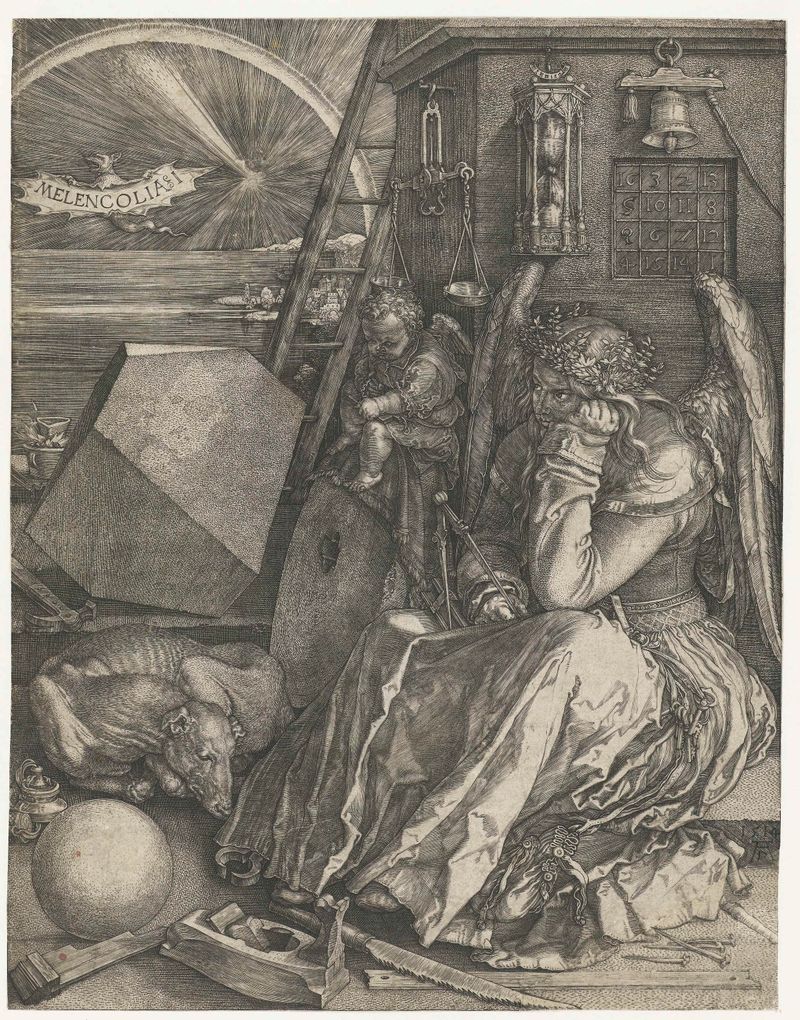
Melancholie
Albrecht Dürer

Neushoorn
Albrecht Dürer
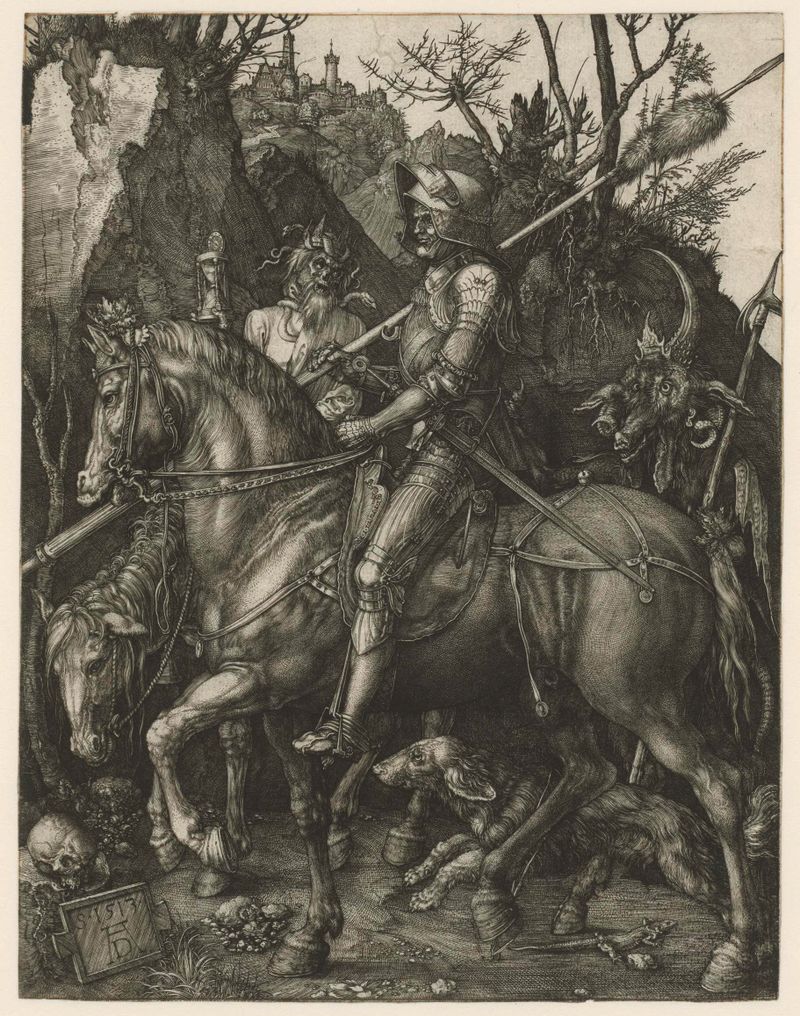
Knight, Death, and the Devil
Albrecht Dürer

De vier ruiters van de apocalyps
Albrecht Dürer

De vier ruiters van de apocalyps
Albrecht Dürer
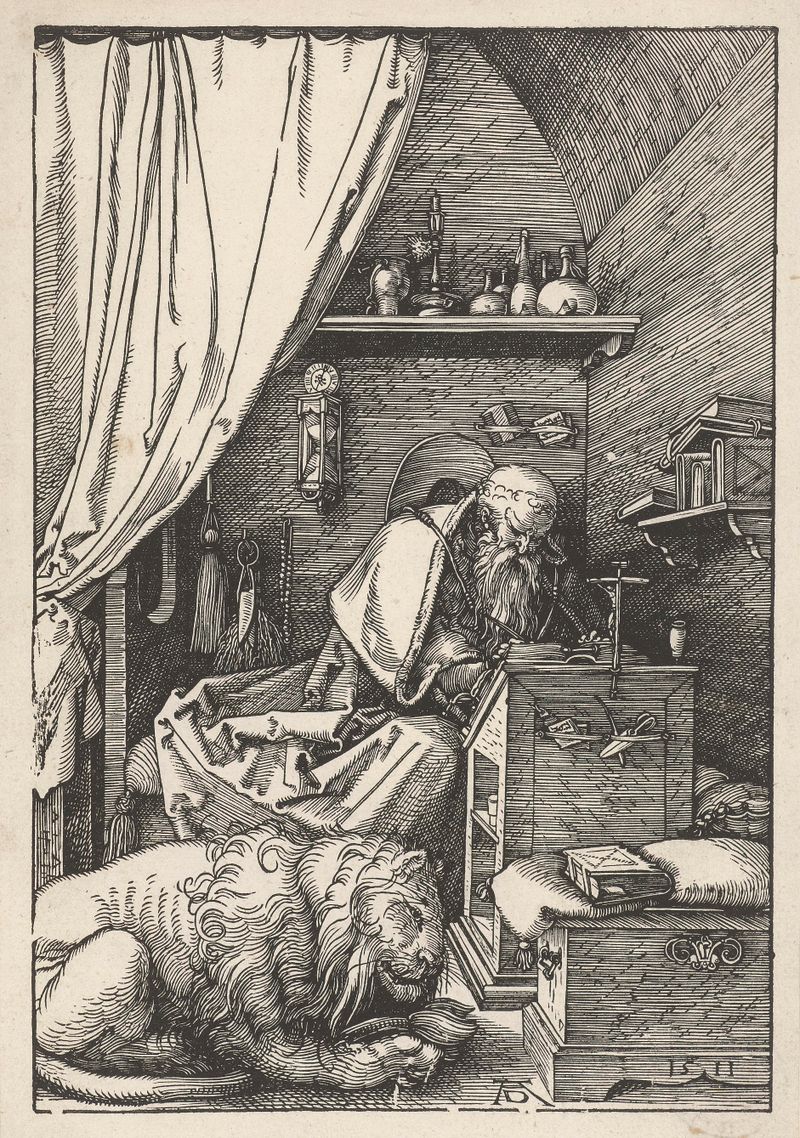
De Heilige Hiëronymus in zijn studeervertrek
Albrecht Dürer
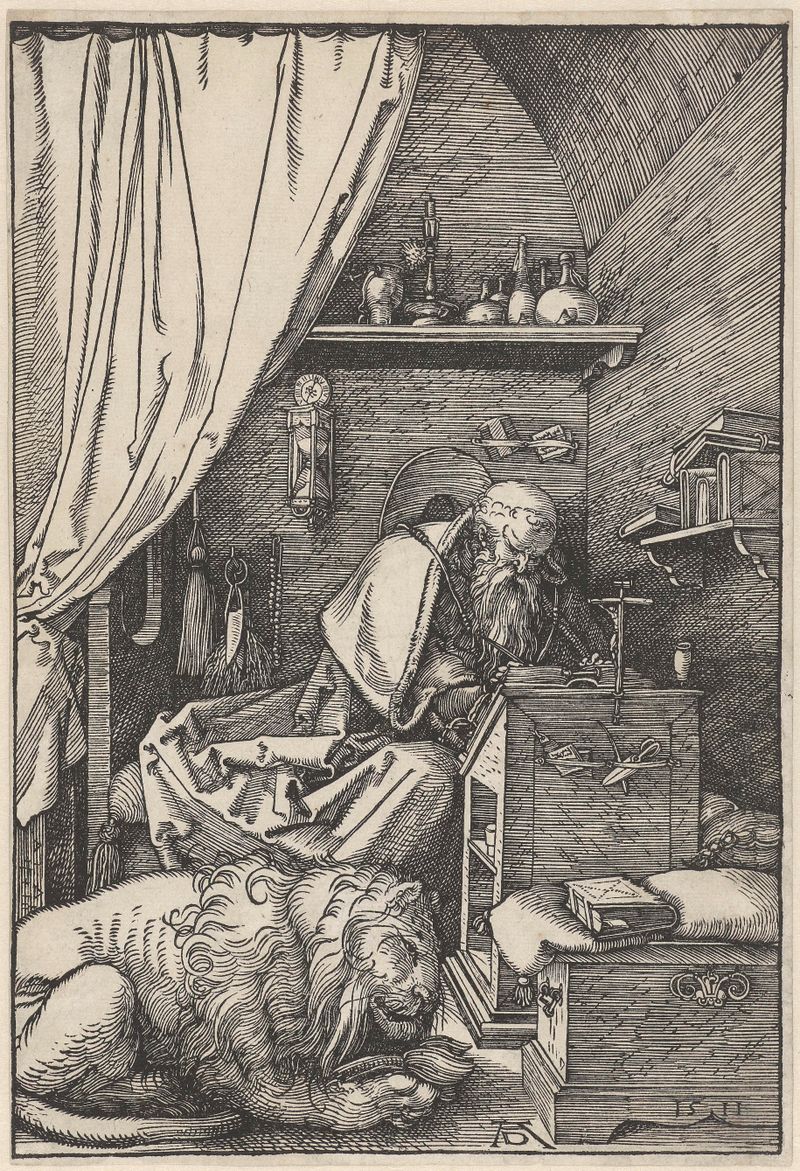
De Heilige Hiëronymus in zijn studeervertrek
Albrecht Dürer
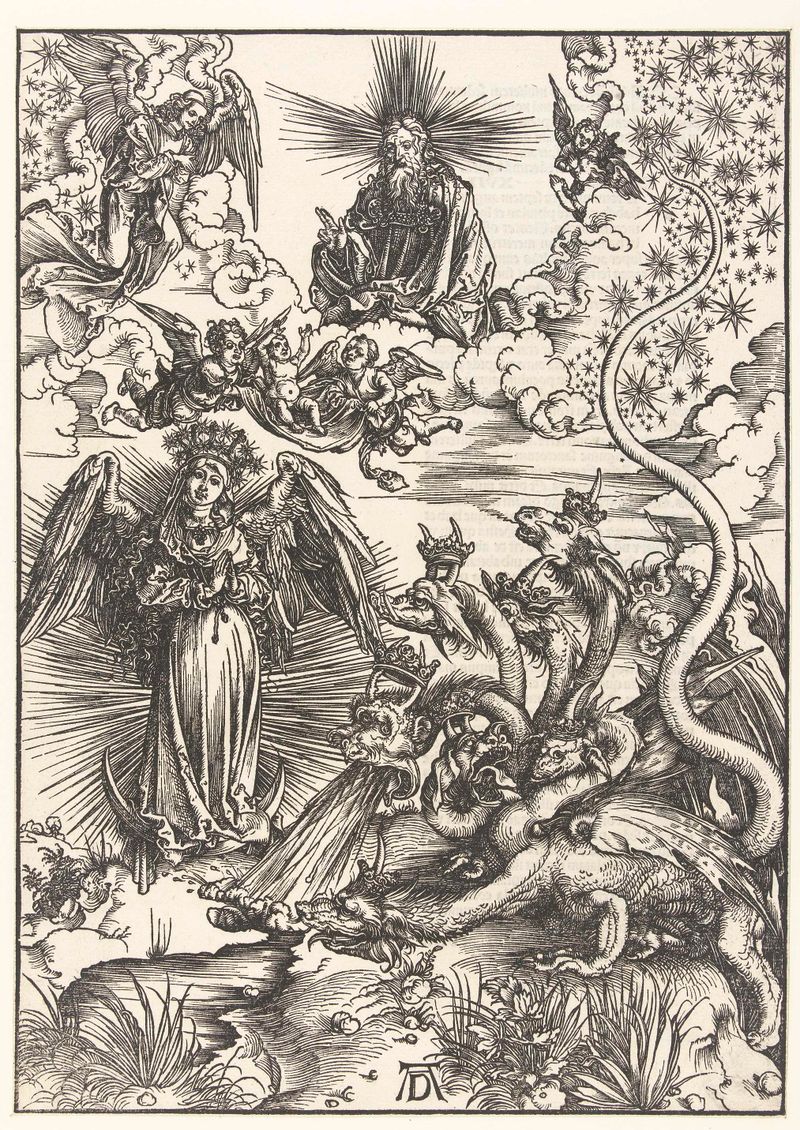
De apocalyptische vrouw en de zevenkoppige draak
Albrecht Dürer
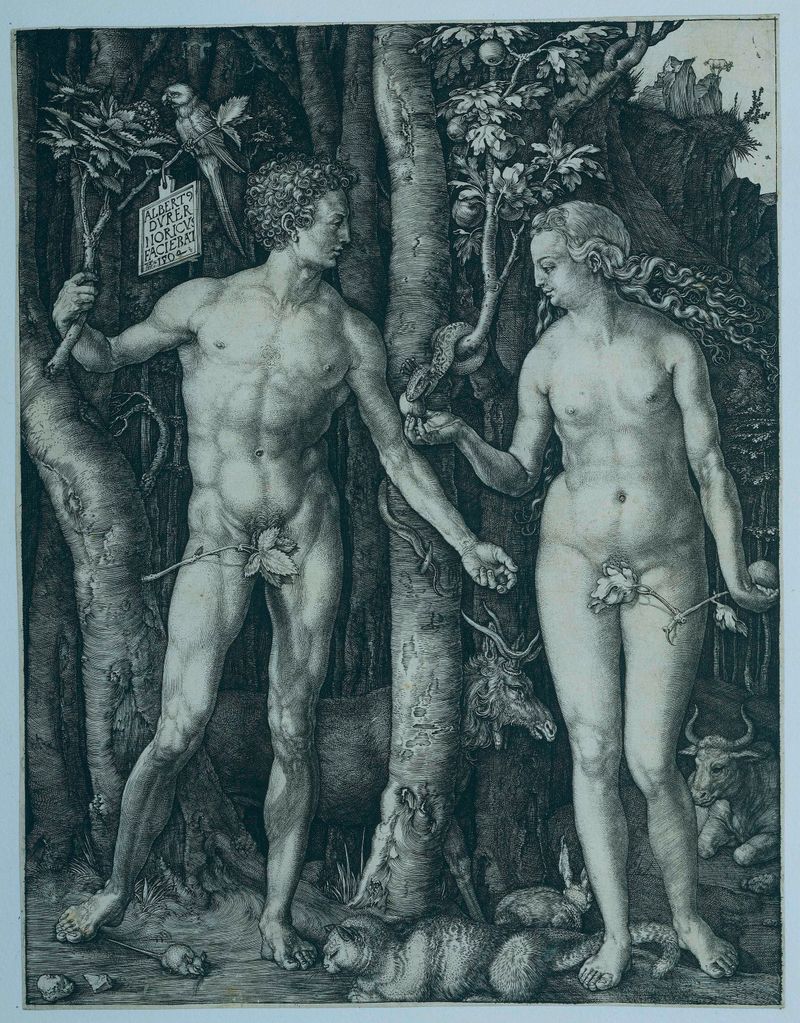
Adam en Eva
Albrecht Dürer
More Religious Art
Browse all →
The Return of the Prodigal Son
Rembrandt van Rijn

The Garden of Earthly Delights
El Bosco

Count Orgaz’ funeral
El Greco

The Hundred Guilder Print: the central piece with Christ preaching, the plate arched
Rembrandt van Rijn

The Descent from the Cross
Rogier van der Weyden

The return of the prodigal son
Rembrandt van Rijn