
Het martelaarschap van Johannes de Evangelist — History & Facts
What if silence could speak through light? In the stillness of Het martelaarschap van Johannes de Evangelist, time stands still, capturing a moment that reverberates with unspoken truths. Look to the center of the composition, where the figure of John, serene yet resolute, dominates the scene. Dürer employs a delicate interplay of light and shadow, illuminating John’s face while leaving the periphery shrouded in darkness. The meticulous detail in his expression conveys a profound depth of emotion, inviting us to ponder his fate.
The rich, earthy tones of the background contrast with the vibrant colors of John’s attire, drawing the viewer’s gaze toward the martyr’s contemplative gaze, suggesting a dichotomy between earthly trials and celestial hope. The interplay of light serves not only to highlight John's sanctity but also to evoke the passage of time, emphasizing the gravity of his martyrdom. Notice the faint halo that encircles him, representing divine presence while simultaneously hinting at the weight of sacrifice. The shadowy figures surrounding him offer a stark contrast, embodying the chaos and hostility of the world.
Each detail, from the texture of the skin to the intricacies of the drapery, reinforces the tension between the transcendent and the temporal. Dürer painted this work in 1511, during a period marked by artistic innovation and religious upheaval. Living in Nuremberg, he was at the forefront of the Northern Renaissance, seeking to blend human emotion with meticulous detail. The Reformation was transforming European society, and Dürer’s art reflected both the turmoil and the spiritual questions of his time, questioning the nature of faith and devotion in an ever-changing world.
More Artworks by Albrecht Dürer
Browse all →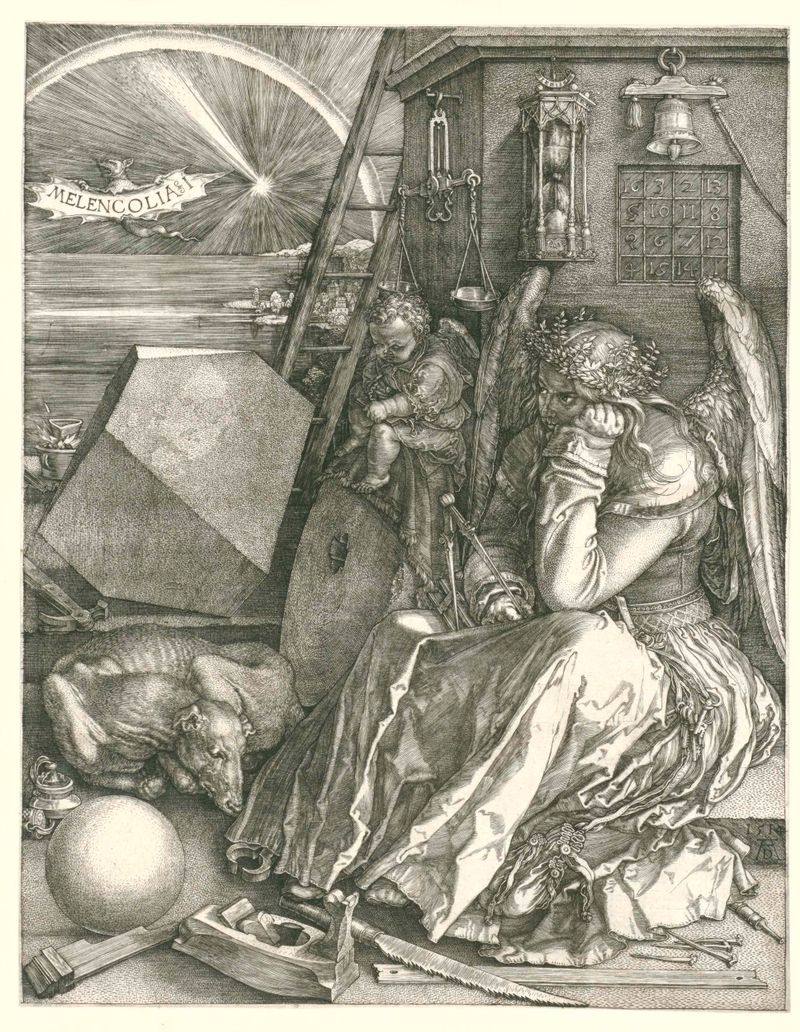
Melancholia
Albrecht Dürer
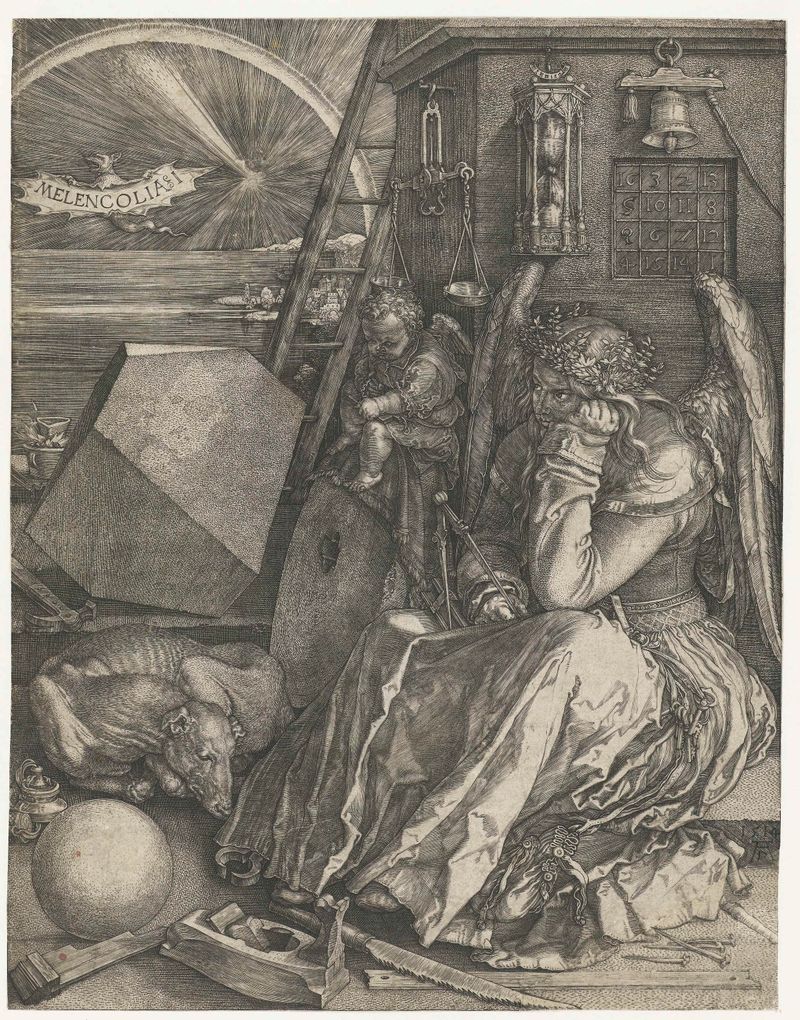
Melancholie
Albrecht Dürer

Neushoorn
Albrecht Dürer
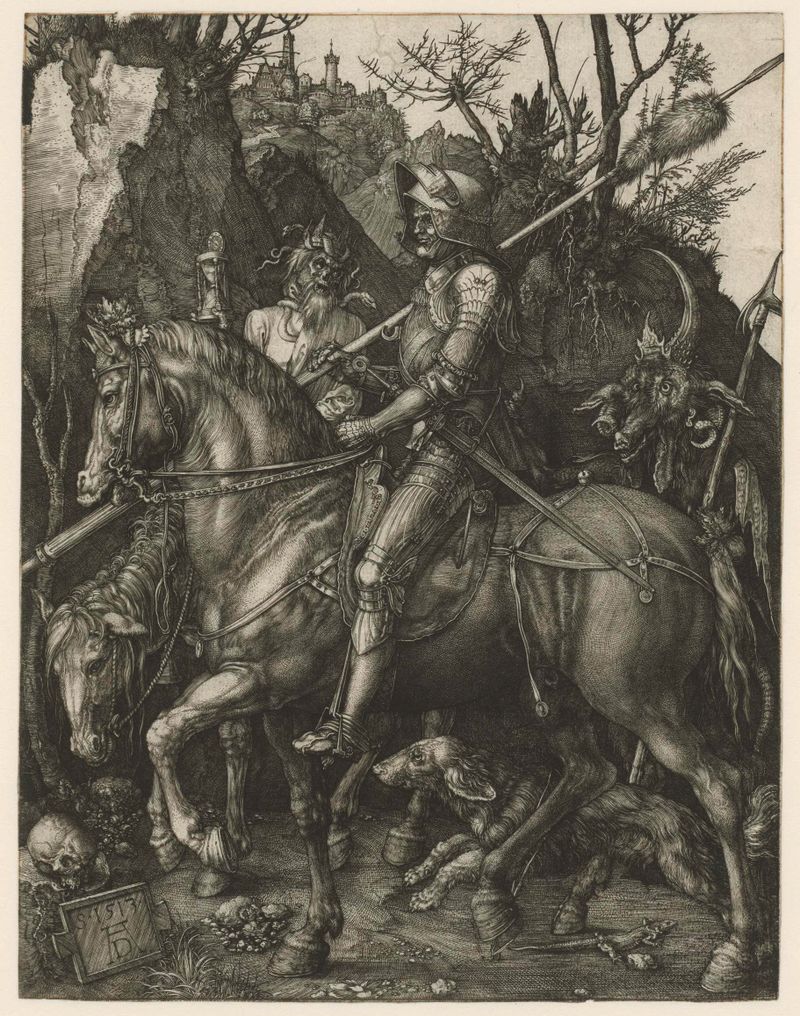
Knight, Death, and the Devil
Albrecht Dürer

De vier ruiters van de apocalyps
Albrecht Dürer

De vier ruiters van de apocalyps
Albrecht Dürer
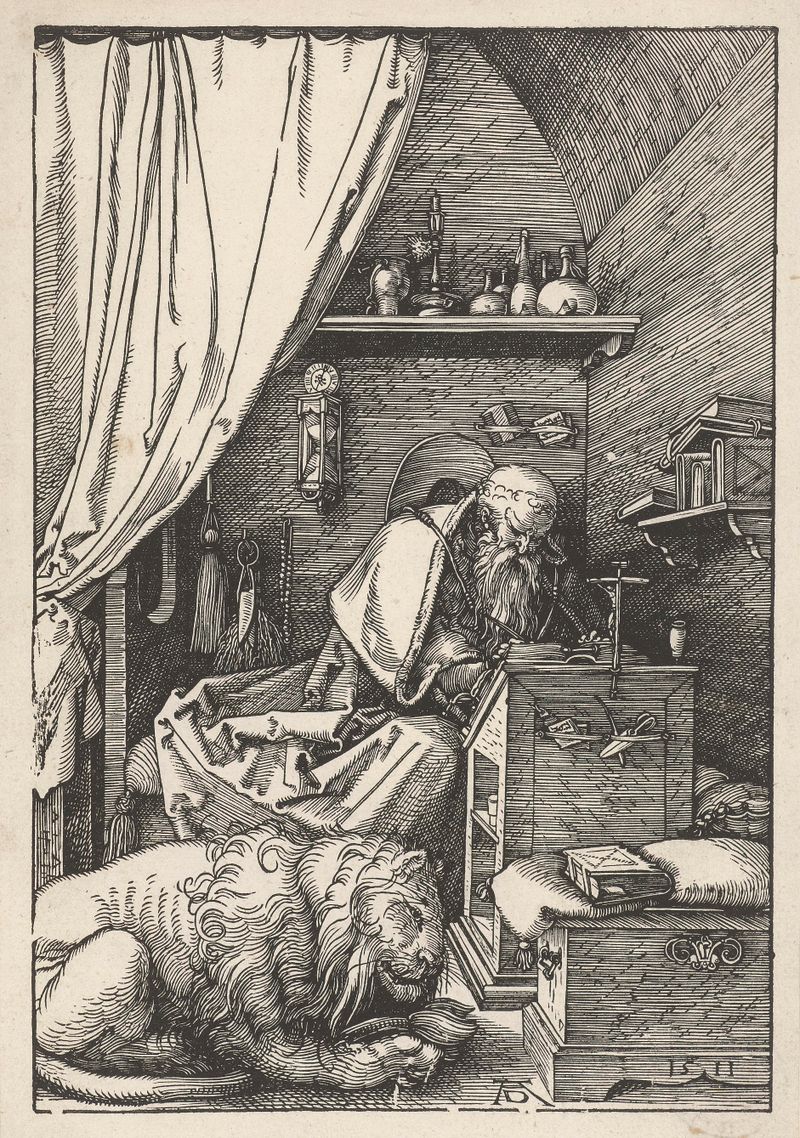
De Heilige Hiëronymus in zijn studeervertrek
Albrecht Dürer
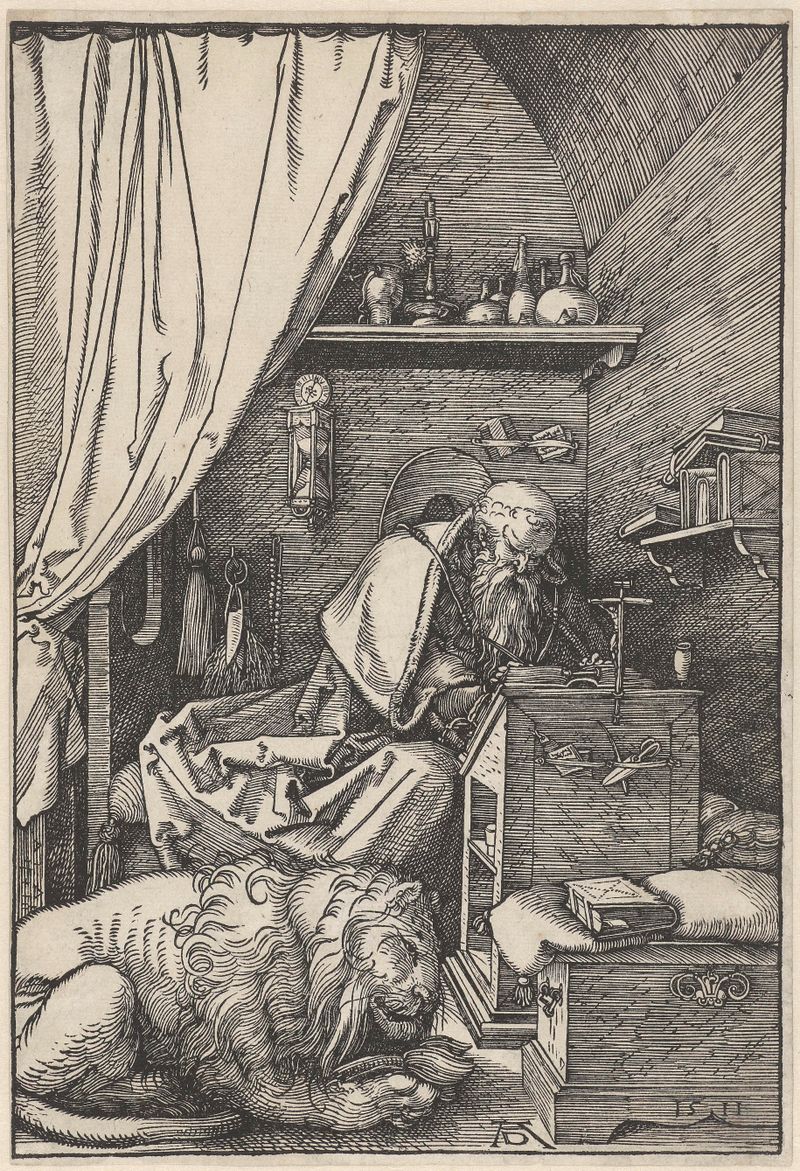
De Heilige Hiëronymus in zijn studeervertrek
Albrecht Dürer
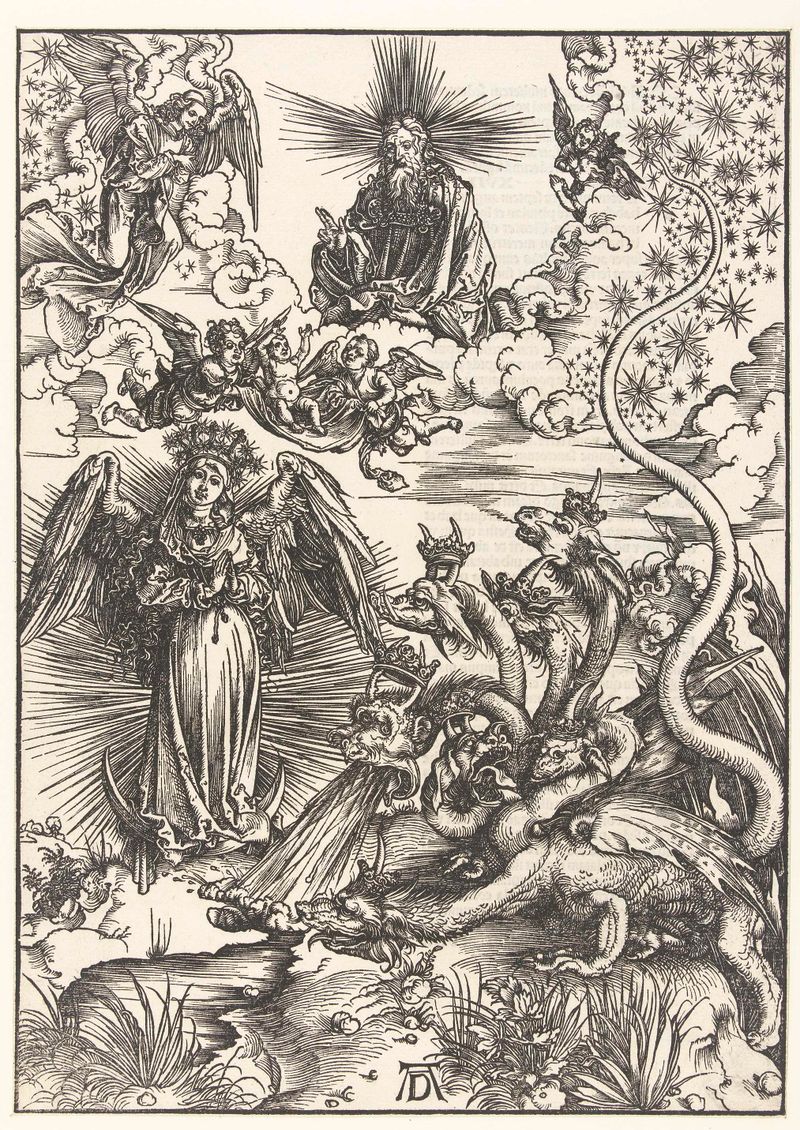
De apocalyptische vrouw en de zevenkoppige draak
Albrecht Dürer
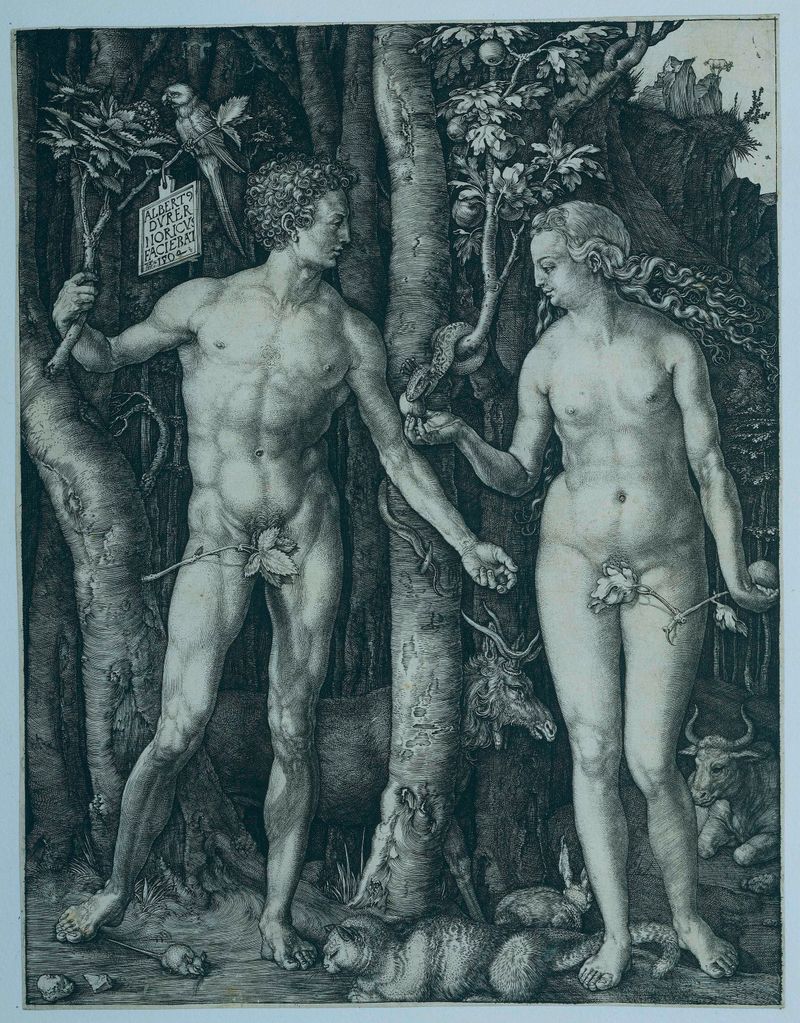
Adam en Eva
Albrecht Dürer
More Religious Art
Browse all →
The Return of the Prodigal Son
Rembrandt van Rijn

The Garden of Earthly Delights
El Bosco

Count Orgaz’ funeral
El Greco

The Hundred Guilder Print: the central piece with Christ preaching, the plate arched
Rembrandt van Rijn

The Descent from the Cross
Rogier van der Weyden

The return of the prodigal son
Rembrandt van Rijn