
Het monumentale hek van Vreedenhoff te Nieuwersluis aan de Vecht — History & Facts
In moments of grief, we often seek beauty amidst the turmoil—a solace found in the stillness of artistry. Look closely at the intricate details of the monumental gate towering over its surroundings. Notice how the shadows play across the wrought iron, intertwining with the delicate curves and sharp angles that speak of both strength and fragility. The muted palette suggests a melancholy mood, evoking a sense of history and loss that seems to permeate the very air around it.
Each element, from the meticulously crafted filigree to the surrounding foliage, draws the eye, inviting contemplation of what once was. The gate stands as a silent witness to the passage of time, embodying the tension between human craftsmanship and nature’s inevitable decay. Its grandeur juxtaposes the vulnerability of life, as if it is both a protector and a reminder of what is beyond its confines. The artist’s choice of muted colors further amplifies the emotional weight, hinting at stories untold and moments lost to memory. Willem de Famars Testas painted this piece in 1886, during a period that saw a growing interest in capturing the interplay of architecture and natural landscapes.
Living in the Netherlands, he was influenced by the Romantic movement, which sought to express emotion through subjects like this gate, representative of both beauty and sorrow. At this time, the world of art was evolving, embracing more personal and emotive expressions, paving the way for future movements in the realm of modernism.
More Artworks by Willem de Famars Testas
Browse all →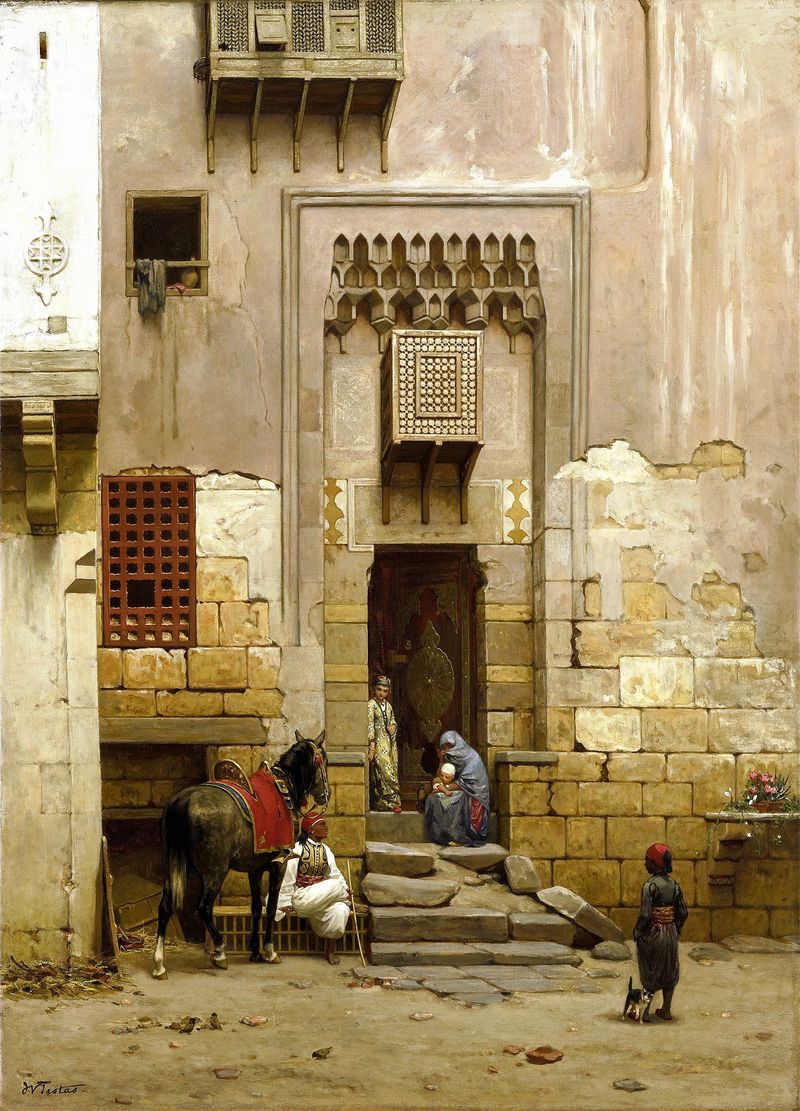
The Courtyard of a house in Cairo
Willem de Famars Testas
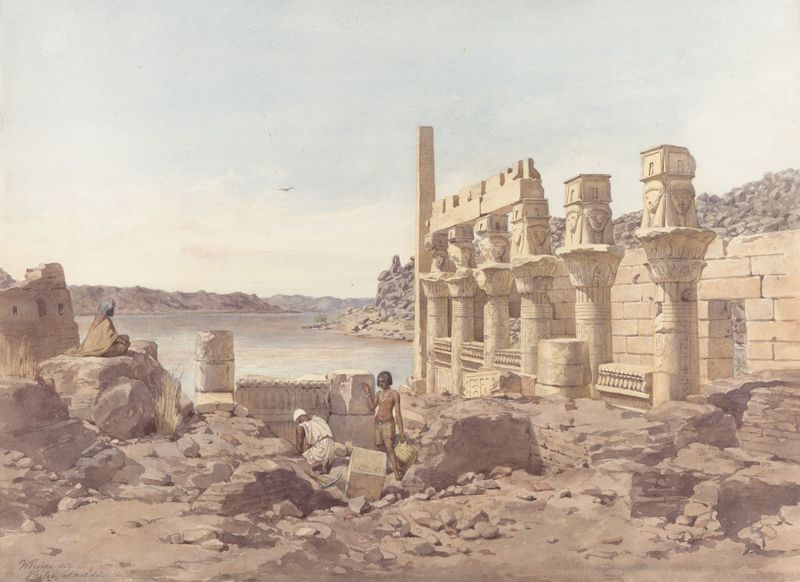
Gezicht op de tempelruïnes te Philae bij Aswan
Willem de Famars Testas
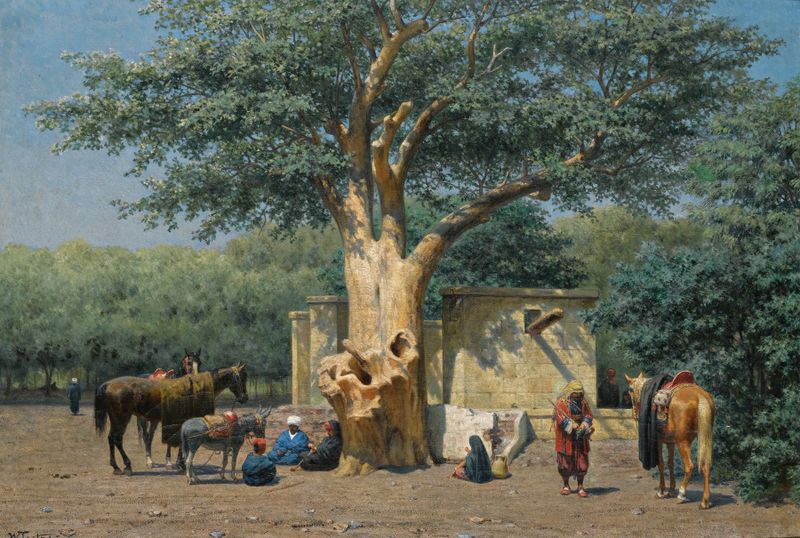
The Well And Sycamore In Ezbekieh Square, Cairo
Willem de Famars Testas
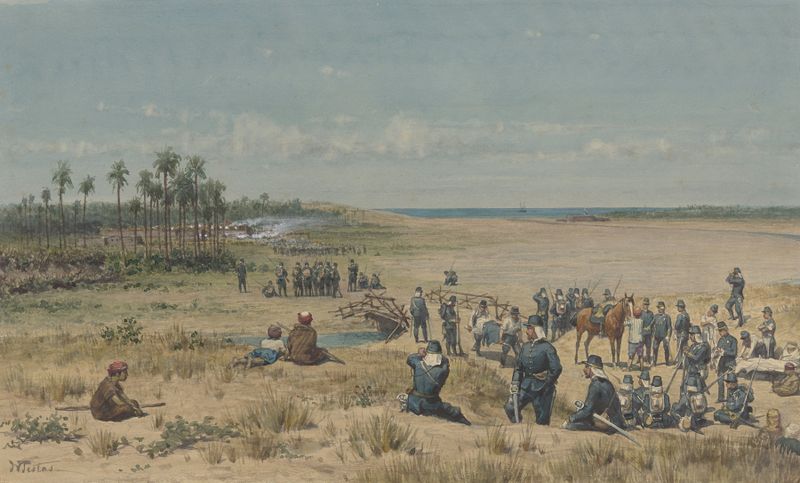
De verovering van Toemoelit tijdens de expeditie van Samalangan, 26 augustus 1877
Willem de Famars Testas
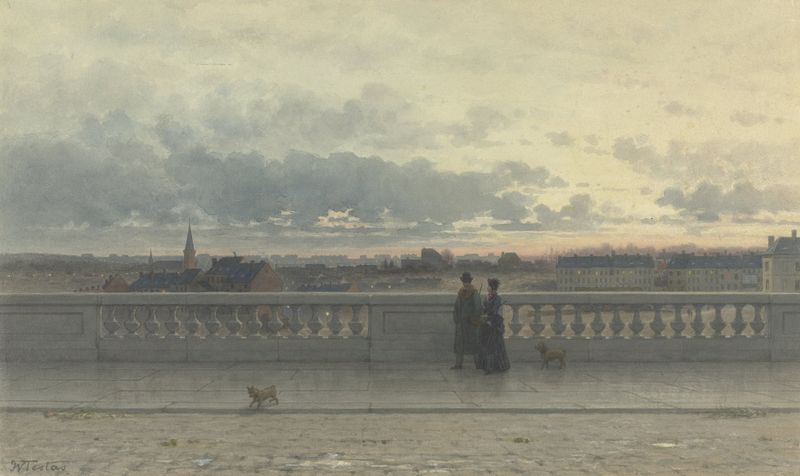
Gezicht vanaf een terras over Brussel, in avondschemering
Willem de Famars Testas
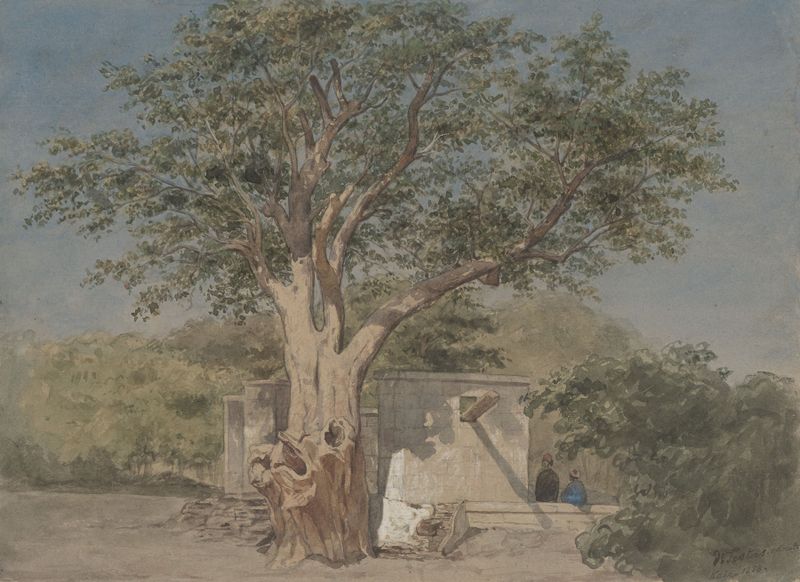
Hutje onder boom te Kaïro
Willem de Famars Testas
More Architecture Art
Browse all →
The statue of Liberty
Frédéric Auguste Bartholdi

View of Houses in Delft, Known as ‘The Little Street’
Johannes Vermeer

View of Houses in Delft, Known as ‘The Little Street’
Johannes Vermeer

The Cathedral in Rouen. The portal, Grey Weather
Claude Monet

The yellow house
Vincent van Gogh

The Church in Auvers-sur-Oise, View from the Chevet
Vincent van Gogh