The Courtyard of a house in Cairo — History & Facts
This sentiment resonates deeply when confronted with a scene steeped in the melancholy of a time both vibrant and fleeting. It invites reflection on the beauty hidden within the mundane, revealing emotional depths that resonate beyond the canvas. Look to the foreground, where the textured stones of the courtyard create a stark contrast against the soft, flowing fabrics of draped garments. The sunlight filters through the archway, illuminating patches of warm ochre and muted greens, guiding your gaze towards the gentle interaction of light and shadow.
Notice how the artist's meticulous brushwork captures the intricate details of the architecture, with its ornate patterns that speak of history and culture, each stroke breathing life into the stillness. Delve deeper into the composition, where the figures, caught in quiet contemplation, evoke a sense of longing or nostalgia. The juxtaposition of their stillness amidst the animated play of light suggests a poignant tension between solitude and community. Consider the palette, which carries a whisper of sadness, as if reflecting the weight of stories untold, inviting viewers to ponder the lives that once thrived in that space. Willem de Famars Testas created this work between 1868 and 1881, during a period of profound change in both his life and the art world.
Living in France, he drew inspiration from his travels in North Africa, where he sought to capture the essence of local life against a backdrop of shifting cultural dynamics. This painting stands as a testament to his commitment to authenticity in an era increasingly influenced by modernity, encapsulating both a personal and historical narrative.
More Artworks by Willem de Famars Testas
Browse all →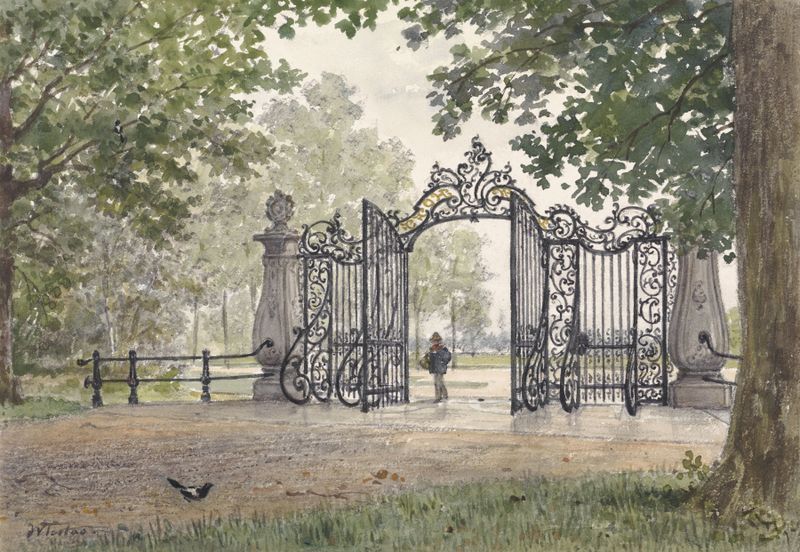
Het monumentale hek van Vreedenhoff te Nieuwersluis aan de Vecht
Willem de Famars Testas
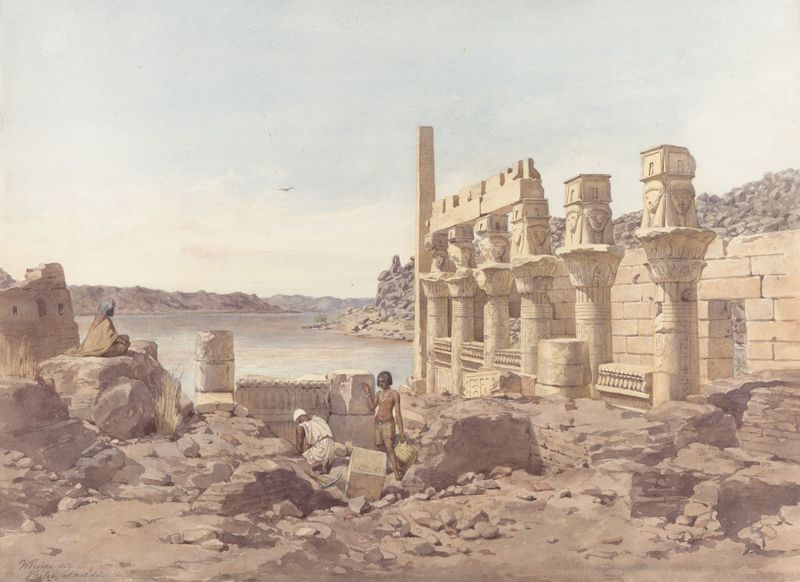
Gezicht op de tempelruïnes te Philae bij Aswan
Willem de Famars Testas
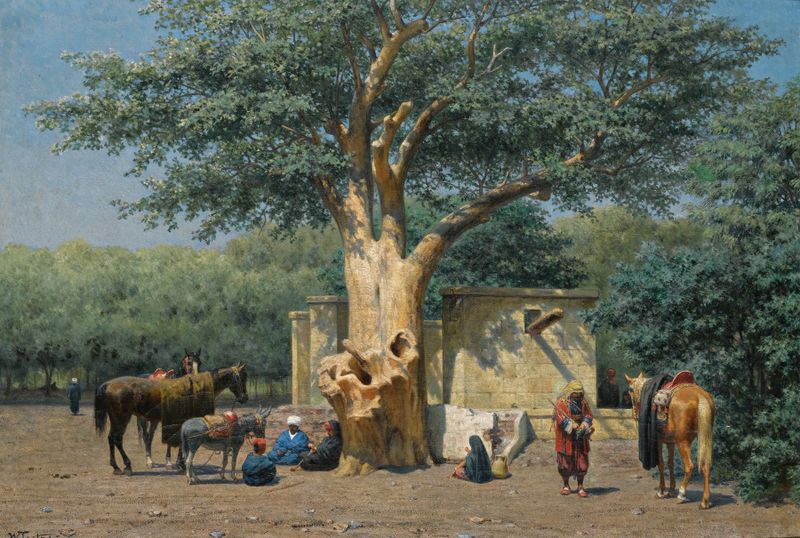
The Well And Sycamore In Ezbekieh Square, Cairo
Willem de Famars Testas
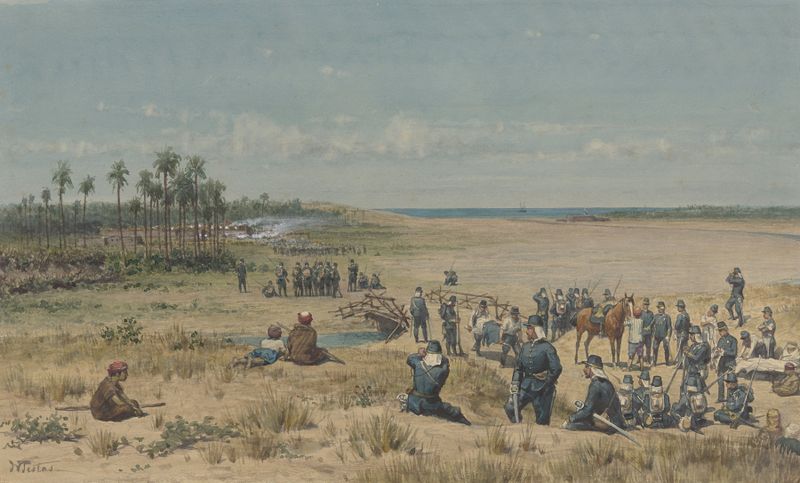
De verovering van Toemoelit tijdens de expeditie van Samalangan, 26 augustus 1877
Willem de Famars Testas
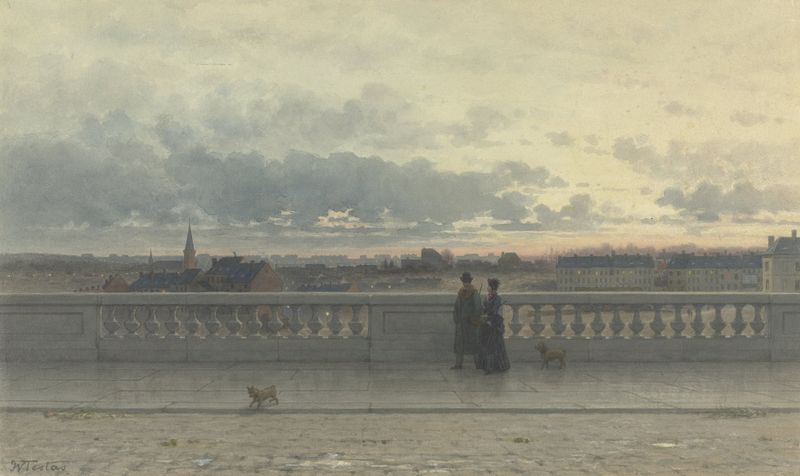
Gezicht vanaf een terras over Brussel, in avondschemering
Willem de Famars Testas
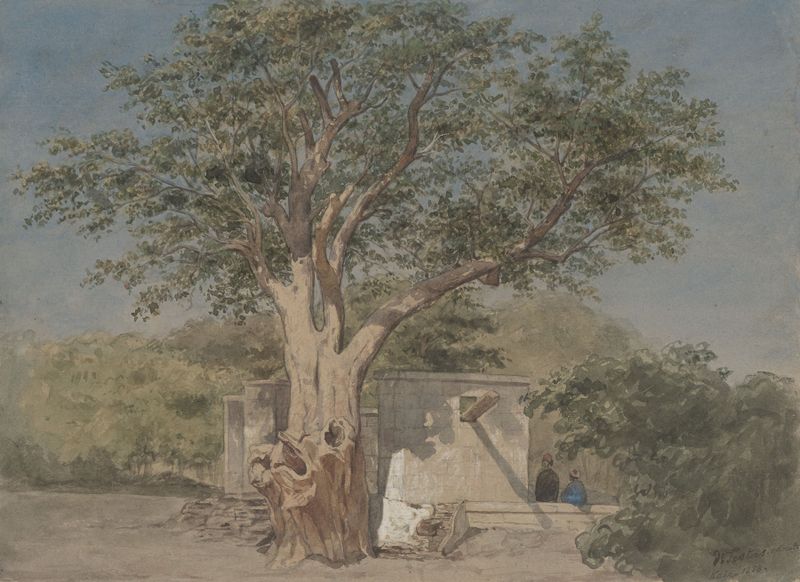
Hutje onder boom te Kaïro
Willem de Famars Testas