
The Well And Sycamore In Ezbekieh Square, Cairo — History & Facts
Can beauty exist without sorrow? In a world teetering on the edge of change, the landscapes we cherish often whisper tales of both hope and discontent. Look towards the center of the canvas, where a majestic sycamore stands sentinel over the well in Ezbekieh Square. The tree's lush, green foliage contrasts with the dusty browns and ochres of the surrounding architecture. Light filters through the leaves, casting playful patterns onto the cobblestone path, inviting the viewer to wander closer.
The well, painted with careful attention to detail, exudes a sense of life and sustenance, a vital source for a community that may be on the brink of upheaval. Yet, beneath this surface beauty lies an undercurrent of tension. The sycamore, often a symbol of longevity and resilience, hints at the struggles of the citizens who gather around it. The juxtaposition of the well's life-giving water against the barren backdrop evokes a duality of abundance and scarcity, reflecting the socio-political climate of its time.
Each stroke and hue not only captures the essence of a moment but also serves as a poignant reminder of the fragility of peace amid impending revolution. During an unspecified period in the late 19th century, the artist created this work in a Cairo marked by shifting dynamics. The region was experiencing a blend of cultural influences, with modernity encroaching on tradition, and art was reflecting this tension. At this juncture, the artist sought to immortalize the beauty and complexity of life in a city poised for transformation, creating a visual narrative that resonates through time.
More Artworks by Willem de Famars Testas
Browse all →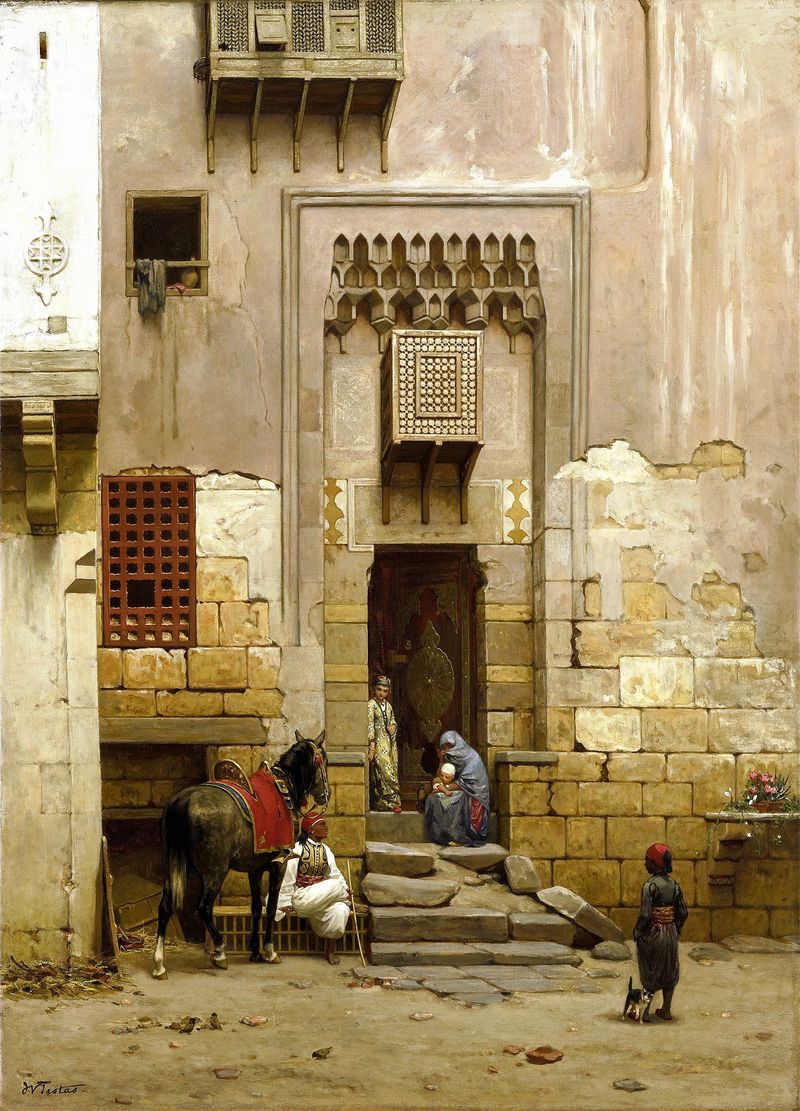
The Courtyard of a house in Cairo
Willem de Famars Testas
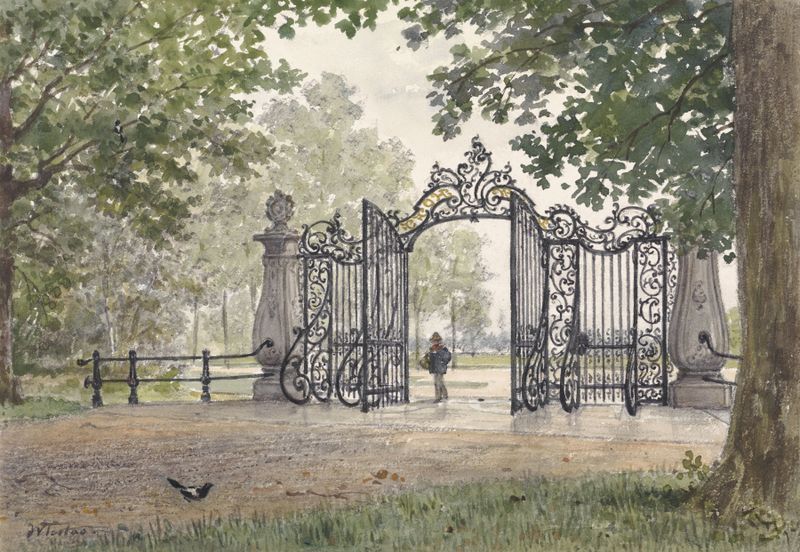
Het monumentale hek van Vreedenhoff te Nieuwersluis aan de Vecht
Willem de Famars Testas
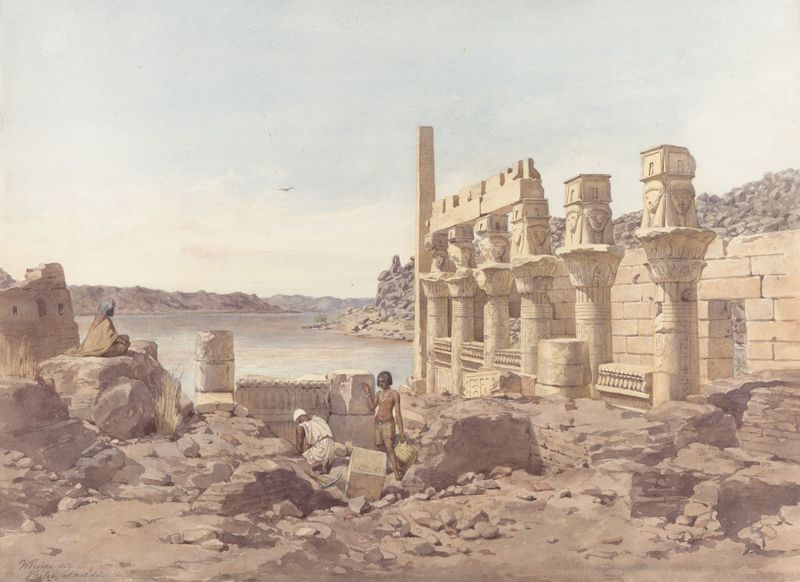
Gezicht op de tempelruïnes te Philae bij Aswan
Willem de Famars Testas
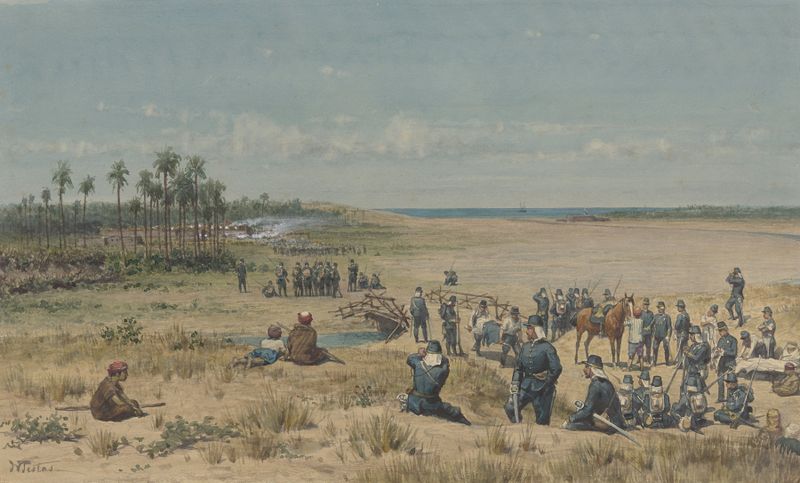
De verovering van Toemoelit tijdens de expeditie van Samalangan, 26 augustus 1877
Willem de Famars Testas
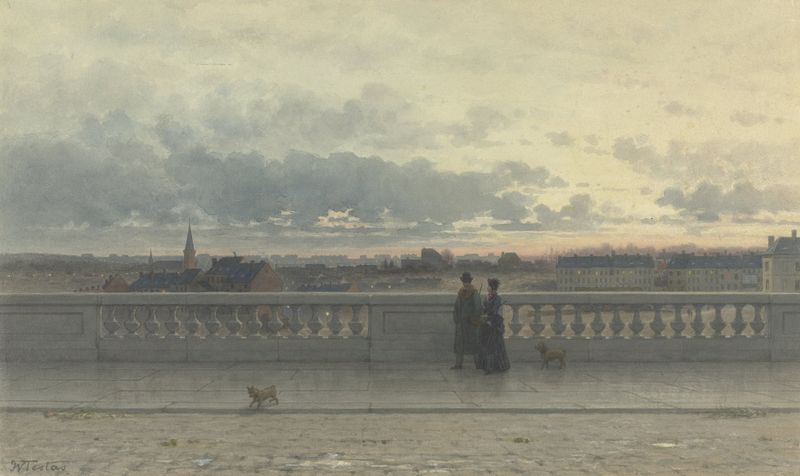
Gezicht vanaf een terras over Brussel, in avondschemering
Willem de Famars Testas
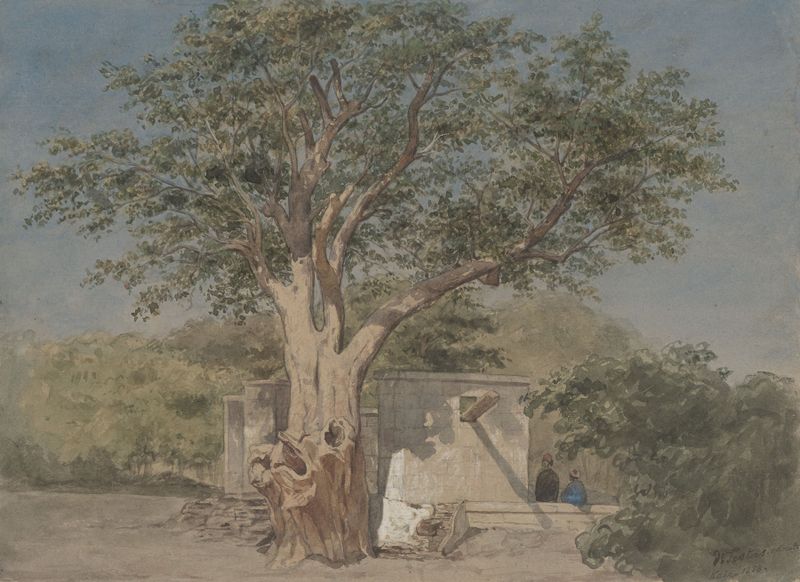
Hutje onder boom te Kaïro
Willem de Famars Testas





