
De verovering van Toemoelit tijdens de expeditie van Samalangan, 26 augustus 1877 — History & Facts
This statement echoes in the mind as one gazes upon the intricate portrayal of conquest and culture within this artwork. The balance between triumph and loss plays out, reminding us that every victory often harbors unacknowledged sacrifices. Look closely at the central figures; the bold strokes animate the soldiers, their postures conveying a determined yet cautious advance into the unknown. Notice how the warm hues of ochre and deep green bring a sense of richness to the landscape, seemingly inviting yet underlined with tension.
The artist’s clever use of light highlights the shimmering details of the warriors’ attire, while the cooler shadows in the background evoke a sense of foreboding, grounding the scene in its historical weight. Hidden within the composition lies a layered narrative of ambivalence. The proud stance of the conquerors contrasts sharply with the quiet figures in the background, perhaps the vanquished, whose gaze lingers on the invading soldiers. This interplay of power dynamics raises questions about ownership, identity, and the costs of ambition.
The lush surroundings, depicted in vibrant colors, add to the complexity, symbolizing the natural beauty that often falls prey to human conflict. In 1883, the artist found himself reflecting on the colonial ambitions of the Dutch as tensions in the East Indies escalated. Living in a period marked by imperial endeavors and cultural exchange, this work served not just as a historical record but as a commentary on the broader implications of conquest. The artist’s exploration of balance in this moment remains relevant, inviting viewers to ponder the duality of human experience, shaped by both beauty and pain.
More Artworks by Willem de Famars Testas
Browse all →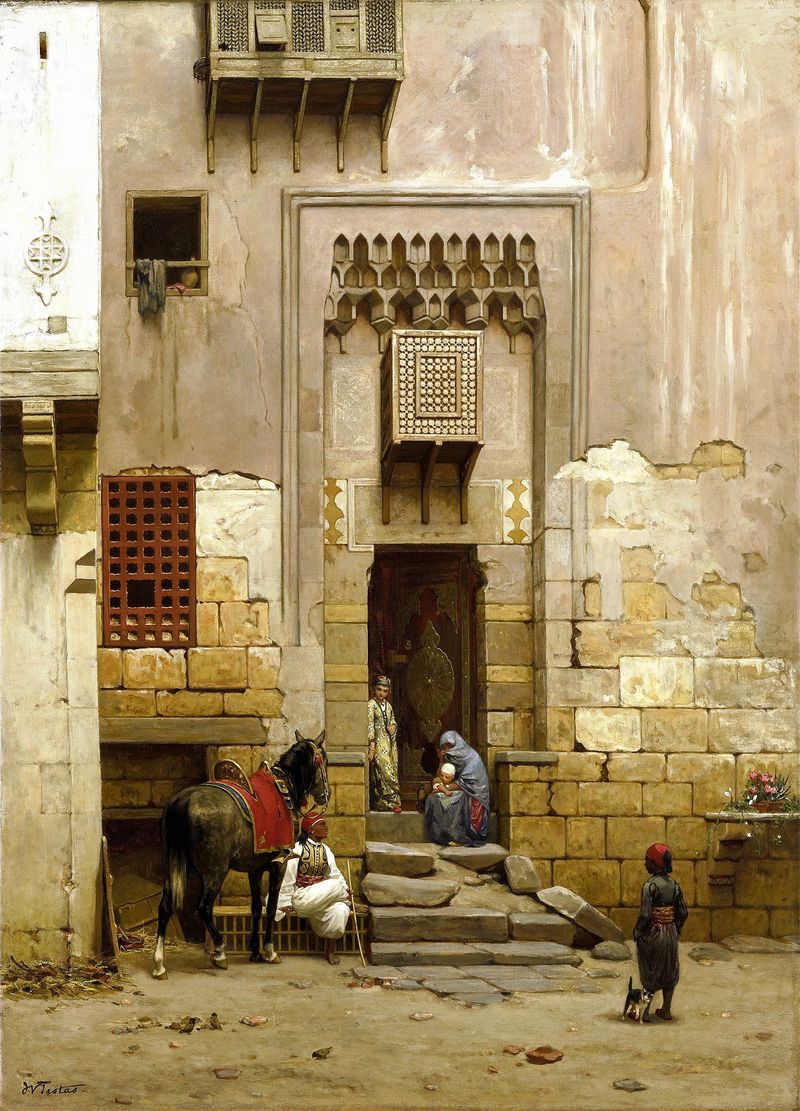
The Courtyard of a house in Cairo
Willem de Famars Testas
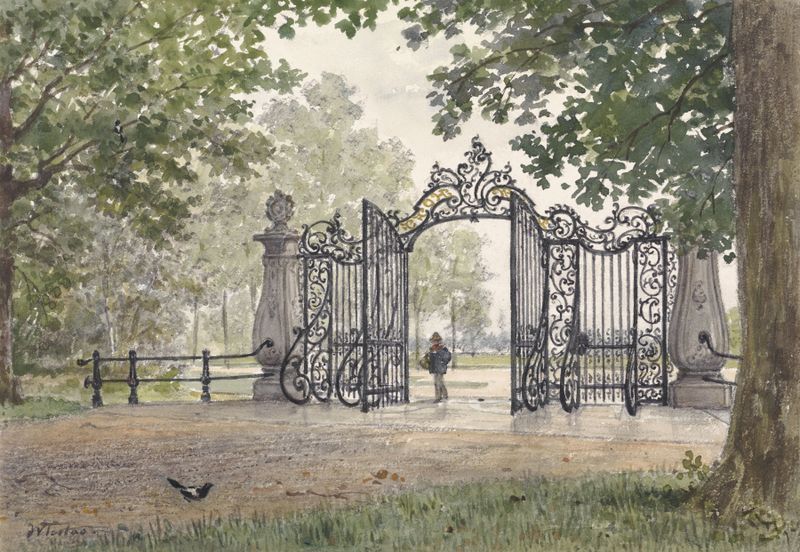
Het monumentale hek van Vreedenhoff te Nieuwersluis aan de Vecht
Willem de Famars Testas
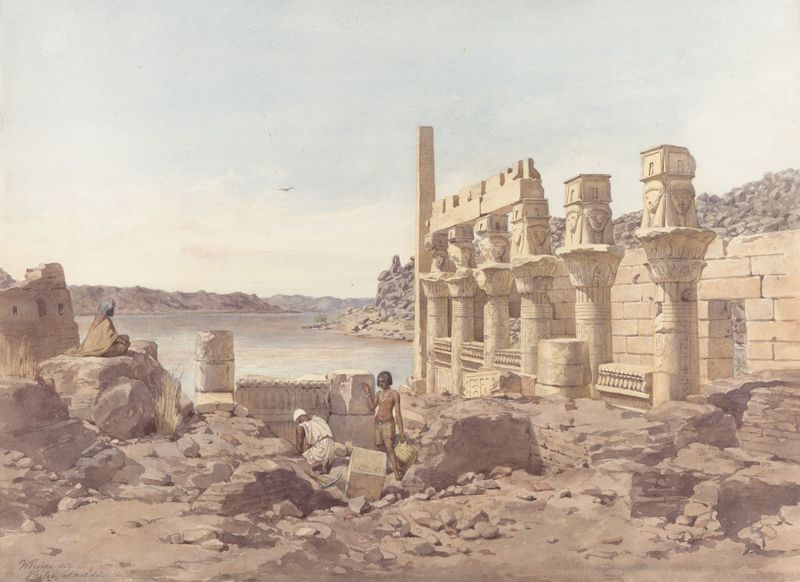
Gezicht op de tempelruïnes te Philae bij Aswan
Willem de Famars Testas
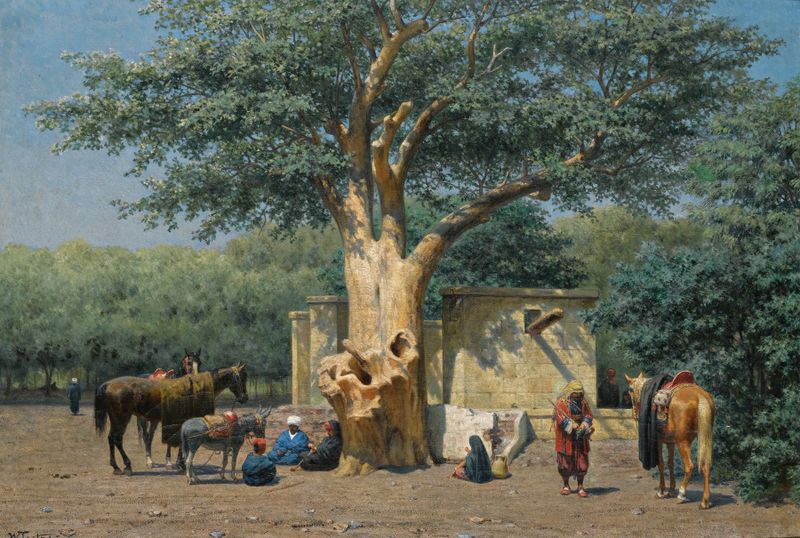
The Well And Sycamore In Ezbekieh Square, Cairo
Willem de Famars Testas
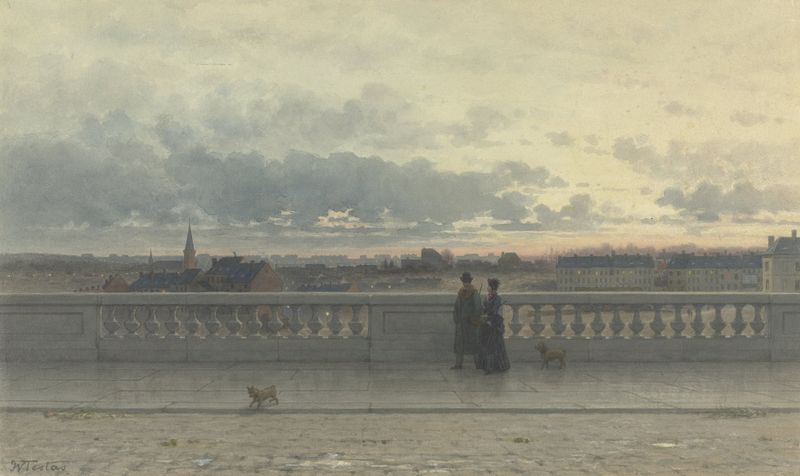
Gezicht vanaf een terras over Brussel, in avondschemering
Willem de Famars Testas
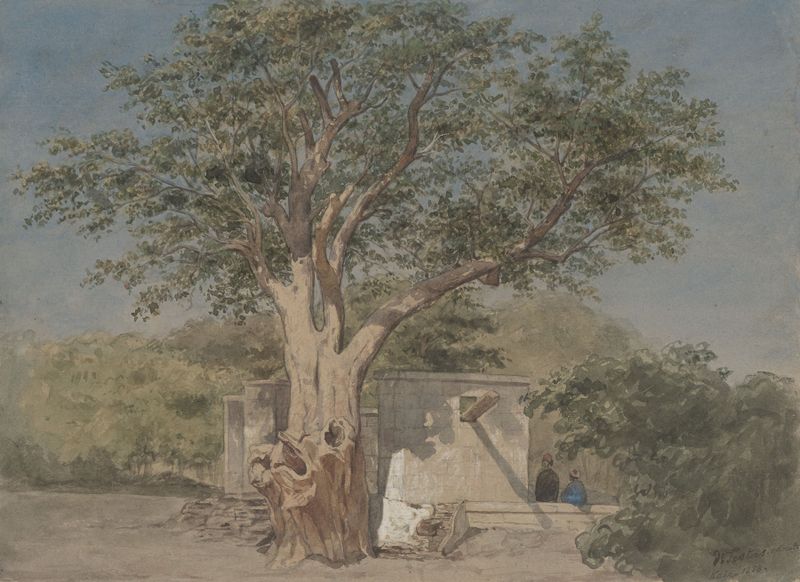
Hutje onder boom te Kaïro
Willem de Famars Testas
More Historical Art
Browse all →
The Night Watch Militia Company of District II under the Command of Captain Frans Banninck Cocq
Rembrandt van Rijn

Lincoln Memorial
Henry Bacon

The Third of May 1808
Francisco de Goya

Isaac and Rebecca, Known as ‘The Jewish Bride’
Rembrandt van Rijn

The Charge of the Mamelukes (1814)
Francisco de Goya

De vier ruiters van de apocalyps
Albrecht Dürer