
Hutje onder boom te Kaïro — History & Facts
This duality dances at the heart of our longing — an ache for a past that remains just out of reach. Look to the left of the canvas, where a quaint hut, modest yet inviting, sits beneath the shade of a sprawling tree. The artist’s delicate brushwork captures the texture of the bark and leaves, creating a vibrant contrast against the creamy yellows and deep greens that envelop the scene. Rich, luminous hues of sunlight spill over the structure, beckoning the viewer to step closer and experience the warmth and solace it promises. Yet, as you gaze deeper, a sense of unease emerges.
The interplay of light and shadow hints at the transient nature of desire — the hut, a symbol of refuge, stands alone, juxtaposed against an expansive, unyielding landscape. The tree, though protective, casts long shadows that evoke a sense of isolation and longing. This quiet tension invites contemplation about what lies beyond the serene facade, whispering tales of unfulfilled dreams or distant hopes. In 1858, Willem de Famars Testas was immersed in a world of shifting artistic currents in Paris.
He produced Hutje onder boom te Kaïro during a time when Romanticism was evolving into more personal expressions of experience and emotion. Captured by the allure of Egypt, Testas sought to bridge his identity as a Dutch artist with the vibrant culture around him, infusing his work with a sense of yearning that resonates through the years.
More Artworks by Willem de Famars Testas
Browse all →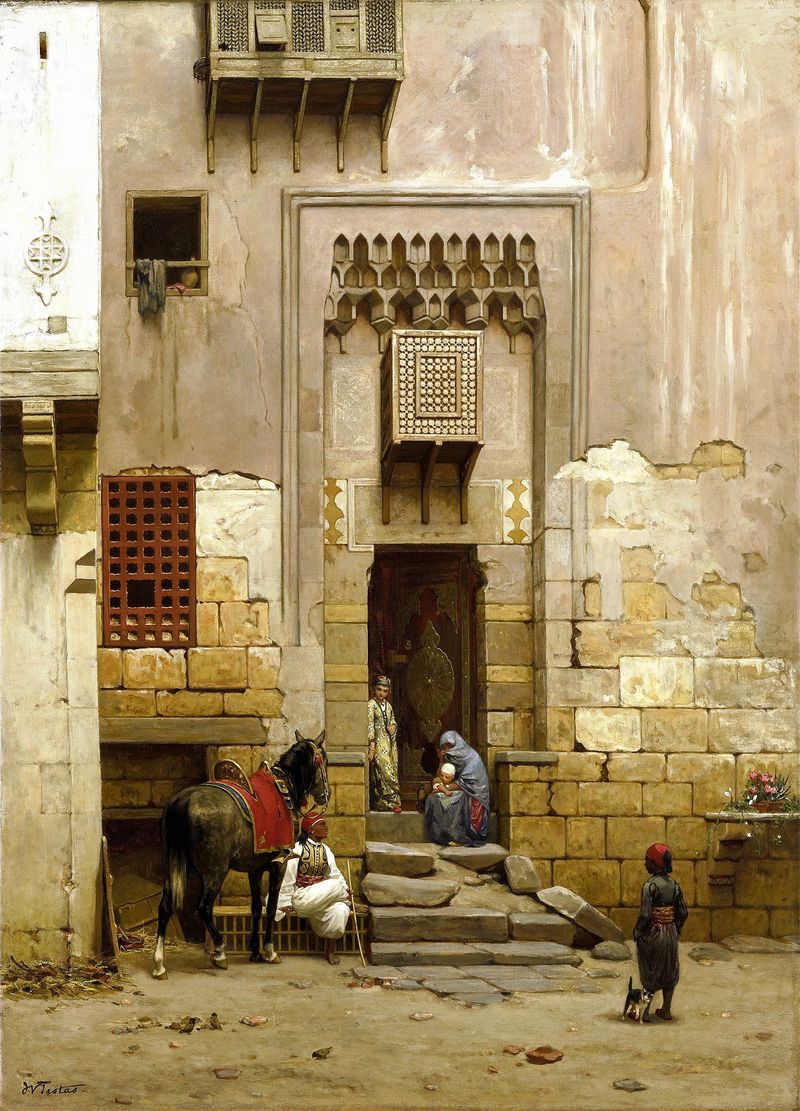
The Courtyard of a house in Cairo
Willem de Famars Testas
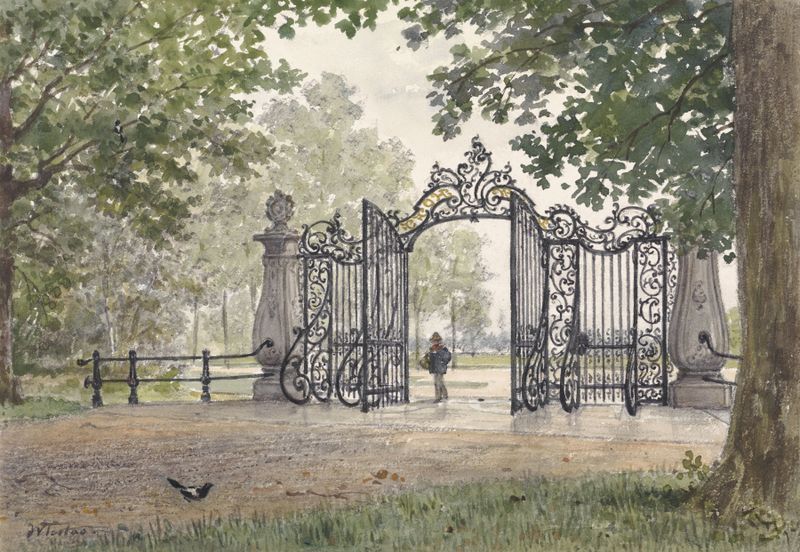
Het monumentale hek van Vreedenhoff te Nieuwersluis aan de Vecht
Willem de Famars Testas
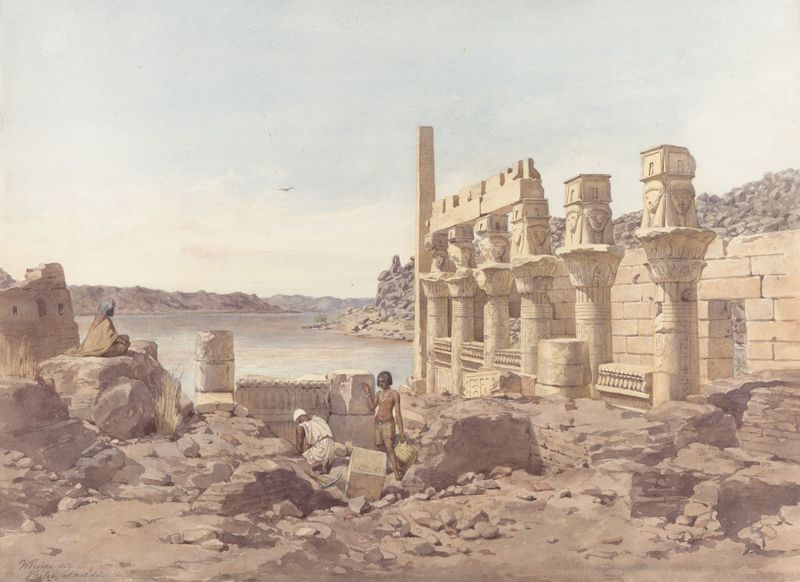
Gezicht op de tempelruïnes te Philae bij Aswan
Willem de Famars Testas
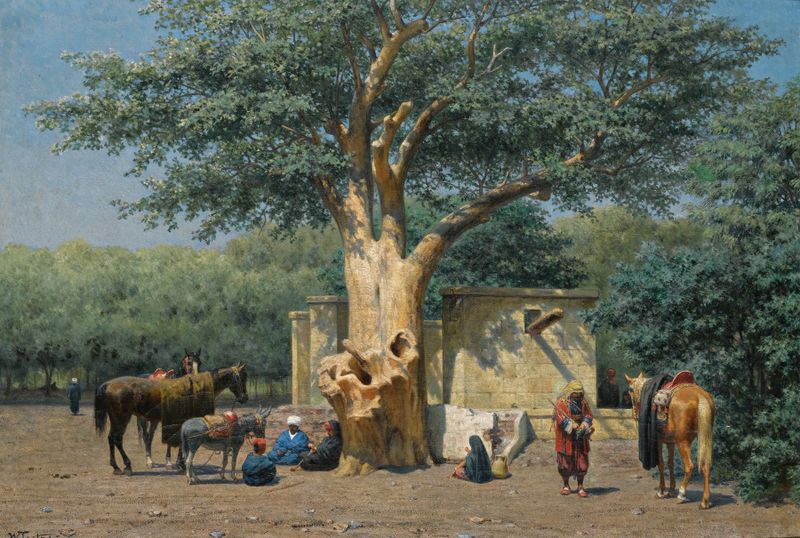
The Well And Sycamore In Ezbekieh Square, Cairo
Willem de Famars Testas
De verovering van Toemoelit tijdens de expeditie van Samalangan, 26 augustus 1877
Willem de Famars Testas
Gezicht vanaf een terras over Brussel, in avondschemering
Willem de Famars Testas





