
Het Rokin met de Beurs — History & Facts
Did the painter know this moment would outlive them? In the quiet embrace of emptiness, Het Rokin met de Beurs transcends time, inviting us to ponder the void left by fleeting existence. Look to the center, where the grand architecture of the Beurs rises majestically, its imposing presence softened by the delicate play of light filtering through the clouds. Surrounding it, the bustling activity of the canal and the figures engaged in their daily lives adds a layer of vibrancy, contrasting against the stillness of the structure itself. The palette of muted earth tones and gentle blues evokes a sense of calm, while the precise brushwork captures the intricate details of both buildings and boats, emphasizing the connection between the manmade and the natural. Beneath the lively surface lies a profound sense of loneliness; the empty foreground speaks volumes, a reminder of the transient nature of human endeavor.
The figures, though busy, are dwarfed by the architectural grandeur, hinting at the insignificance of individual lives against the backdrop of history. The contrast between the liveliness of the canal and the solemnity of the Beurs invites contemplation on what remains after the hustle fades—an echo of existence amidst inevitable emptiness. Painted between 1652 and 1654, this work emerged during a period of significant maritime trade and cultural flourishing in Amsterdam, where Reinier Nooms, also known as Zeeman, was establishing his reputation as a cityscape artist. The Dutch Golden Age was marked by a burgeoning economy and artistic innovation, yet even amidst this vibrancy, the artist captured a poignancy that speaks to the enduring questions of legacy and the passage of time.
More Artworks by Reinier Nooms
Browse all →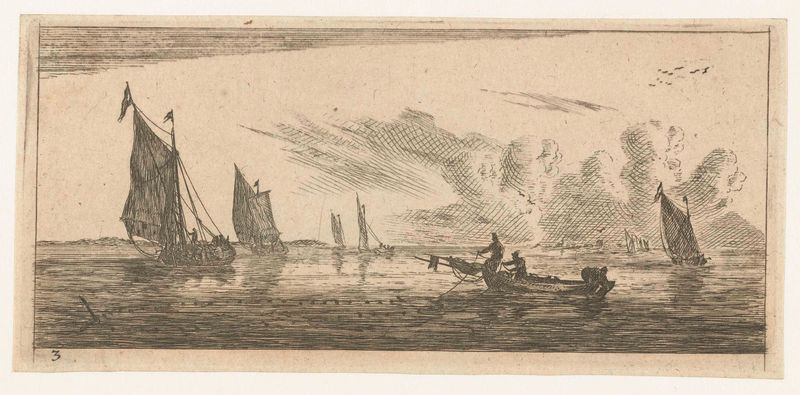
Zeegezicht met verschillende zeilschepen
Reinier Nooms
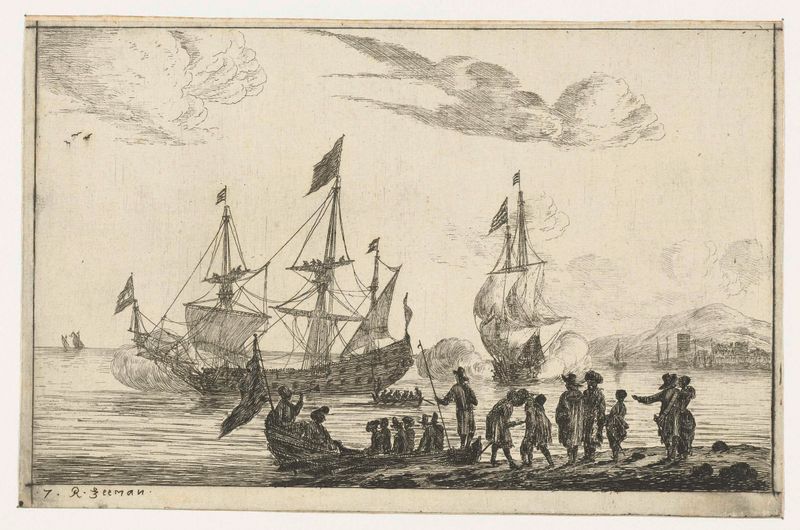
Havenscène met een spiegelsloep
Reinier Nooms
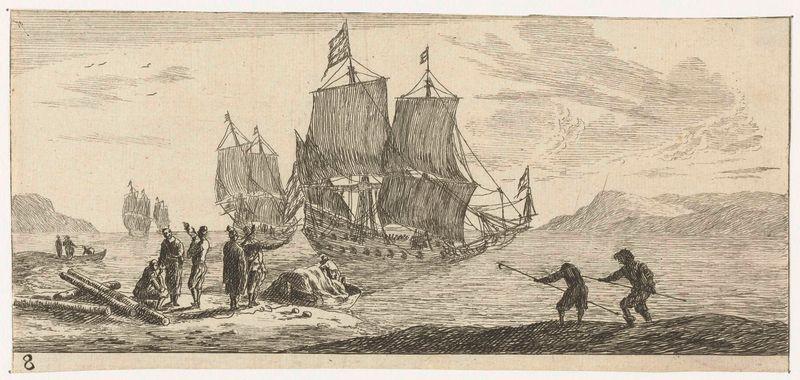
Vier grote zeilschepen in een baai
Reinier Nooms
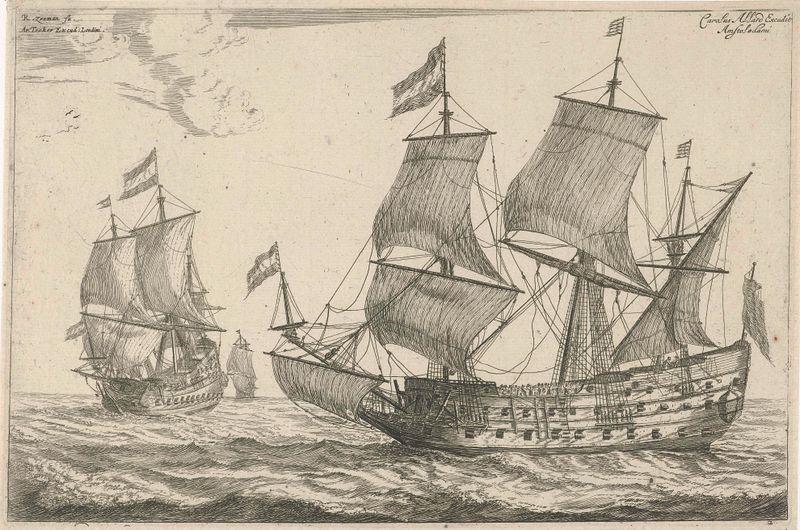
Twee grote oorlogsschepen
Reinier Nooms
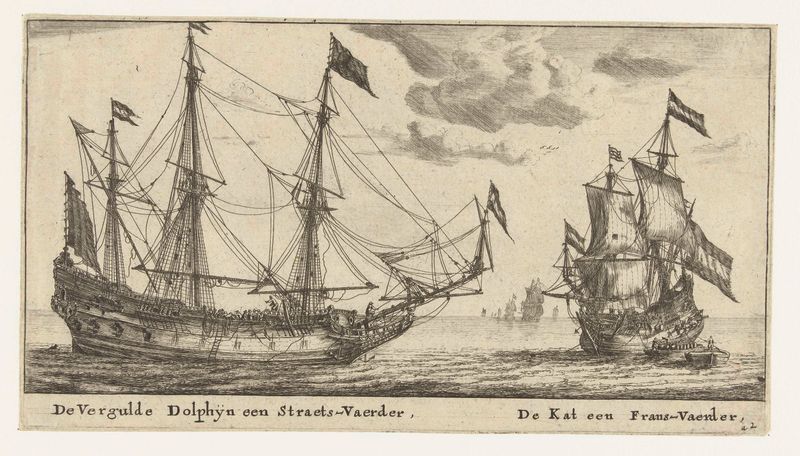
De schepen De Vergulde Dolfijn en De Kat
Reinier Nooms
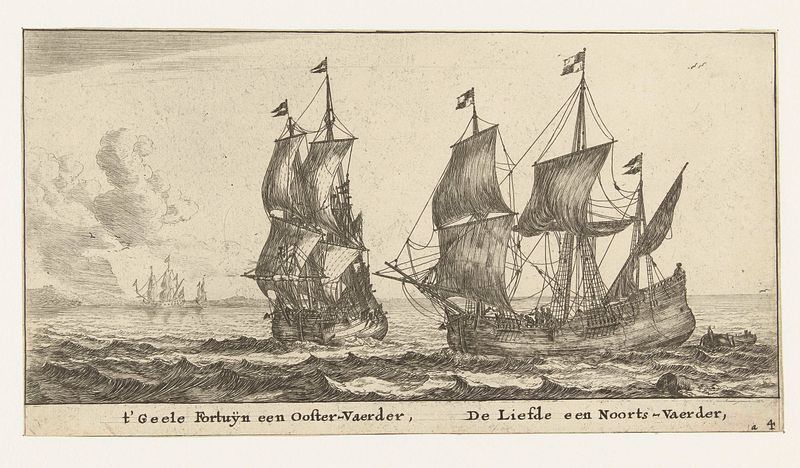
De schepen 't Gele Fortuin en De Liefde
Reinier Nooms
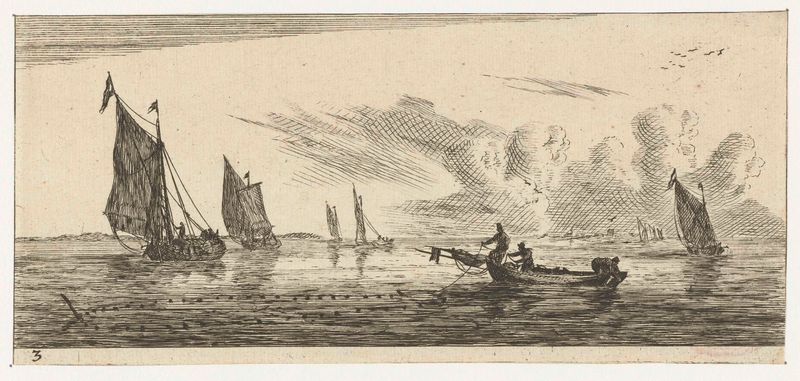
Zeegezicht met verschillende zeilschepen
Reinier Nooms
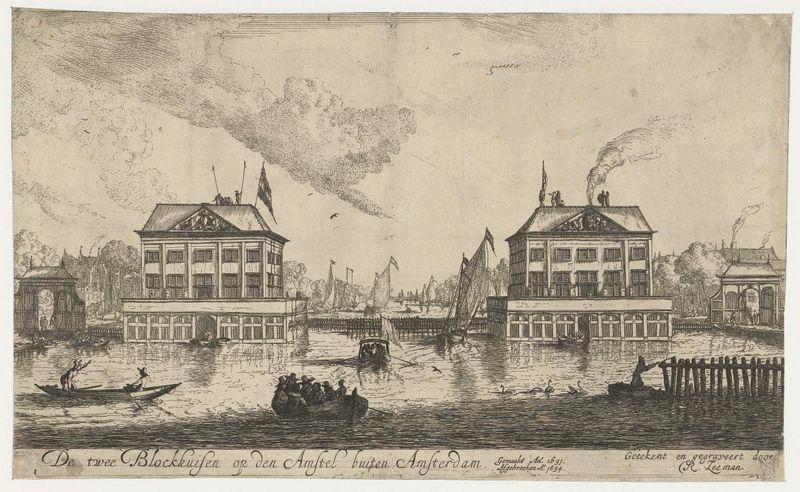
Gezicht op de twee Blokhuizen in de Amstel
Reinier Nooms
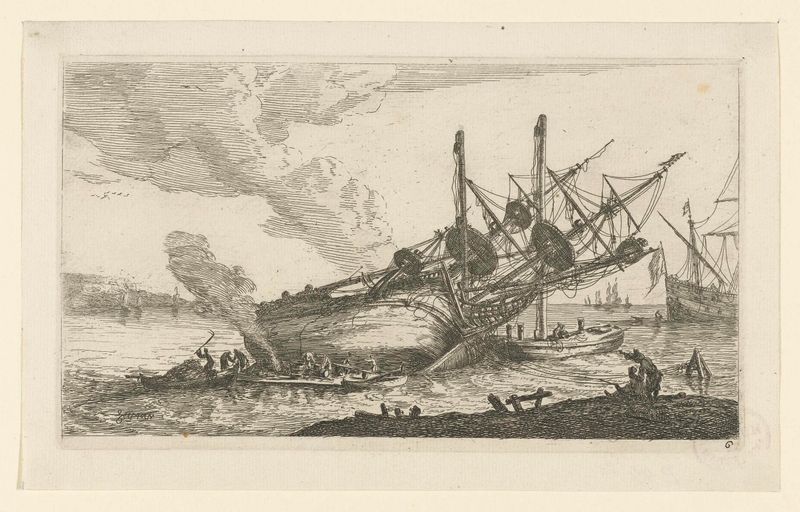
Reparaties aan de romp van een schip
Reinier Nooms
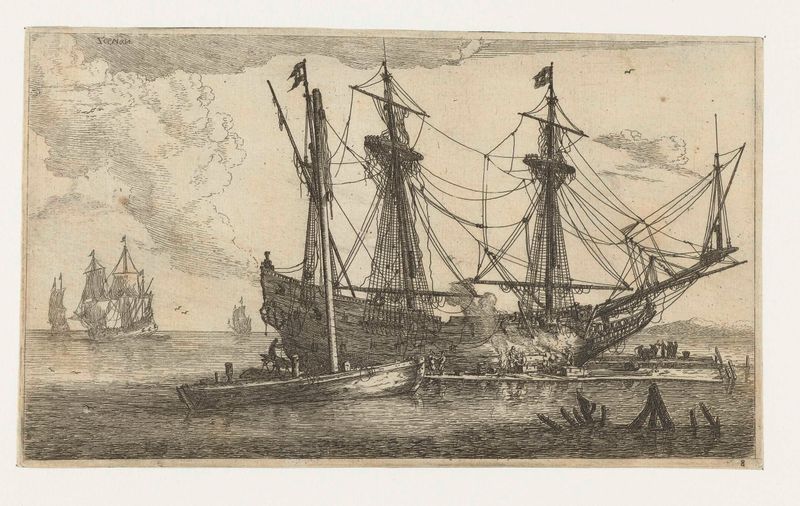
Reparaties aan de romp van een schip
Reinier Nooms
More Architecture Art
Browse all →
The statue of Liberty
Frédéric Auguste Bartholdi

View of Houses in Delft, Known as ‘The Little Street’
Johannes Vermeer

View of Houses in Delft, Known as ‘The Little Street’
Johannes Vermeer

The Cathedral in Rouen. The portal, Grey Weather
Claude Monet

The yellow house
Vincent van Gogh

The Church in Auvers-sur-Oise, View from the Chevet
Vincent van Gogh