Hexagonal ewer with flowering plants and floral scrolls — History & Facts
In the delicate artistry of the ewer, transformation unfolds through the intricate dance of flora and form, whispering stories of beauty long past. Look closely at the hexagonal shape, where each side presents a vibrant tapestry of flowering plants and graceful floral scrolls. Notice how the colors blossom like a garden in full bloom—deep greens contrast with vivid reds and yellows, each hue meticulously layered to create depth and life. The artist’s technique reveals a mastery of detail, inviting the viewer’s gaze to wander over the elegant curves and contours that embody both functionality and ornate decoration. As you explore further, consider the symbolism embedded within the floral motifs.
Each plant may carry meanings of growth, renewal, and the ephemeral nature of beauty, hinting at the cycle of life and death. The scrolls, weaving around the ewer’s body, echo ideas of connectivity and continuity, suggesting the passage of time and tradition. Together, these elements evoke a sense of harmony, inviting reflection on the interplay between nature and human craftsmanship. Created between 1680 and 1720, during a time when decorative arts flourished across Europe, this artwork emerges from an era rich in innovation and expression.
The unknown artist worked amid a growing appreciation for porcelain and ceramics, influenced by the global exchange of ideas and materials. In this context, the ewer stands as a testament to the era’s artistry and the enduring allure of nature-inspired design.
More Artworks by Unknown Artist
Browse all →
Ridder, Dood en Duivel
Unknown Artist
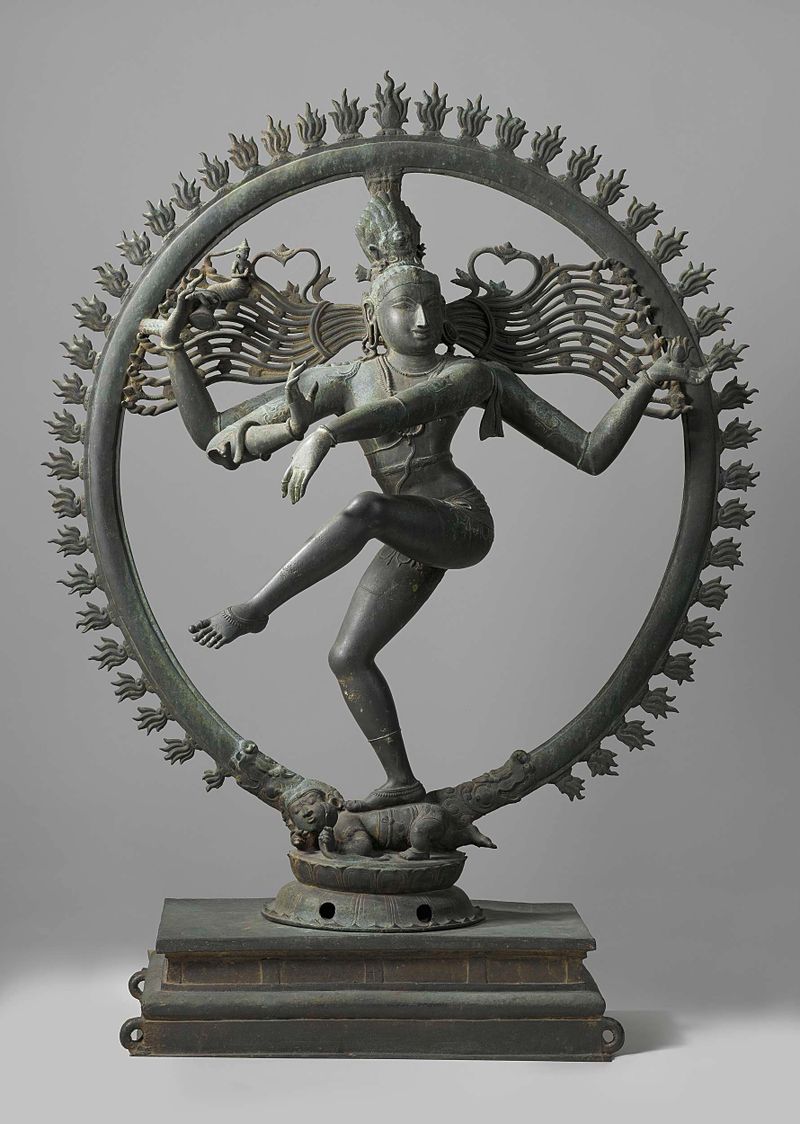
Shiva Nataraja
Unknown Artist
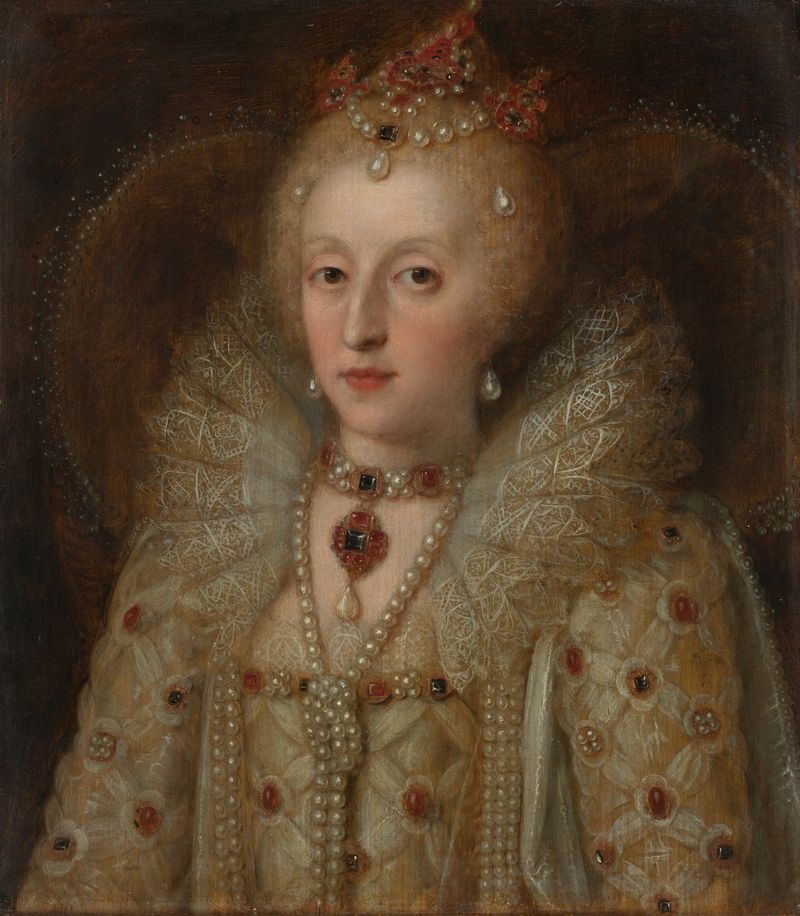
Portrait of Elizabeth I, Queen of England
Unknown Artist
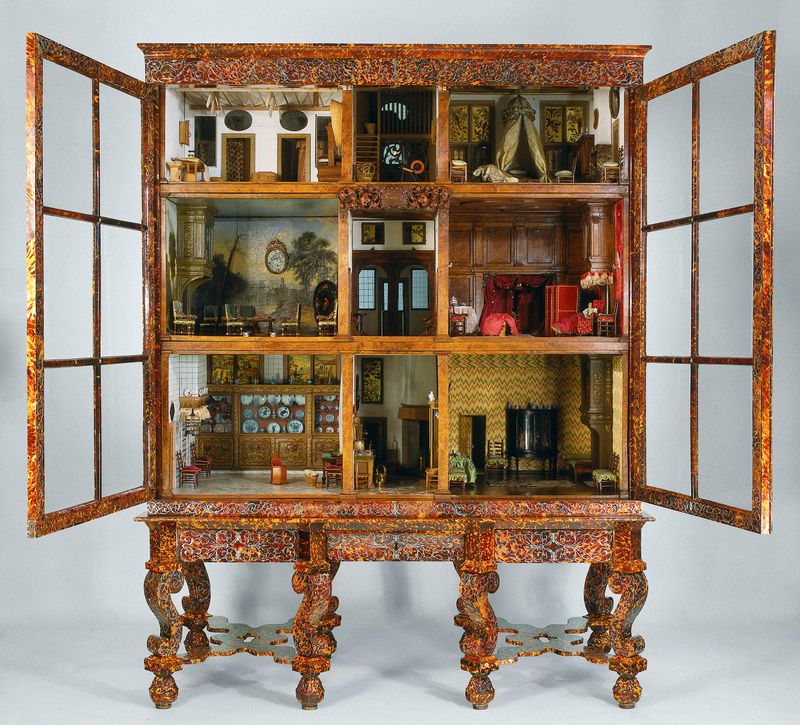
Dolls’ house of Petronella Oortman
Unknown Artist
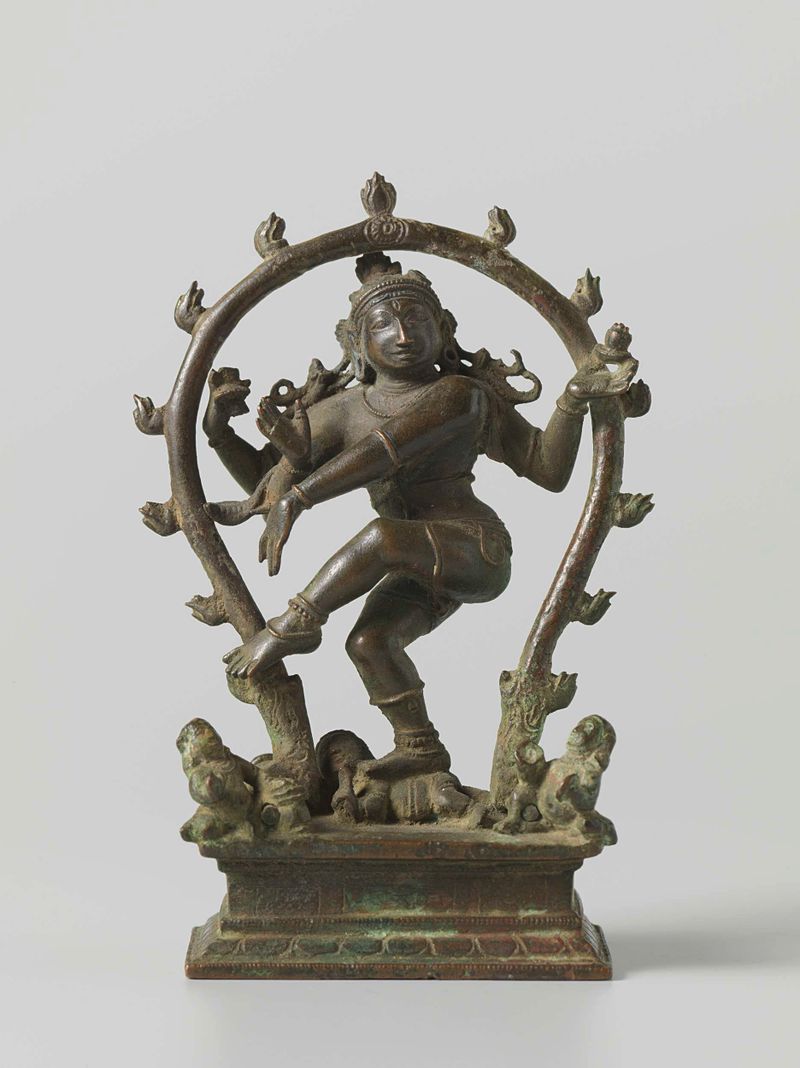
Shiva Nataraja
Unknown Artist

The Tale of Genji
Unknown Artist

The Tale of Genji
Unknown Artist

Cong
Unknown Artist
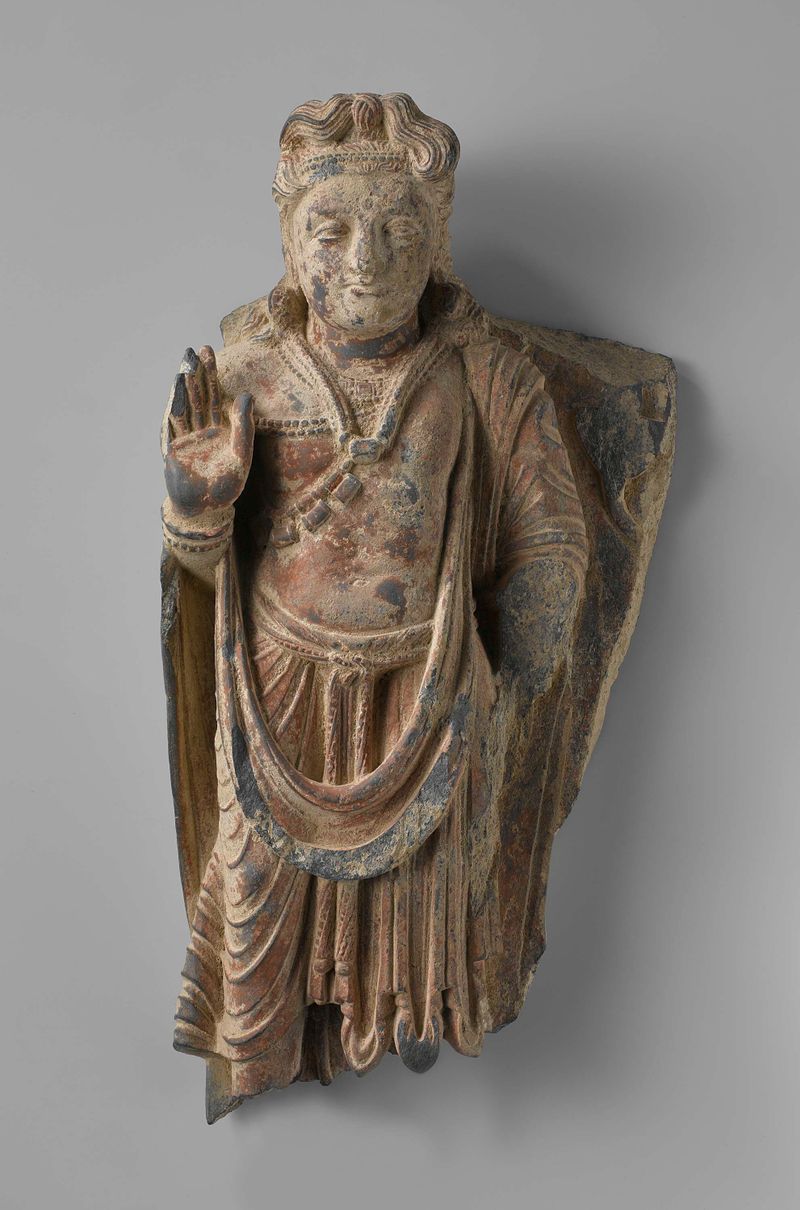
The bodhisattva Maitreya
Unknown Artist

Teabowl with a 'hare's fur' glaze
Unknown Artist