
Hilly lake shore — History & Facts
When did color learn to lie? In the world of art, hues can veil sorrow under a shimmering surface, masking the ache that lingers beneath. Focus on the vibrant greens and soft blues that dominate the canvas, drawing you into the serene yet melancholic landscape. Notice how the gentle brushstrokes coalesce into a hilly shoreline, where the lake's surface shimmers with an almost deceptive tranquility. The contrast of light and shadow plays delicately across the scene, inviting viewers to linger, yet prompting an introspection that hints at undercurrents of grief hidden within nature's beauty. As you explore the edges of the painting, small details emerge: the rugged texture of the hills, the soft ripples on the lake, and the way the clouds gather, signaling an unspoken tension.
This interplay between vibrant color and subtle darkness evokes a sense of longing, a reminder of life's transience woven into the fabric of the landscape. Each stroke breathes a whisper of melancholy, leaving you to contemplate the stories that lie behind the serene façade. During the years 1854 to 1857, the artist was navigating personal and societal changes, creating works that reflected both nature's beauty and its latent despair. This period saw a growing interest in realism, as artists aimed to capture the truth of human experience.
Blaschnik's engagement with these themes in Hilly Lake Shore reveals not only his technical skill but also his introspective exploration of grief, grounded in the realities of his time.
More Artworks by Arthur Blaschnik
Browse all →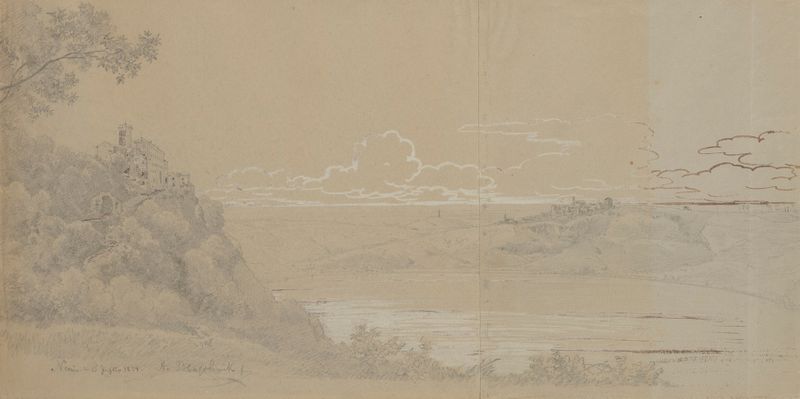
Palazzo Ruspoli by Lake Nemi, in the Distance the Town of Genzano di Roma
Arthur Blaschnik
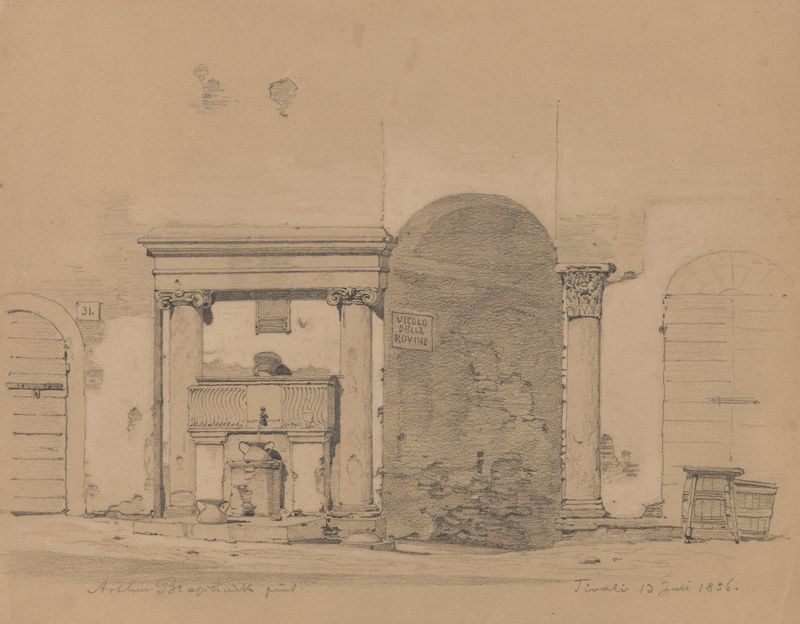
Gate Leading to Vicoli dei Grana near Piazza Palatina in Tivoli
Arthur Blaschnik
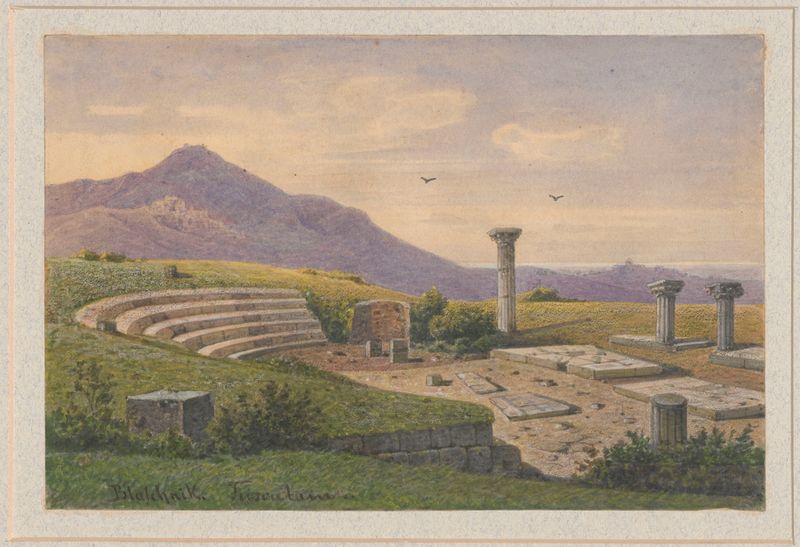
Amphitheatre in Tusculum
Arthur Blaschnik
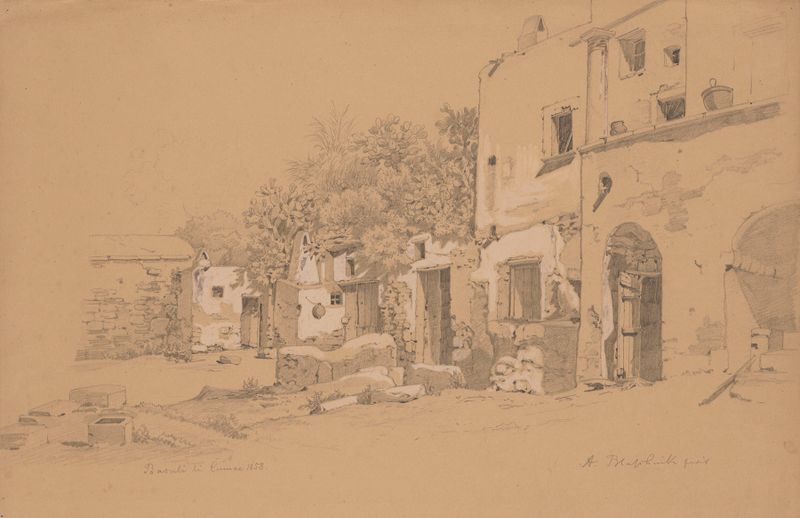
House and Outbuildings in Bacoli
Arthur Blaschnik
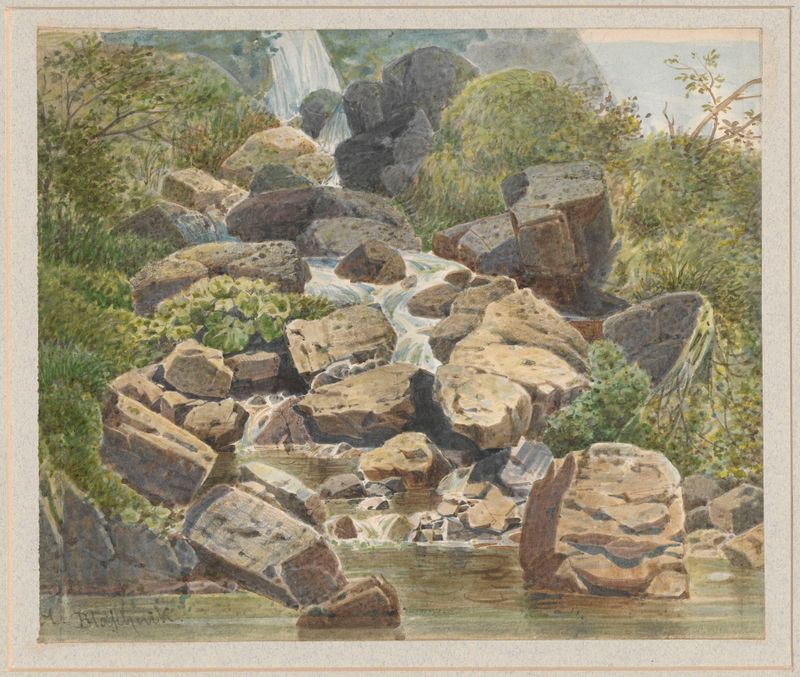
View of a small waterfall near Covigliaio, Tuscany
Arthur Blaschnik
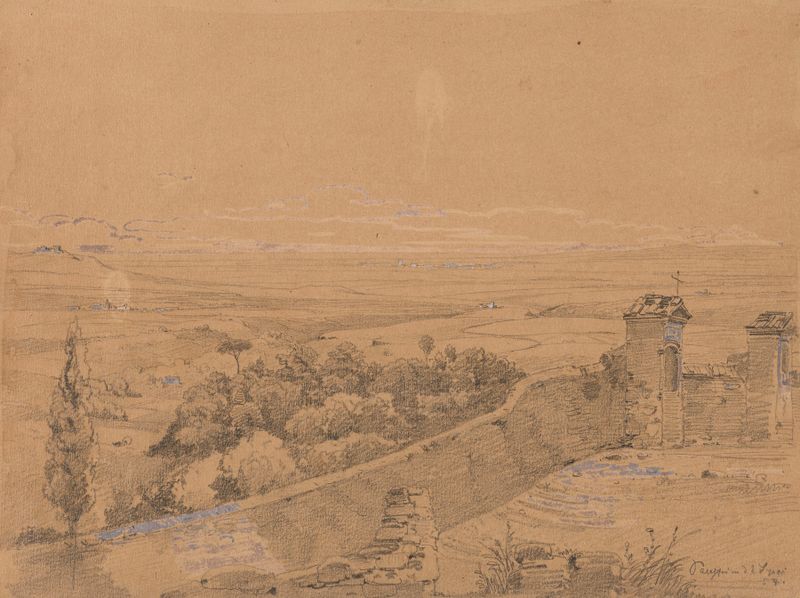
Landscape from the Vicinity of Palestrina
Arthur Blaschnik
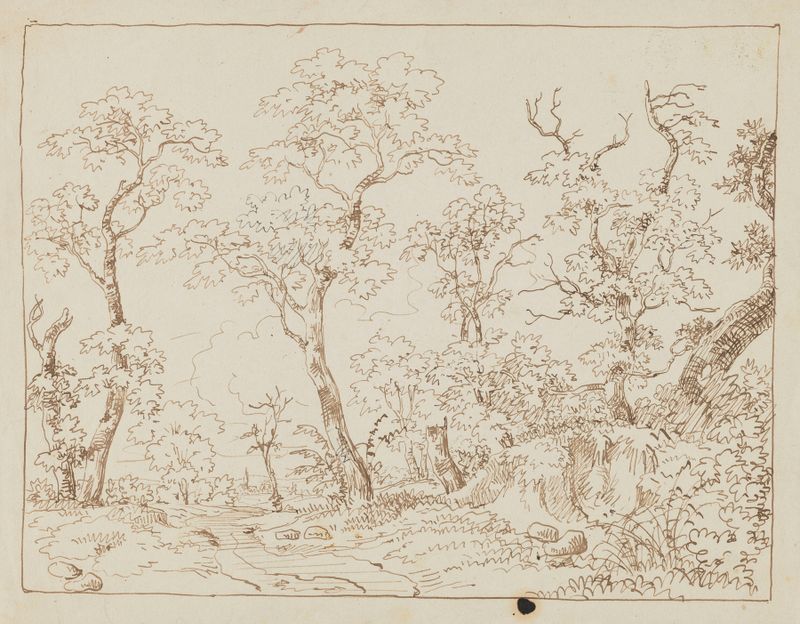
Studies of Trees, Landscape
Arthur Blaschnik
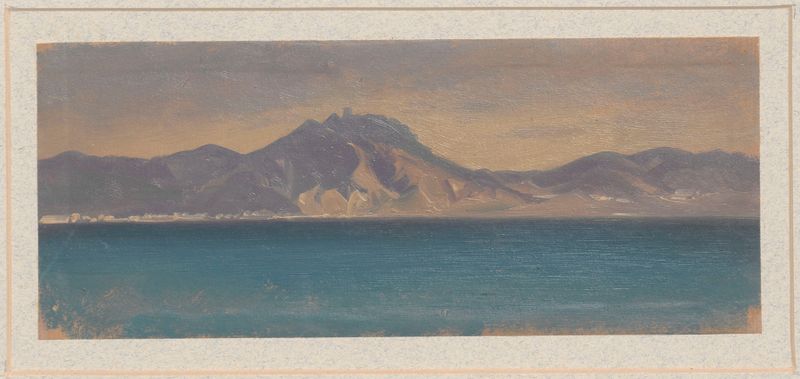
View of the Island of Capri
Arthur Blaschnik
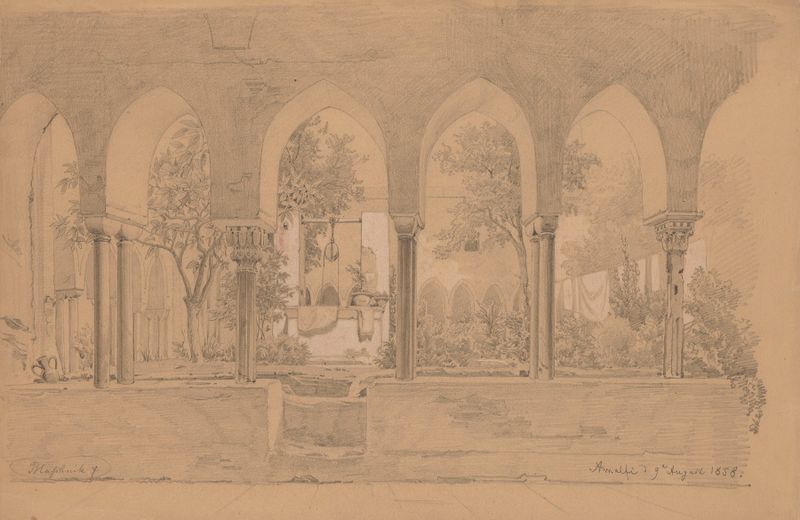
Cloister with Arcade Gallery in Amalfi
Arthur Blaschnik
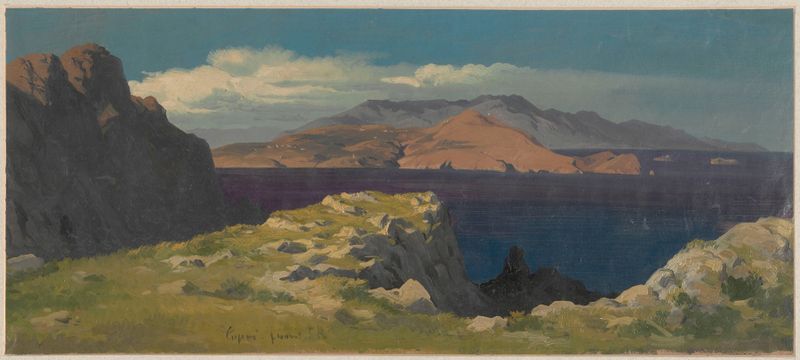
View of Capri
Arthur Blaschnik





