
Knaresborough Castle, Yorkshire — History & Facts
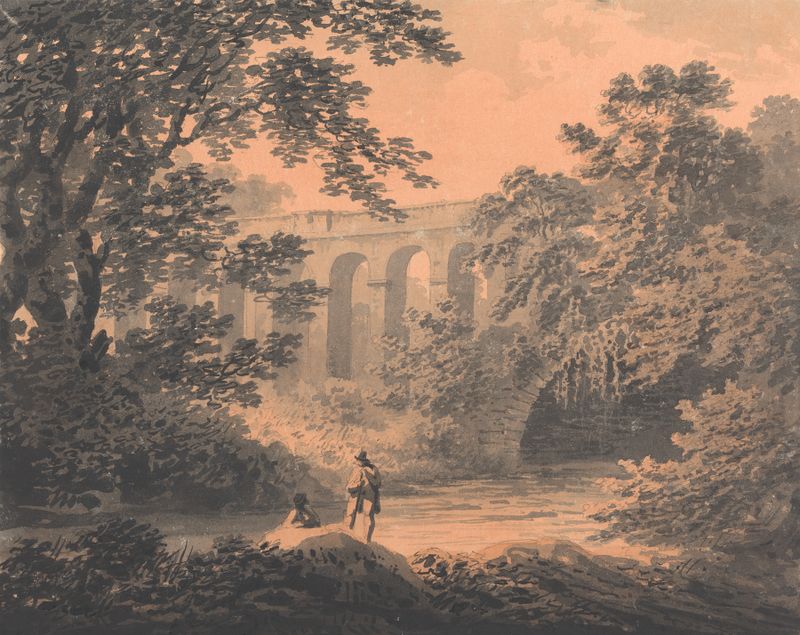
In the stillness of Knaresborough Castle, Yorkshire, a fragile history unfolds, whispering secrets of time long past. The ruins stand resilient yet vulnerable, cradled by the encroaching nature that envelops them, inviting reflection on the ephemeral nature of both buildings and memories. Look to the left, where soft, muted greens dance against the weathered stone of the castle’s walls. The artist employs gentle brushstrokes, capturing the play of light and shadow that reveals the textures of decay.
Notice how the castle’s imposing structure rises against the delicate sky, reminding us of its once-mighty stature. The palette, rich in earth tones, evokes a sense of nostalgia, pulling the viewer into an eternal moment of quiet contemplation. Deep within this composition lies a narrative of contrast. The juxtaposition of the sturdy castle against the surrounding lushness speaks of resilience amidst decline, illuminating our own fragility in the face of time.
The creeping ivy that clings to the stone suggests nature’s reclaiming touch, hinting at the inevitable passage of time and the stories lost within these walls. Each detail in the artwork resonates with the tension between permanence and impermanence, challenging us to confront our own confessions. William Gilpin painted this scene during a period when he was exploring the picturesque, seeking to capture a harmonious relationship between nature and architecture. This work, created in the late 18th century, reflects his interest in aesthetic beauty and the sublime, coinciding with the growing Romantic movement in art.
At this time, Gilpin’s travels through the English countryside influenced his artistic approach, leading him to immortalize the tranquil yet poignant essence of sites like Knaresborough Castle.
More Artworks by William Gilpin
Browse all →
Bridgnorth Bridge, Shropshire
William Gilpin
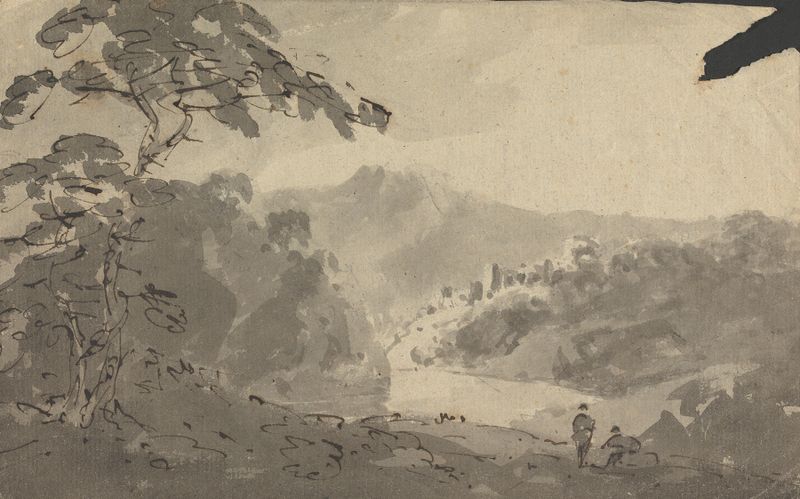
Two Men Looking Into Landscape with Castle, River and Mountain Scene
William Gilpin
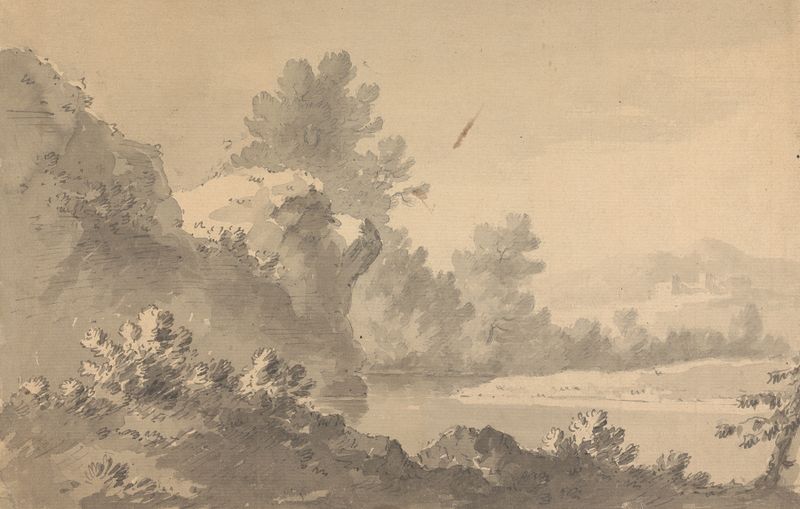
River Landscape with Castle in the Distance
William Gilpin
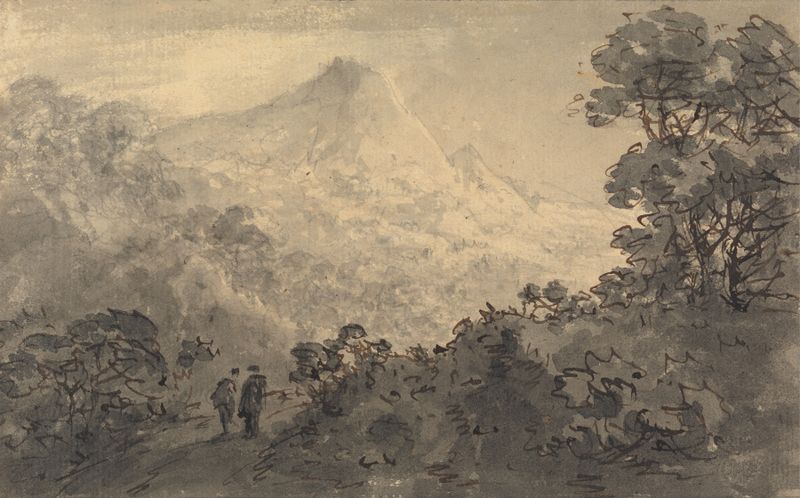
Snowdon
William Gilpin

Hilly Landscape
William Gilpin
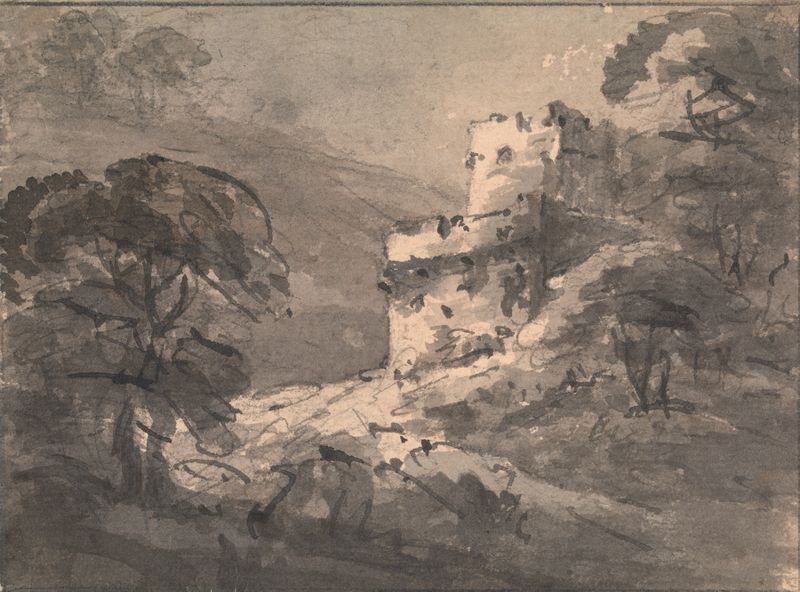
Landscape with a Ruined Castle on the Right
William Gilpin

Mountainous Landscape with Trees – High Crags to the Right
William Gilpin

View of Castle Ruin
William Gilpin
Bridge on the Malton Road from York
William Gilpin

Landscape with Two Trees and Castle
William Gilpin





