Hinterhof — History & Facts
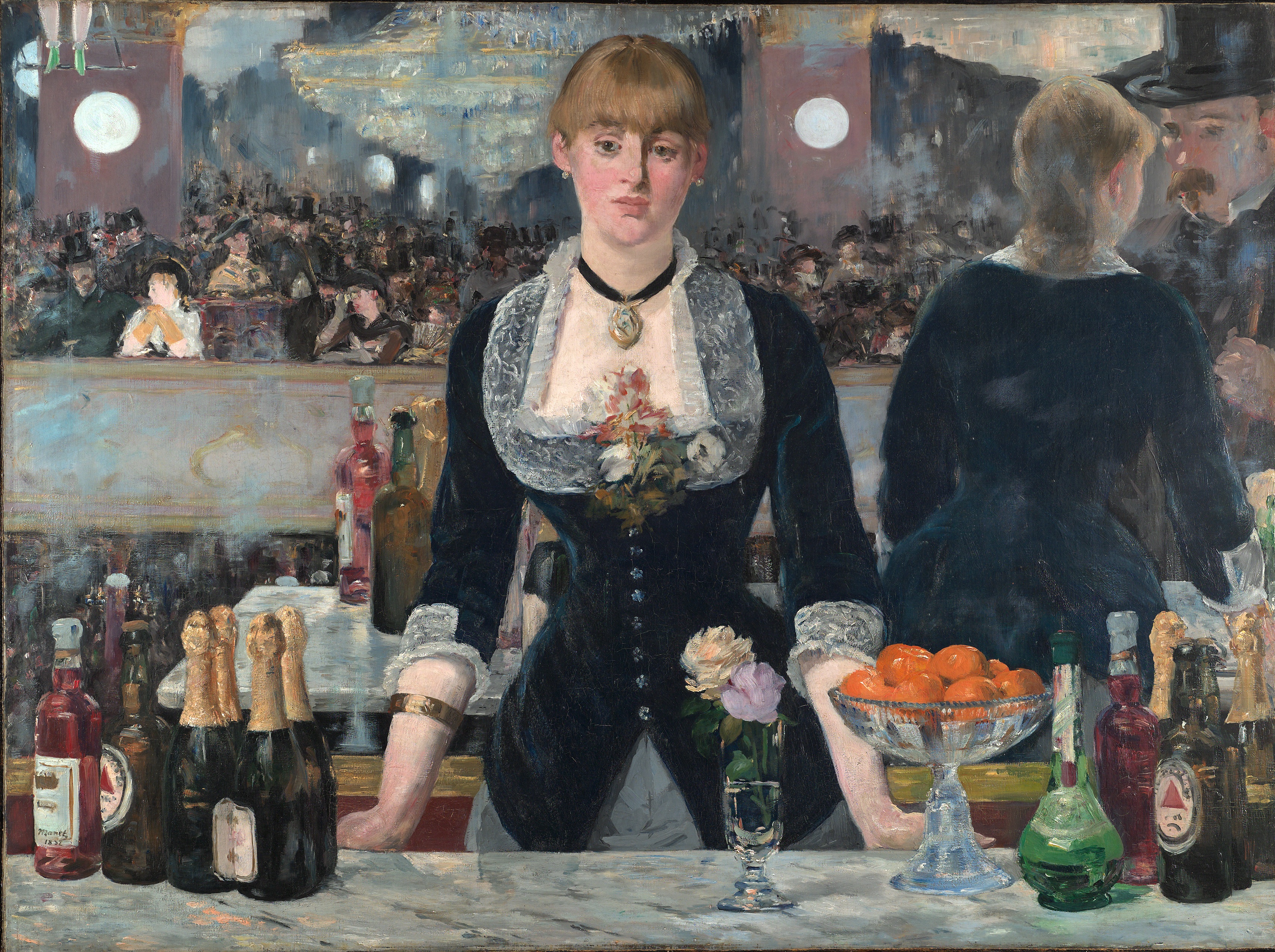
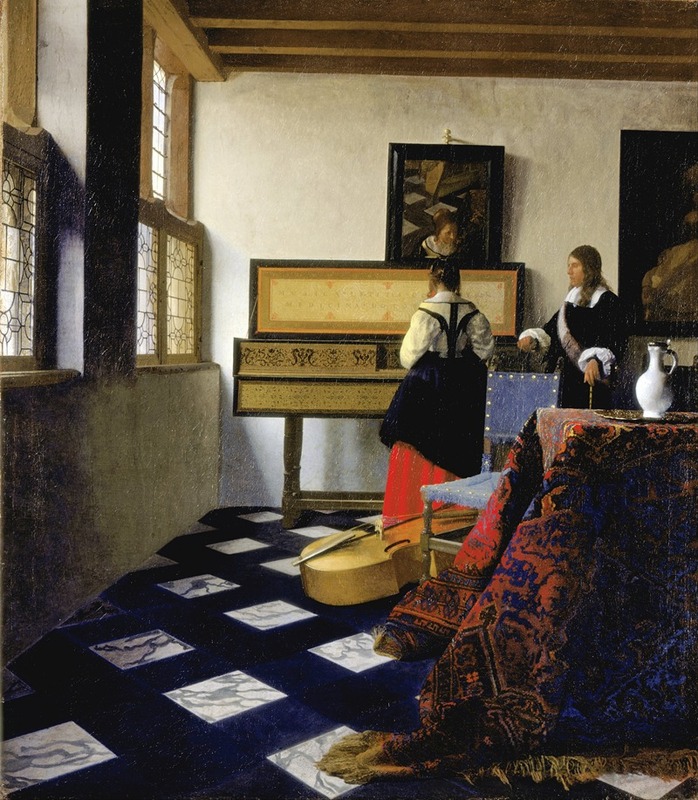
What secret hides in the quiet of the canvas? In a world that often feels chaotic, fragility finds its voice in the stillness of art, whispering truths that resonate deeply. To truly appreciate Hinterhof, look to the left where shadows stretch across the cobblestones, hinting at the passage of an unseen moment. The muted palette of earth tones evokes a sense of nostalgia, while the delicate play of light reveals an ephemeral beauty in the ordinary. Notice how the soft edges create a sense of intimacy, inviting you to linger within this sheltered space, as if you are privy to the whispers of the past echoing through its walls. Yet, beneath this serene exterior lies a tension that speaks to the transient nature of life.
The juxtaposition of the sturdy architecture against the fragile details—perhaps a withering plant or a discarded object—reminds us that even stability can be vulnerable. The composition draws your eye to the doorway, a threshold between the known and the unknown, suggesting both invitation and exclusion, urging contemplation of what lies beyond. Otto Geigenberger created Hinterhof during a time when post-war Europe was grappling with reconstruction and uncertainty. Working in the mid-20th century, he captured the quiet lives unfolding in urban spaces, reflecting a collective yearning for solace amidst the remnants of conflict.
This painting stands as a testament to the resilience of human experiences, encapsulating moments that often go unnoticed yet speak volumes about our existence.
More Artworks by Otto Geigenberger
Browse all →
Hohe Munde bei Seefeld in Tirol
Otto Geigenberger
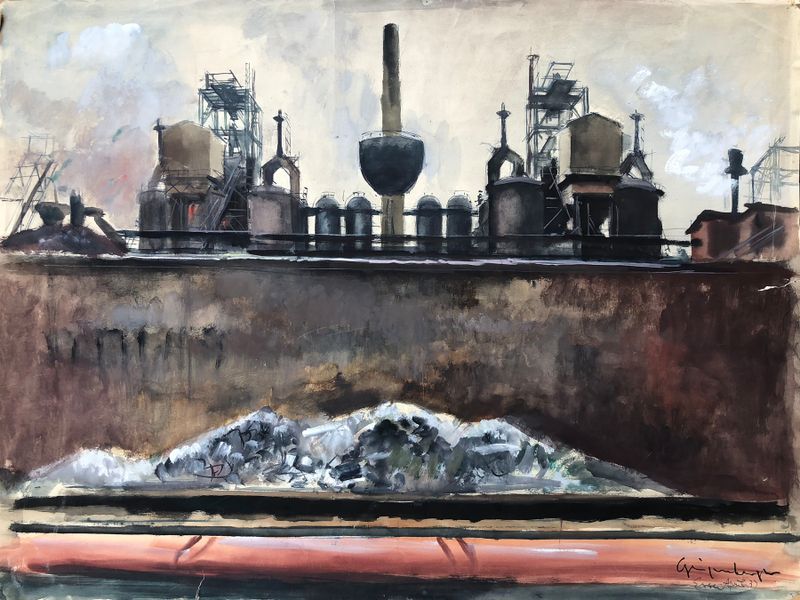
Stahlwerk Krupp in Essen
Otto Geigenberger

Landschaft mit Kirche
Otto Geigenberger

Passau am Inn 2
Otto Geigenberger
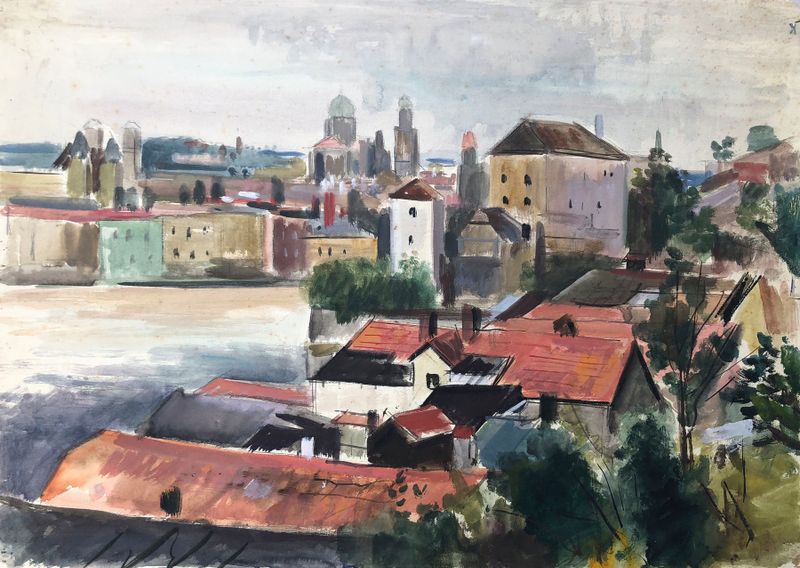
Passau am Inn
Otto Geigenberger
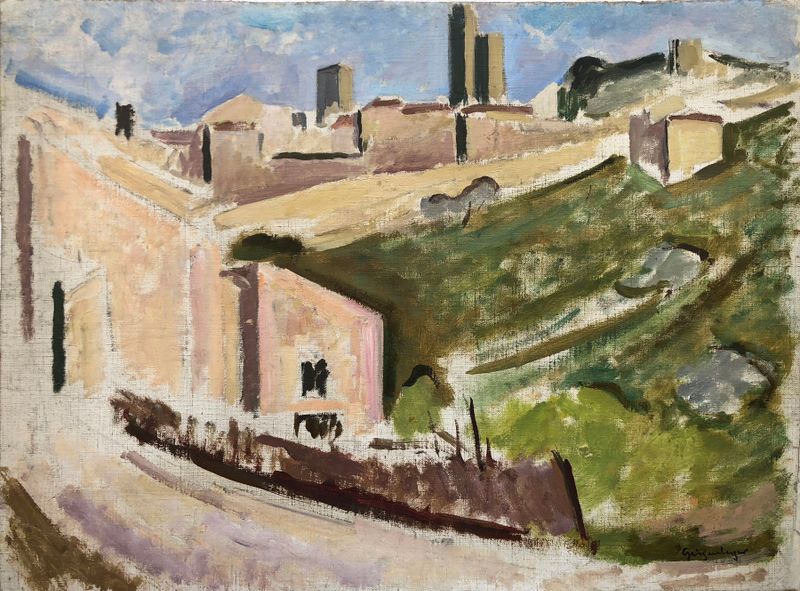
Südliche Stadt auf einem Hügel
Otto Geigenberger

Wasserburg am Inn – Häuserpartie am Inn
Otto Geigenberger

Wasserburg am Inn – Innfront
Otto Geigenberger
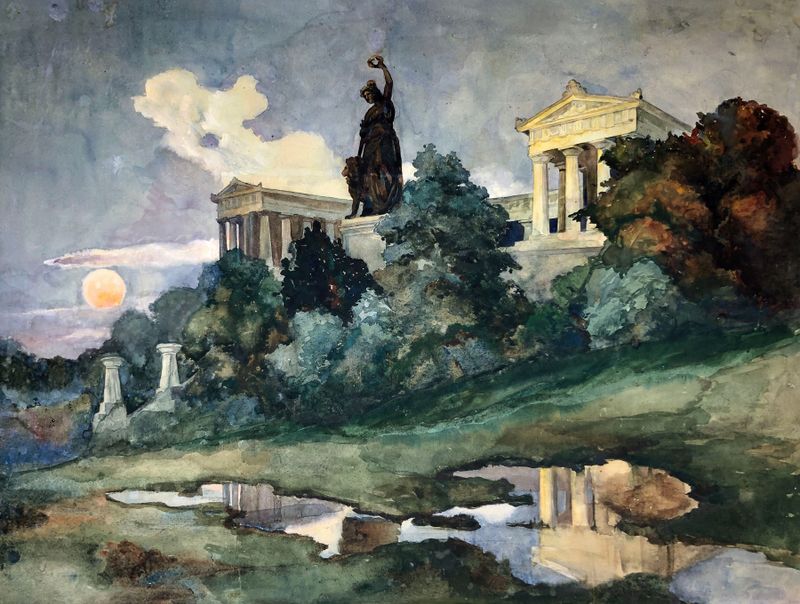
Sonnenuntergang an der Bavaria und Ruhmeshalle in München
Otto Geigenberger
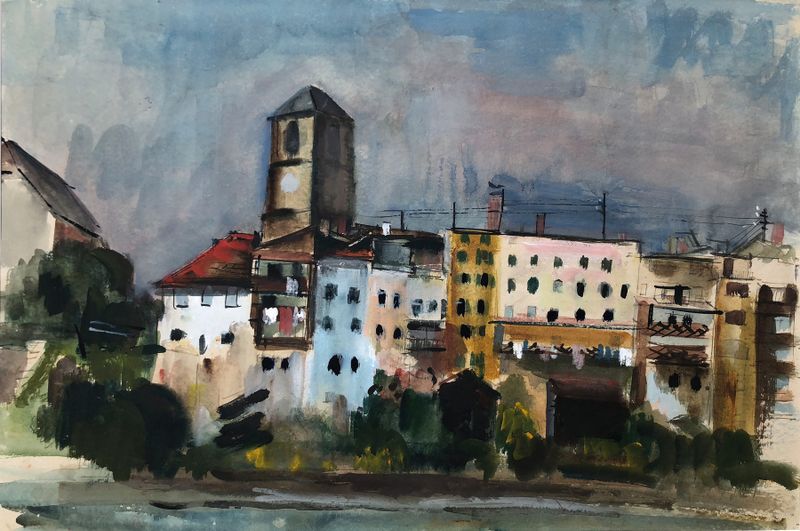
Wasserburg am Inn – Innfront.
Otto Geigenberger