
Historie van de barmhartige Samaritaan — History & Facts
What if silence could speak through light? In the stillness of Historie van de barmhartige Samaritaan, an unseen tension weaves through the scene, whispering stories of compassion and yearning. Look closely at the figures gathered on the left, where the Samaritan kneels beside the wounded man. Notice how the light cascades from above, illuminating the Samaritan’s gentle touch contrasted against the shadows of indifference cast by the passersby. The deep, rich colors and the intricate detailing in their garments pull the eye, creating a vivid tapestry of human emotion and interaction that immerses the viewer in this moment of mercy. Hidden within the brushstrokes lies a profound exploration of empathy.
The stark juxtaposition between the Samaritan’s tenderness and the apathetic figures in the background highlights the conflict between self-interest and altruism. The subtle interplay of light and dark speaks to the complex nature of human interaction, invoking a yearning for connection in a world where such compassion can easily be overlooked. Each glance reveals more about the relationships we form and the choices we make. The artist, known as the Master of Delft, painted this work in 1503, during a time marked by both artistic innovation and a rising interest in humanist themes.
Working in the Netherlands, the artist was part of a movement that sought to reflect the complexities of human emotion through narrative scenes. This period was characterized by the emergence of detailed storytelling in art, capturing not only the physical but also the spiritual essence of its subjects.
More Artworks by Master of Delft
Browse all →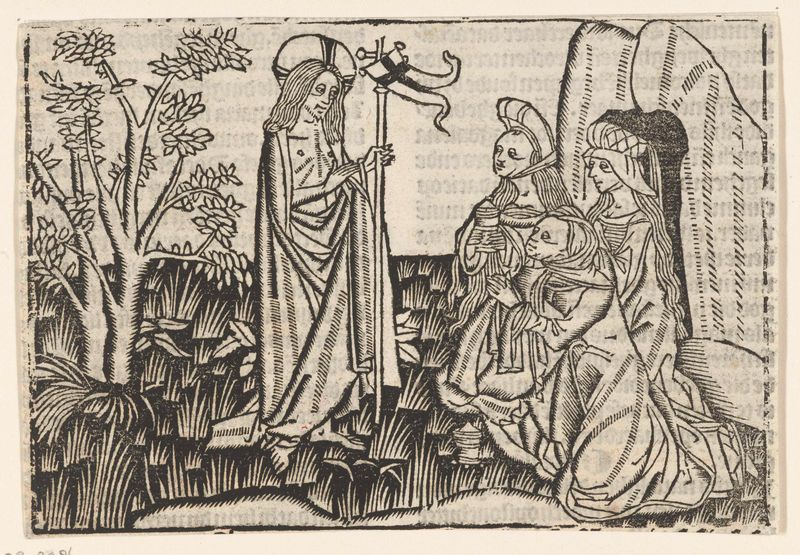
Christus verschijnt aan de drie Maria's
Master of Delft
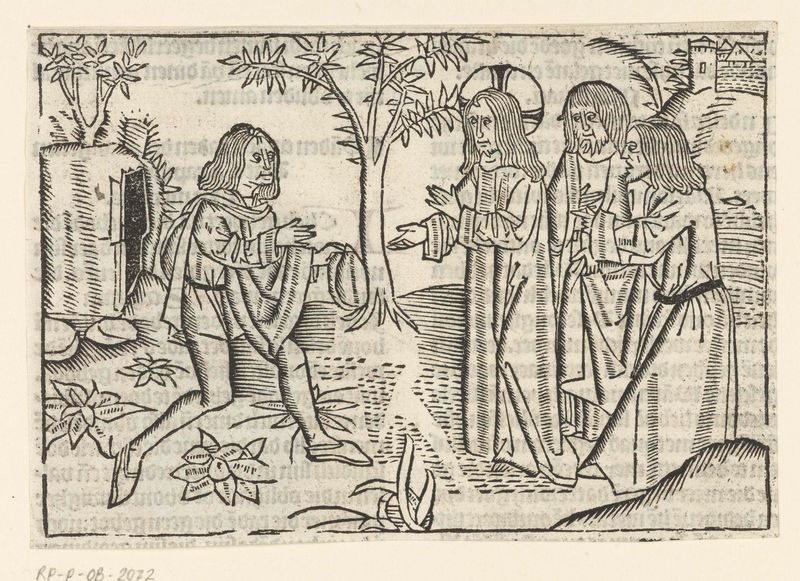
Christus en de rijke jongeling
Master of Delft
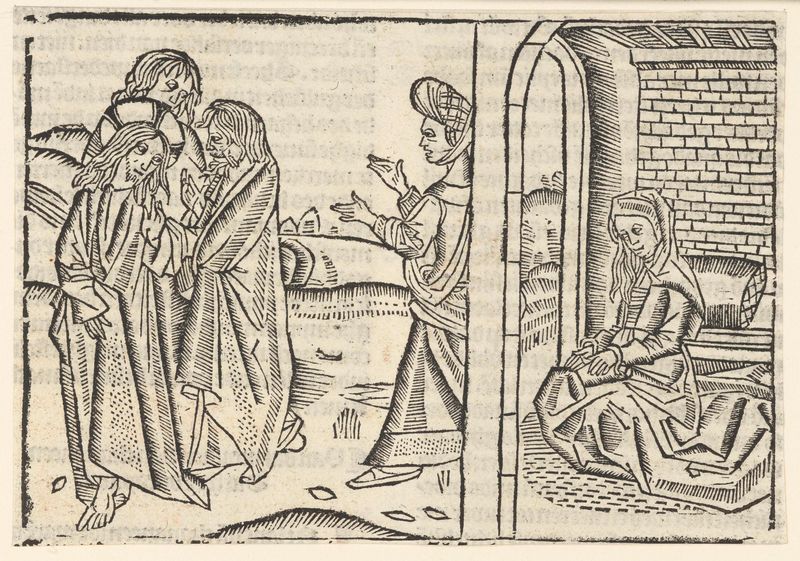
Christus en de Kanaänitische vrouw
Master of Delft
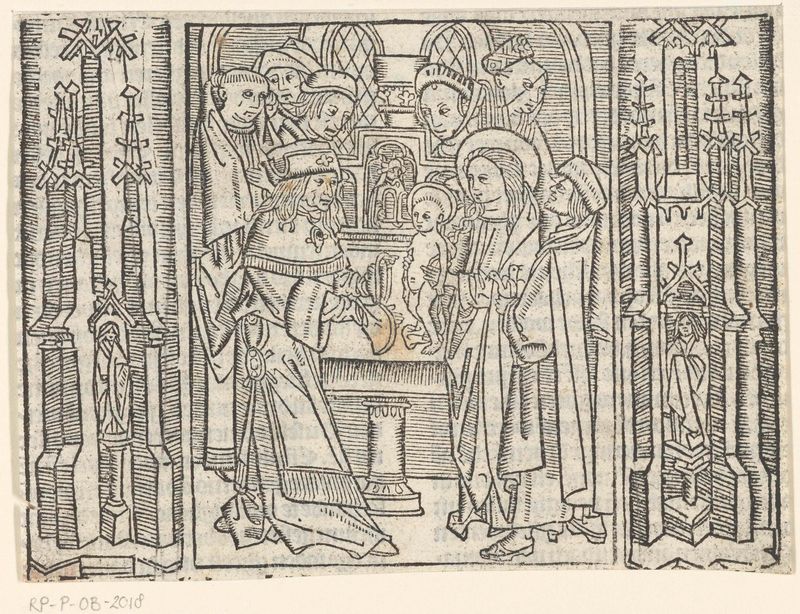
Presentatie van Christus in de tempel
Master of Delft
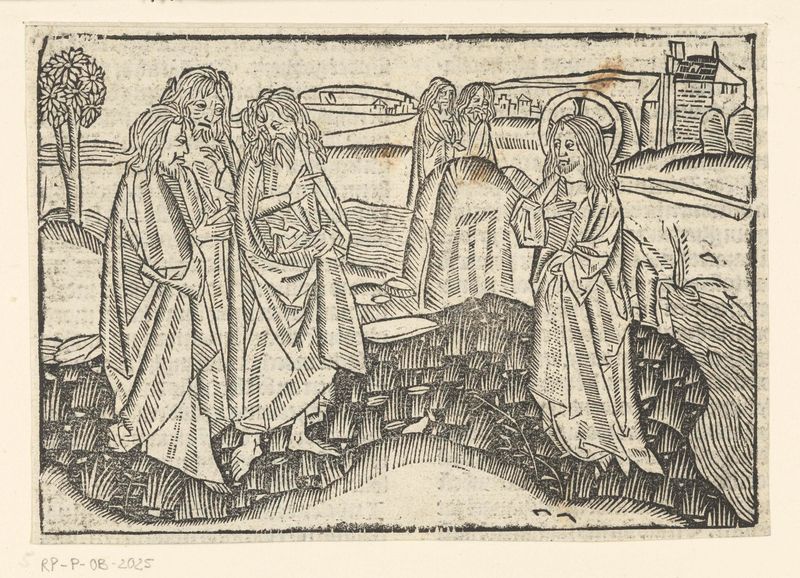
Christus kiest zijn eerste discipelen
Master of Delft
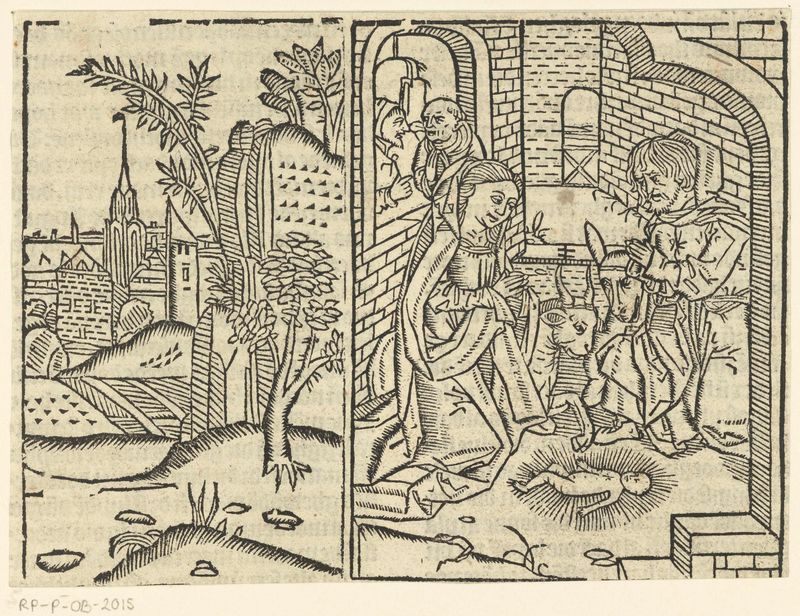
Geboorte van Christus
Master of Delft
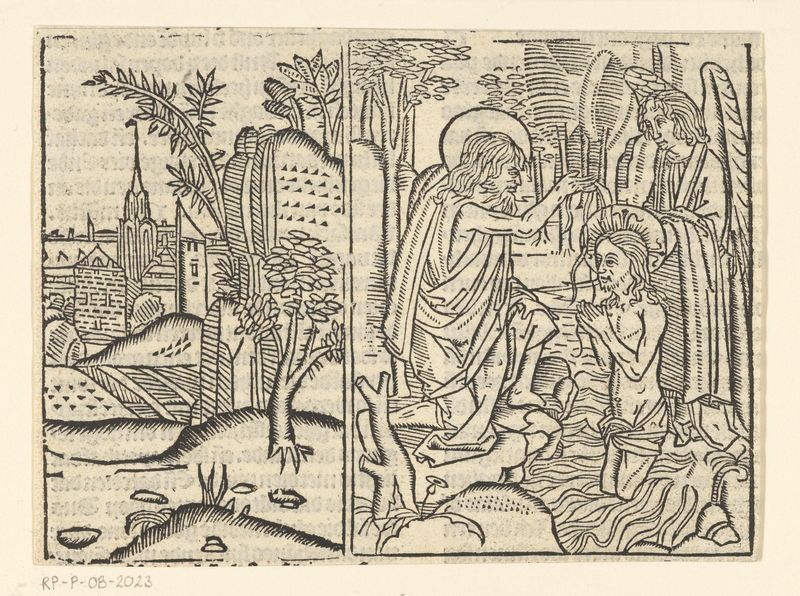
De doop van Christus in de Jordaan
Master of Delft
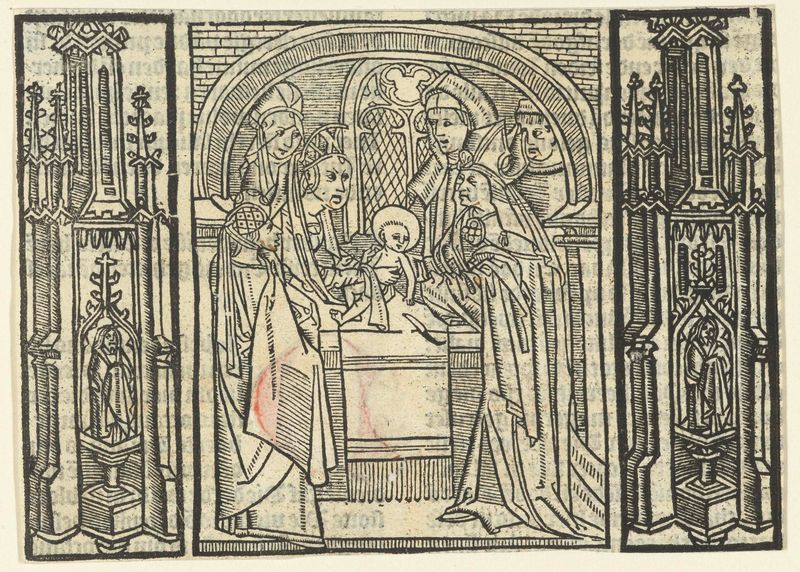
Besnijdenis van Christus
Master of Delft
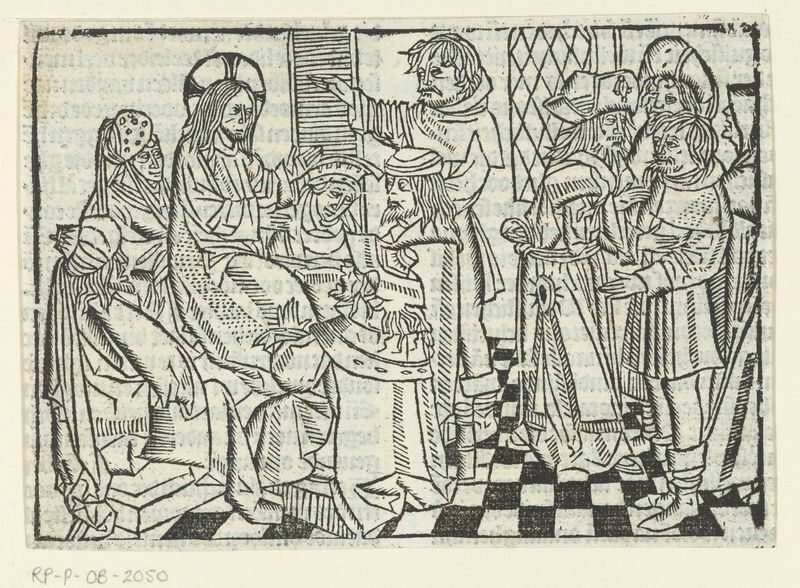
Christus geneest de man met een verdorde hand
Master of Delft
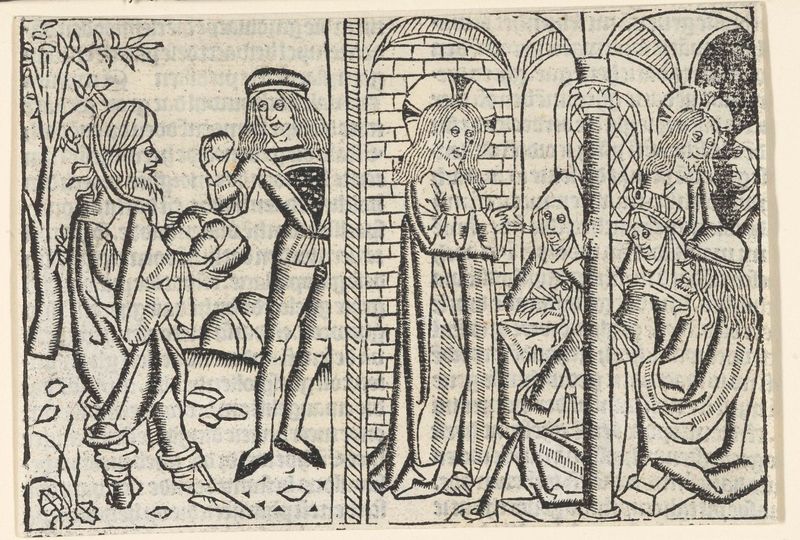
De Farizeeërs willen Christus stenigen
Master of Delft
More Religious Art
Browse all →
The Return of the Prodigal Son
Rembrandt van Rijn

The Garden of Earthly Delights
El Bosco

Count Orgaz’ funeral
El Greco

The Hundred Guilder Print: the central piece with Christ preaching, the plate arched
Rembrandt van Rijn

The Descent from the Cross
Rogier van der Weyden

The return of the prodigal son
Rembrandt van Rijn