
Hochgebirgslandschaft mit Gletscher — History & Facts
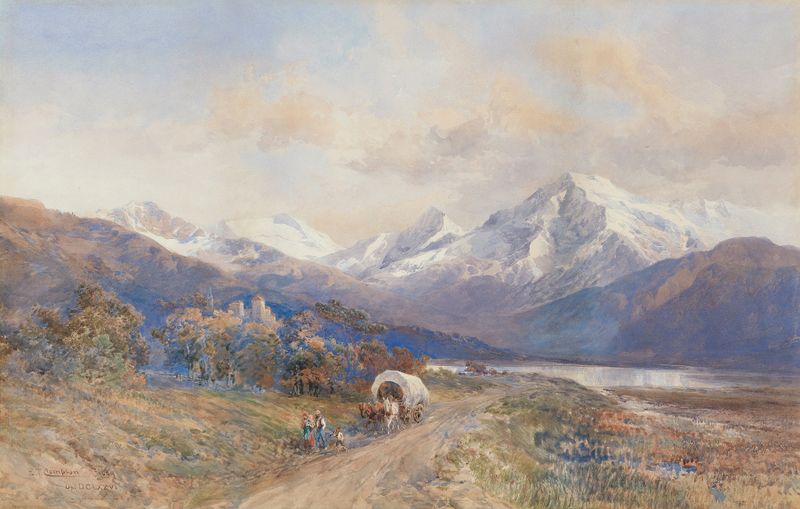
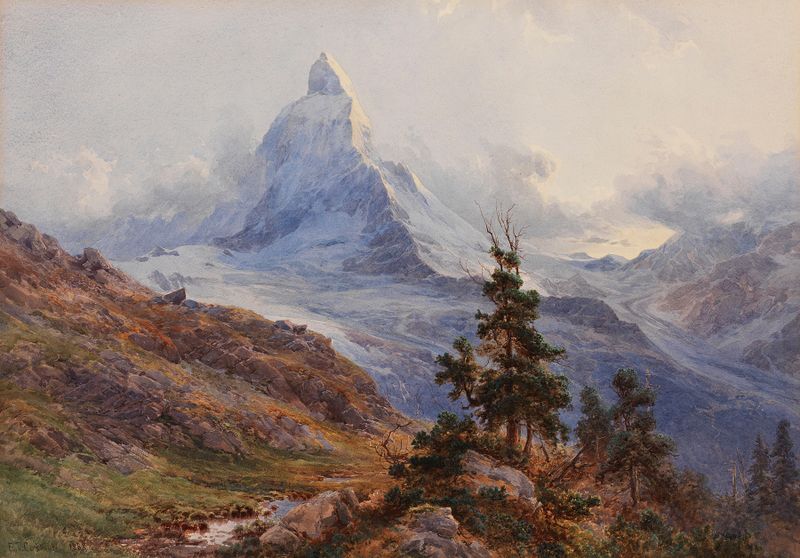
Could beauty survive in a century of chaos? This question resonates deeply as one gazes upon Edward Theodore Compton's Hochgebirgslandschaft mit Gletscher, a testament to nature’s majestic resilience amidst the tumult of the late 19th century. Look closely at the interplay between the brilliant whites of the glacier and the deep blues and greens of the surrounding mountains. The viewer’s eye is drawn first to the glistening ice, which captures and refracts sunlight, creating a shimmering halo that contrasts starkly with the rugged, shadowed peaks. Notice how Compton's meticulous brushwork renders the texture of the rocky surfaces, inviting you to explore every crevice and ridge with your imagination. Yet this serene landscape embodies tensions that linger just beneath the surface.
The imposing beauty of the glacier, while awe-inspiring, evokes a sense of isolation and vulnerability. The vastness of the mountains speaks to both the sublime power of nature and the insignificance of the individual, suggesting a yearning for connection to something greater while underscoring our loneliness in the face of such grandeur. The cool palette, with its subtle hues, hints at a melancholic reflection on the fleeting nature of beauty and life itself. Compton painted Hochgebirgslandschaft mit Gletscher in 1894, during a time of artistic exploration in Europe, as artists began to embrace the natural world’s complexity.
Living in Munich, he was part of the late Romantic movement, which sought to capture the emotional resonance of landscapes. This period saw a growing fascination with the Alps, reflecting both a personal escape and a collective yearning for untouched beauty in a rapidly industrializing world.
More Artworks by Edward Theodore Compton
Browse all →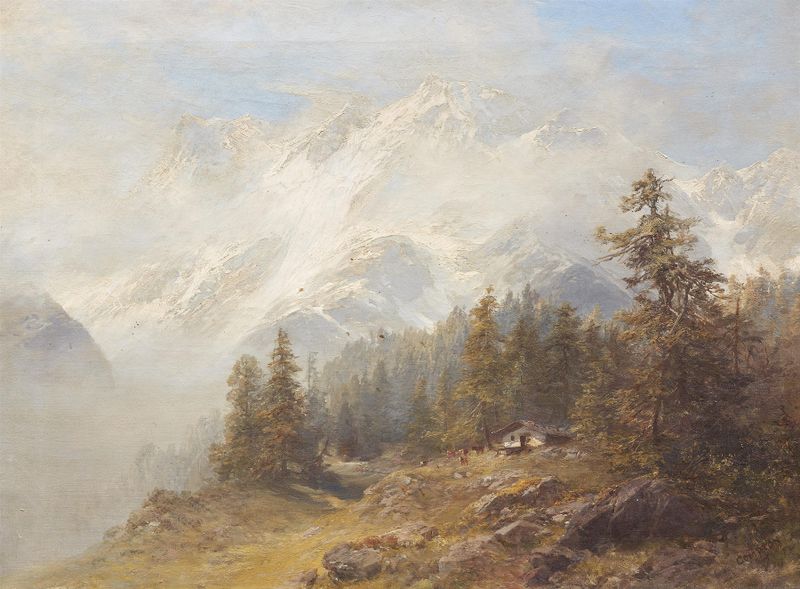
Alpenlandschaft vor schneebedecktem Massiv
Edward Theodore Compton
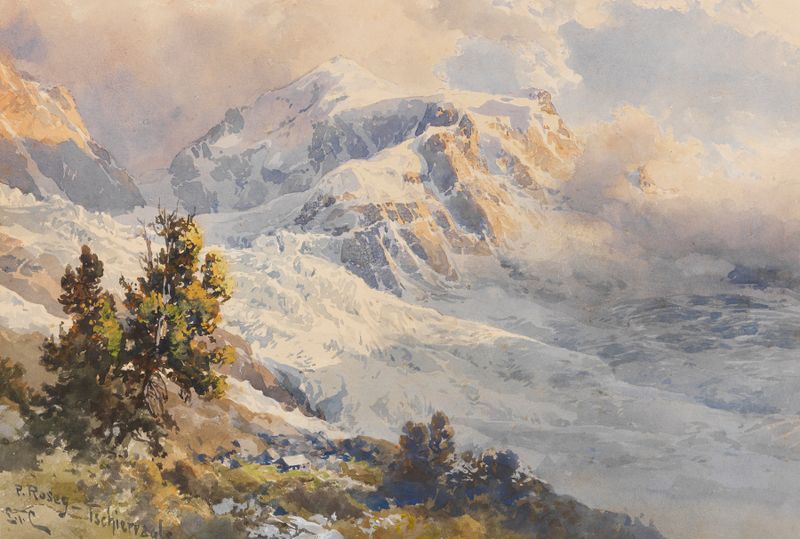
Piz Roseg – Tschiervagletscher
Edward Theodore Compton
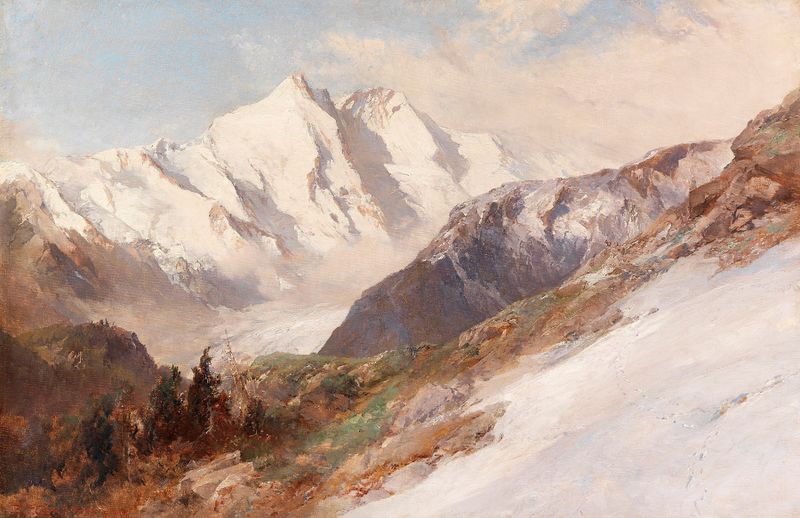
Blick auf die Nordseite des Großglockners
Edward Theodore Compton
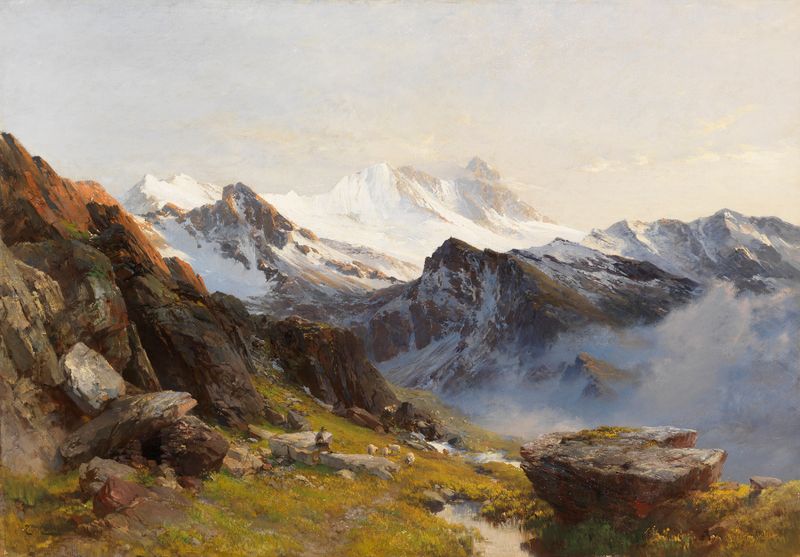
Großglockner von der Prager Hütte aus, früh
Edward Theodore Compton
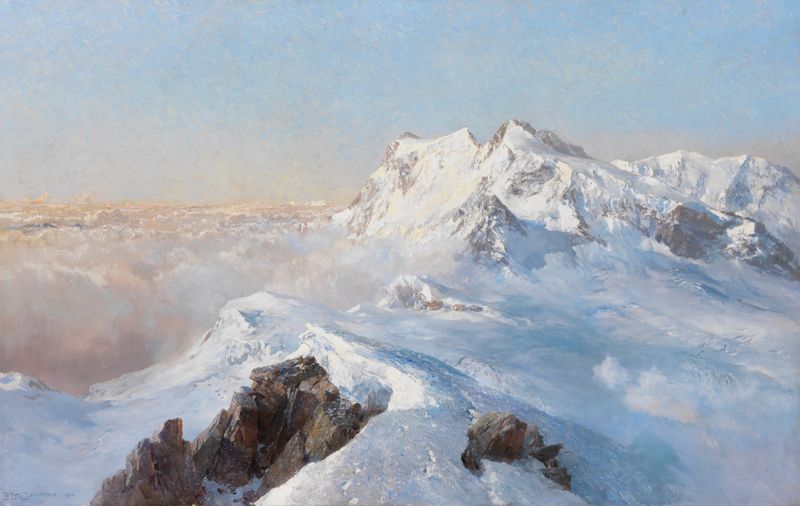
Über dem Nebelmeer (Monte Rosa vom Rimpfischhorn)
Edward Theodore Compton
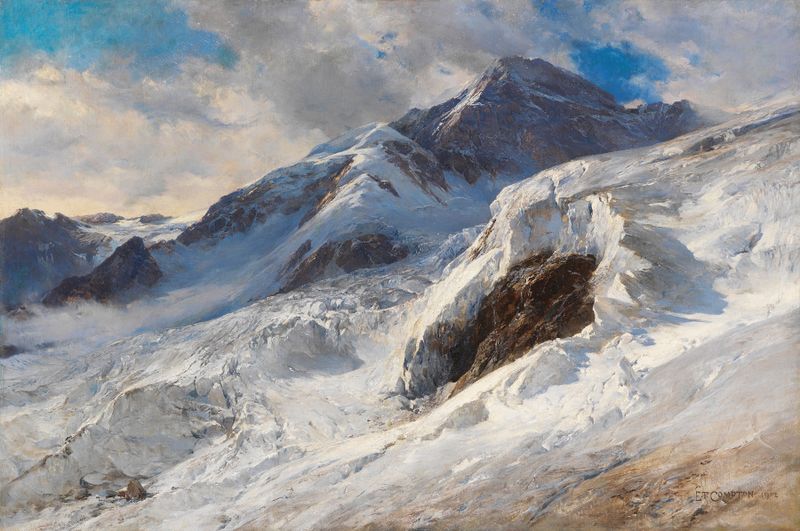
Lyskamm (Monte-Rosa)
Edward Theodore Compton
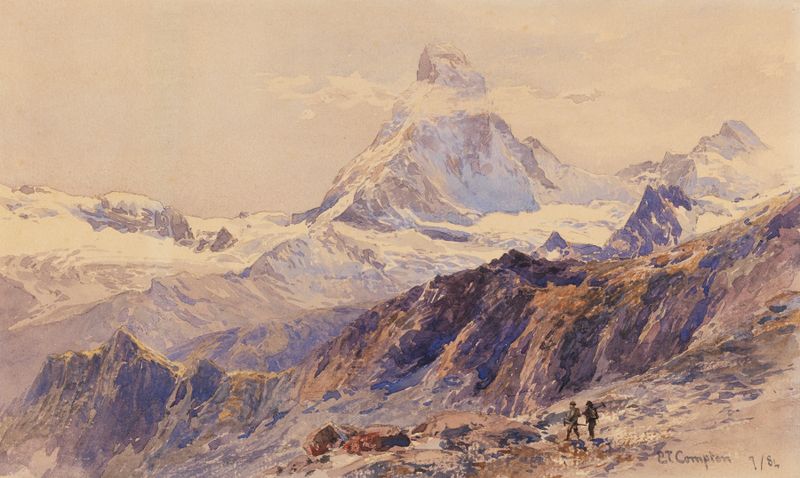
Das Matterhorn von der Triftkumme
Edward Theodore Compton
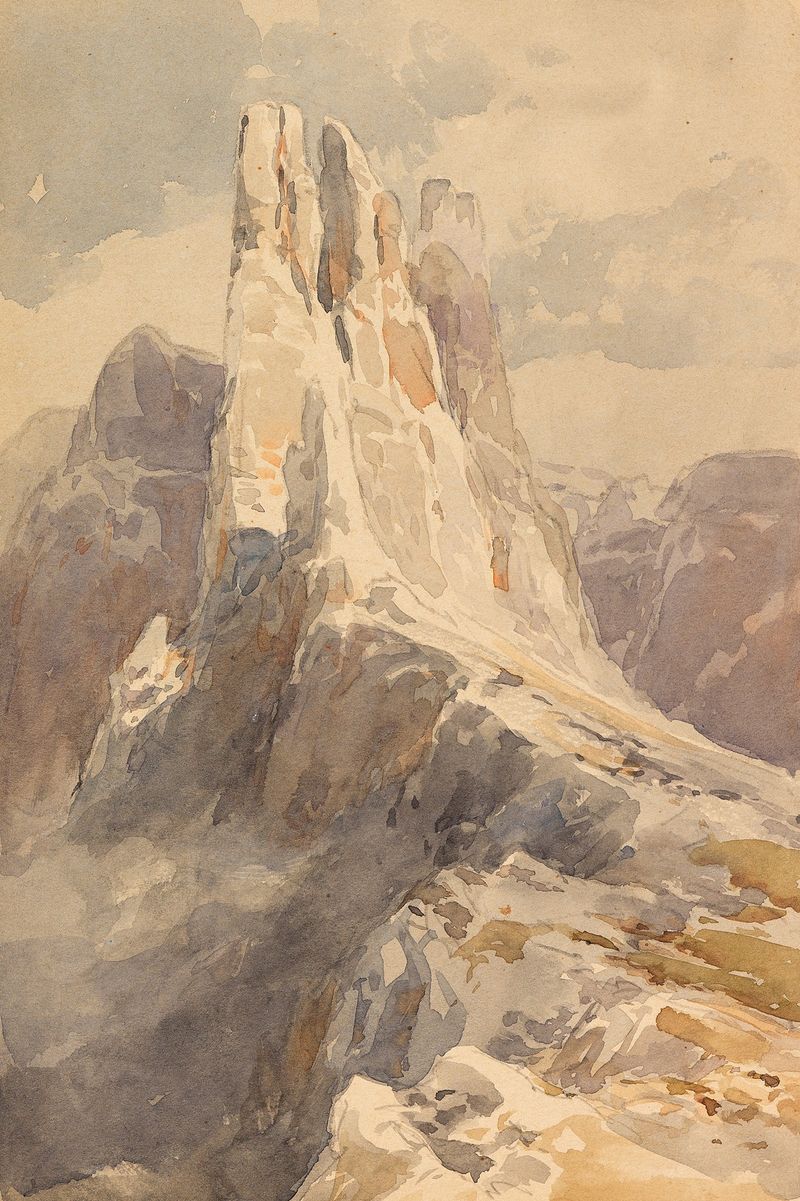
Blick auf die Vajolet-Türme in den Dolomiten
Edward Theodore Compton
Blick auf den Ortler von St. Valentin
Edward Theodore Compton
View of the Matterhorn
Edward Theodore Compton





