
Hoeve te Leffinge — History & Facts
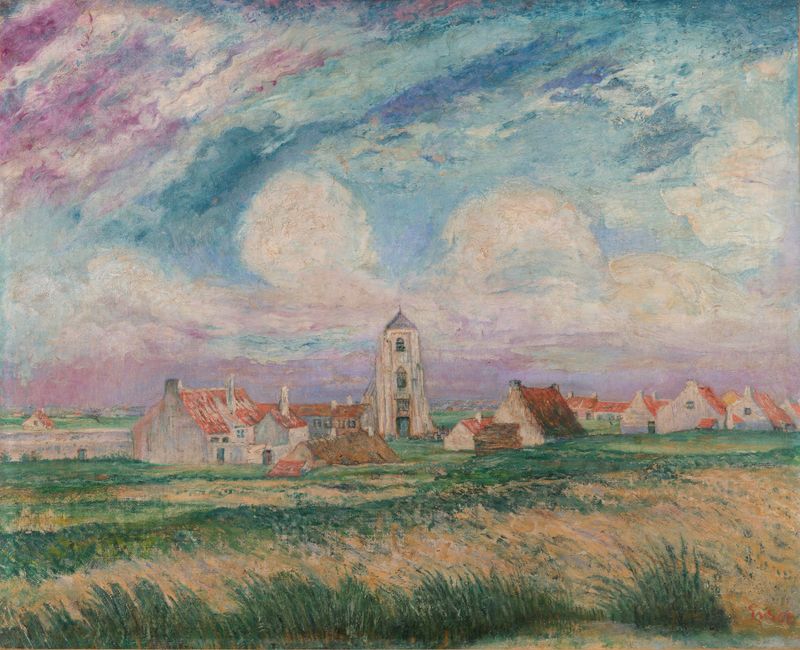
Did the painter know this moment would outlive them? In the stillness of Hoeve te Leffinge, a quietude envelops the rural scene, evoking a profound silence that reverberates through time. Focus on the vibrant greens and earthy tones that dominate the composition, leading your eyes toward the quaint farmhouse nestled among the fields. Notice how the gentle brushstrokes weave a tapestry of nature, each detail breathing life into the landscape. The light dapples softly, illuminating the thatched roof while casting gentle shadows that hint at the hidden stories of the land. Yet, within this serene simplicity lies a poignant contrast—between the bustling life implied by the surrounding fields and the stillness of the abode.
The vibrant colors suggest warmth and abundance, while the untouched tranquility embodies a pause in time, inviting reflection. The interplay between the lively hues and the quiet setting speaks to the tension between nature’s bounty and a moment of serene solitude, urging viewers to ponder the cycles of existence. In 1889, James Ensor was creating works that straddled the line between realism and the symbolic, reflecting a growing interest in capturing the essence of everyday life. Living in Ostend, he was influenced by the rich textures of his surroundings.
This period marked a turning point in his artistic journey, as he began to explore deeper emotional landscapes, paving the way for his later, more complex thematic explorations.
More Artworks by James Ensor
Browse all →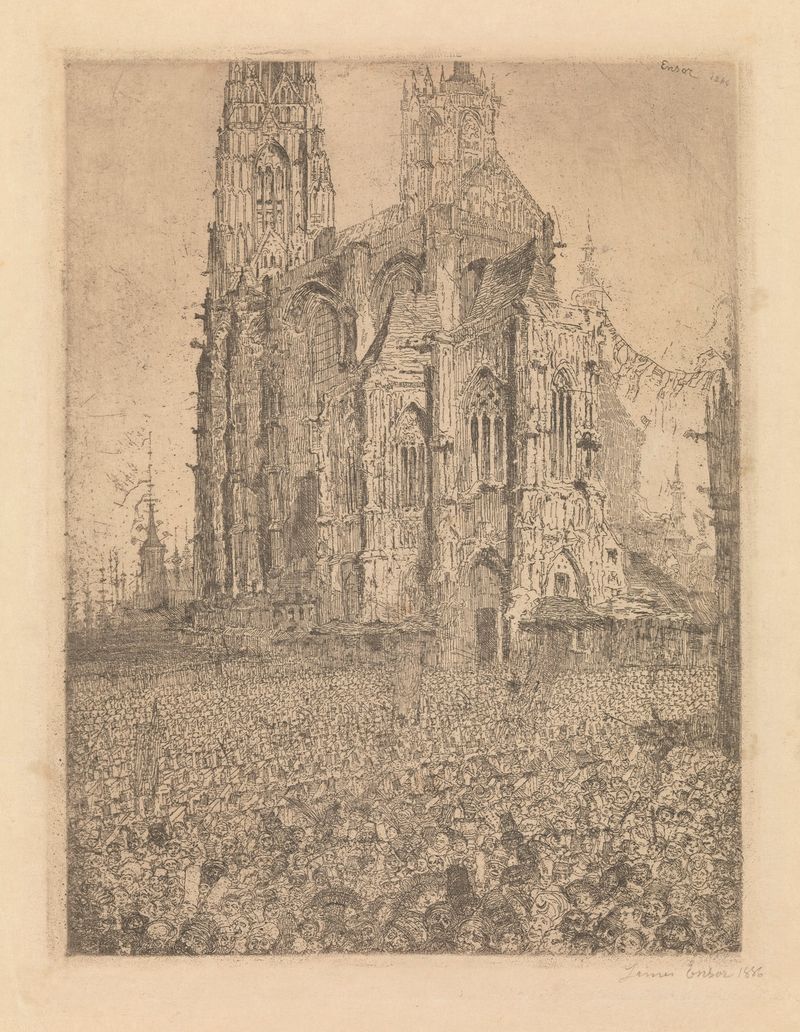
The Cathedral
James Ensor
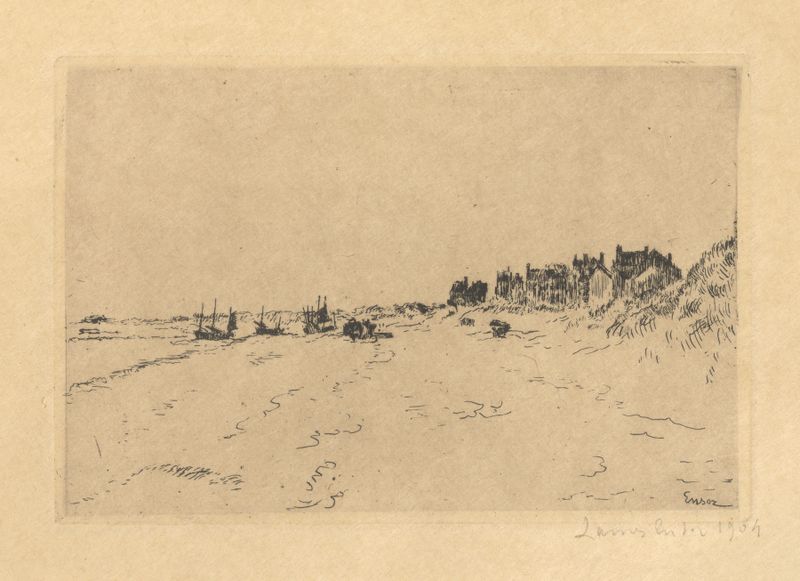
Het strand van De Panne
James Ensor
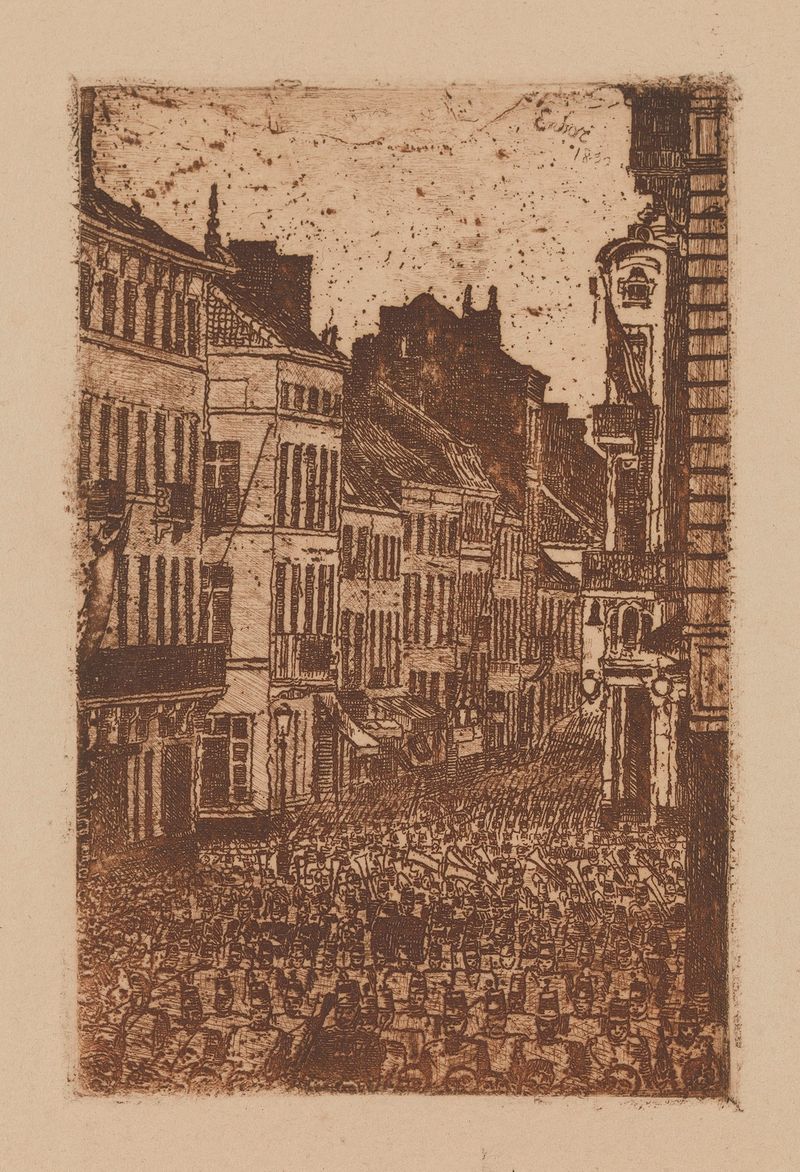
The Music in the rue de Flandre, Ostend
James Ensor
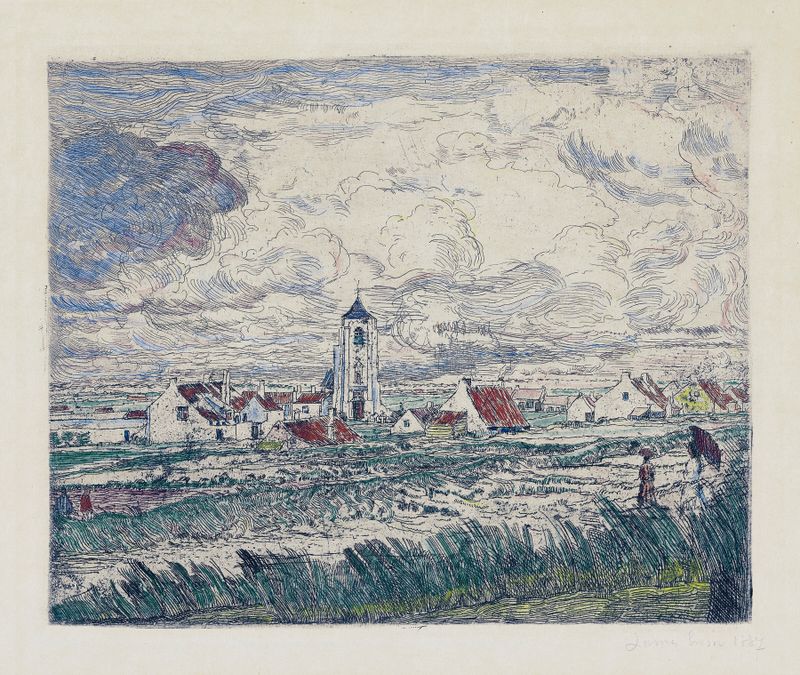
Grande vue de Mariakerke
James Ensor
View of Mariakerke
James Ensor
The Rooftops of Ostend
James Ensor
Huisjes in Mariakerke
James Ensor
The rooftops of Ostend
James Ensor
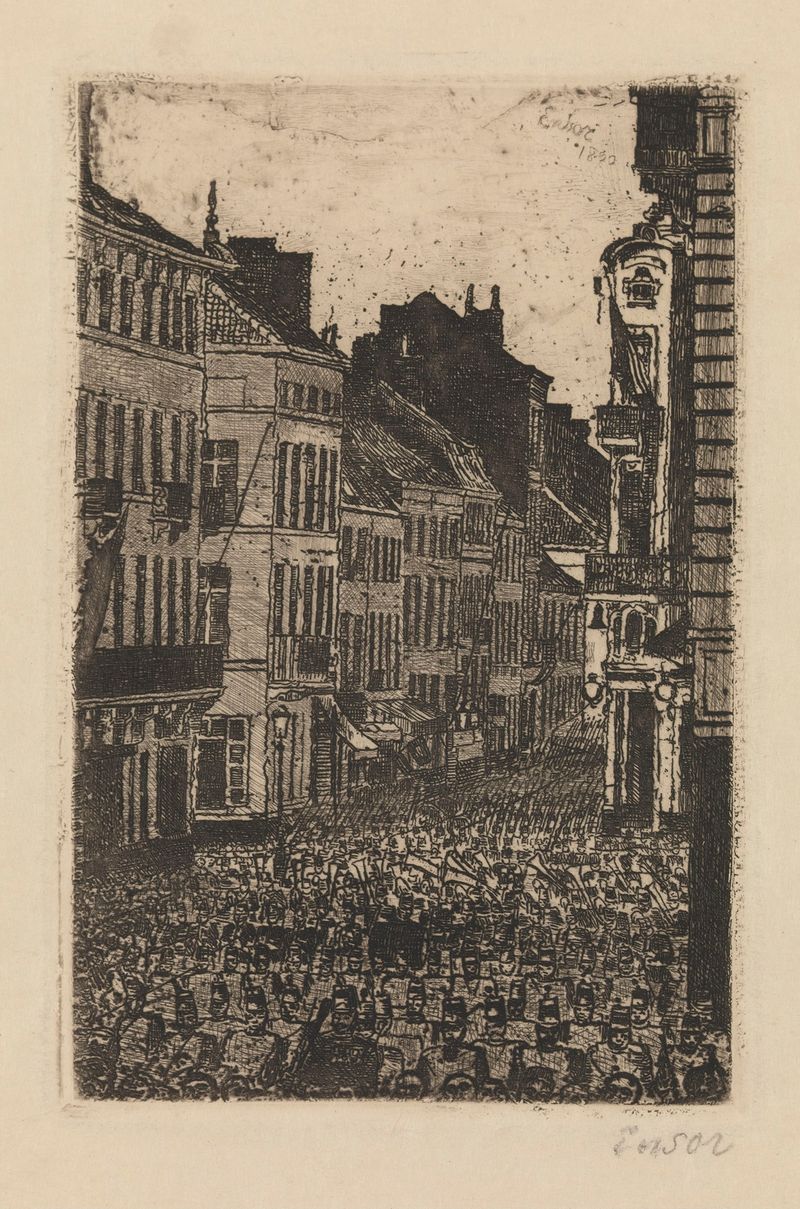
The Music in the rue de Flandre, Ostend
James Ensor
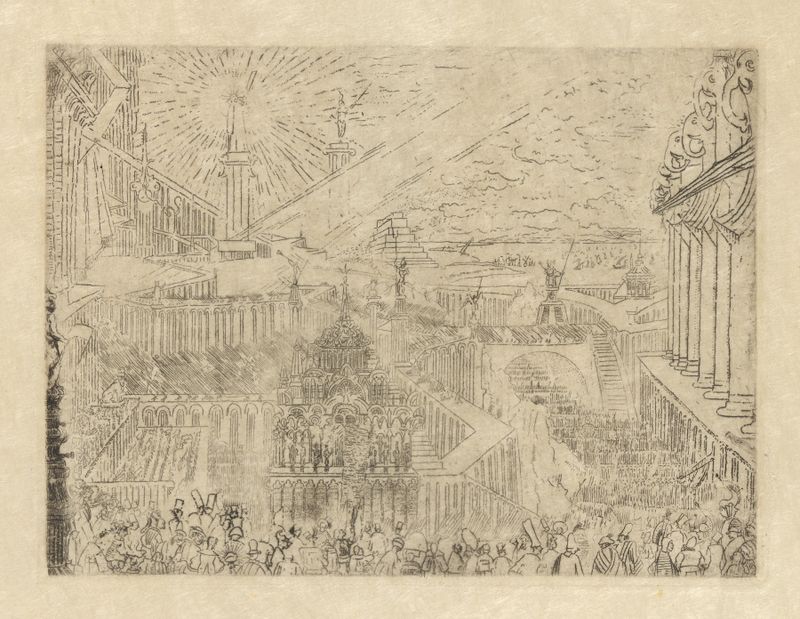
Verovering van een vreemde stad
James Ensor





