
Hohe Kammer Kitzsteinhorn — History & Facts
In the quietude of nature, loss becomes a silent companion, enriching the landscape with narratives untold. Look closely at the majestic peaks, their snow-capped summits towering against a tumultuous sky. The light filters through soft clouds, casting fleeting shadows across the rugged terrain. Notice the brushstrokes that dance across the canvas, each one conveying the weight of history embedded within the landscape.
The rich greens of the valleys juxtapose the cold grays and whites of the mountains, creating a tension that echoes the duality of beauty and melancholy. In the intricate details, we find echoes of solitude and fragility. The wildflowers bloom defiantly in the foreground, suggesting resilience amid nature’s vastness. Yet, the looming mountains remind us of the passage of time and the inevitability of change.
Each element interplays with the next, a reminder that every peak and valley tells a story of whispers lost to the winds, of moments that have slipped between the fingers of memory. Compton painted Hohe Kammer Kitzsteinhorn in 1909 while living in the picturesque surroundings of the Alps. This period marked a significant shift in the art world, as movements like Impressionism began to influence the representation of nature. Amidst personal and societal transformations, the artist sought to capture not just the physical beauty of landscapes, but their emotional resonance – a pursuit that reflects a deeper understanding of our connection to the transitory moments of life.
More Artworks by Edward Theodore Compton
Browse all →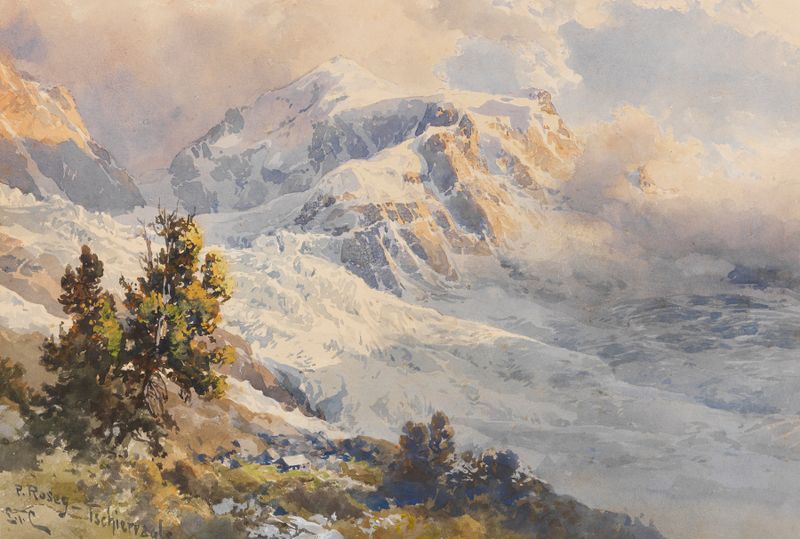
Piz Roseg – Tschiervagletscher
Edward Theodore Compton
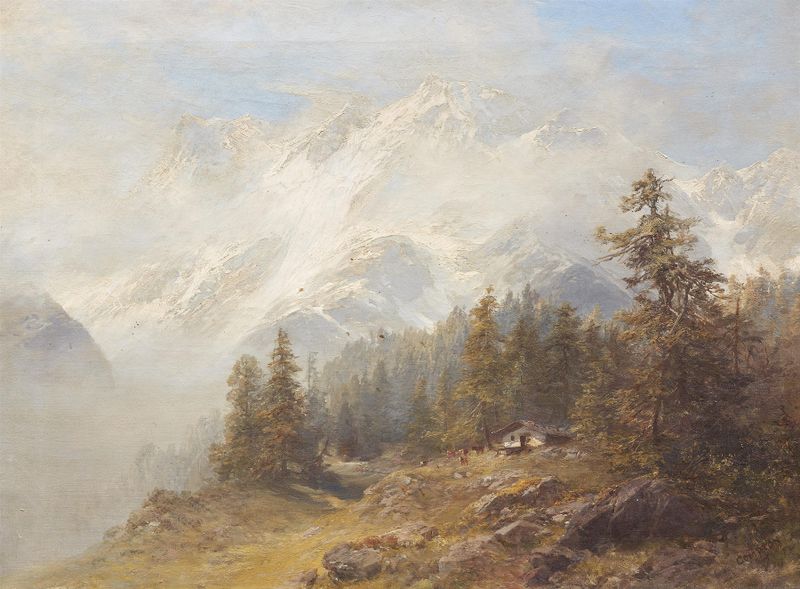
Alpenlandschaft vor schneebedecktem Massiv
Edward Theodore Compton
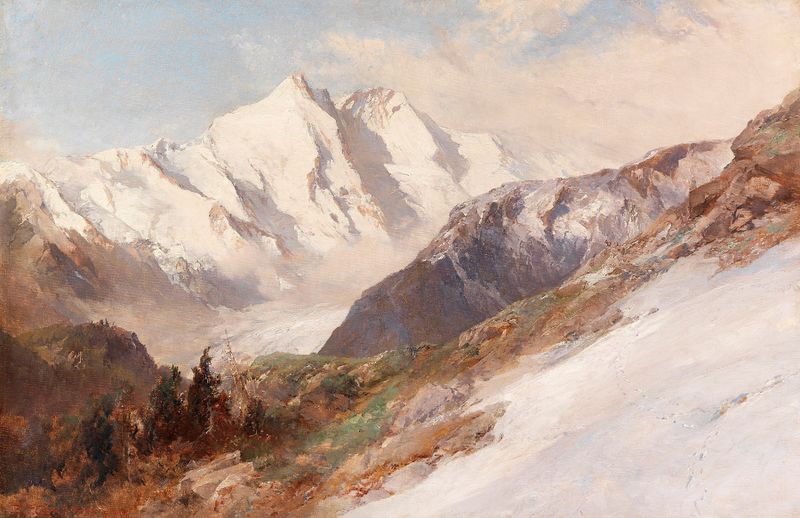
Blick auf die Nordseite des Großglockners
Edward Theodore Compton
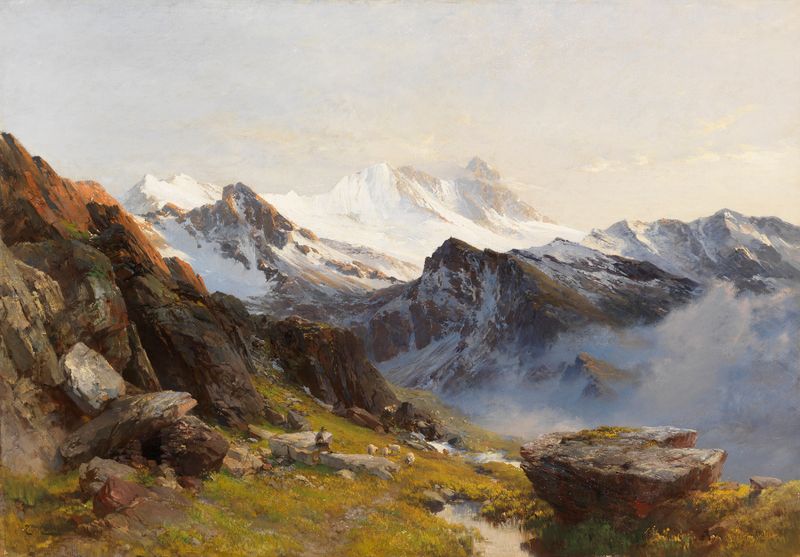
Großglockner von der Prager Hütte aus, früh
Edward Theodore Compton
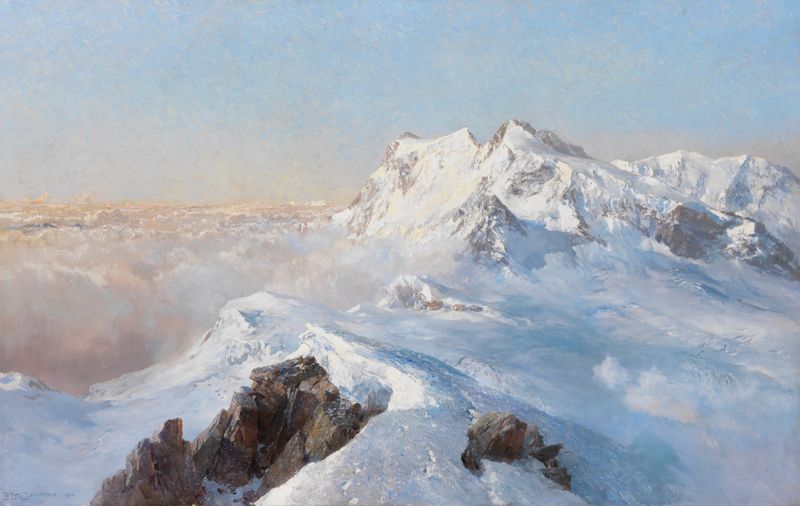
Über dem Nebelmeer (Monte Rosa vom Rimpfischhorn)
Edward Theodore Compton
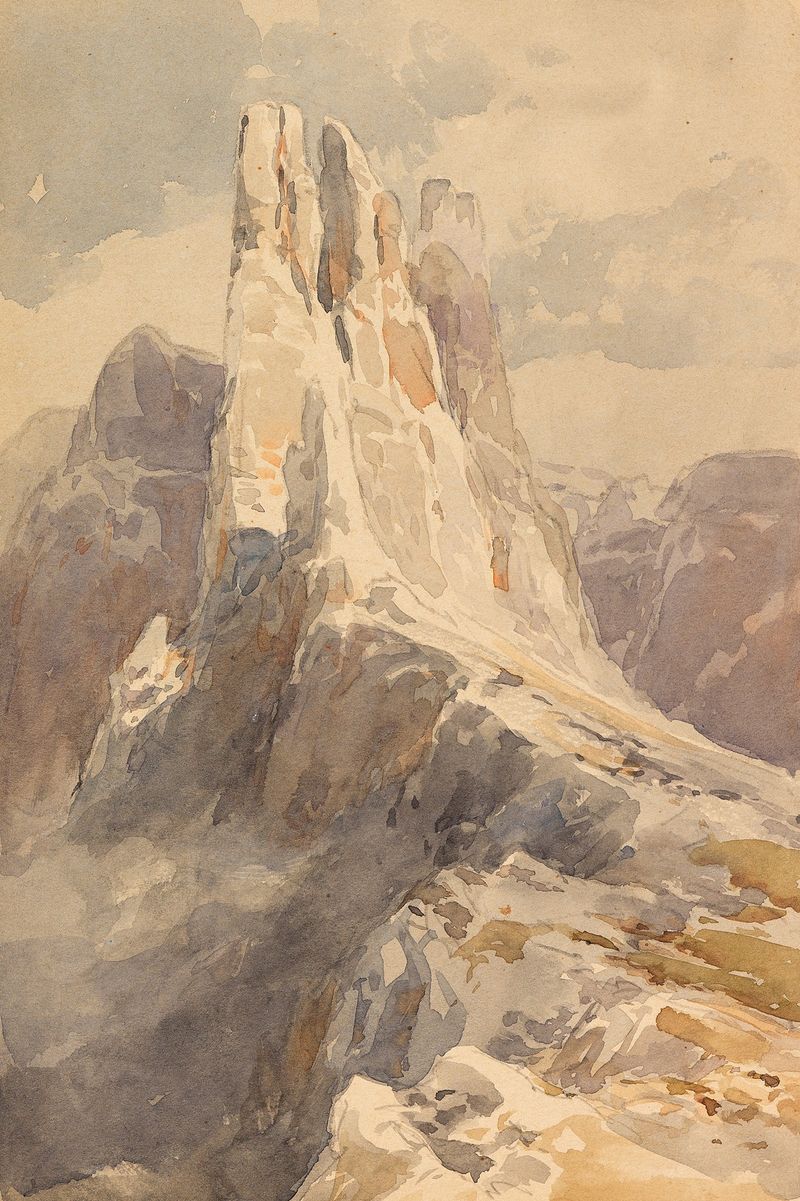
Blick auf die Vajolet-Türme in den Dolomiten
Edward Theodore Compton
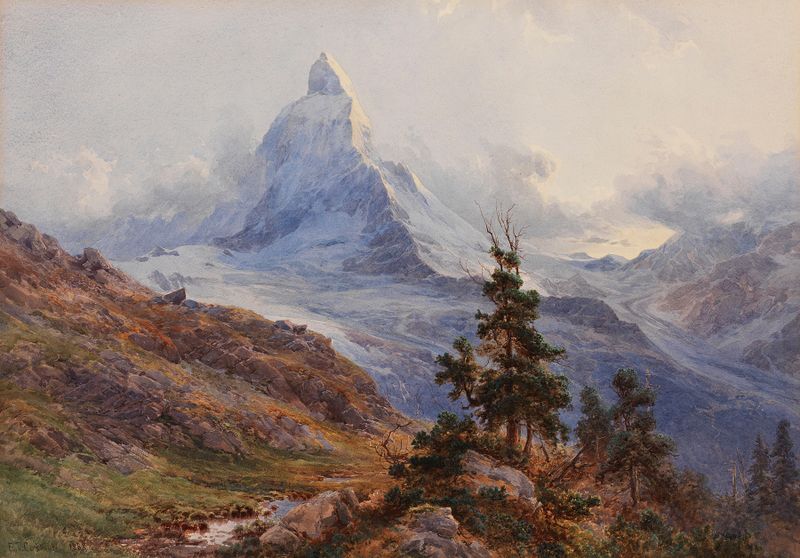
View of the Matterhorn
Edward Theodore Compton
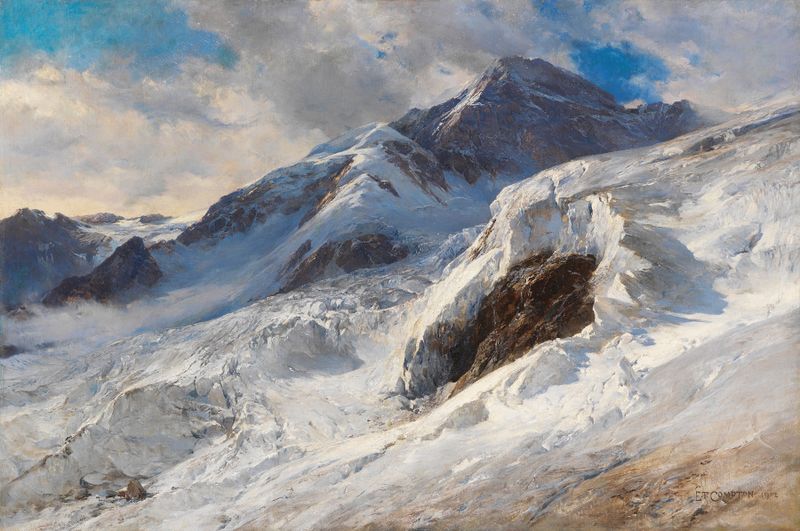
Lyskamm (Monte-Rosa)
Edward Theodore Compton
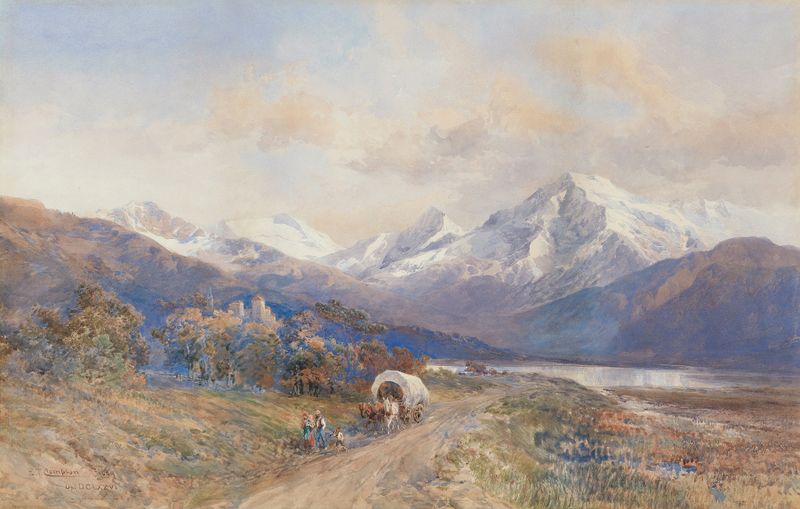
Blick auf den Ortler von St. Valentin
Edward Theodore Compton
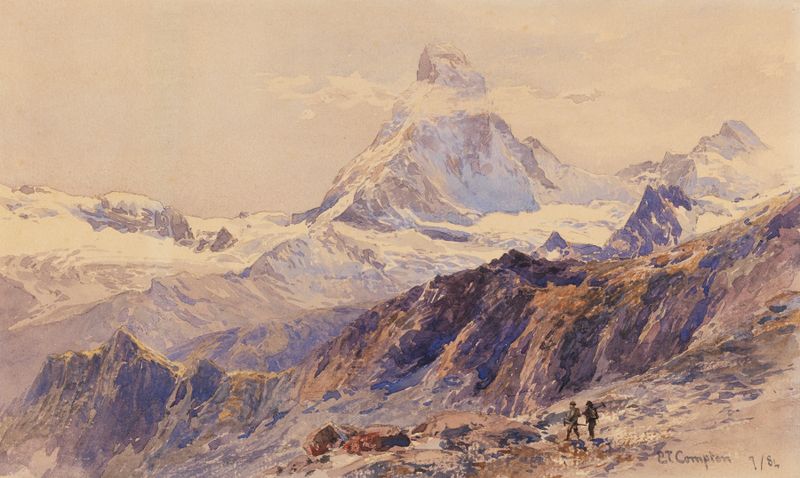
Das Matterhorn von der Triftkumme
Edward Theodore Compton





