
Hoher Göll vom Watzmann-Hocheck — History & Facts
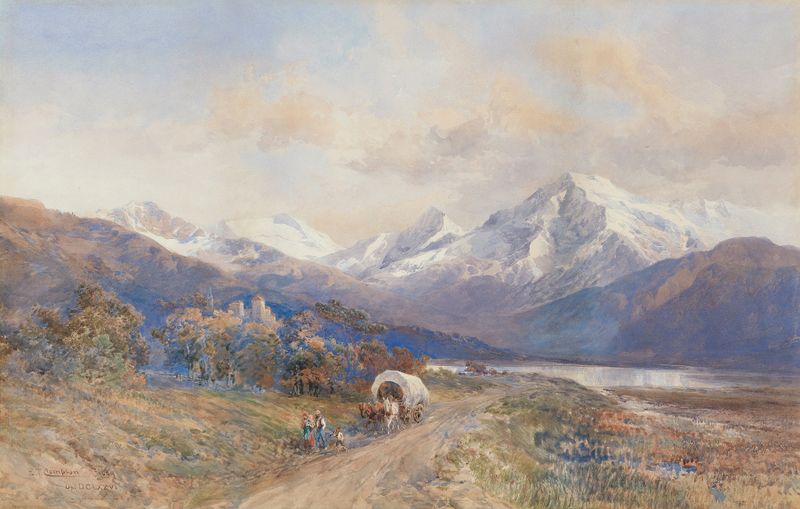
This sentiment resonates deeply in the serene yet haunting landscape captured in the early 20th century. The illusion of tranquility, where nature appears to stand still, belies the turbulence that lies beneath the surface of such breathtaking majesty. Look to the foreground, where mountains rise sharply against a cloud-speckled sky, their earthy hues rich and inviting. The interplay of light and shadow draws your eye to the peaks, where glimmers of sunlight dance like whispers over the rugged terrain.
Notice how the cool blues and grays contrast with the warm golden illuminations, a visual symphony that invites the viewer to reconcile the starkness of nature with its own allure. Delve deeper into the composition, and you'll uncover the poignant sense of isolation. The vastness of the landscape, while beautiful, evokes an unsettling silence—a reminder of the sublime and its inherent dangers. As you trace the distant horizon, the mist curling around the mounts suggests ephemeral beauty, fleeting in its perfection, urging a contemplation of the often conflicting relationships between nature and humanity’s desires. In 1919, Edward Theodore Compton was entrenched in the landscapes of the Bavarian Alps, a time when the world was grappling with the aftermath of a devastating war.
This setting, combined with the artist's personal journey and commitment to the natural world, reflects a duality of peace and disquiet—contemplating the landscapes that inspire both wonder and introspection.
More Artworks by Edward Theodore Compton
Browse all →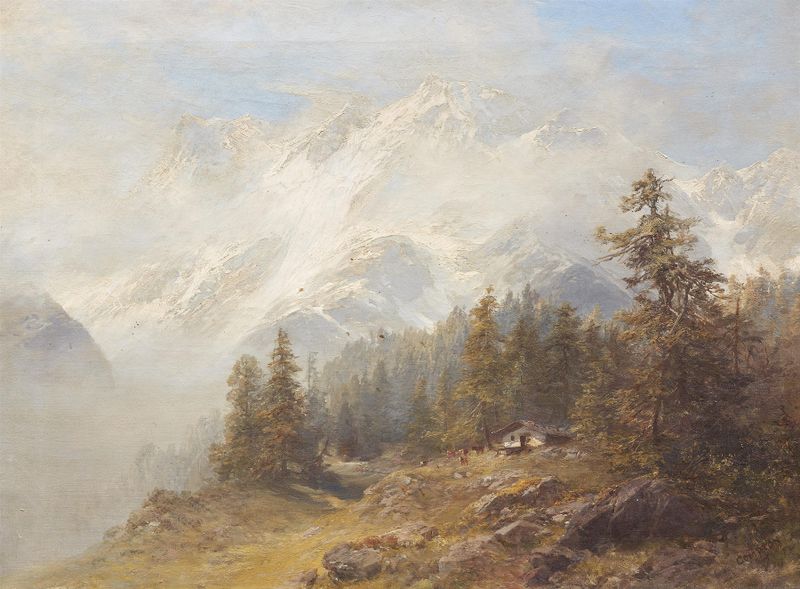
Alpenlandschaft vor schneebedecktem Massiv
Edward Theodore Compton
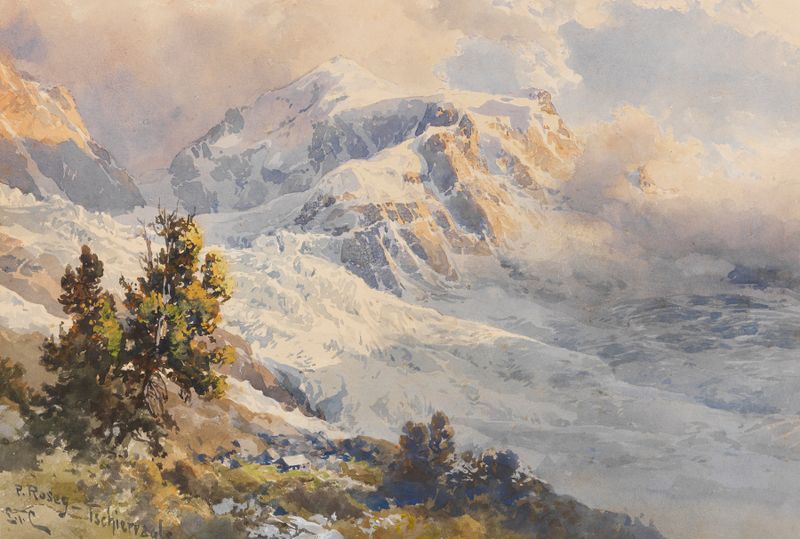
Piz Roseg – Tschiervagletscher
Edward Theodore Compton
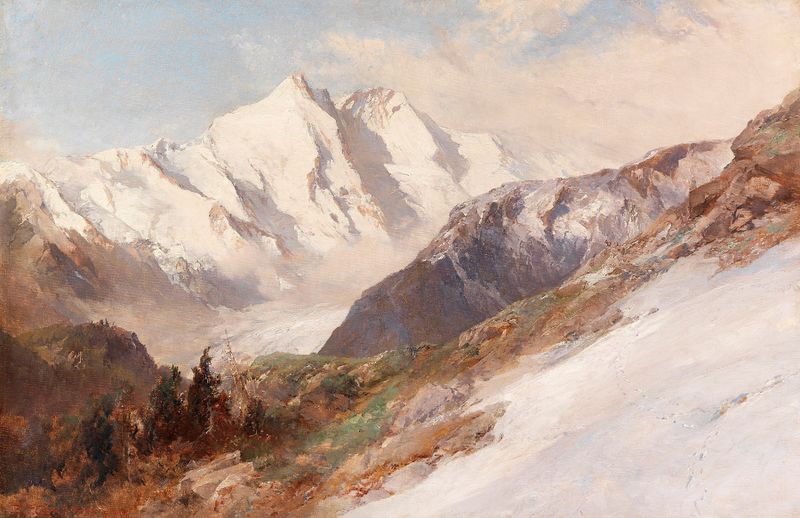
Blick auf die Nordseite des Großglockners
Edward Theodore Compton
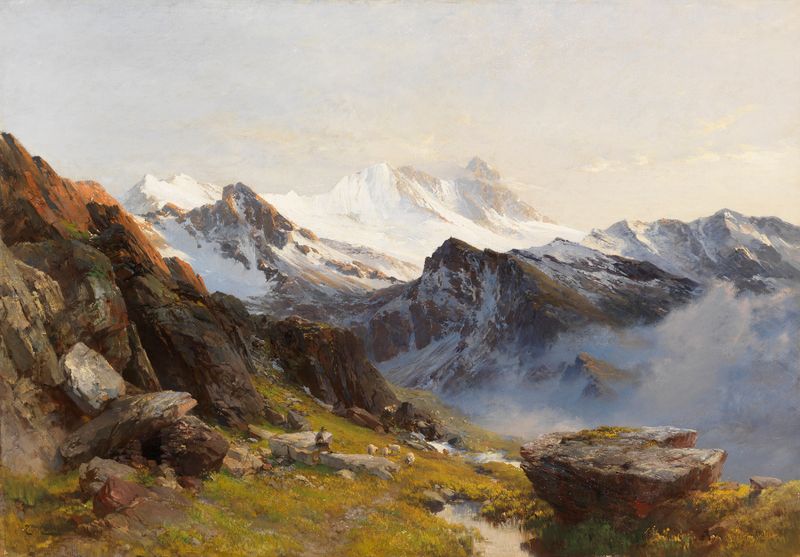
Großglockner von der Prager Hütte aus, früh
Edward Theodore Compton
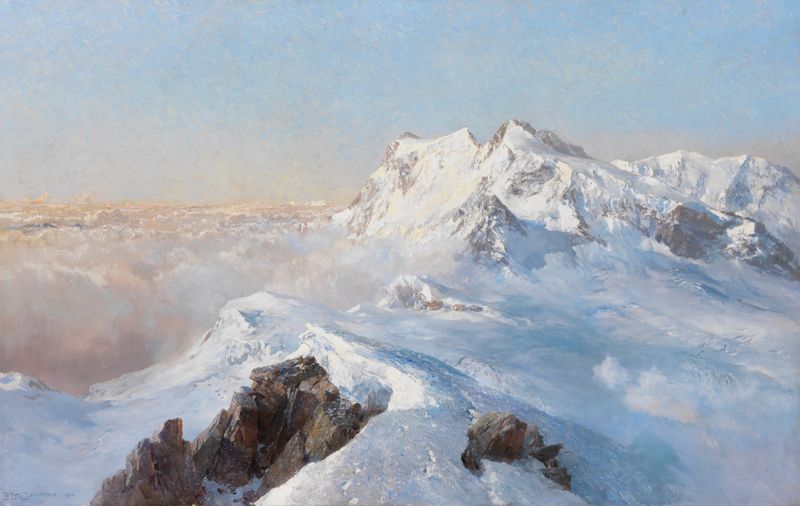
Über dem Nebelmeer (Monte Rosa vom Rimpfischhorn)
Edward Theodore Compton
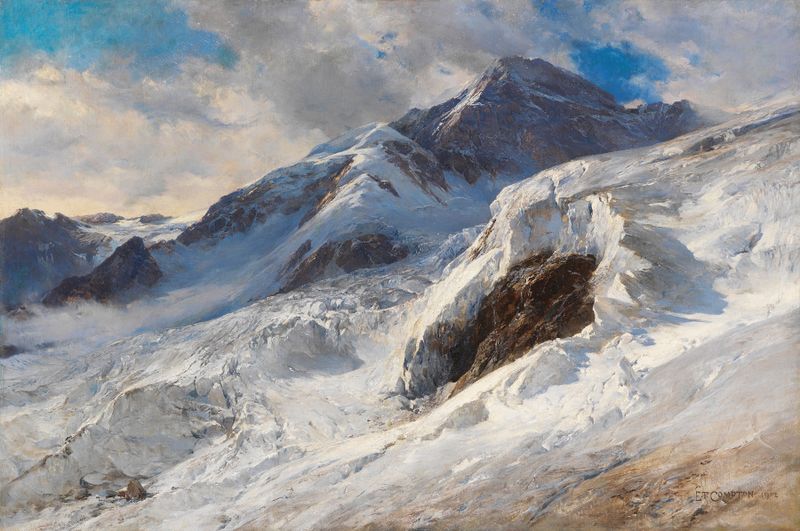
Lyskamm (Monte-Rosa)
Edward Theodore Compton
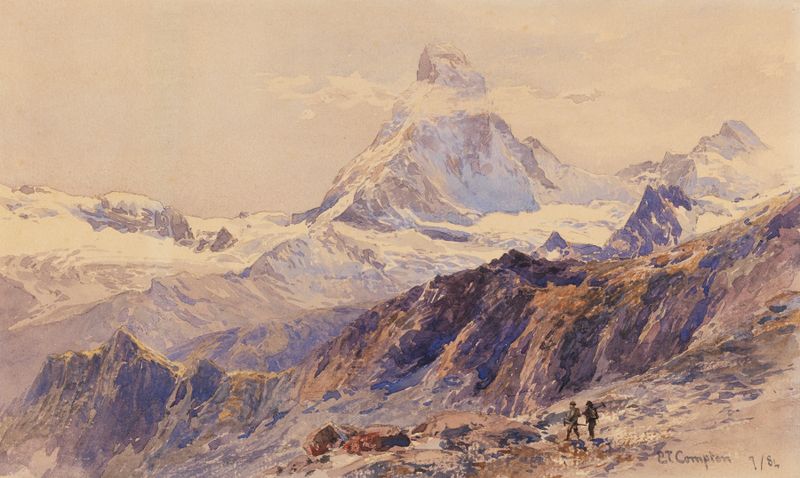
Das Matterhorn von der Triftkumme
Edward Theodore Compton
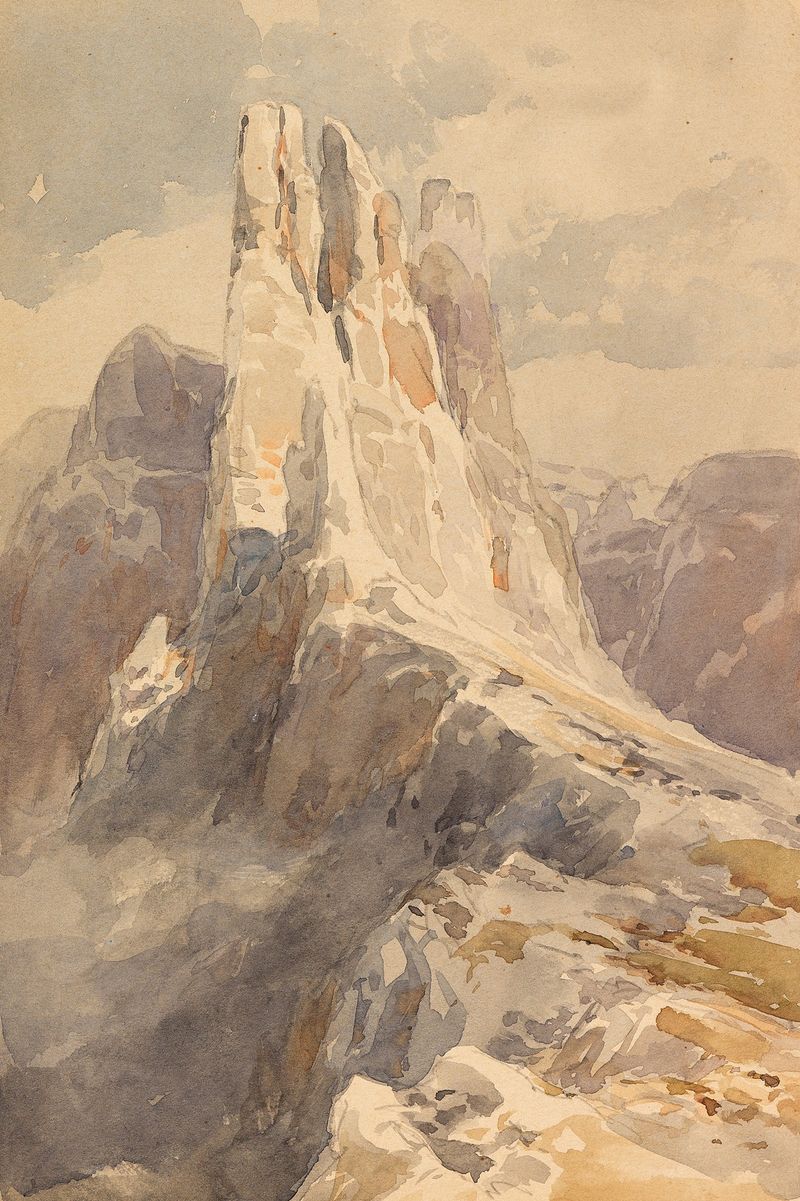
Blick auf die Vajolet-Türme in den Dolomiten
Edward Theodore Compton
Blick auf den Ortler von St. Valentin
Edward Theodore Compton
View of the Matterhorn
Edward Theodore Compton





