
Holyhead, Highwater — History & Facts
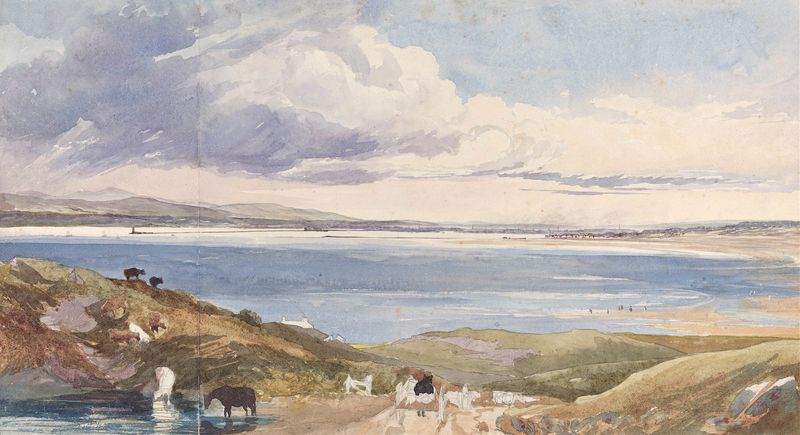
In a world swept by the tides of change and revolution, art holds the power to capture fleeting moments that echo through time, transforming chaos into stillness. Look to the center of the canvas, where the tumultuous sea meets the rugged cliffs of Holyhead, a juxtaposition of nature's power and man’s resilience. The artist employs a palette of deep blues and stark whites to evoke the raw energy of crashing waves, while the soft, muted greens of the land suggest a tender vulnerability. The brushstrokes are dynamic, almost frenetic, allowing the viewer to feel the wind's bite and the spray of saltwater, immersing them in the scene's drama. Amidst this natural spectacle lies a subtle commentary on the human condition.
The lighthouse, standing steadfast against the tumult, serves as a symbol of hope and guidance through uncertain times. The churning water, arguably a reflection of societal upheaval, contrasts sharply with the serenity promised by the light. This tension between chaos and stability renders the painting not just a landscape, but an emotional landscape, capturing the nuances of human experience against nature's backdrop. Created during a period of personal and artistic exploration, this piece emerged from the brush of Rev.
James Bulwer, an unconventional artist of his time. Working in the early 19th century in England, Bulwer navigated between his clerical duties and artistic aspirations, reflecting the broader societal changes wrought by the Industrial Revolution. His efforts to entwine spirituality with the natural world reveal both his inner struggles and the larger cultural shifts, all captured within the frame of Holyhead, Highwater.
More Artworks by Rev. James Bulwer
Browse all →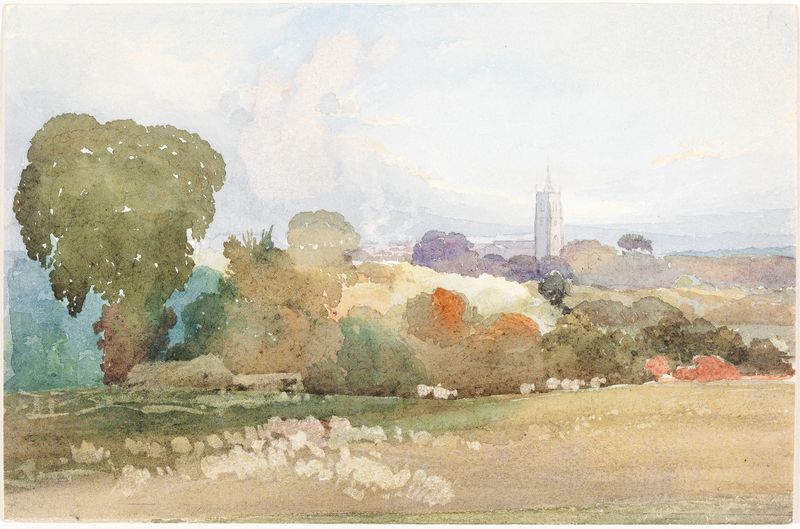
Landscape with Church Steeple
Rev. James Bulwer
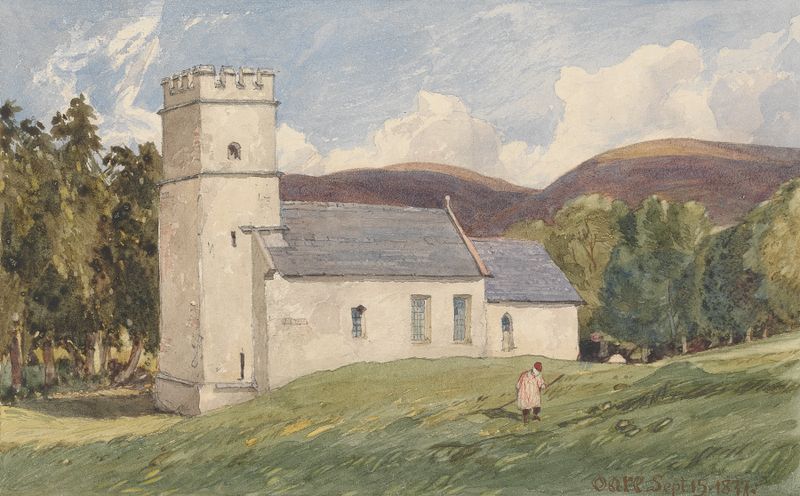
Oare Church
Rev. James Bulwer
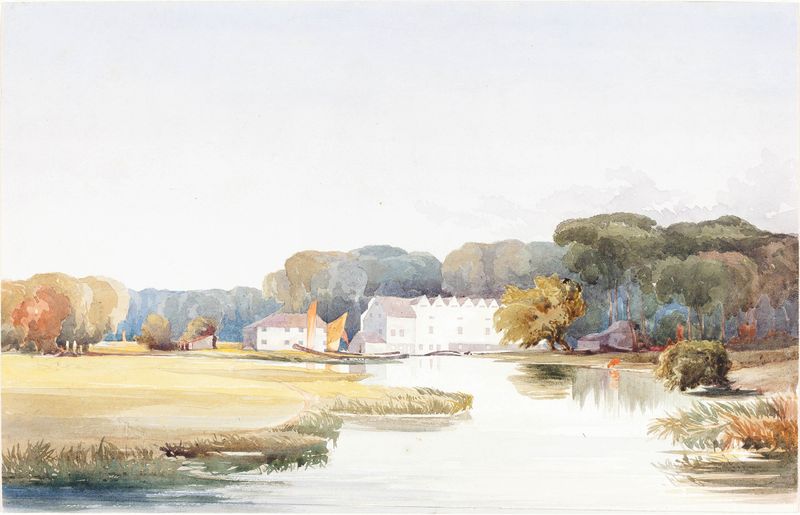
Horstead Mill on the River Bure, Norfolk
Rev. James Bulwer
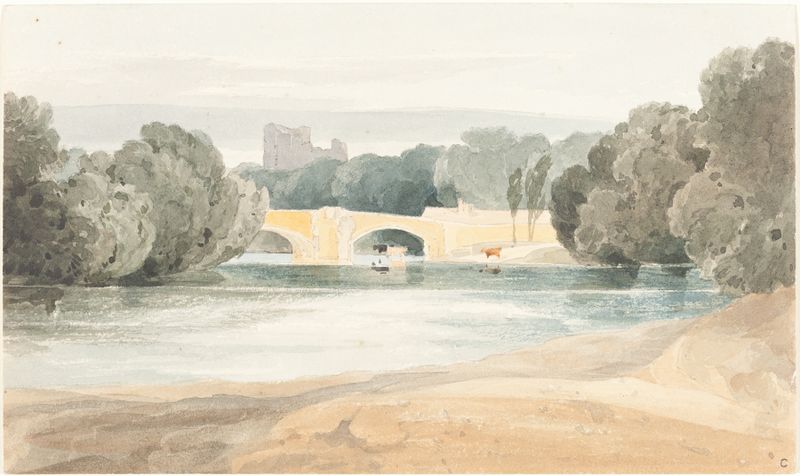
Bridge at Knaresborough
Rev. James Bulwer
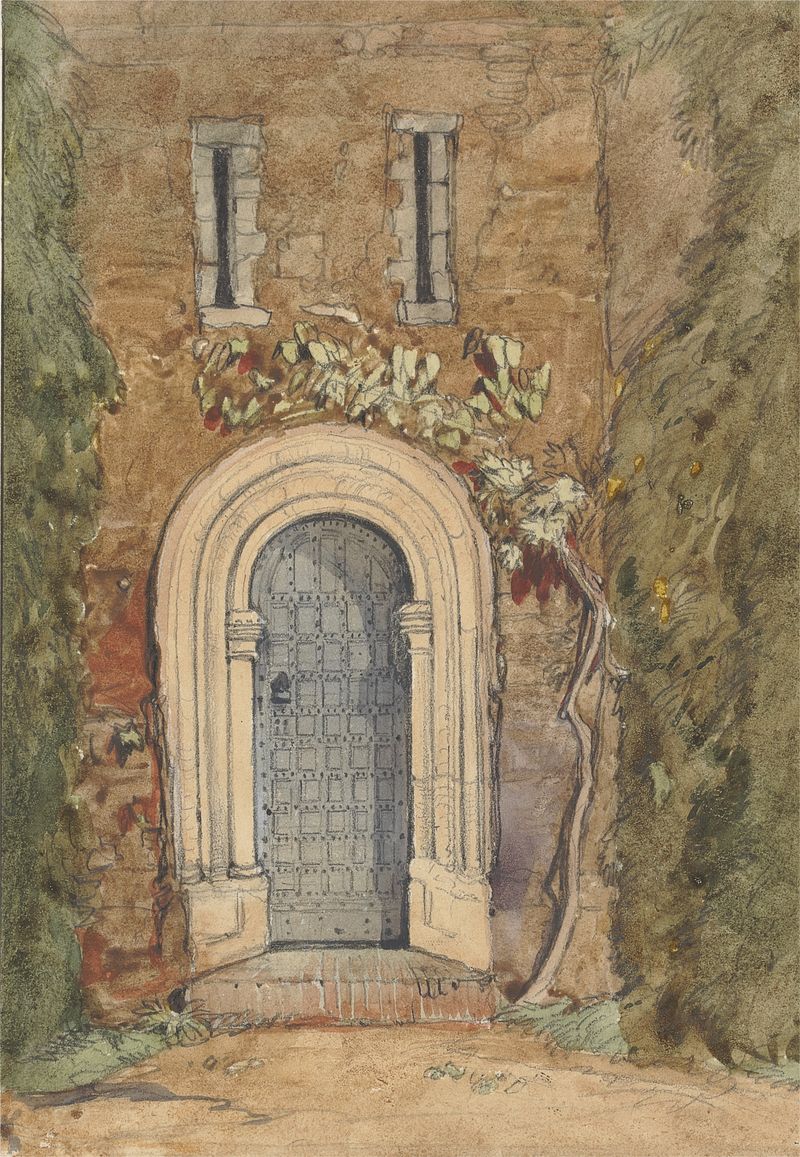
[One from] A Volume of Drawings and Prints
Rev. James Bulwer
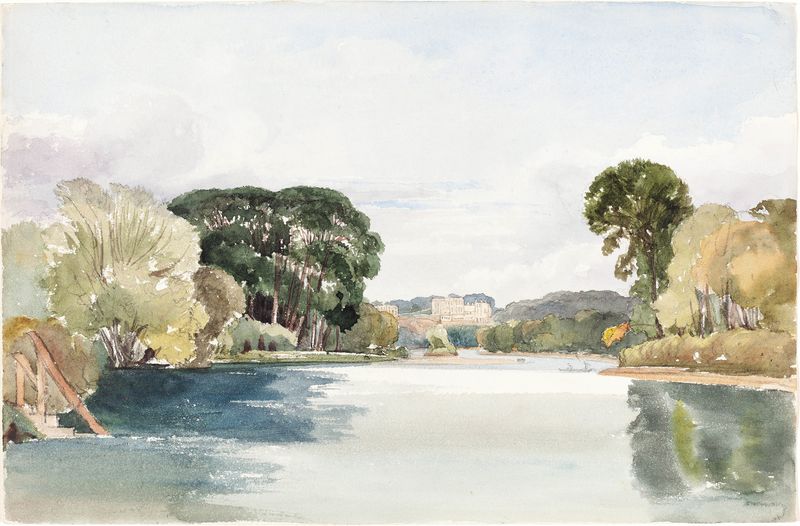
River Scene with Distant Castle
Rev. James Bulwer
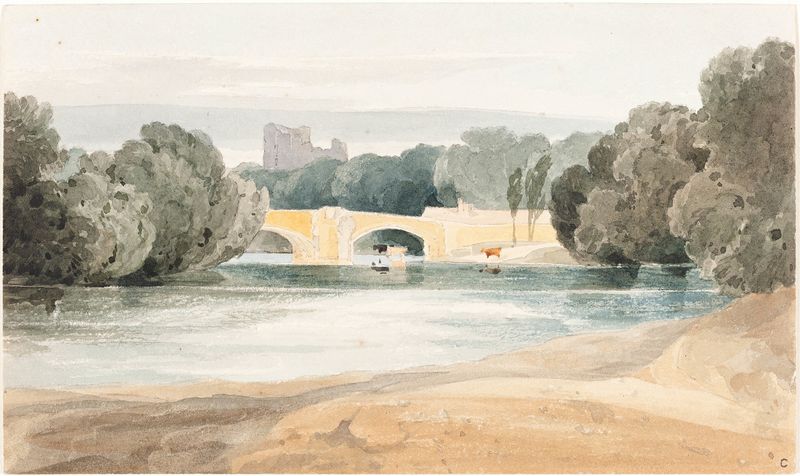
after John Sell Cotman, Bridge at Knaresborough
Rev. James Bulwer
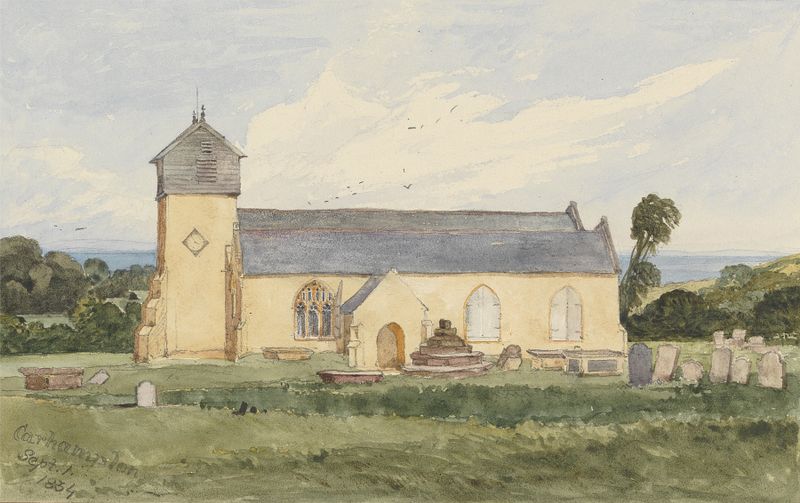
[One from] A Volume of Drawings and Prints
Rev. James Bulwer
Landscape by the Shore with Road in Foreground
Rev. James Bulwer
Landscape with Cattle
Rev. James Bulwer





