
Honjo tatekawa — History & Facts
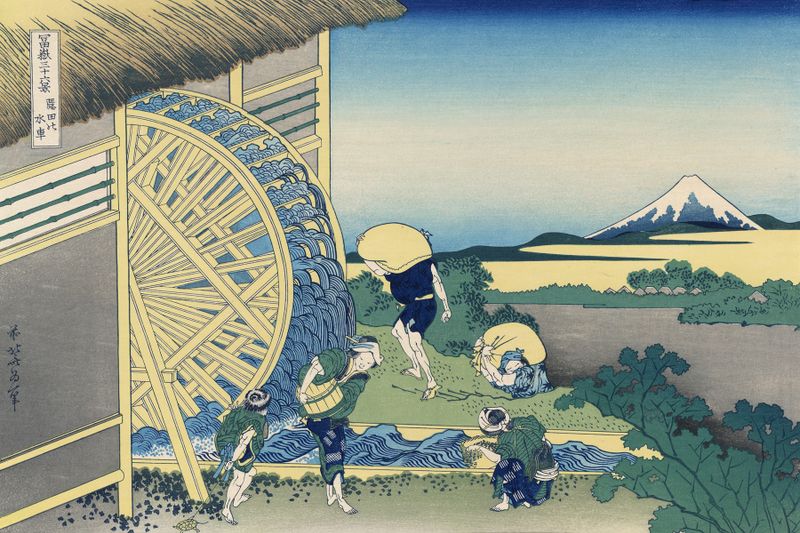
This notion encapsulates the essence of obsession that permeates Hokusai's Honjo tatekawa. In this piece, the delicate balance between beauty and the relentless pursuit of perfection invites contemplation of the artist's own frenzied dedication to his craft. Look to the center of the composition where vibrant waves intertwine with intricate patterns, creating a rhythmic dance of energy. Notice how the blues and greens pulse with life, drawing the eye into the depths of the water.
Hokusai’s meticulous line work punctuates the scene, while the warm hues in the foreground contrast sharply with the cool backdrops, emphasizing the fleeting nature of both beauty and obsession. Within this artwork lies a poignant tension between the fluidity of the waves and the rigid geometry of the structures above. The juxtaposition speaks to the artist's internal struggle — a yearning for freedom bound by the constraints of form. Each brushstroke reveals an unending pursuit, reflecting both the serene beauty of nature and the frantic energy of the world, where the artist’s heart thrums with an insatiable desire for mastery. At the time Honjo tatekawa was created, Hokusai was deeply engaged in exploring themes of nature and emotion through his art.
Working in Edo (modern-day Tokyo) during the late 18th to early 19th century, he was influenced by the rising popularity of ukiyo-e, which captured transient beauty. This period was marked by Hokusai's increasing obsession with his craft, as he sought to push the boundaries of traditional Japanese printmaking, ultimately leading him to become one of the most celebrated artists of his era.
More Artworks by Katsushika Hokusai
Browse all →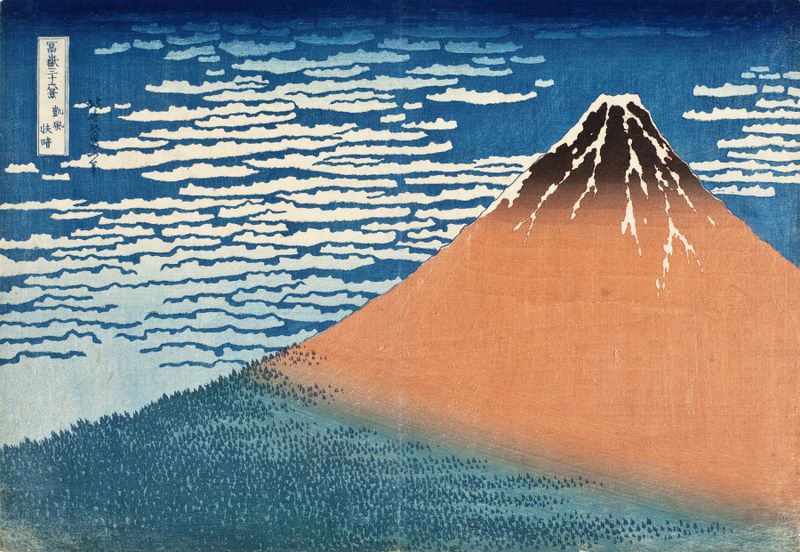
South Wind, Clear Dawn
Katsushika Hokusai

South Wind, Clear Weather
Katsushika Hokusai

Clear Weather with a Southerly Wind
Katsushika Hokusai
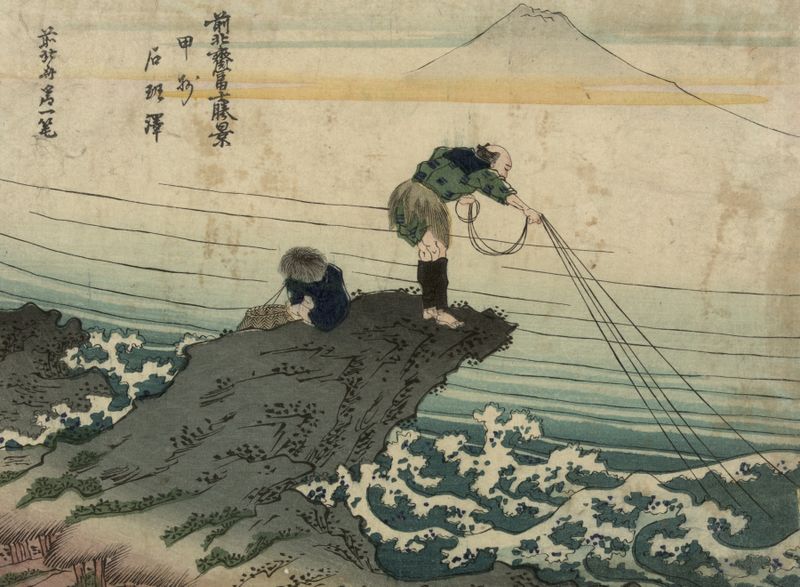
Kōshū kajikazawa
Katsushika Hokusai

Rainstorm beneath the Summit (Sanka Haku-u)
Katsushika Hokusai

Kōshū kajikazawa 2
Katsushika Hokusai
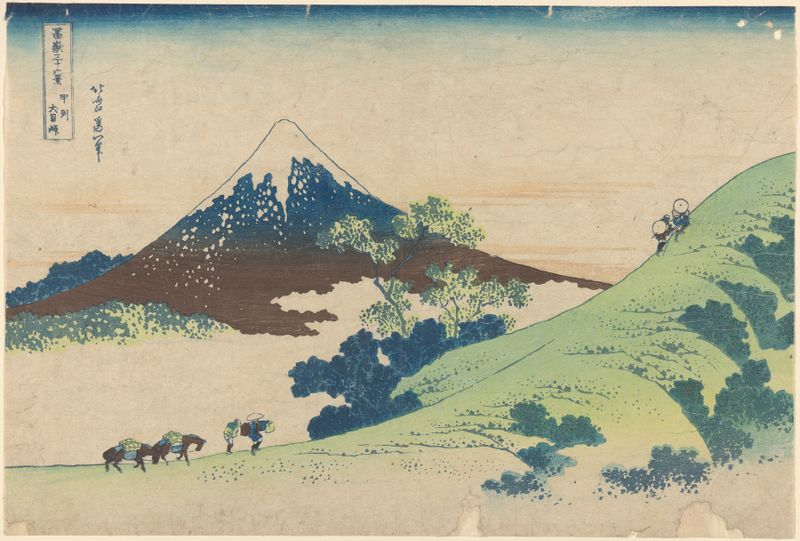
Inume Pass in Kai Province (Kôshû inume-tôge)
Katsushika Hokusai

Yoro Falls in Mino Province (Mino no Yoro no taki), from the series "A Tour of Waterfalls in Various Provinces (Shokoku taki meguri)"
Katsushika Hokusai
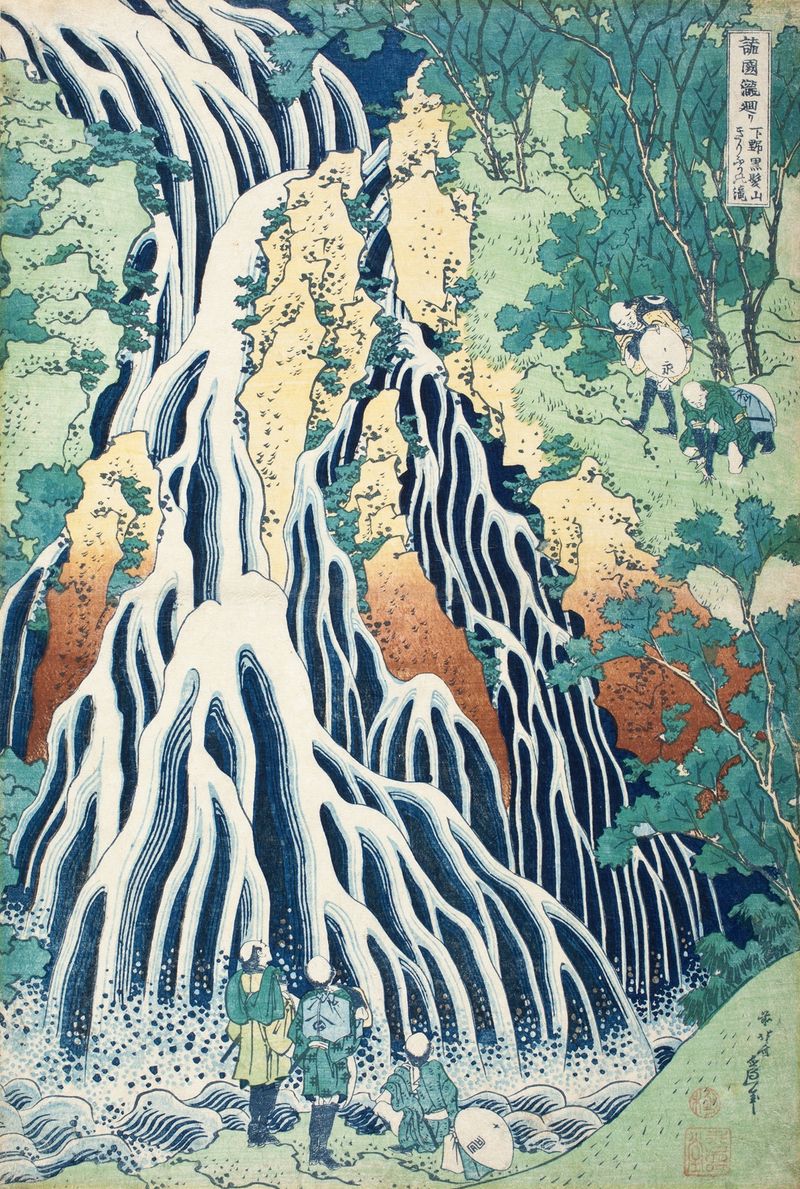
Falls of Kirifuri at Mt. Kurokami, Shimotsuke Province
Katsushika Hokusai
Onden no suisha
Katsushika Hokusai





