
Horse tomb figure — History & Facts
This statement echoes through the centuries, reminding us that art often conceals profound emotional truths beneath its surface. Look closely at the intricate details of the figure, with its polished surface reflecting light in a way that almost seems to breathe. Notice how the delicate curves and defined musculature capture the energy of the horse, rendered with a remarkable understanding of form. The golden hues glow softly, inviting the viewer to explore the interplay of shadow and light that highlights the intricacies of the craftsmanship, revealing the artist's intent to elevate the subject beyond mere representation. Yet, this horse figure evokes a deeper narrative, suggesting the reverence for the animal in a society marked by both beauty and brutality.
The tension between the elegance of its design and the possible purpose it served hints at a complex relationship with death and the afterlife. This duality invites contemplation of the value placed on both the living and the fallen, challenging our understanding of worth and legacy in a world where beauty can mask sorrow. Created between 650 and 750, this piece originates from an era rich in cultural exchange and transformation. The unknown artist likely crafted it during a period when the merging of traditions from different civilizations influenced artistic expression.
The work reflects both the spiritual and material aspirations of its time, embodying a fusion of craft and meaning that resonates through its enduring presence.
More Artworks by Unknown Artist
Browse all →
Ridder, Dood en Duivel
Unknown Artist
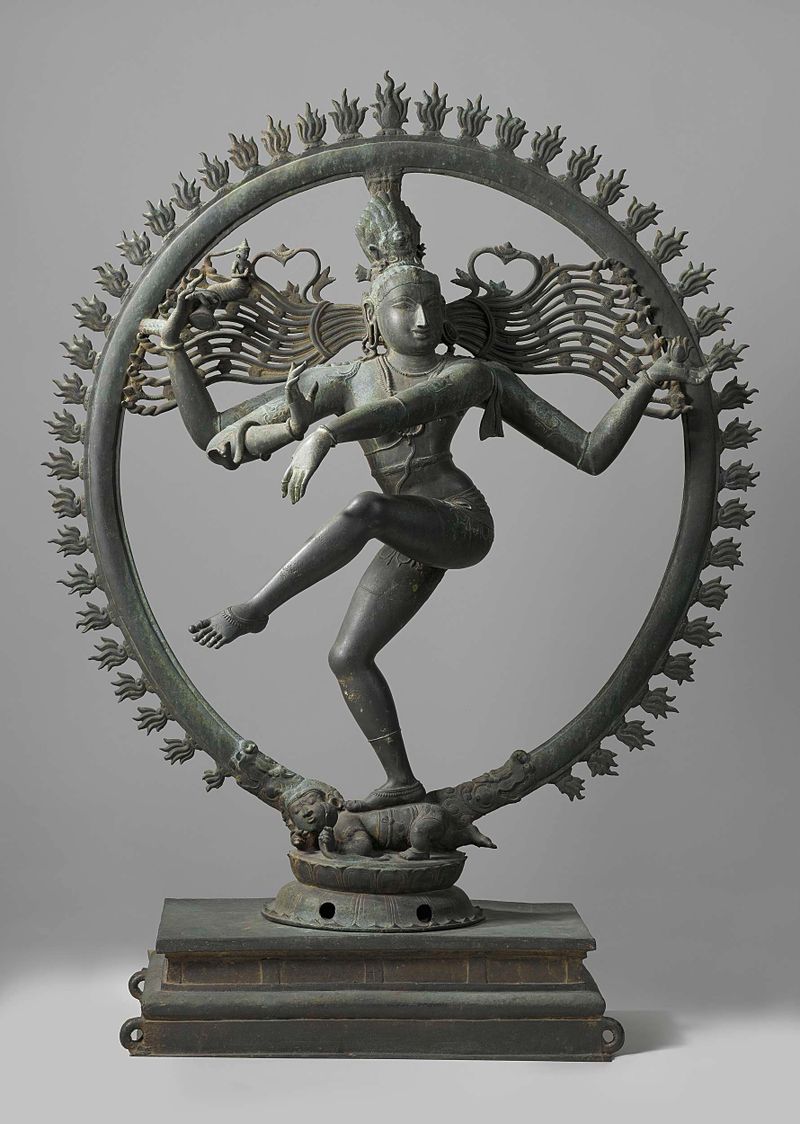
Shiva Nataraja
Unknown Artist
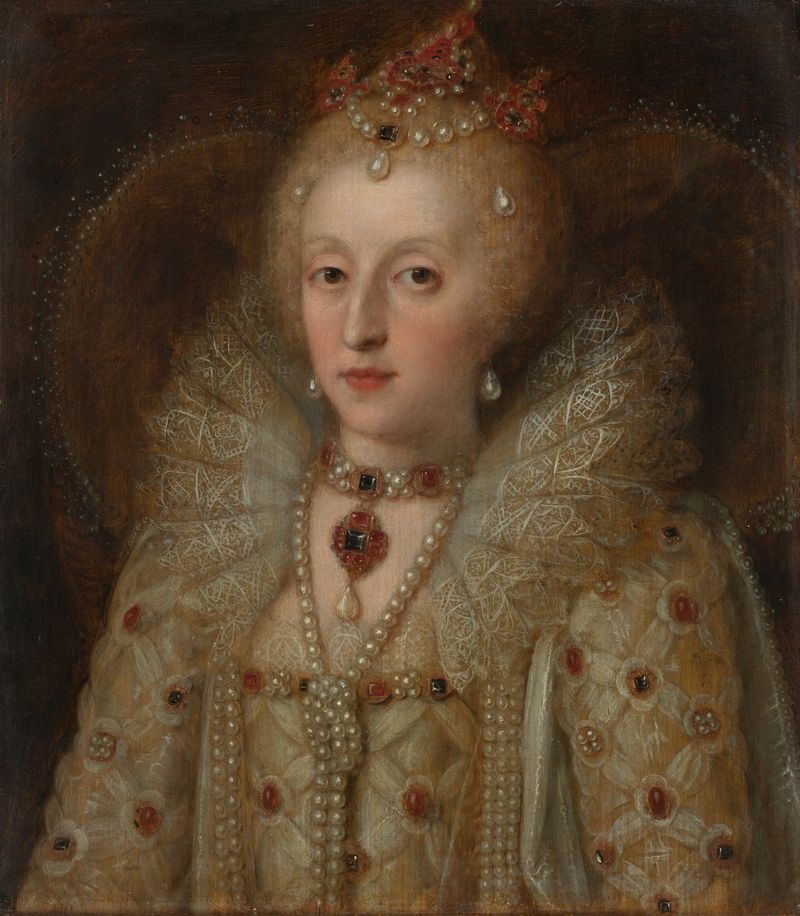
Portrait of Elizabeth I, Queen of England
Unknown Artist
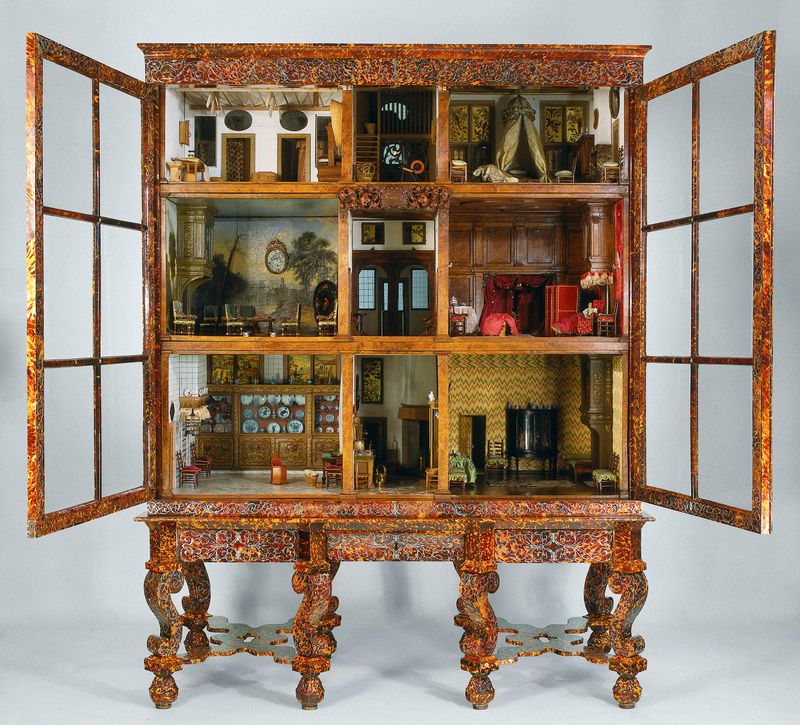
Dolls’ house of Petronella Oortman
Unknown Artist
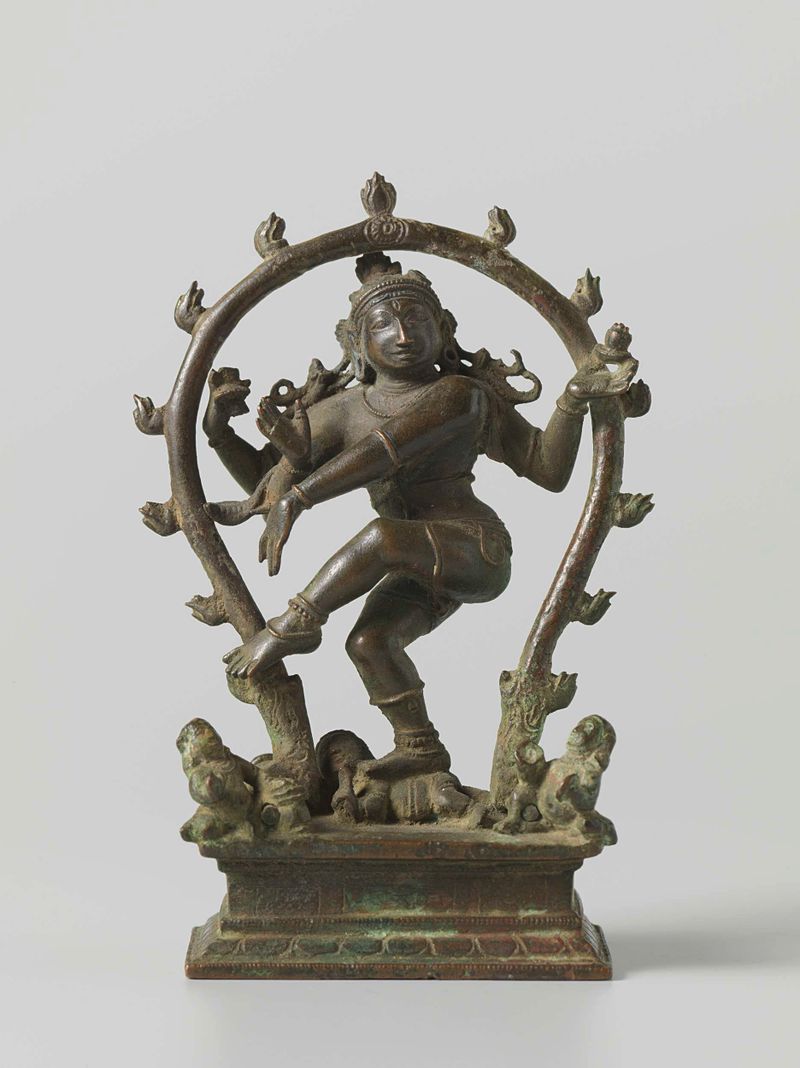
Shiva Nataraja
Unknown Artist

The Tale of Genji
Unknown Artist

The Tale of Genji
Unknown Artist

Cong
Unknown Artist
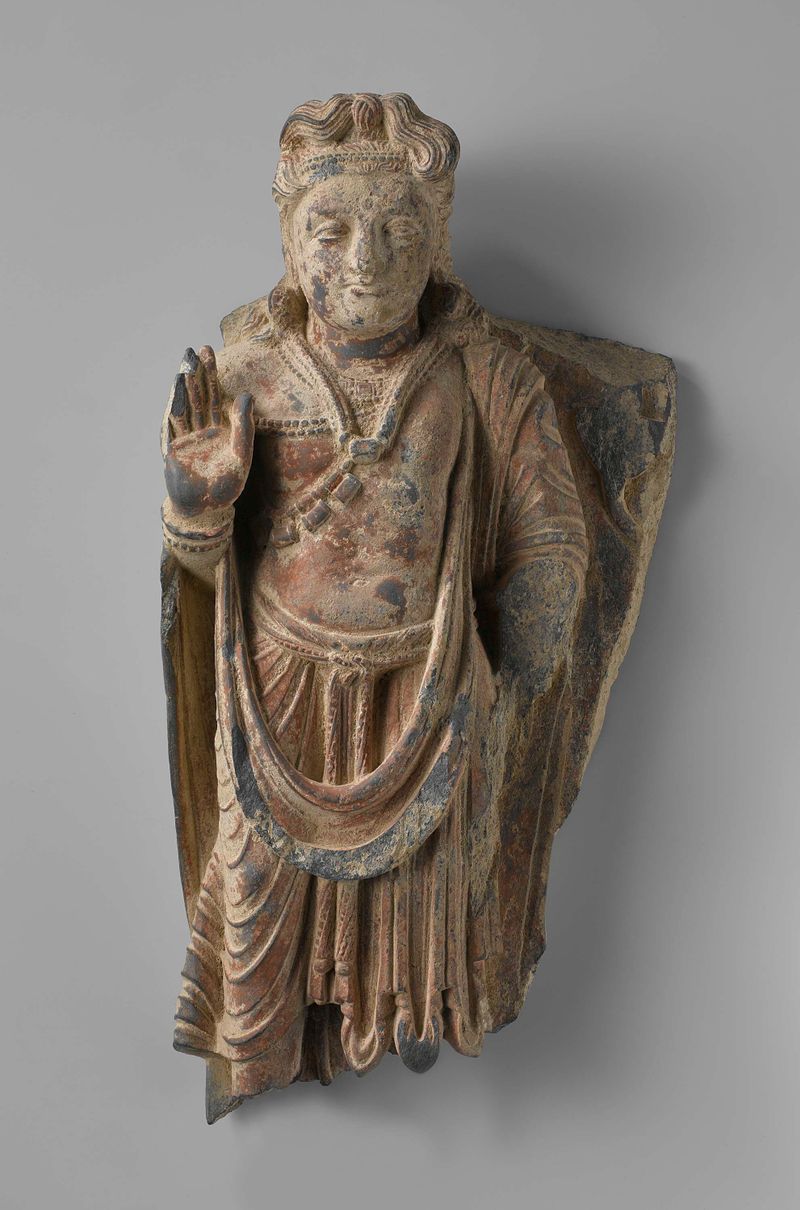
The bodhisattva Maitreya
Unknown Artist

Teabowl with a 'hare's fur' glaze
Unknown Artist





