
Hotel de Ville, Hague — History & Facts
When did color learn to lie? In Hotel de Ville, Hague, a vibrant dance of hues envelops the viewer, revealing truths that shimmer just beneath the surface. Focus first on the brilliant azure sky, painted with an intensity that evokes both freedom and melancholy. Look to the left, where the intricate details of the building’s façade echo the rich history of the place, adorned with delicate neoclassical elements that seem to pulse with life. Notice how the warm sunlight cascades across the scene, illuminating the figures below, their shadows stretching long as if grasping for connection in this bustling urban landscape. Delve deeper into the contrasts presented in the work.
The interplay between the cool shades of the architecture and the warm vibrancy of the market activity below tells a story of coexistence, where grandeur meets the everyday. Look closely at the small figures: their hurried gestures suggest urgency amidst the serene backdrop, highlighting the tension between tranquility and the pulse of urban life. Each brushstroke invites reflection, questioning the nature of perception in a world where color can simultaneously reveal and obscure. In 1859, during a period marked by rapid industrialization and social change in Europe, Hotel de Ville, Hague emerged from the hands of Thomas Shotter Boys.
Living in London, Boys sought to capture the essence of cities and their vibrancy through watercolor and oil, navigating a transitional art scene that was embracing both realism and the emerging techniques of impressionism. His work reflects this dynamic period, embodying the simultaneous beauty and complexity of modern life.
More Artworks by Thomas Shotter Boys
Browse all →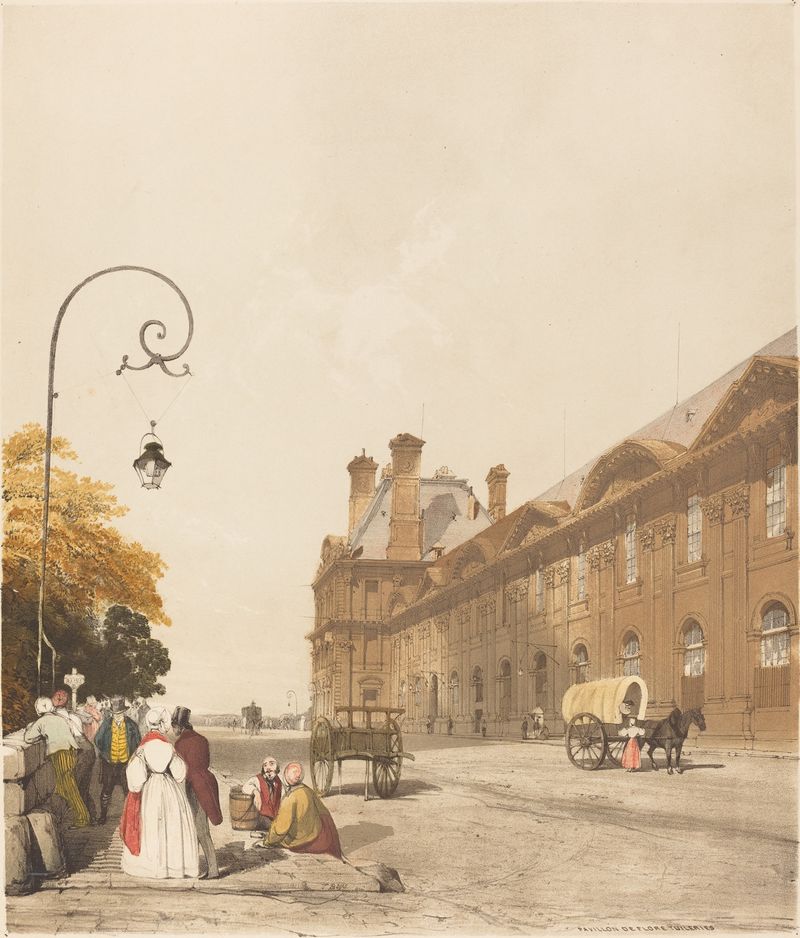
Pavillon de Flore, Tuileries
Thomas Shotter Boys
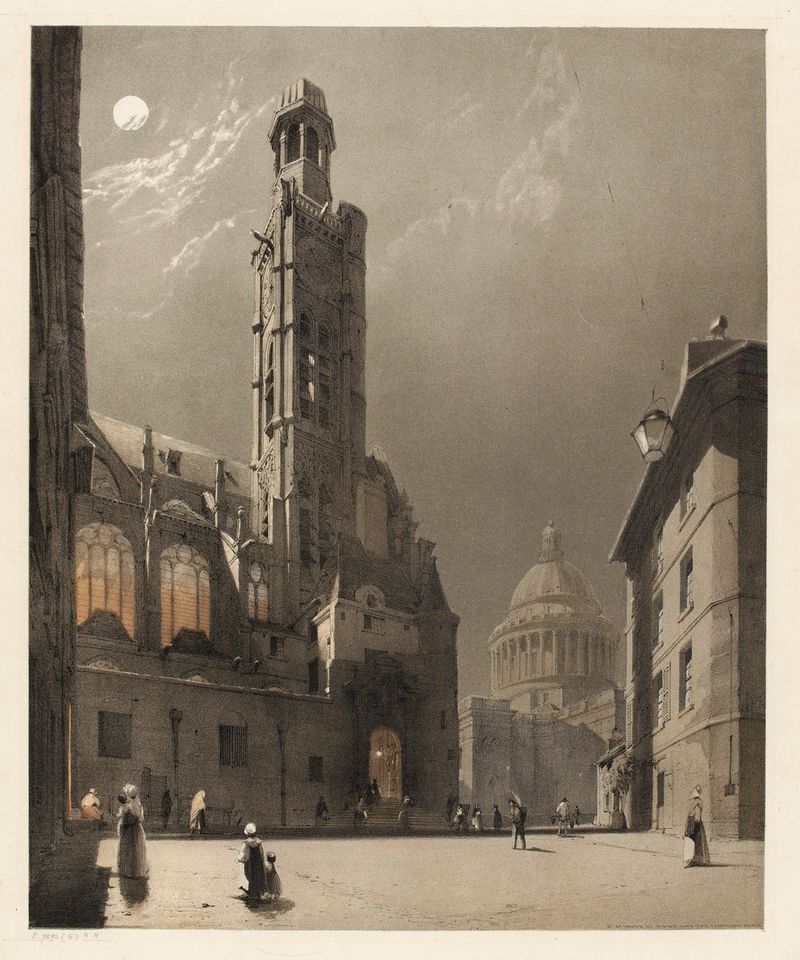
St Etienne du Mont and the Panthéon, Paris
Thomas Shotter Boys
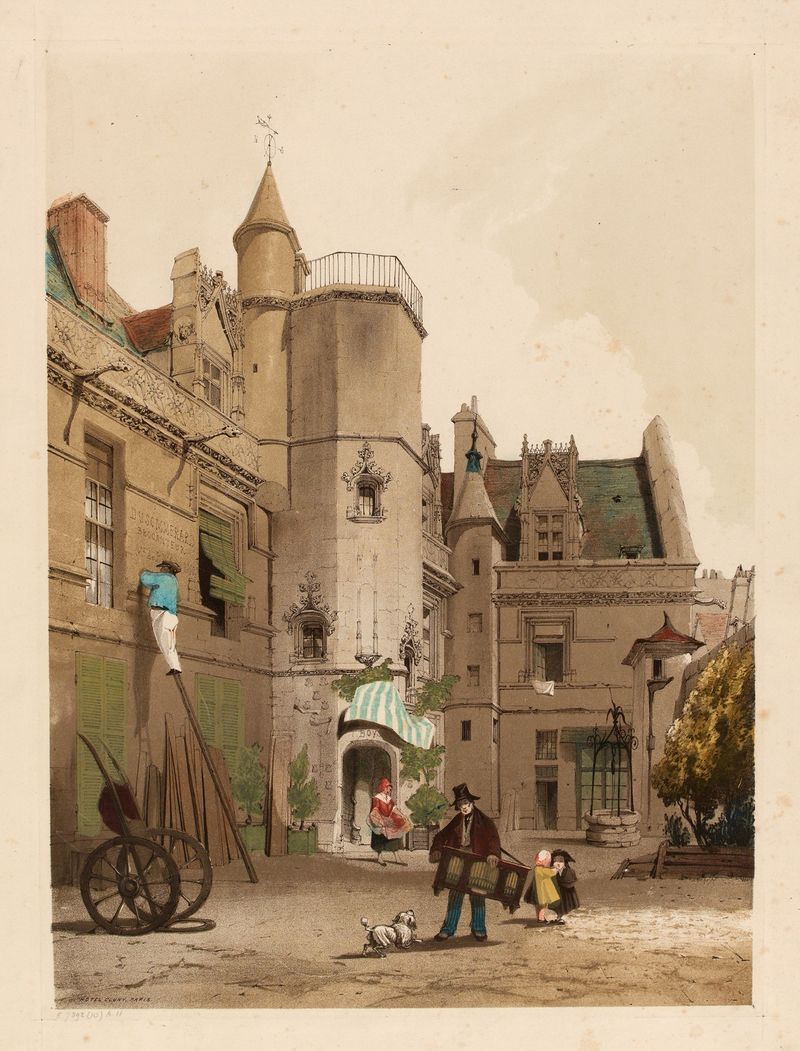
Hôtel Cluny, Paris.
Thomas Shotter Boys
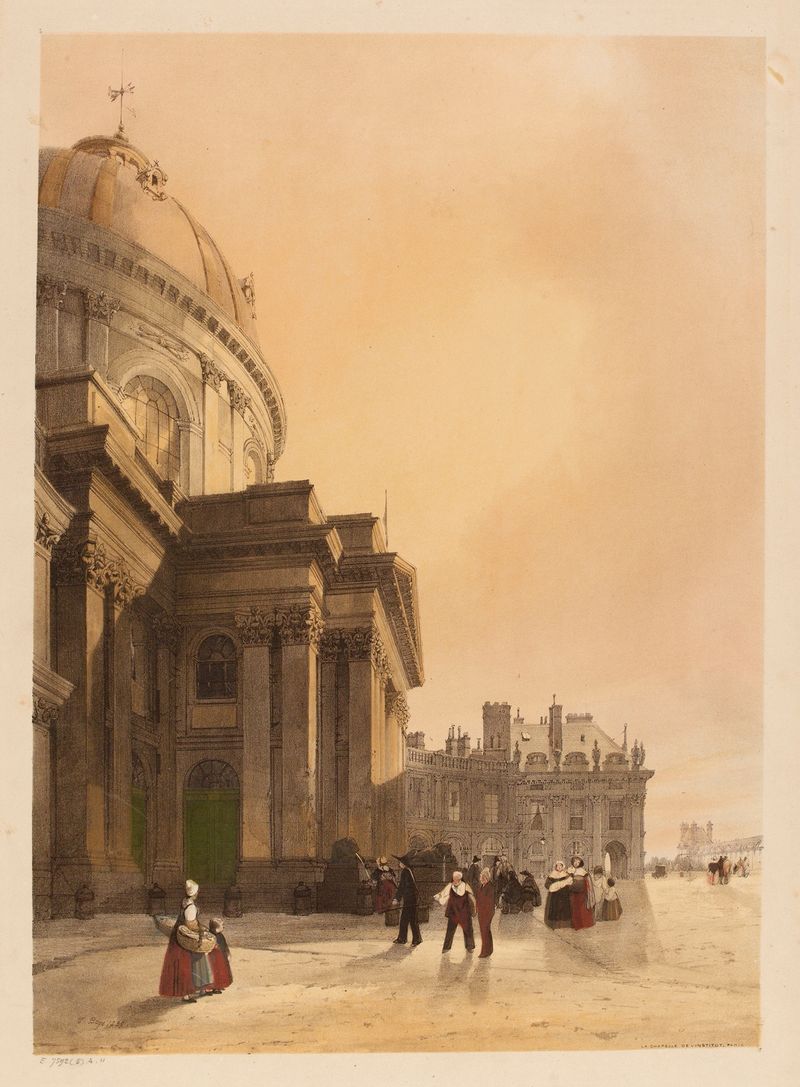
La chapelle de l’Institut, Paris
Thomas Shotter Boys
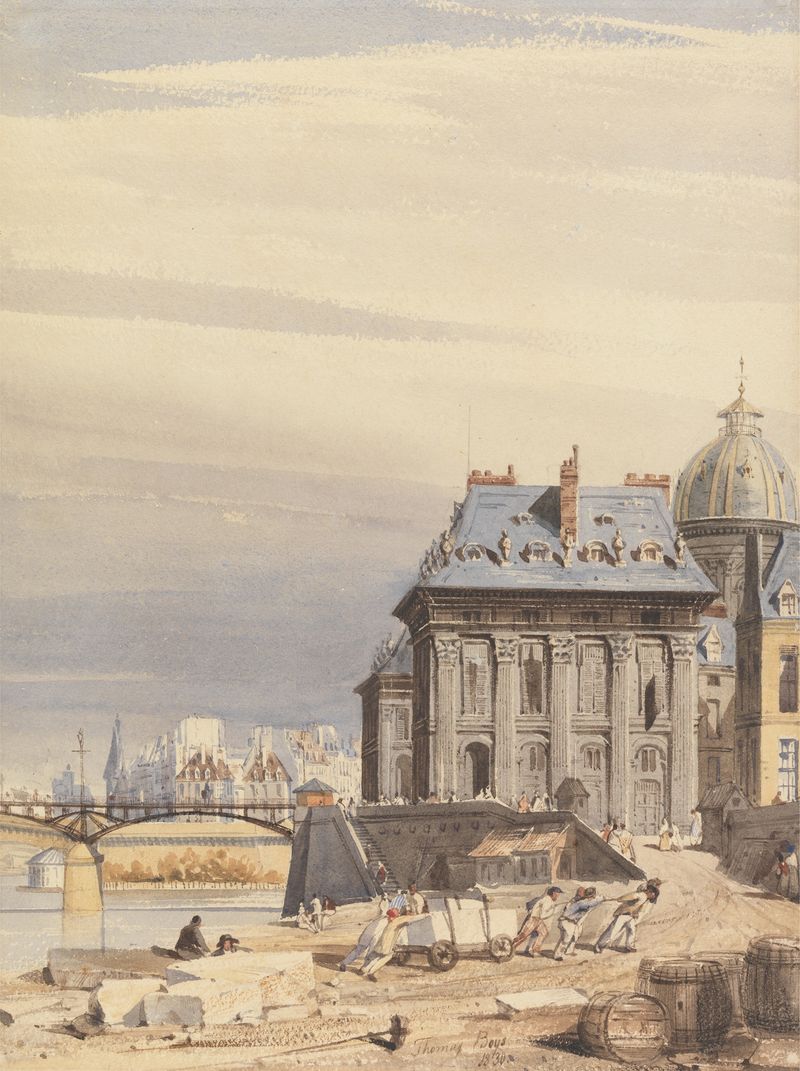
L’Institut de France, Paris
Thomas Shotter Boys
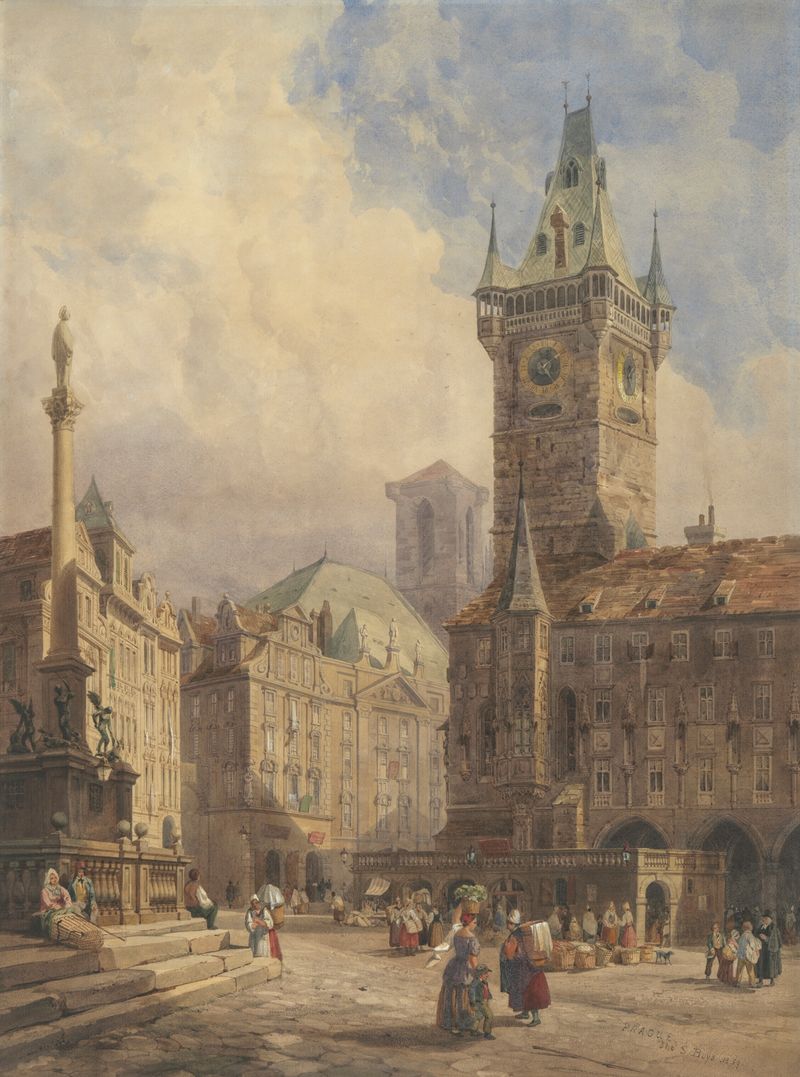
Rathaus from Old Town Square, Prague
Thomas Shotter Boys
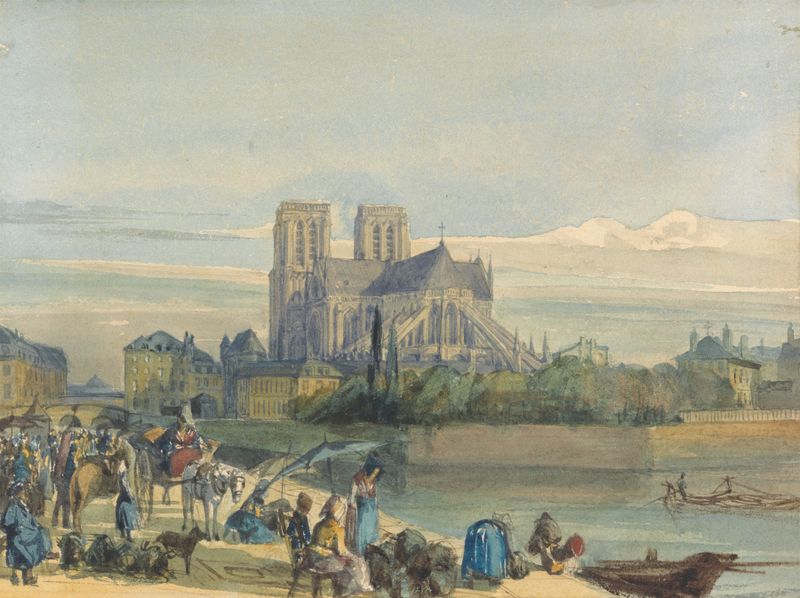
Notre Dame, Paris
Thomas Shotter Boys
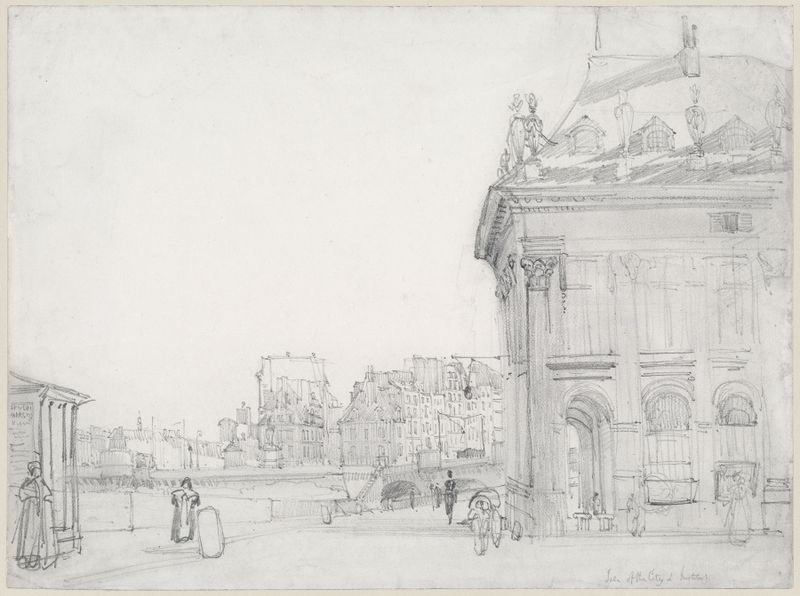
Ile de la Cité from the Institut, Paris
Thomas Shotter Boys
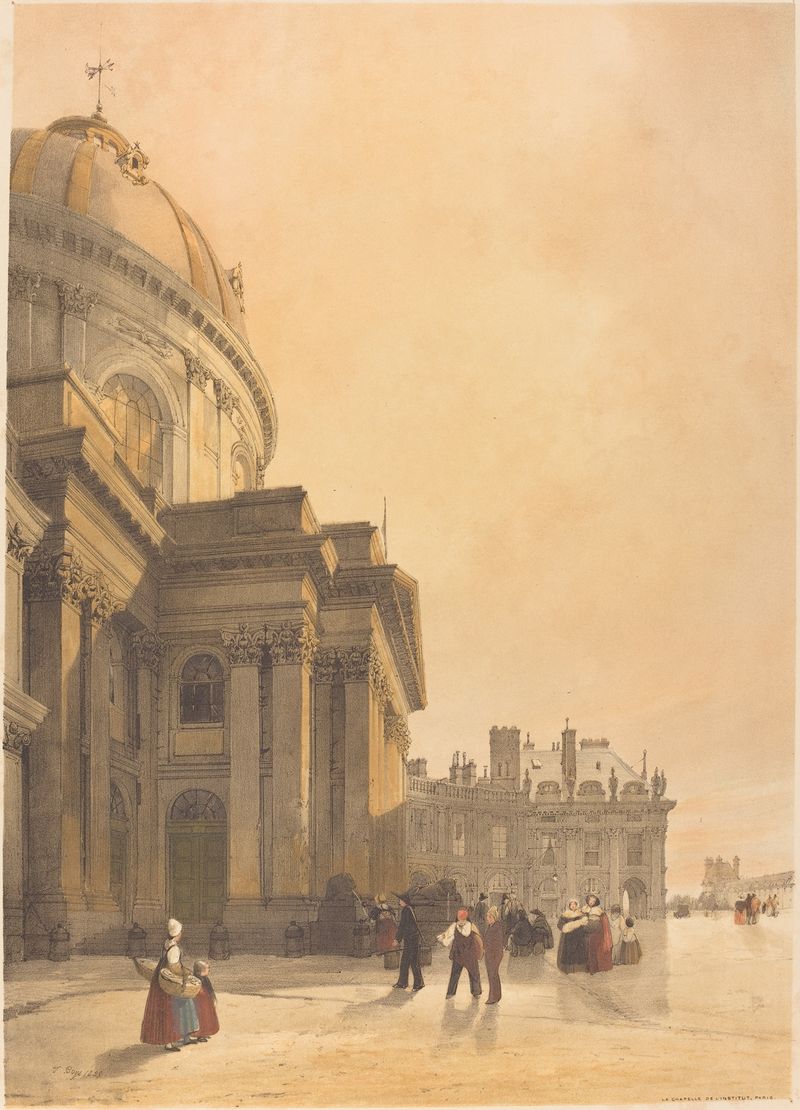
La Chapelle de l’Institut, Paris
Thomas Shotter Boys
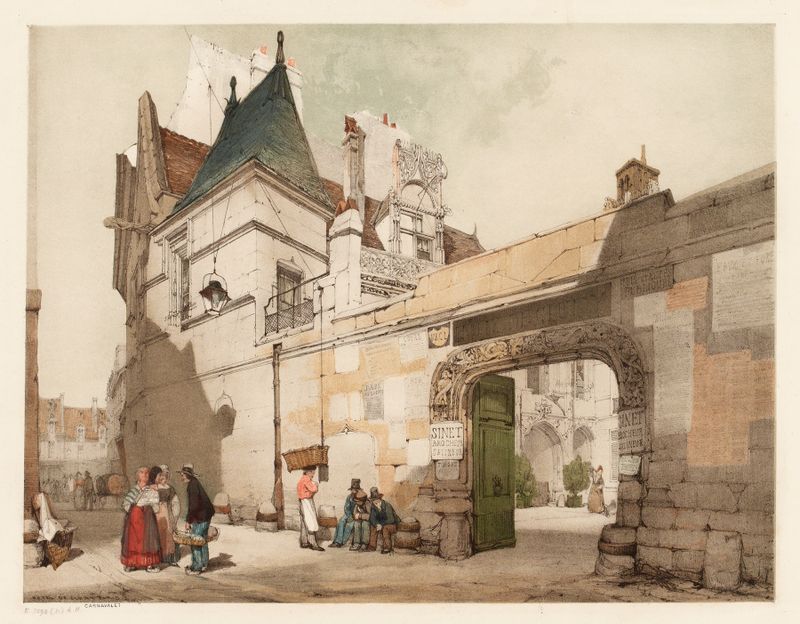
Hôtel de Cluny, Paris
Thomas Shotter Boys
More Architecture Art
Browse all →
The statue of Liberty
Frédéric Auguste Bartholdi

View of Houses in Delft, Known as ‘The Little Street’
Johannes Vermeer

View of Houses in Delft, Known as ‘The Little Street’
Johannes Vermeer

The Cathedral in Rouen. The portal, Grey Weather
Claude Monet

The yellow house
Vincent van Gogh

The Church in Auvers-sur-Oise, View from the Chevet
Vincent van Gogh