
Miraculous Bubbles — History & Facts
What first catches the eye in Miraculous Bubbles is the sense of quiet enchantment: bubbles, delicate as spun glass, rise from swirling waters between two dark rocks, drifting upward into a turquoise sky. The rocks, almost gate-like, frame the scene as if inviting the viewer into a secret world. The water’s surface is alive with intricate, swirling patterns, their curves echoing the perfect roundness of the bubbles themselves.
Each bubble catches the light, reflecting hints of the world around them, and their improbable ascent suggests a moment suspended between reality and dream. The palette shifts from the cool depths of the water to the warm, sunlit hills beyond, guiding the gaze from foreground mystery to distant calm. Created in 1915 for The dreamer of dreams by The Queen of Roumania, and illustrated by Edmund Dulac, this work belongs to the golden age of book illustration, when artists conjured entire worlds for readers hungry for wonder. Dulac, a master of visual storytelling, often drew on fairy tales and legends, blending Art Nouveau’s flowing lines with jewel-like color.
Such illustrations were commissioned to elevate books into treasured objects, merging narrative and image for adults and children alike. Though history has kept few traces of this specific piece beyond its appearance in the Harvard collection, its dreamlike vision captures the spirit of an era when art and story were inseparable—inviting you to linger, and imagine what might happen if you followed those bubbles into the sky.
More Artworks by Edmund Dulac
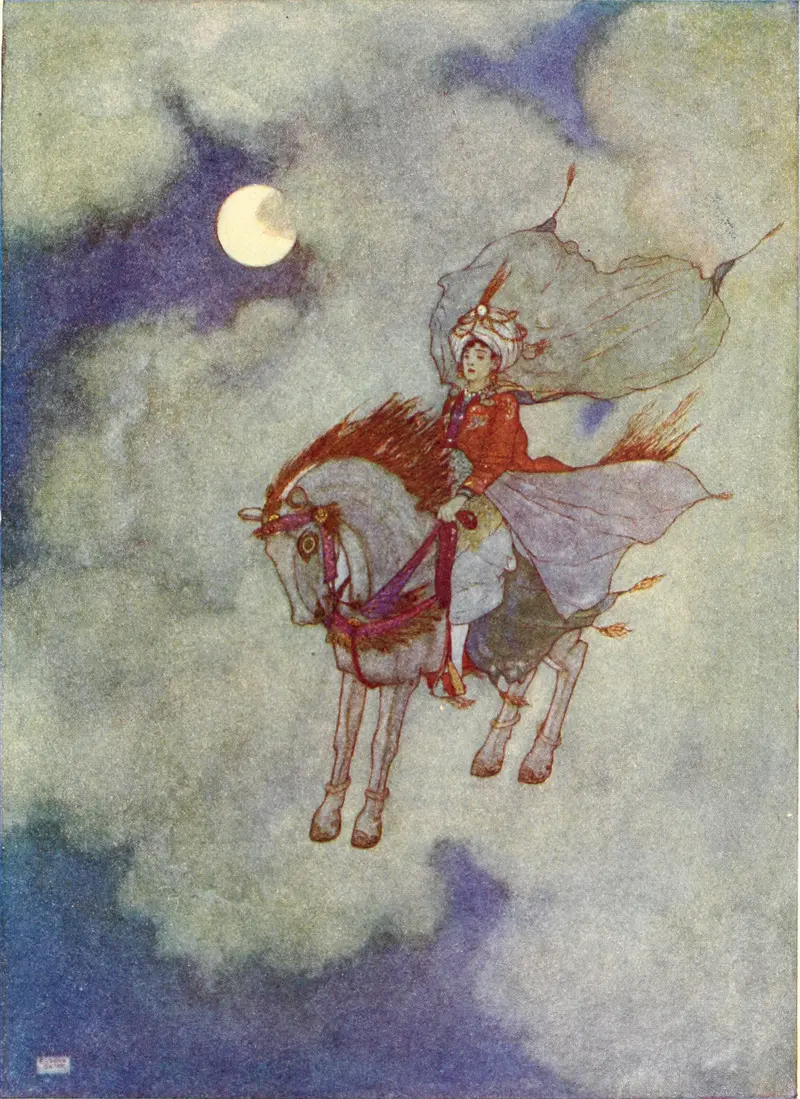
The Magic Horse: As He Descended, the Daylight Faded
Edmund Dulac
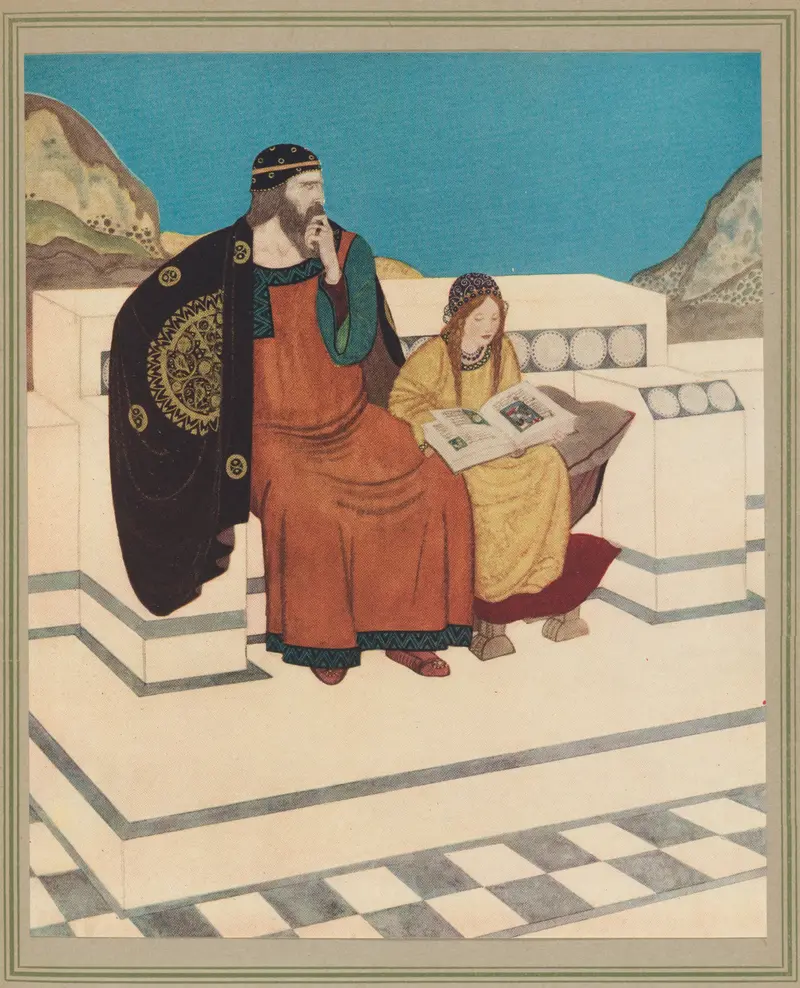
King Wanda Sat
Edmund Dulac
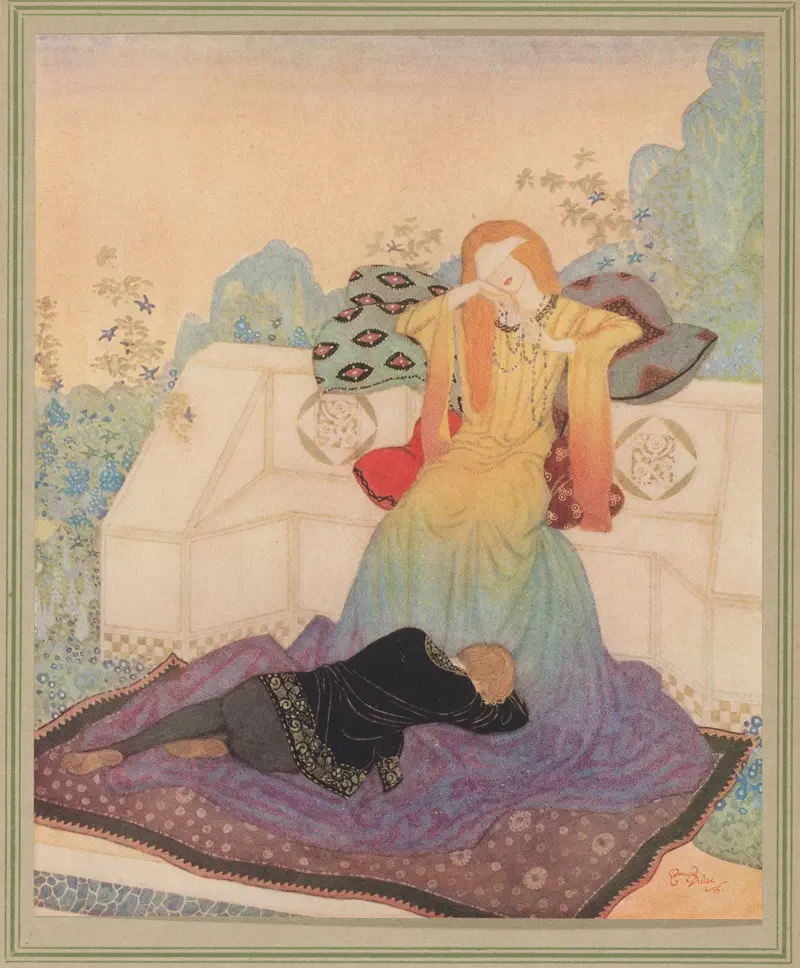
Eric Layed Now
Edmund Dulac
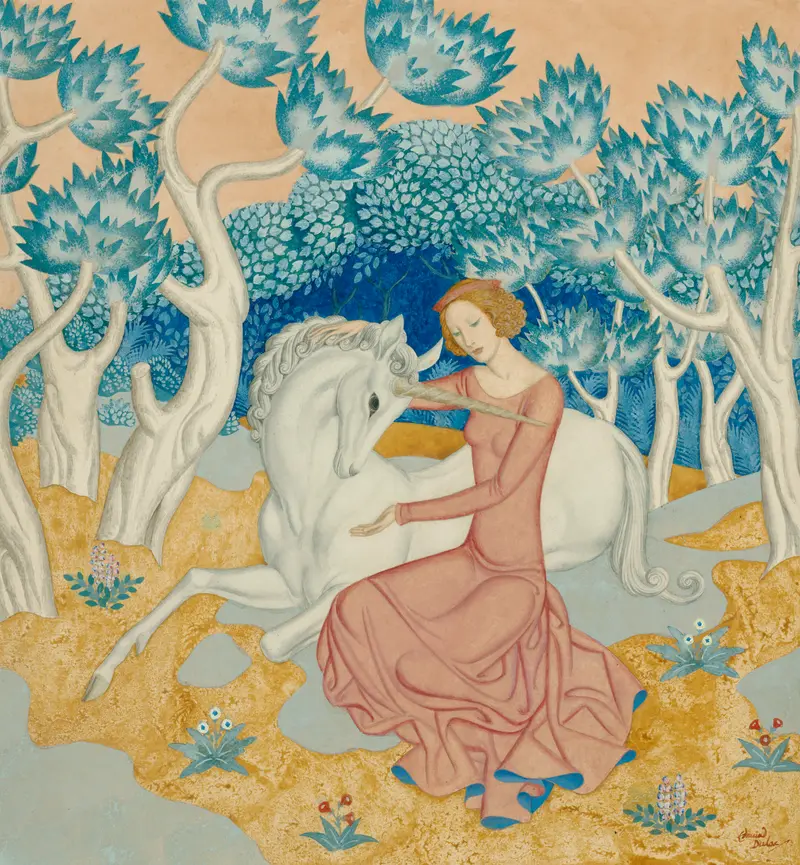
The Maid and the Unicorn
Edmund Dulac
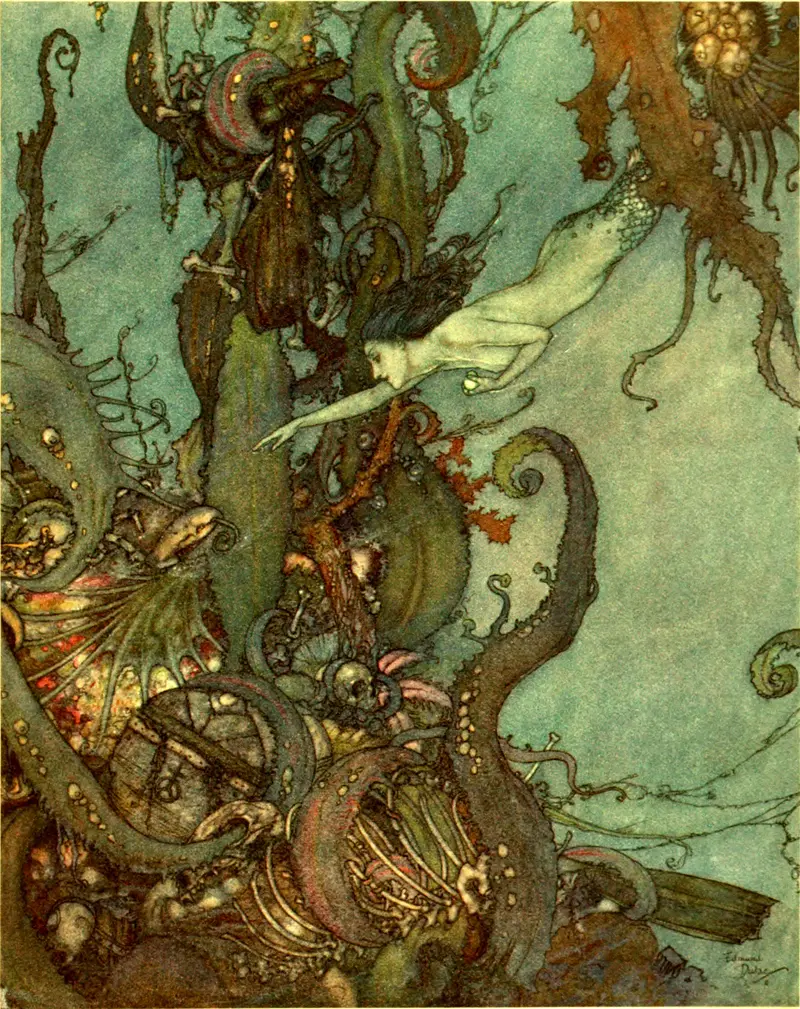
The Little Mermaid: At the Mere Sight of the Bright Liquid
Edmund Dulac

Urashima Taro
Edmund Dulac

And There Leaning
Edmund Dulac
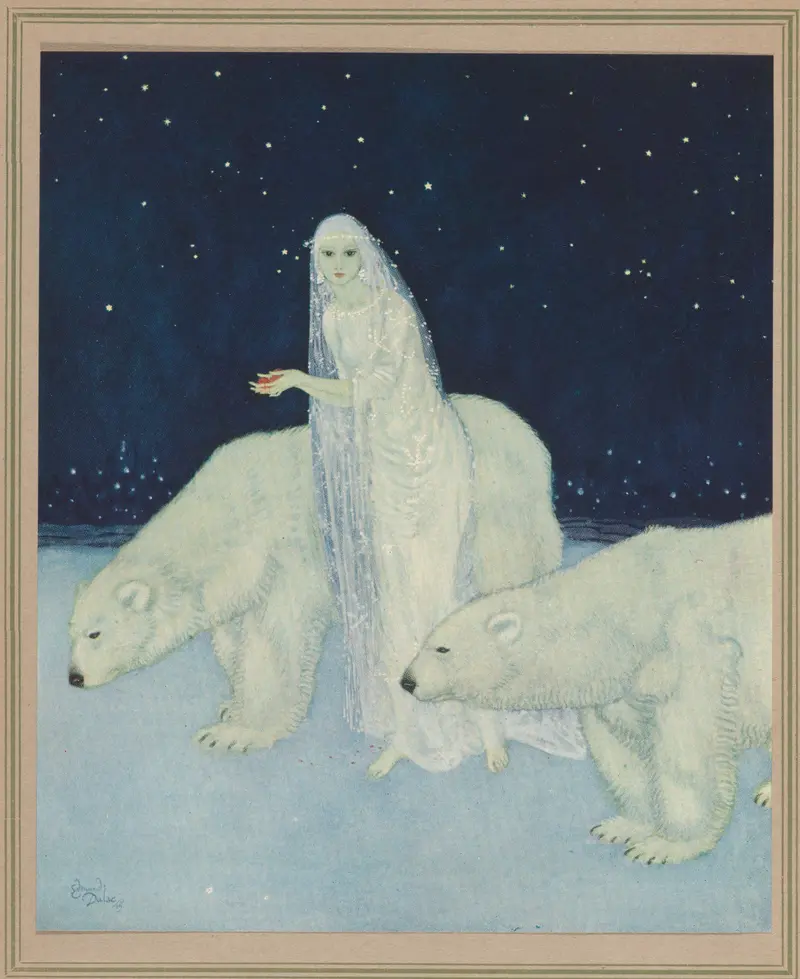
Everything About Her
Edmund Dulac
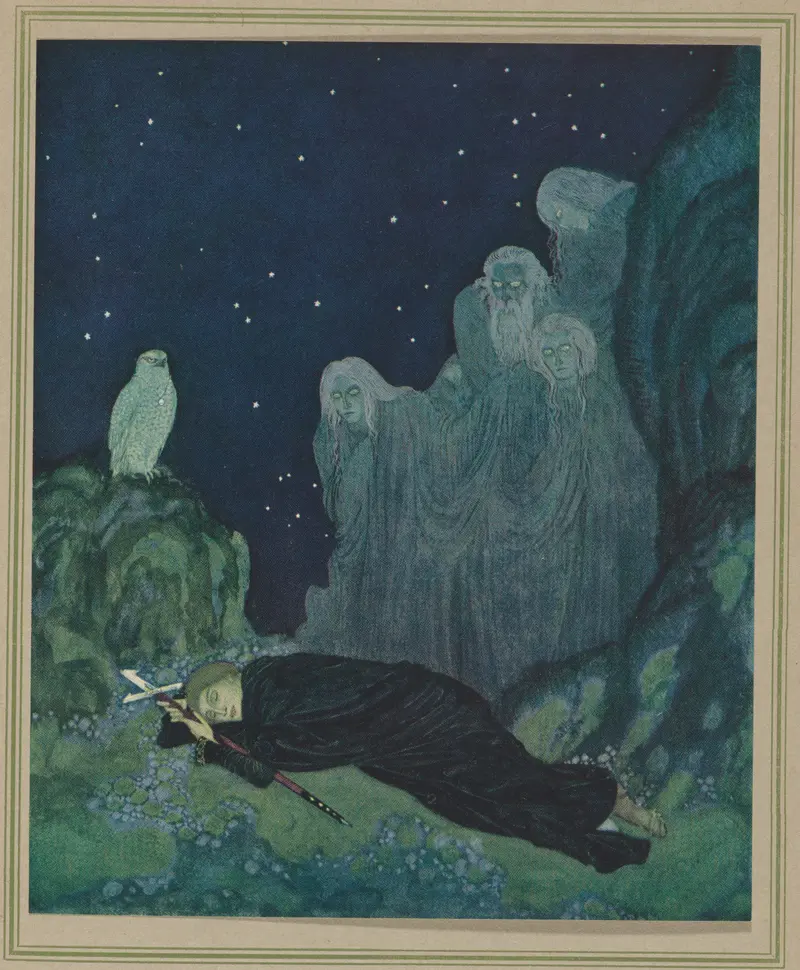
Circle Of Mist
Edmund Dulac
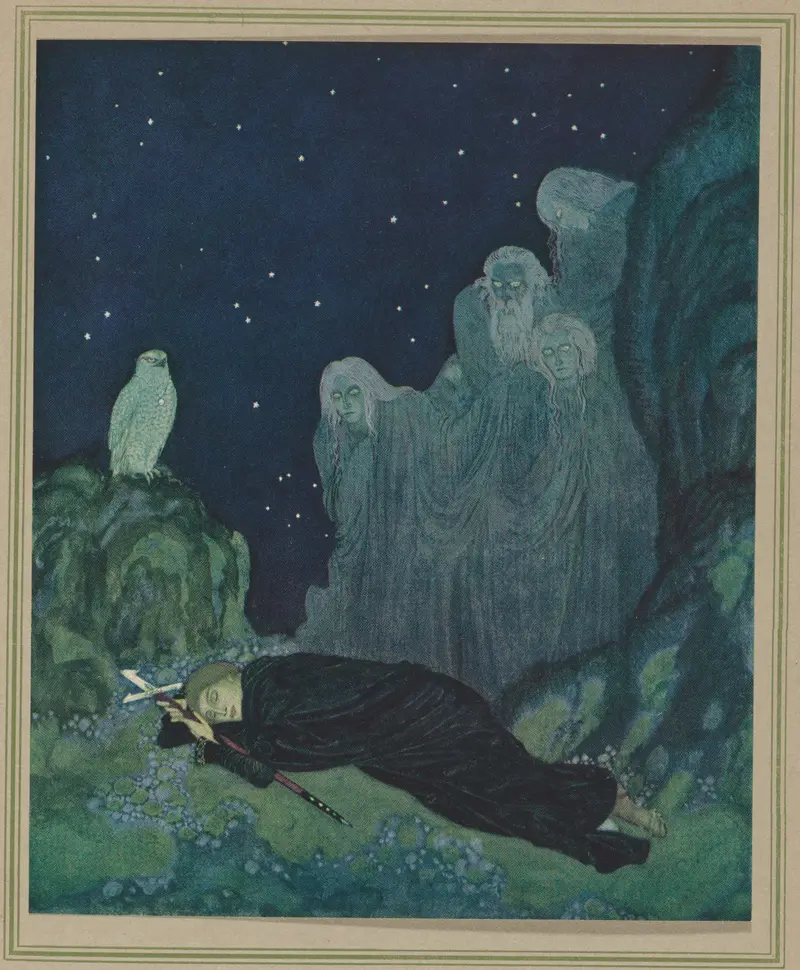
The Circle of Mist
Edmund Dulac





