
House in Tivoli — History & Facts
What if beauty was never meant to be finished? In that delicate tension between completion and eternity lies a silence that resonates deeply within the soul. Look to the left at the serene house nestled among lush greenery, its walls bathed in a soft, golden light that evokes warmth and nostalgia. The artist’s brushwork brings the landscape alive, with every stroke detailing the vibrant leaves and the rich earth, while the calm water reflects a seamless dialogue between nature and architecture. Notice how the interplay of light and shadow dances across the scene, inviting the viewer into a moment suspended in time. Delve deeper into the layers of this composition and you’ll find an emotional resonance that speaks to transience.
The quietude of the house juxtaposed with the vibrant surroundings suggests a fleeting moment of peace in a world filled with chaos. Each detail, from the meticulously rendered foliage to the distant mountains, hints at the interconnectedness of life, evoking both tranquility and a longing for permanence. The silence here is profound, as though the landscape itself holds its breath, waiting for the next chapter to unfold. Arthur Blaschnik created House in Tivoli in 1857 while living in Italy, during a time when Romanticism was shifting toward more naturalistic representations.
As an artist deeply influenced by the Italian landscape, he sought to capture the essence of beauty through his work, reflecting both personal introspection and the broader movements in art that emphasized nature’s role in human emotion.
More Artworks by Arthur Blaschnik
Browse all →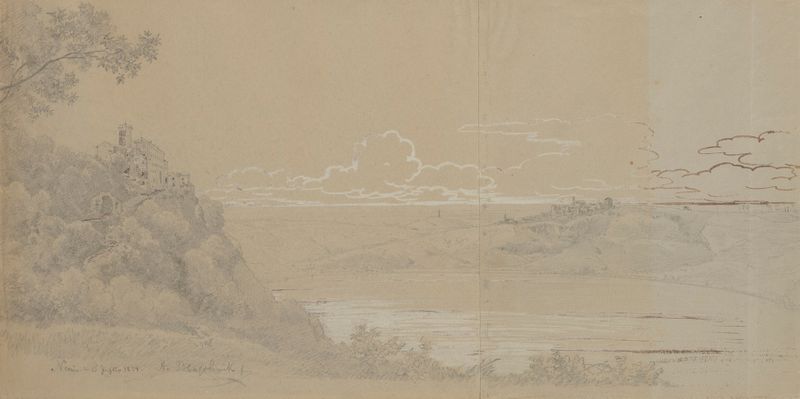
Palazzo Ruspoli by Lake Nemi, in the Distance the Town of Genzano di Roma
Arthur Blaschnik
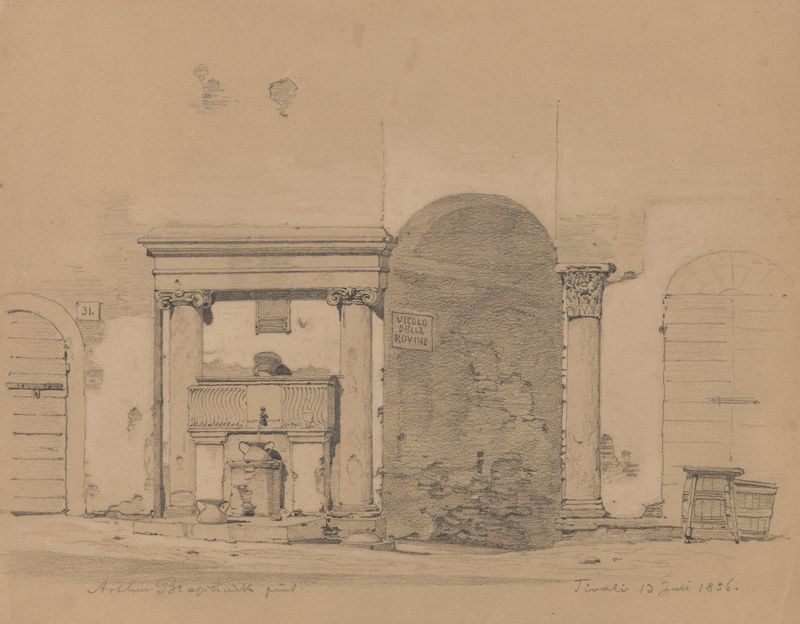
Gate Leading to Vicoli dei Grana near Piazza Palatina in Tivoli
Arthur Blaschnik
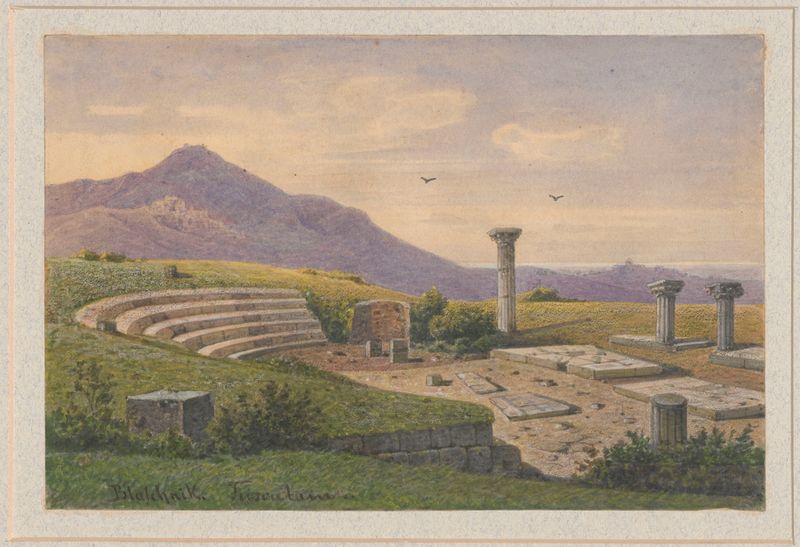
Amphitheatre in Tusculum
Arthur Blaschnik
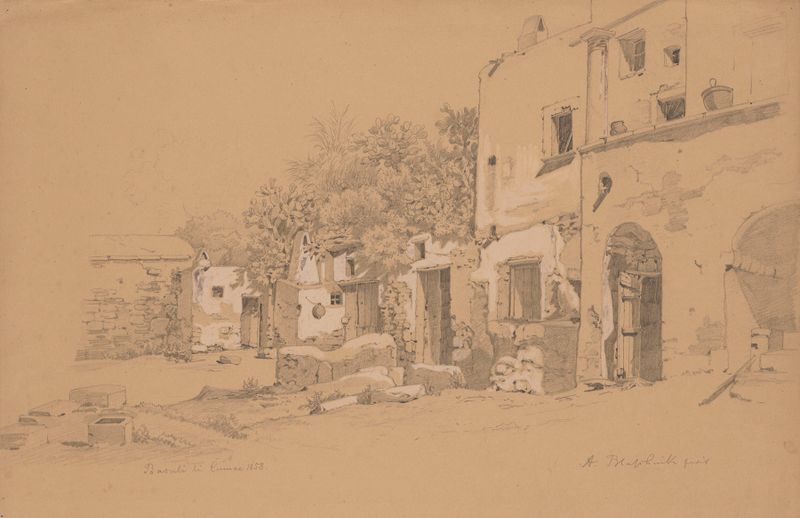
House and Outbuildings in Bacoli
Arthur Blaschnik
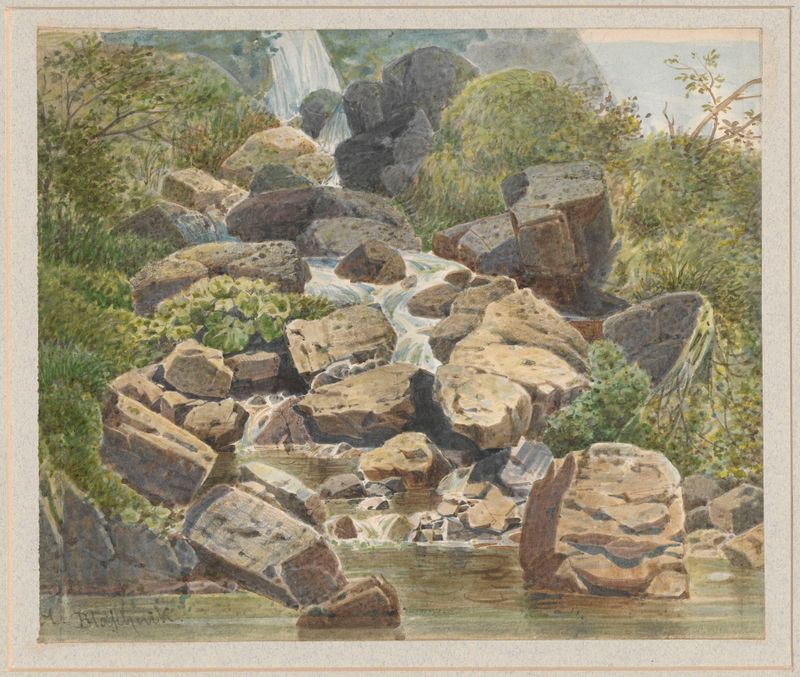
View of a small waterfall near Covigliaio, Tuscany
Arthur Blaschnik
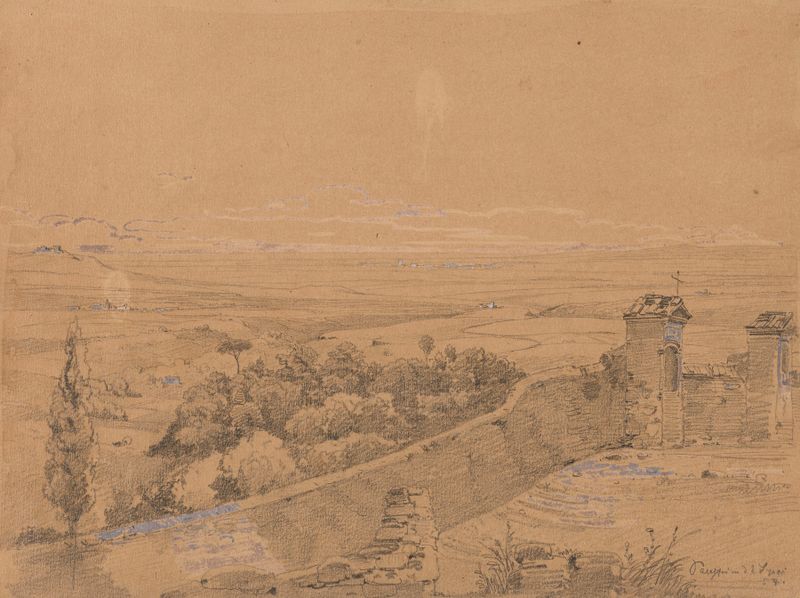
Landscape from the Vicinity of Palestrina
Arthur Blaschnik
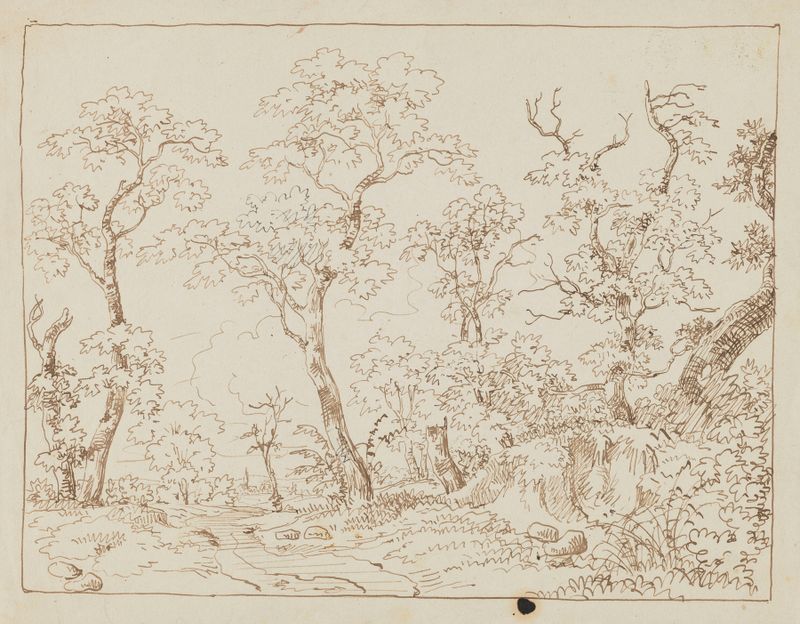
Studies of Trees, Landscape
Arthur Blaschnik
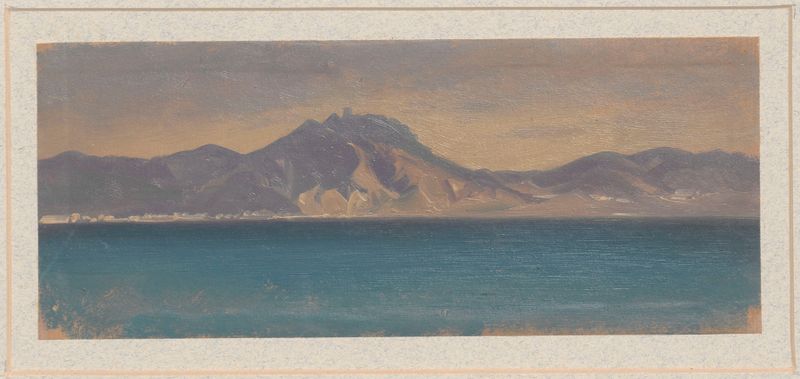
View of the Island of Capri
Arthur Blaschnik
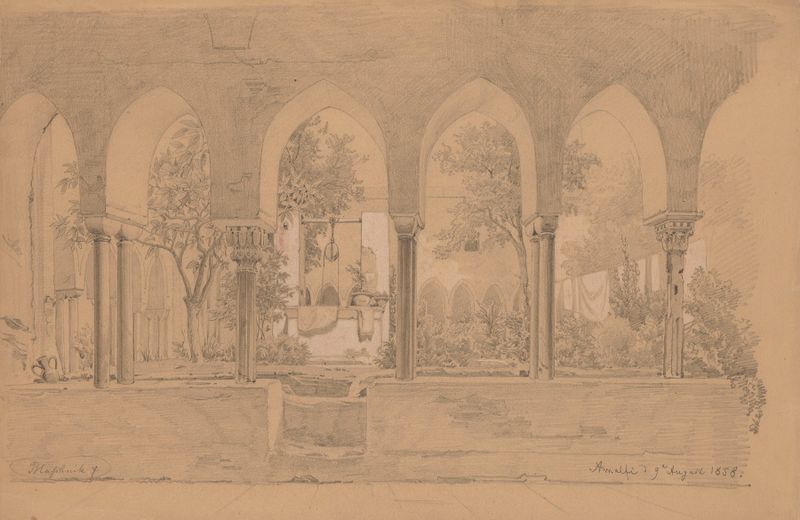
Cloister with Arcade Gallery in Amalfi
Arthur Blaschnik
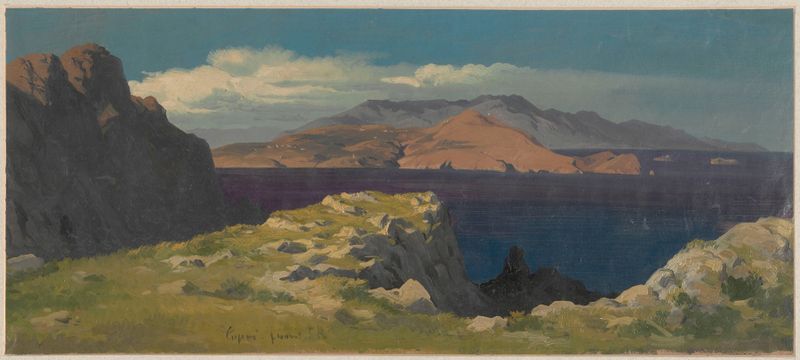
View of Capri
Arthur Blaschnik





