
Houses at Sorrento — History & Facts
Can beauty exist without sorrow? The juxtaposition of vibrant rooftops against a backdrop of solemnity raises this question in the viewer’s heart. Focus on the luminous colors of the houses that crowd together, their warm hues contrasting starkly with the muted blues of the sky and the darker shadows that weave through the landscape. Notice how the brushstrokes create a textured reality, leading the eye through the clustered homes, each telling a story of resilience amid the undulating hills. The composition’s balance draws you in, but the underlying tension in the scene compels you to explore the emotional weight tethered to this picturesque view. Delve deeper into the details, where the serenity of the village masks an undercurrent of violence — the gnarled branches of the trees stand as silent witnesses to a history that belies the tranquility.
The slight disarray of the foreground hints at a struggle, as if nature itself is reclaiming its space and whispering of past conflicts. Each house, though beautifully rendered, emerges from the canvas with a sense of haunting longing, suggesting that behind the vibrant facades lies a narrative of survival and loss. Painted in mid-19th century England, the artist was influenced by the burgeoning Romantic movement, which sought to capture the sublime in nature and human experience. During this period, Cromek was grappling with his own artistic identity and the shifting tides of societal values.
As the world faced industrialization and conflict, his work reflected a longing for simpler times, while grappling with the complexities of beauty intertwined with violence.
More Artworks by Thomas Hartley Cromek
Browse all →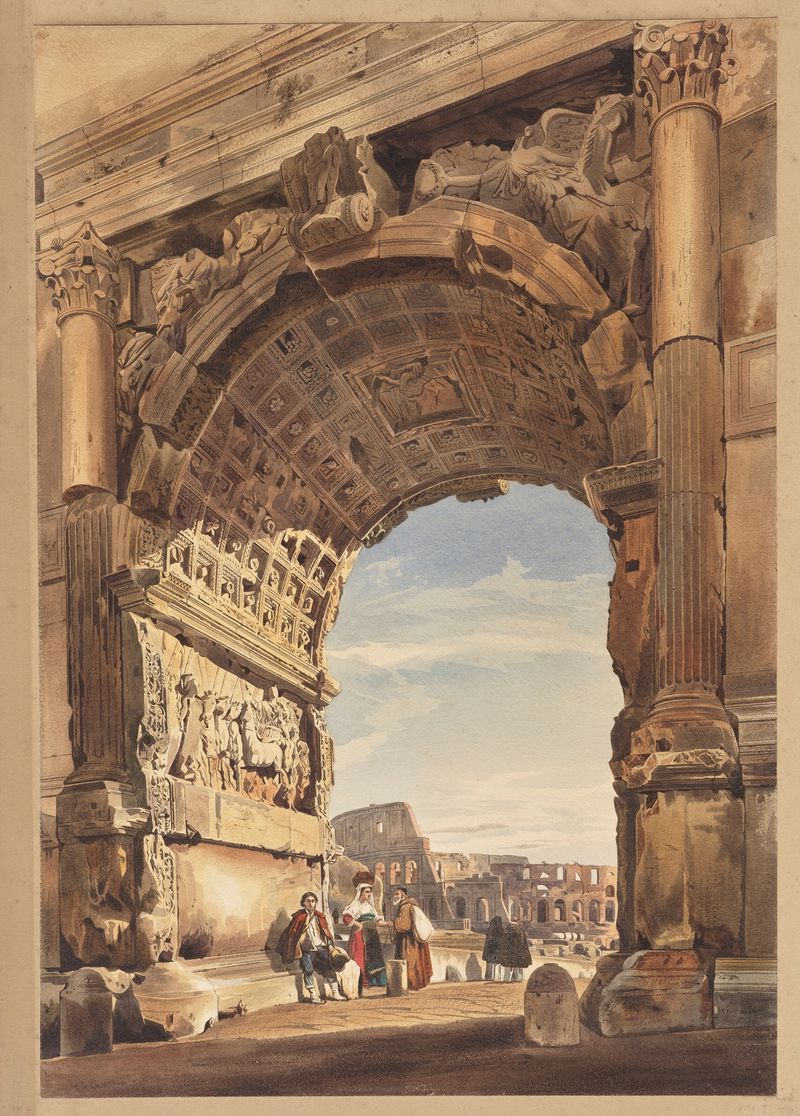
The Arch of Titus looking through to the Colosseum, Rome
Thomas Hartley Cromek
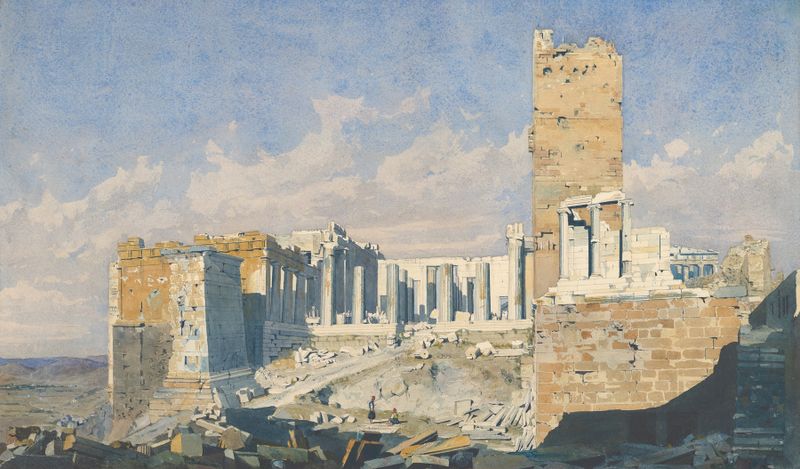
The Acropolis from the West, with the Propylaea and the Temple of Athena Nike, Athens
Thomas Hartley Cromek

The Cathedral and Palace of the Popes, Avignon
Thomas Hartley Cromek

A Glen in Sorrento
Thomas Hartley Cromek
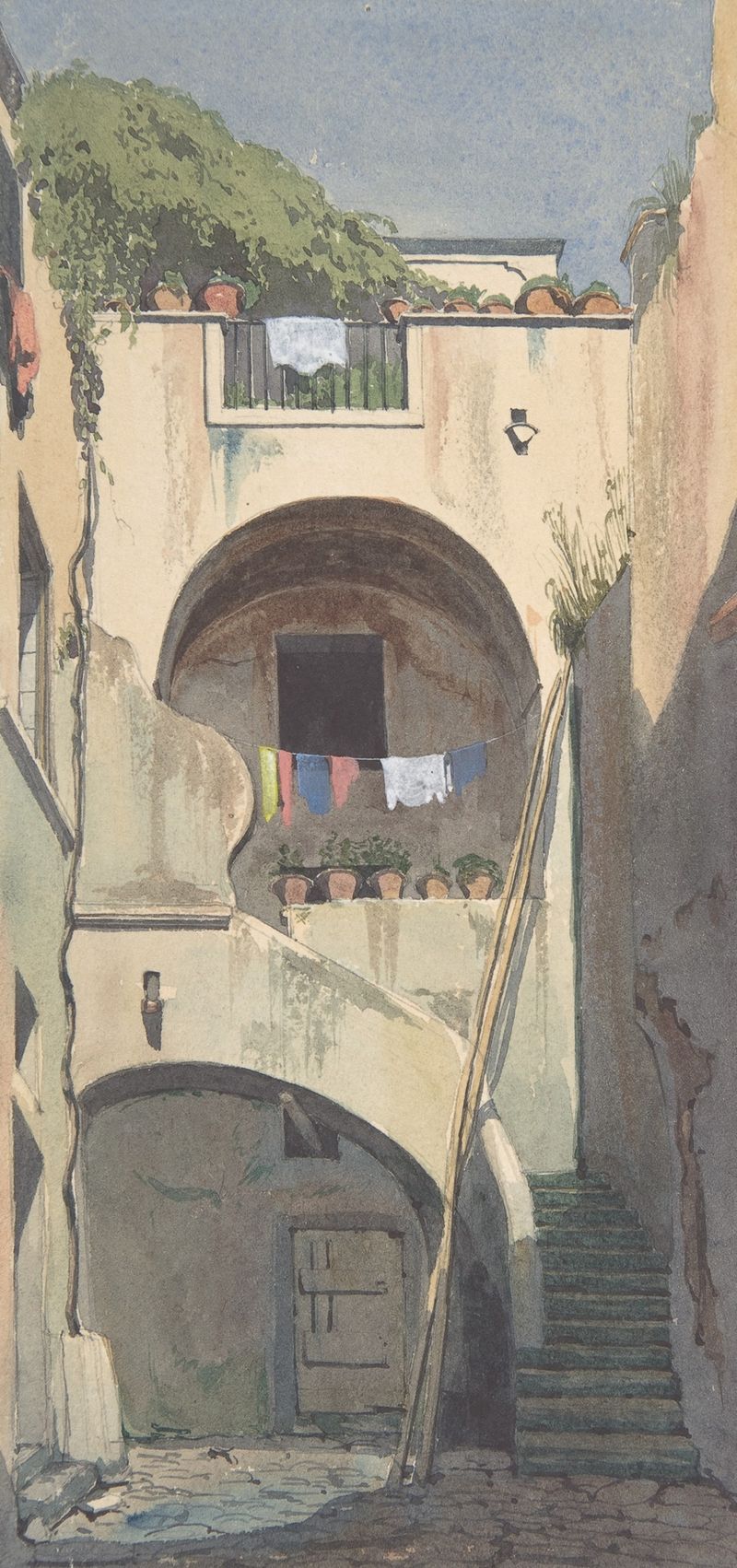
A House at Sorrento
Thomas Hartley Cromek

The Interior of the Lower Basilica of St. Francis of Assisi
Thomas Hartley Cromek
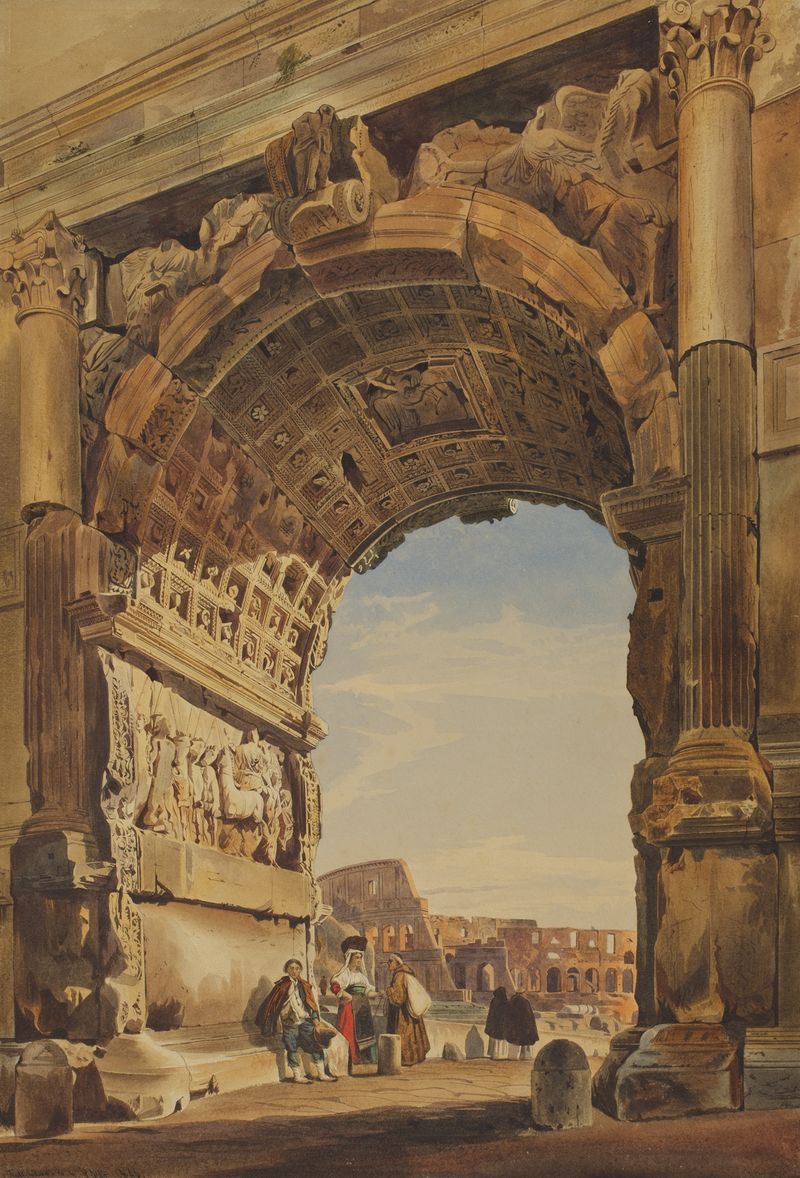
The Arch of Titus and the Coliseum, Rome
Thomas Hartley Cromek

A view of the Umbrian campagna with Spoleto in the distance and a goatherd and his flock in the foreground
Thomas Hartley Cromek
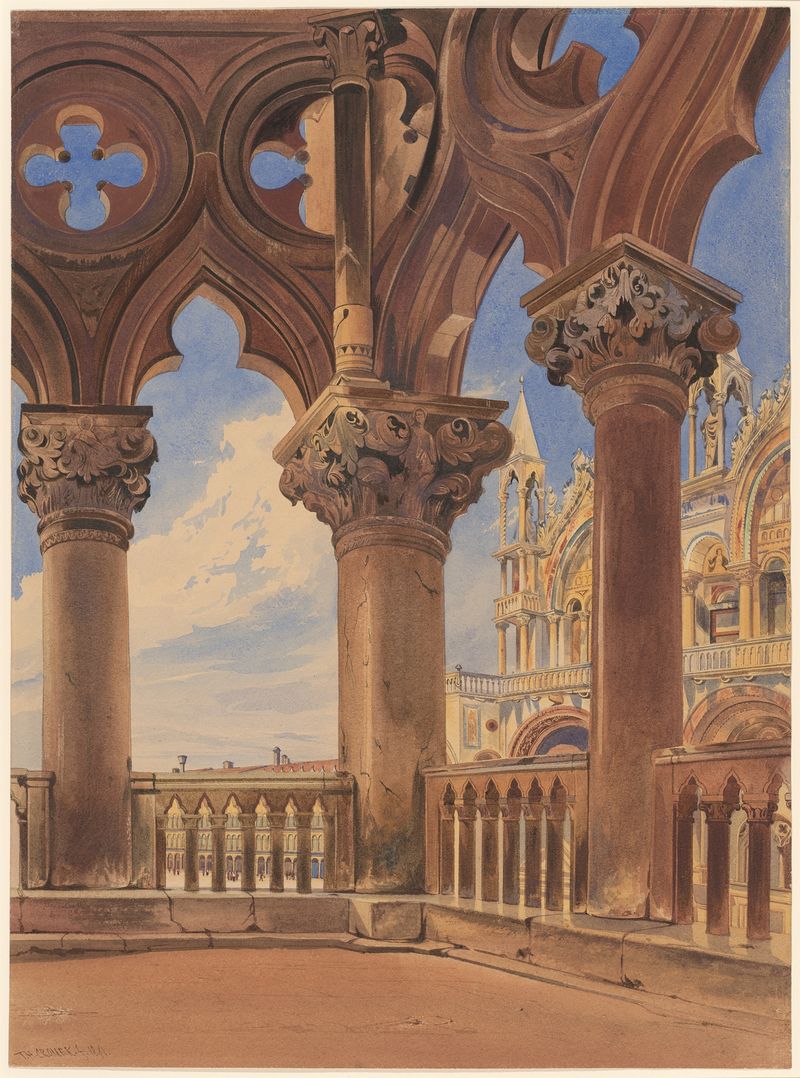
St. Marks Square from the Doges Palace
Thomas Hartley Cromek
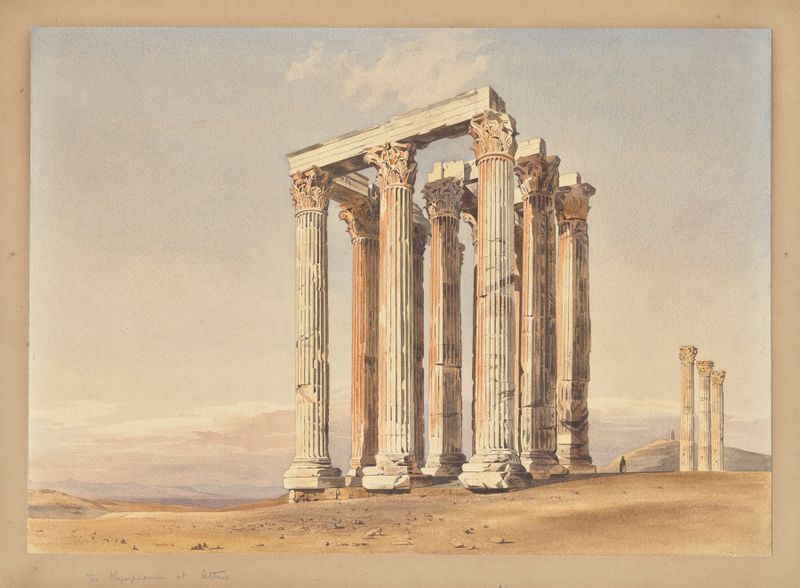
The Temple of Olympian Zeus, Athens
Thomas Hartley Cromek





