
Houses near Orléans (Maisons aux Environs d’Orléans) — History & Facts
In its stillness, it invites viewers to step into a realm between reality and dreams, a fleeting moment captured in time. Look closely at the left side of the painting, where soft strokes of green and brown tease the eye, hinting at the lush foliage that envelops the modest houses. The warm sunlight bathes the scene, casting delicate shadows that dance across the textured surfaces, while the sky above transitions from pale blue to a deeper azure, suggesting the gradual shift from day to dusk. Notice how the houses, though simple, are lovingly detailed, their windows glimmering faintly as if holding secrets of the lives that dwell within. Beneath the tranquil exterior lies a rich tapestry of contrasts.
The juxtaposition of man-made structures against the wild, unkempt nature signifies humanity’s delicate relationship with the environment, while the muted palette evokes a sense of nostalgia, drawing one to ponder the passage of time. Each brushstroke embodies the weight of history, and yet, there’s an ethereal quality that hints at an idealized memory, a dreamscape that feels both familiar and elusive. Created around 1830, this work emerged during a transformative period for the artist, who was exploring the interplay between light and landscape. Living in France, Corot was influenced by the burgeoning Romantic movement, which sought to convey emotion and the sublime through nature.
As he painted Houses near Orléans, he was simultaneously capturing the essence of a moment while also linking it to the broader currents of his time, blending the tangible with the intangible.
More Artworks by Jean-Baptiste-Camille Corot
Browse all →
View of Genoa
Jean-Baptiste-Camille Corot
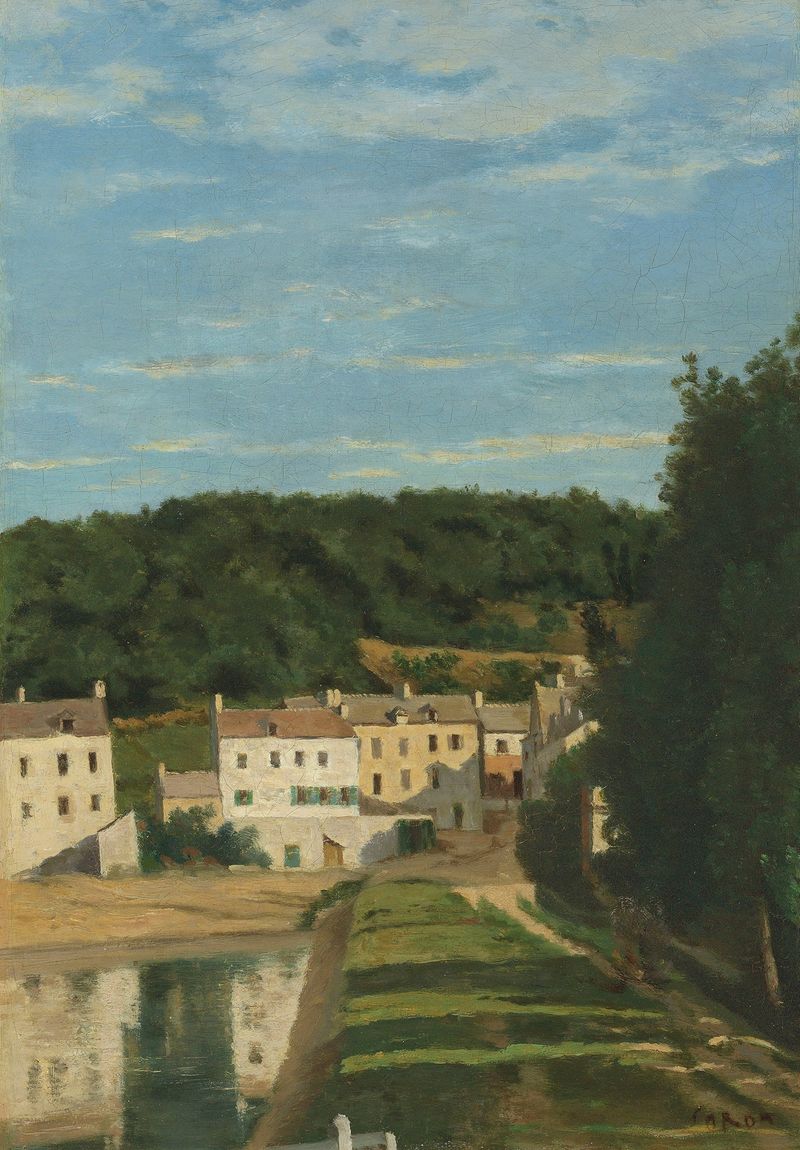
Les Maisons Cabassud À Ville D’avray
Jean-Baptiste-Camille Corot

La solitude. Souvenir de Vigen (Limousin)
Jean-Baptiste-Camille Corot
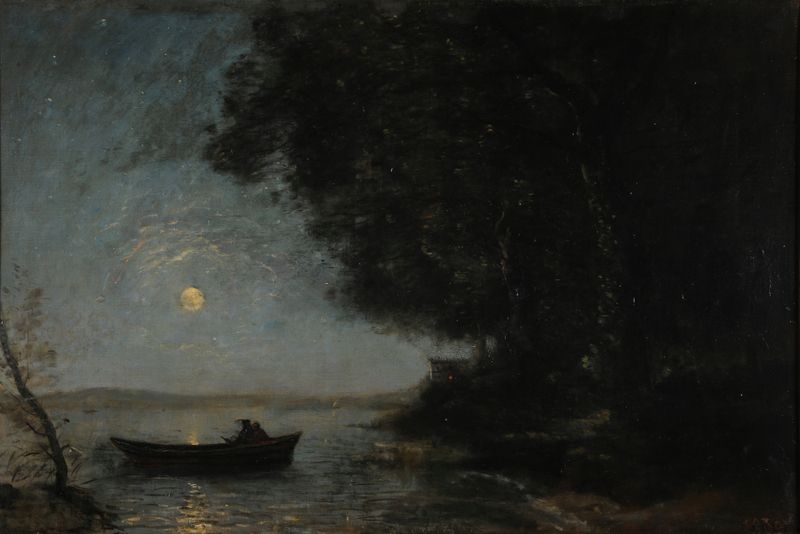
Le lac ; effet de nuit
Jean-Baptiste-Camille Corot
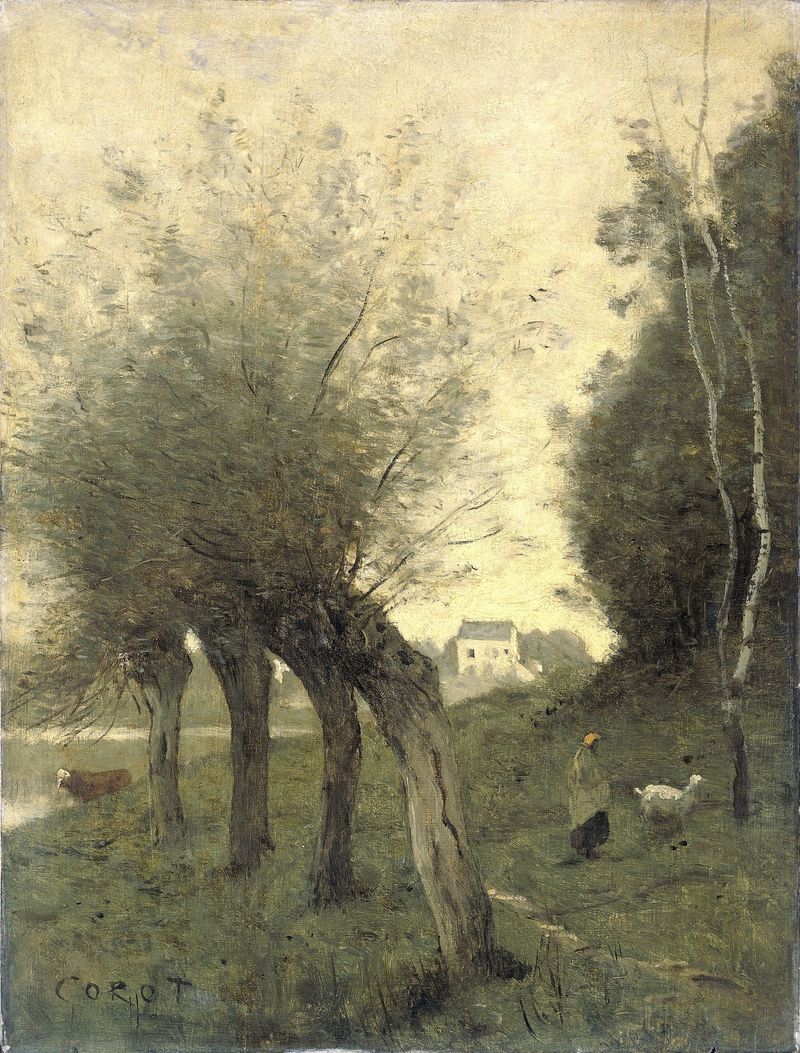
Landscape with Pollard Willows
Jean-Baptiste-Camille Corot
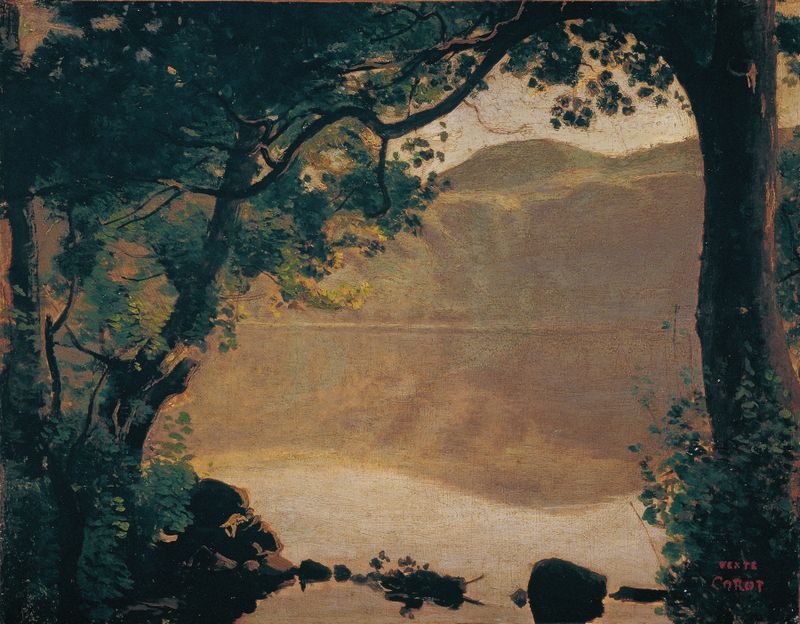
Der Nemisee
Jean-Baptiste-Camille Corot
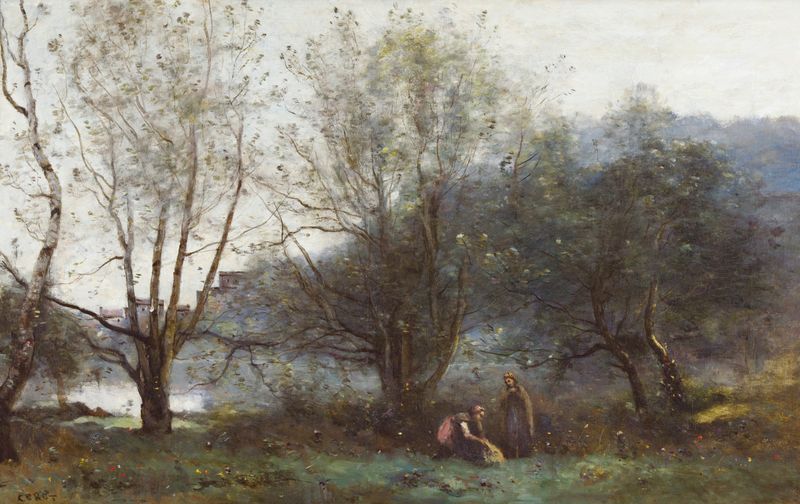
Les Étangs De Ville D’avray
Jean-Baptiste-Camille Corot
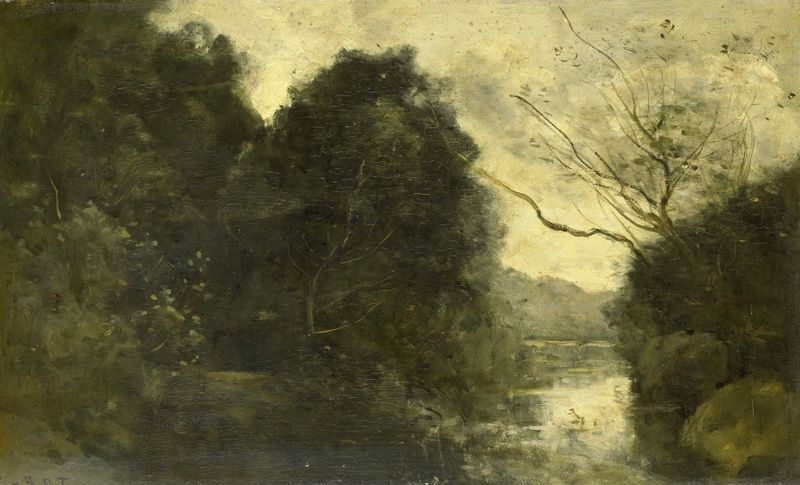
Pond in the Woods
Jean-Baptiste-Camille Corot
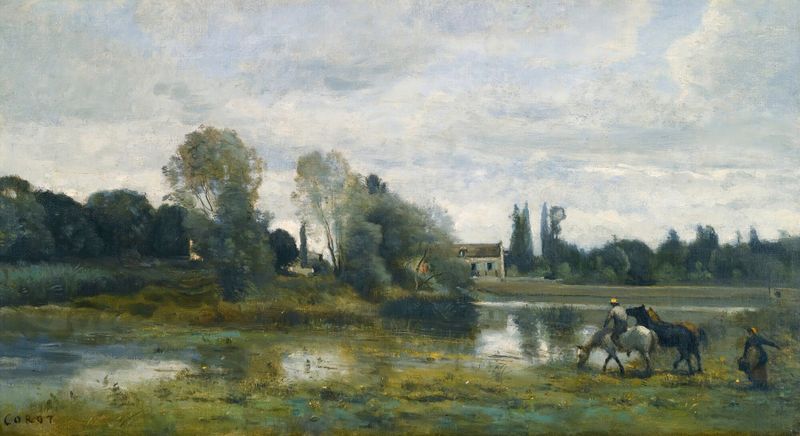
Ville D’avray; L’abreuvoir Des Chevaux
Jean-Baptiste-Camille Corot
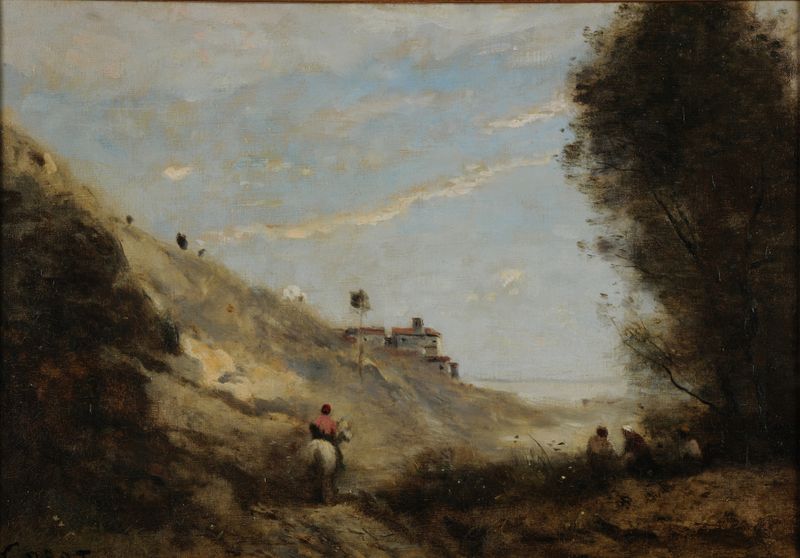
Le vallon au cavalier
Jean-Baptiste-Camille Corot





