Hrabušice — History & Facts
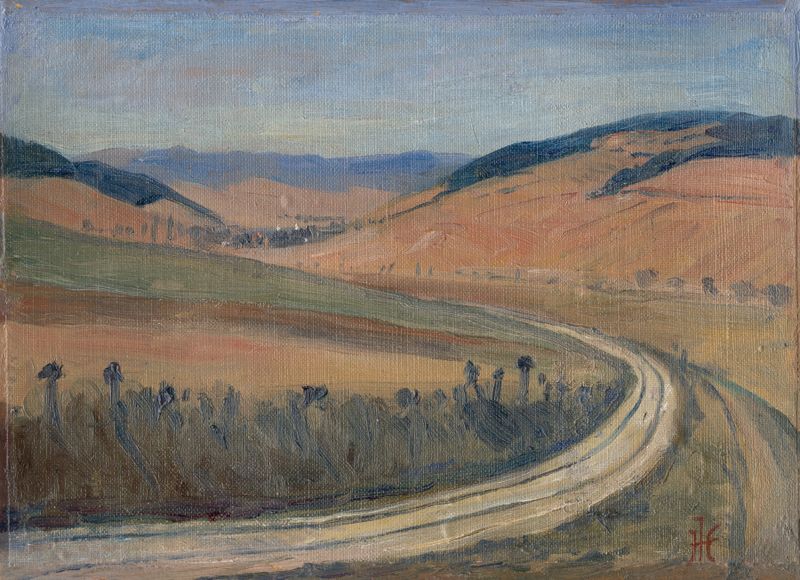
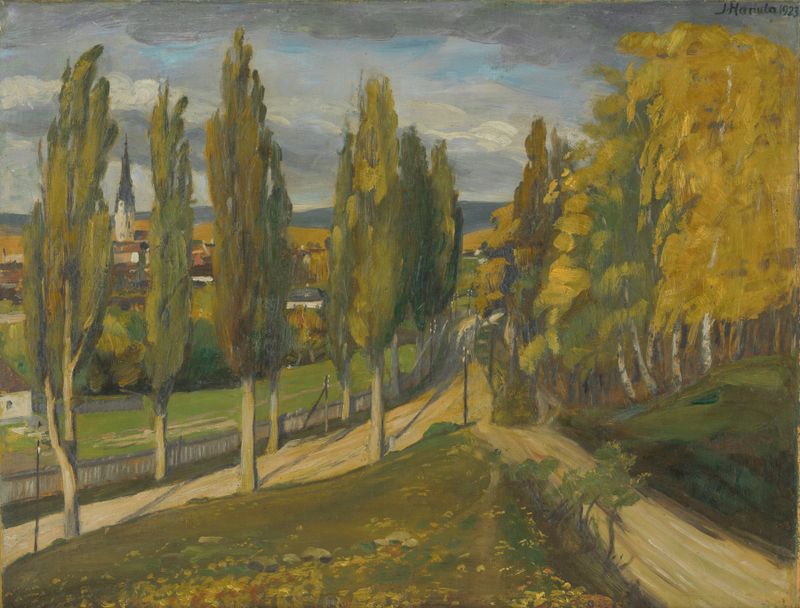
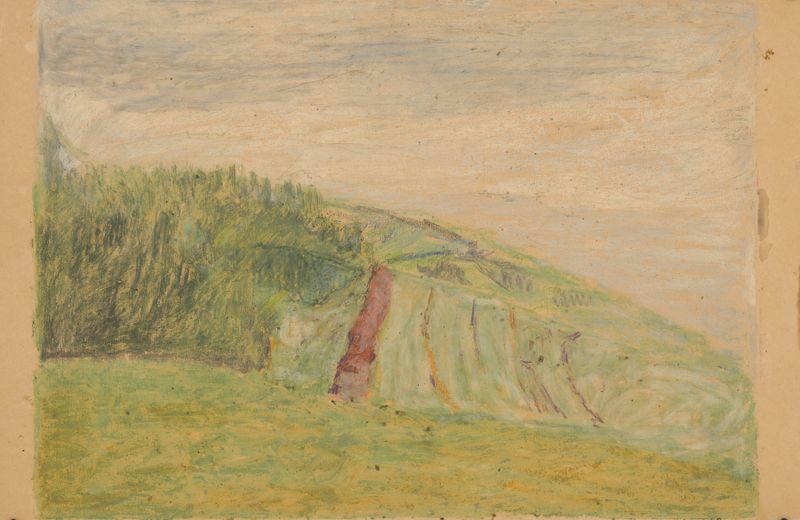
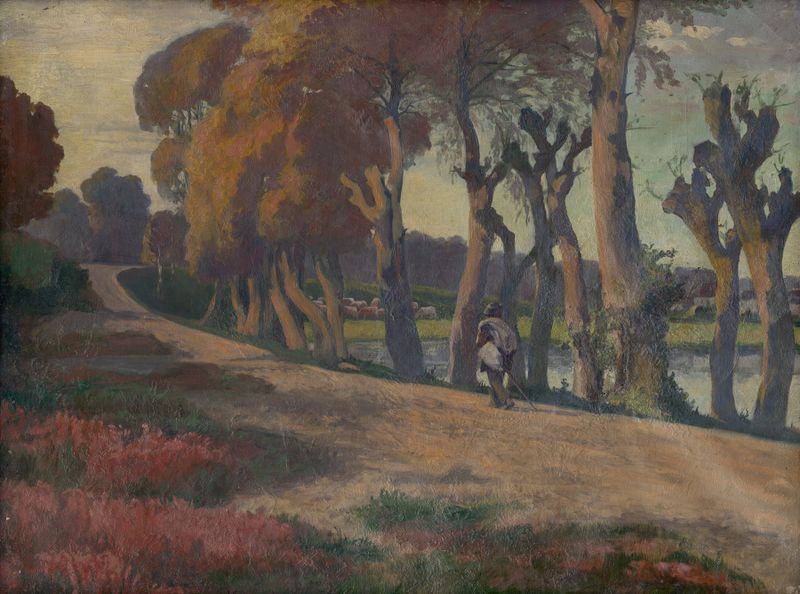
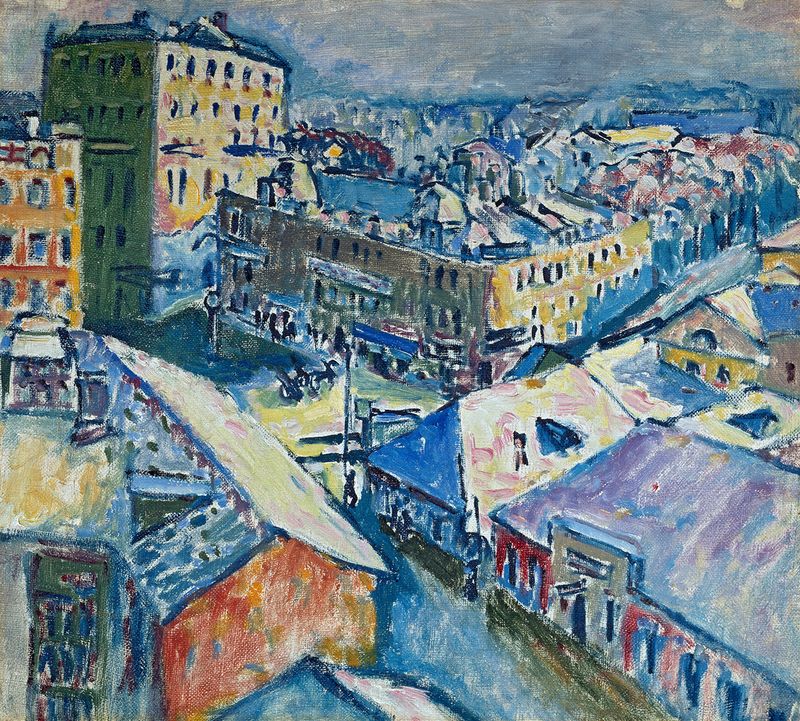
In the gentle folds of vibrant hues, the essence of movement pulses like a heartbeat, inviting the viewer into a dialogue with the canvas. Look to the center of the piece, where a cascade of blues and greens entwine, mimicking the rippling of water on a tranquil surface. The artist employs dynamic brushstrokes that suggest rhythm and flow, drawing your eyes into the interplay of light and shadow. Notice how the colors shift with an almost playful exuberance, accentuating the vibrancy of nature while inviting introspection about the world beyond the painted frame. Yet, amidst this vivid celebration, there lies a subtle tension—the juxtaposition of serene landscapes with the underlying currents of change.
The way Hanula captures movement, whether through the sway of trees or the shimmering reflections in water, speaks to the impermanence of each moment. Within each brushstroke lies an echo of the life teeming beneath the surface, reminding us that stillness often conceals a world in flux. In 1891, Jozef Hanula painted Hrabušice while immersed in the picturesque surroundings of Slovakia. This period marked a significant evolution in his style, as he sought to capture the interplay of nature and emotion.
The late 19th century was a time of artistic experimentation, and Hanula was influenced by contemporaries who emphasized the power of landscapes not just as settings, but as living entities that engage with the viewer.