Landscape With A Herdsman — History & Facts
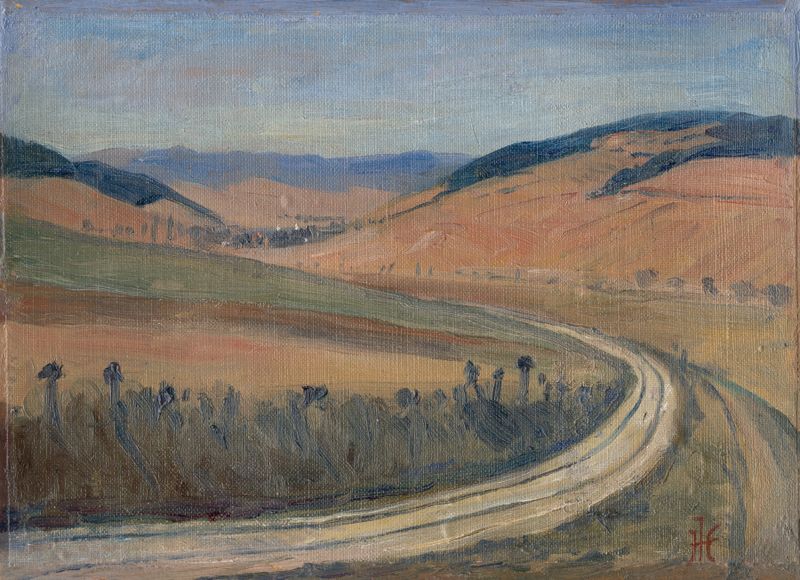
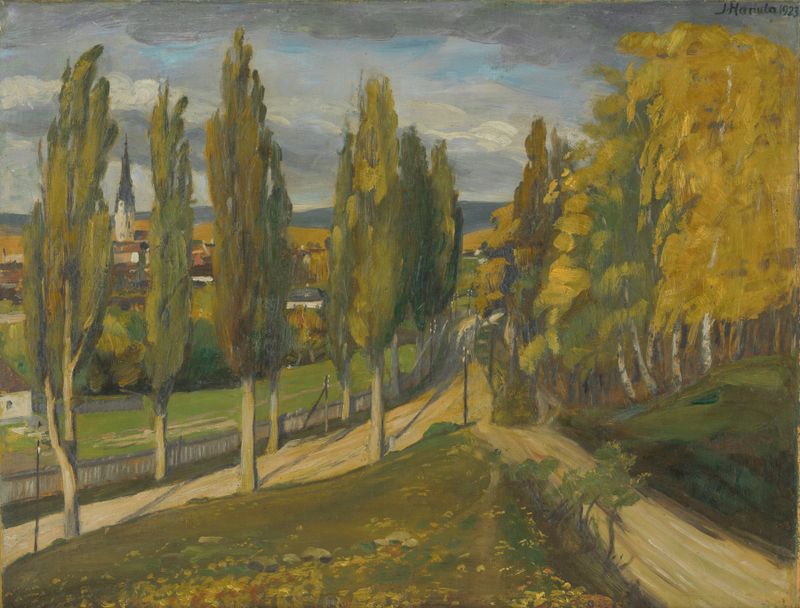
When did color learn to lie? This painting whispers secrets of longing, an emotional undercurrent that resonates beyond the surface. Look to the vast expanse of the canvas, where rolling hills meet a sky painted in soft, yet deceptive hues of azure and gold. The herdsman, a solitary figure, stands at the center, his presence both commanding and contemplative. Notice how the warm light bathes him and his flock, casting long shadows that stretch across the grass, hinting at the passage of time and the weight of solitude.
The gentle curves of the landscape lead the eye, inviting you to wander through this tranquil yet poignant scene. Beneath its serene exterior lies a tension between the herdsman’s quiet life and the unspoken desires that linger in the air. The contrast between the vibrant colors of nature and the muted tones of the herdsman’s attire speaks to a yearning for connection—a longing for something more in the simplicity of existence. Each brushstroke encapsulates a moment caught between reality and aspiration, suggesting that beauty often contains hidden complexities. Jozef Hanula painted this work in the interwar years, a time when Eastern European art was beginning to embrace modernist influences while grappling with the scars of conflict.
Living in the tumultuous environment of post-war Europe, he infused his landscapes with an emotional depth and introspection that reflected both personal and societal struggles. This painting emerged as a testament to the desire for peace and harmony amid the chaos of change.