The Outskirts Of Spišská Nová Ves — History & Facts
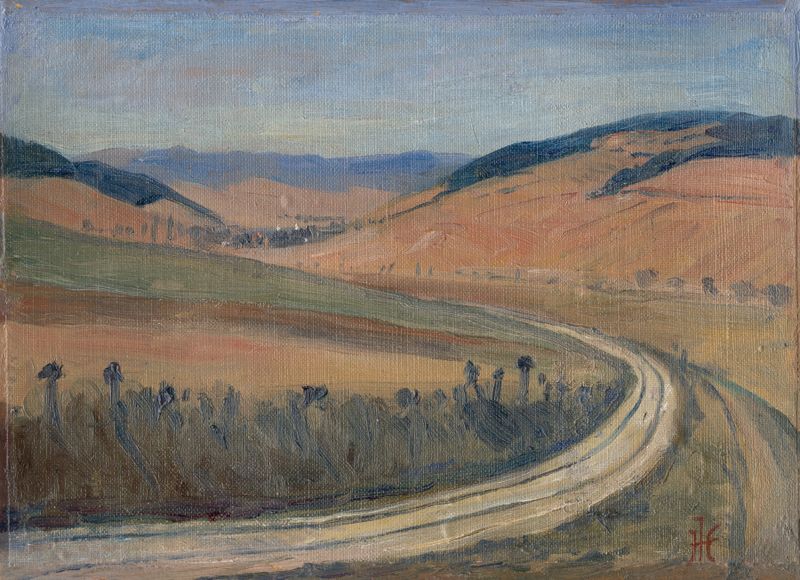
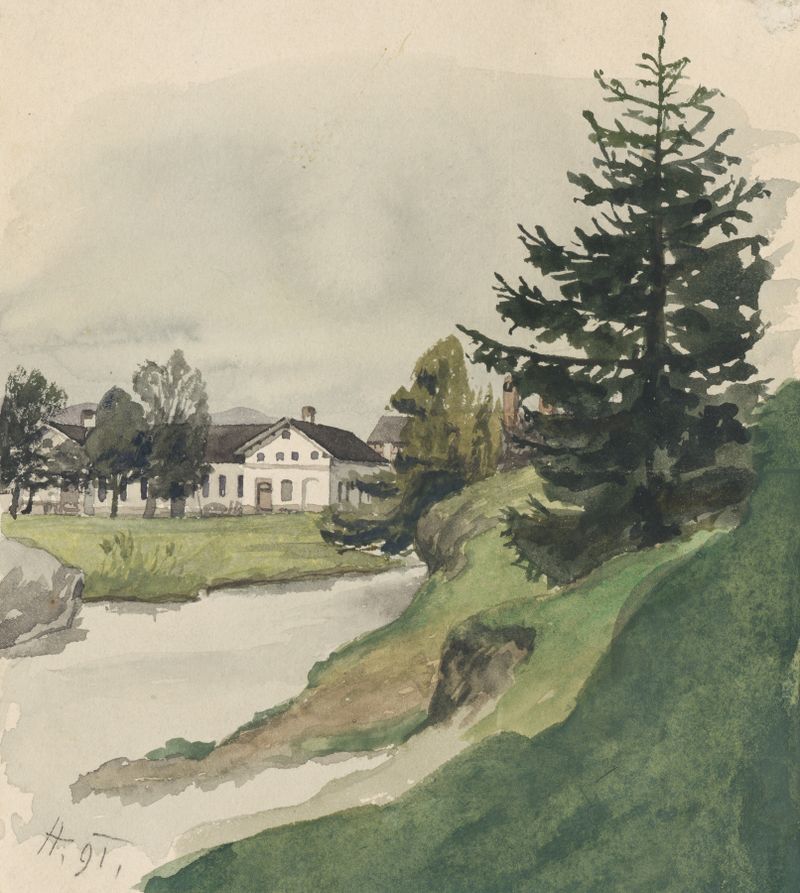
In the stillness of the painted landscape, an unspoken sadness lingers, a testament to what once was and what may never return. Look to the horizon, where muted greens and soft browns blend seamlessly, revealing a quiet scene that speaks volumes. Notice how the gentle strokes convey a dilapidated countryside, with distant fields brushed with melancholy. The clouds hang low, casting a grey hue that envelops the land, while the sparse details of dilapidated structures evoke a sense of abandonment.
The texture of the paint enhances the desolation, suggesting both fragility and endurance in the face of time’s passage. Delve into the contrasts between light and shadow that echo deeper emotional truths. The desolate buildings stand as ghosts of memory, hinting at a life once vibrant but now stripped bare. Each brushstroke reveals layers of loss: the absence of people, the silence that permeates the air, and the haunting beauty of nature reclaiming what was left behind.
The composition invites reflection on themes of nostalgia and the inevitability of change, where what remains is a poignant reminder of the transient nature of existence. In 1923, Jozef Hanula painted this work during a period filled with regional turmoil and personal introspection. Living in a time marked by political and social upheaval in Europe, he sought to capture the essence of his homeland while grappling with his own sense of place. This piece reflects not only the landscape of Spišská Nová Ves but also the artist's contemplation of loss amid a shifting world, ultimately resonating with anyone who has felt the weight of fading memories.