
Hôtel de Balzac. Entrée et façade sur la rue Fortunée, aujourd’hui rue Balzac — History & Facts
Could a single brushstroke hold eternity? In Hôtel de Balzac, the artist captures not just a building, but the solitude that clings to its very essence. This piece invites introspection, where the viewer is asked to consider the echoes of history and the weight of absence. Look to the left where the entrance of the hôtel stands framed by quiet, muted tones. The façade, a blend of soft ochre and fading grays, suggests a once-vibrant life now hushed.
Notice how the light gently caresses the stonework, casting subtle shadows that deepen the sense of stillness. The composition centers around the doorway, drawing you in while simultaneously holding you at bay, creating a tension between accessibility and the isolation that permeates the scene. As you explore further, observe the small details that highlight the passage of time—crumbling edges and the delicate cracks in the walls, each telling tales of countless visitors long forgotten. The stark contrast between the inviting door and the desolate surroundings signifies a yearning for connection amidst an overwhelming loneliness.
Dargaud has rendered not just a building, but a metaphor for the human condition, where beauty stands resilient yet increasingly fragile against the relentless march of time. In 1880, Dargaud painted this work during a period marked by the rise of Impressionism, while also grappling with his own artistic identity. Living in Paris, the city was a melting pot of ideas and innovations, yet amidst this vibrancy, the artist found solace in capturing the quietude of spaces. This duality—of bustling life outside the frame and the solitude within—reflects his exploration of emotional landscapes within architectural forms.
More Artworks by Paul-Joseph-Victor Dargaud
Browse all →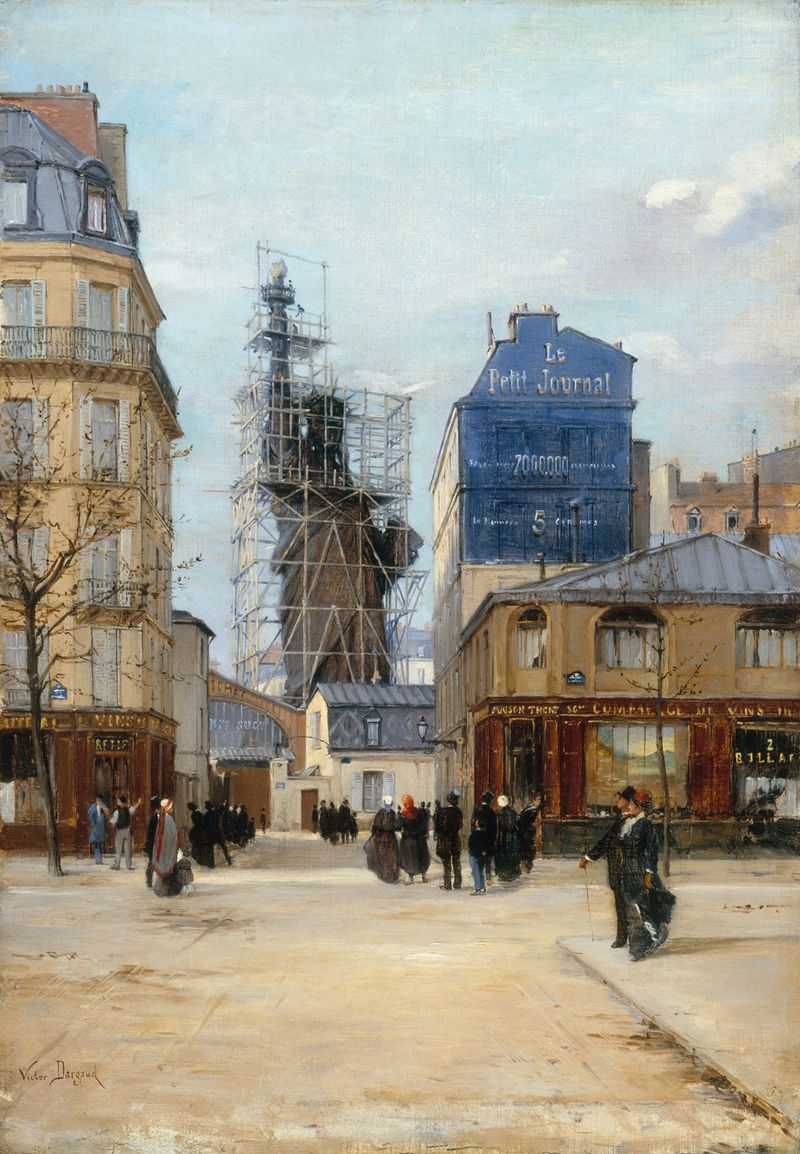
La statue de la Liberté de Bartholdi, dans l’atelier du fondeur Gaget, rue de Chazelles
Paul-Joseph-Victor Dargaud
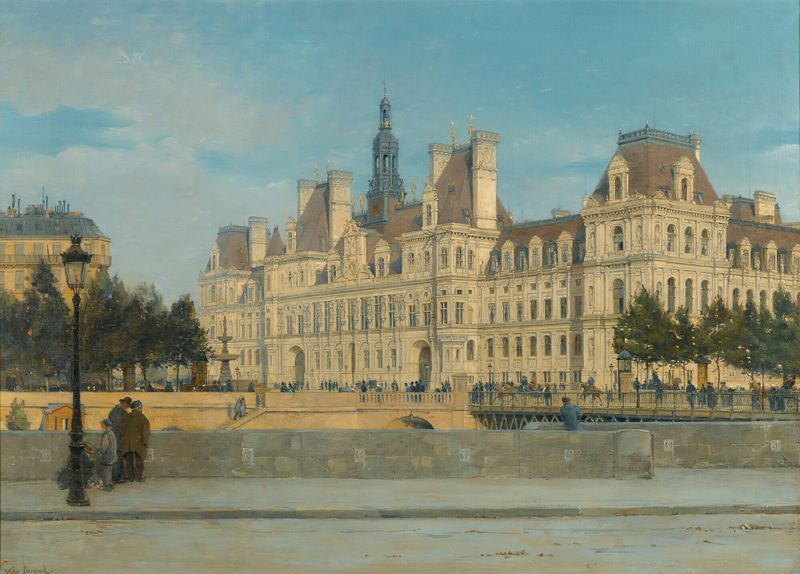
L’hôtel de Ville de Paris
Paul-Joseph-Victor Dargaud

L’hôtel du Prévôt, Passage Charlemagne
Paul-Joseph-Victor Dargaud
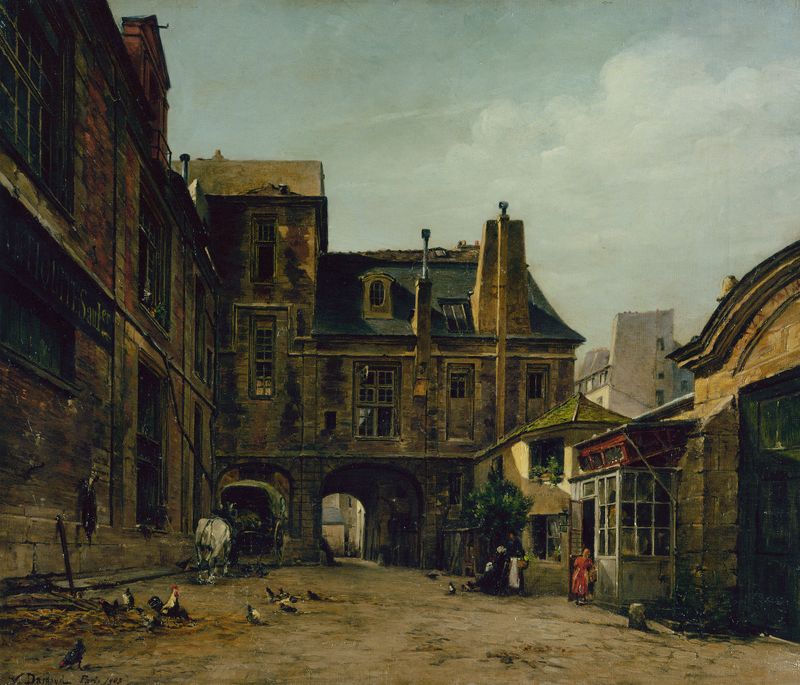
L’hôtel de La Vieuville
Paul-Joseph-Victor Dargaud
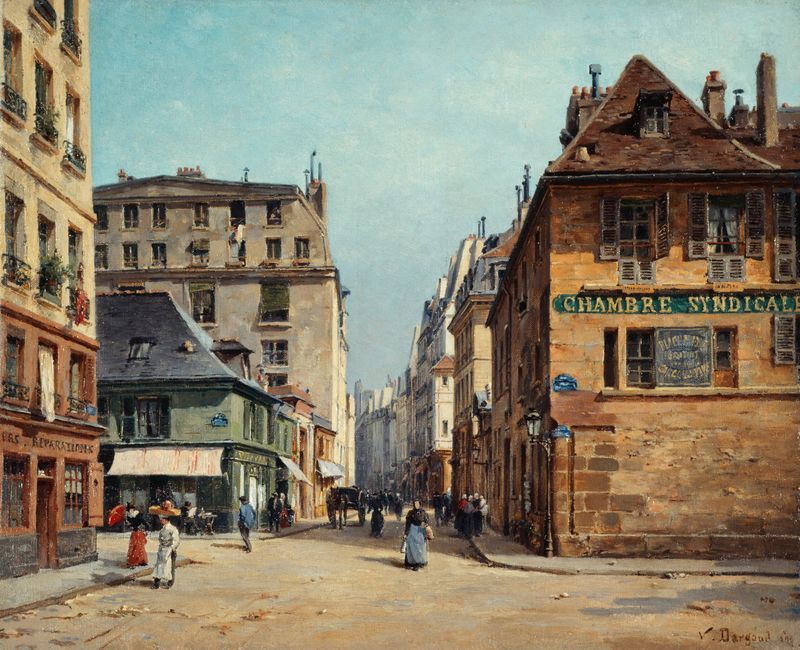
La Rue Saint-Paul
Paul-Joseph-Victor Dargaud
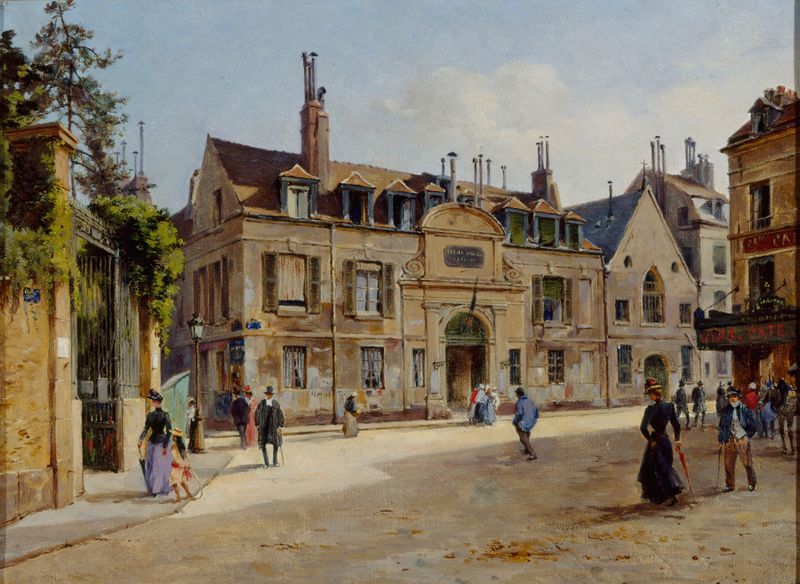
L’Ancien Hôpital de la Pitié, rue Lacépède
Paul-Joseph-Victor Dargaud
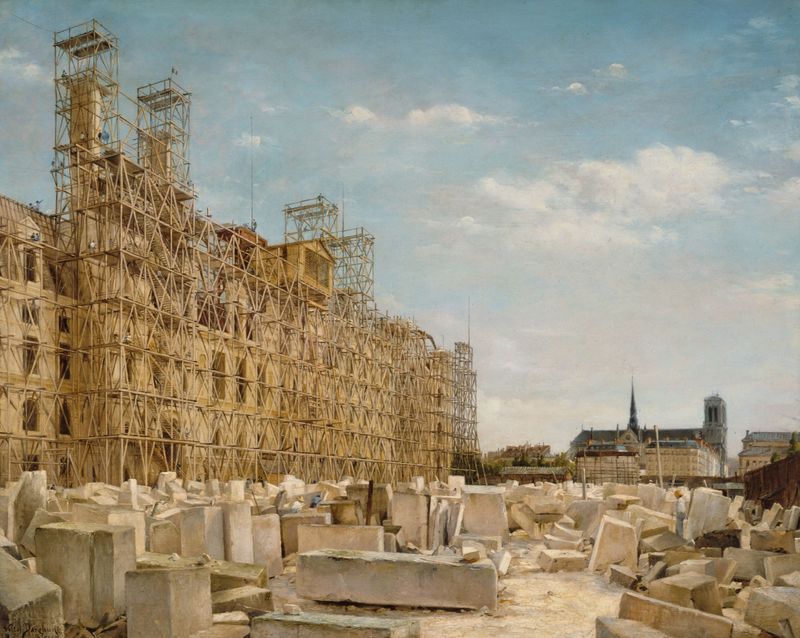
L’hôtel de Ville en Reconstruction
Paul-Joseph-Victor Dargaud

La Cour de Rohan
Paul-Joseph-Victor Dargaud
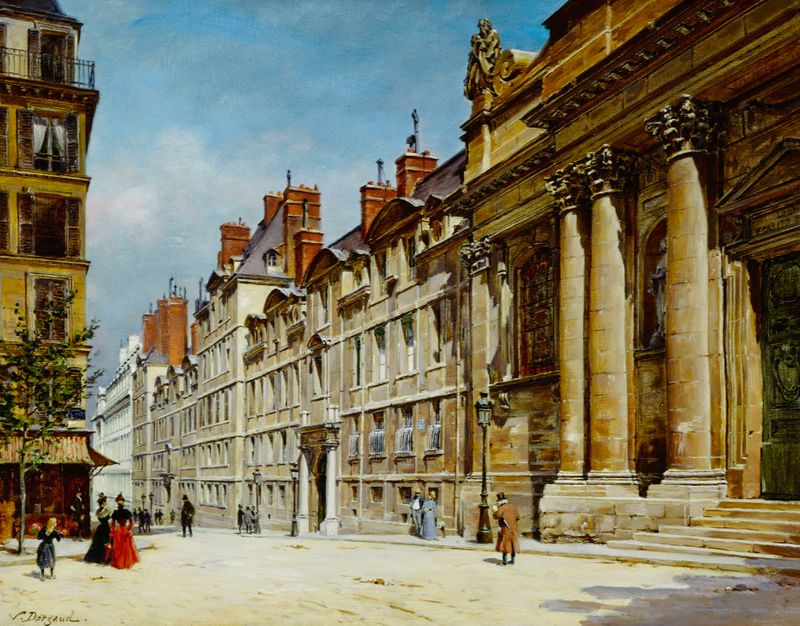
La Sorbonne
Paul-Joseph-Victor Dargaud
More Architecture Art
Browse all →
The statue of Liberty
Frédéric Auguste Bartholdi

View of Houses in Delft, Known as ‘The Little Street’
Johannes Vermeer

View of Houses in Delft, Known as ‘The Little Street’
Johannes Vermeer

The Cathedral in Rouen. The portal, Grey Weather
Claude Monet

The yellow house
Vincent van Gogh

The Church in Auvers-sur-Oise, View from the Chevet
Vincent van Gogh