
La Cour de Rohan — History & Facts
Could beauty survive in a century of chaos? In La Cour de Rohan, vibrancy and tranquility intertwine, inviting viewers to delve into a world where the past and present elegantly coexist. Look to the center of the canvas, where intricate arches rise gracefully, framing the soft play of light against the pale stone. The delicate brushwork captures the gentle caress of sunlight filtering through the leaves, casting dappled patterns on the ground. Notice the serene figures, lost in quiet conversation, their postures relaxed yet engaged, embodying a moment suspended in time.
The palette dances between soft pastels and deep earthy tones, lending warmth and depth to this intimate courtyard scene. Within this idyllic setting lies a tension between the allure of beauty and the undercurrents of time. The lush greenery symbolizes renewal and the promise of life, while the historic architecture echoes stories of resilience and change. The stillness of the moment contrasts starkly with the tumultuous shifts of the early 20th century, provoking contemplation of how desire for beauty endures even amidst chaos. Dargaud painted La Cour de Rohan in 1900, during a period of transformation in both his personal life and the broader art world.
Living in Paris, he was influenced by the Impressionist movement, which sought to capture fleeting moments of light and emotion. As Europe teetered on the brink of the modern era, this work reflects not only his artistic aspirations but also society's yearning for beauty and solace in a rapidly changing world.
More Artworks by Paul-Joseph-Victor Dargaud
Browse all →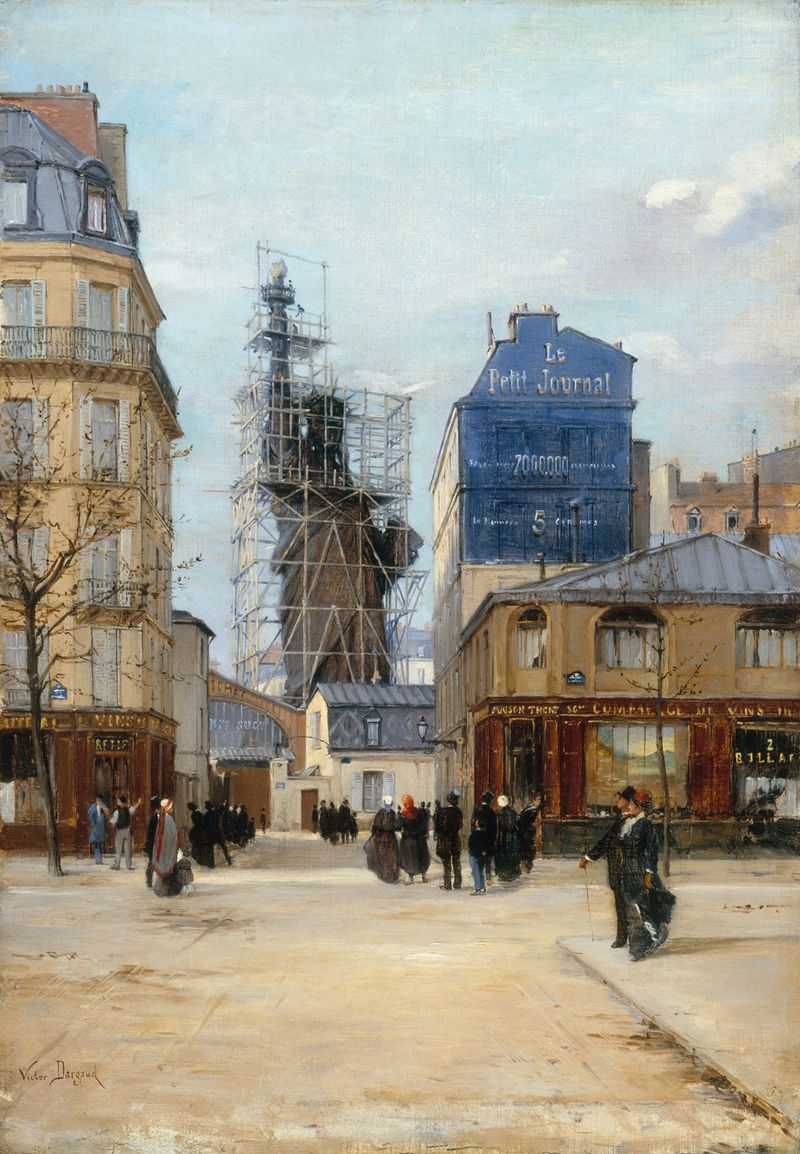
La statue de la Liberté de Bartholdi, dans l’atelier du fondeur Gaget, rue de Chazelles
Paul-Joseph-Victor Dargaud
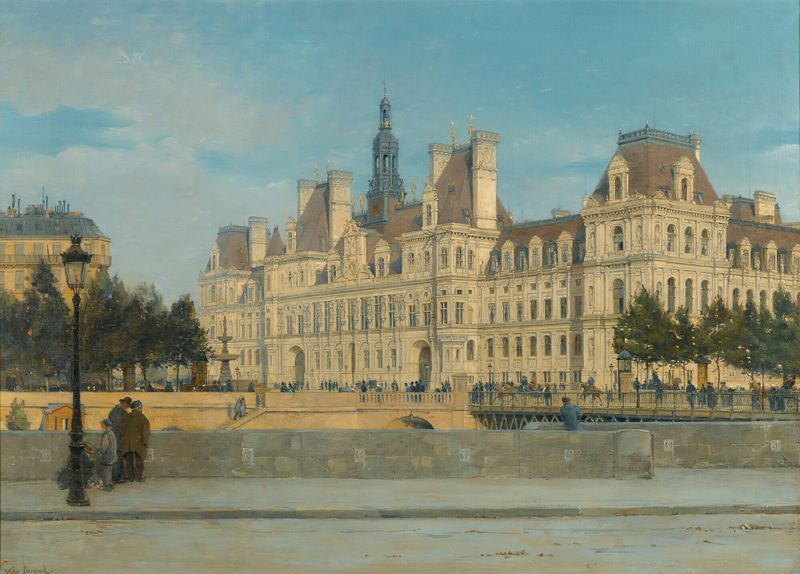
L’hôtel de Ville de Paris
Paul-Joseph-Victor Dargaud

L’hôtel du Prévôt, Passage Charlemagne
Paul-Joseph-Victor Dargaud

Hôtel de Balzac. Entrée et façade sur la rue Fortunée, aujourd’hui rue Balzac
Paul-Joseph-Victor Dargaud
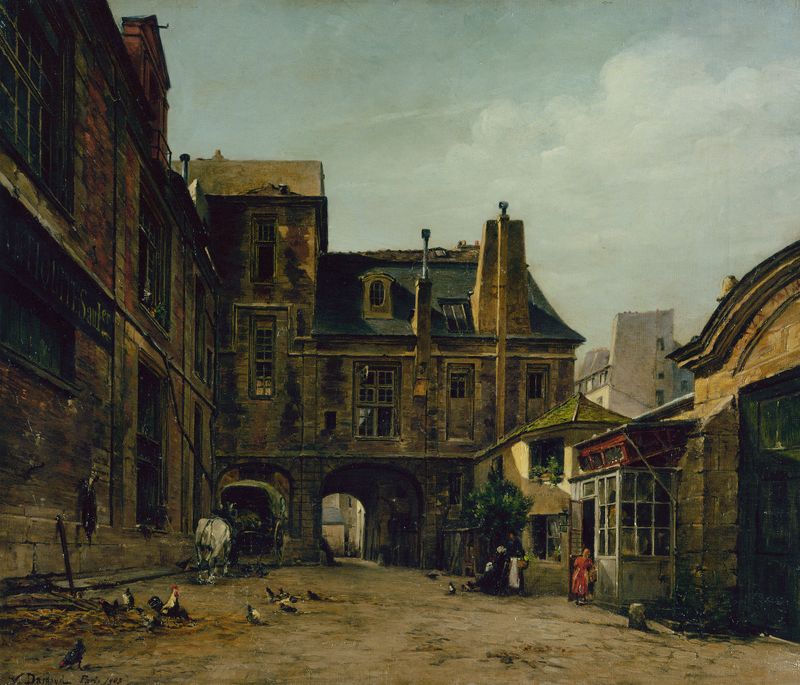
L’hôtel de La Vieuville
Paul-Joseph-Victor Dargaud
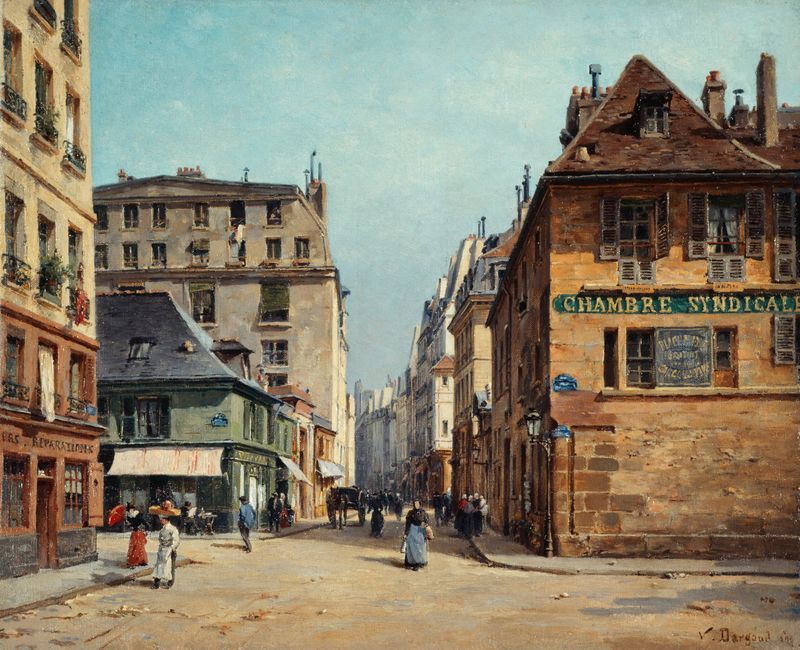
La Rue Saint-Paul
Paul-Joseph-Victor Dargaud
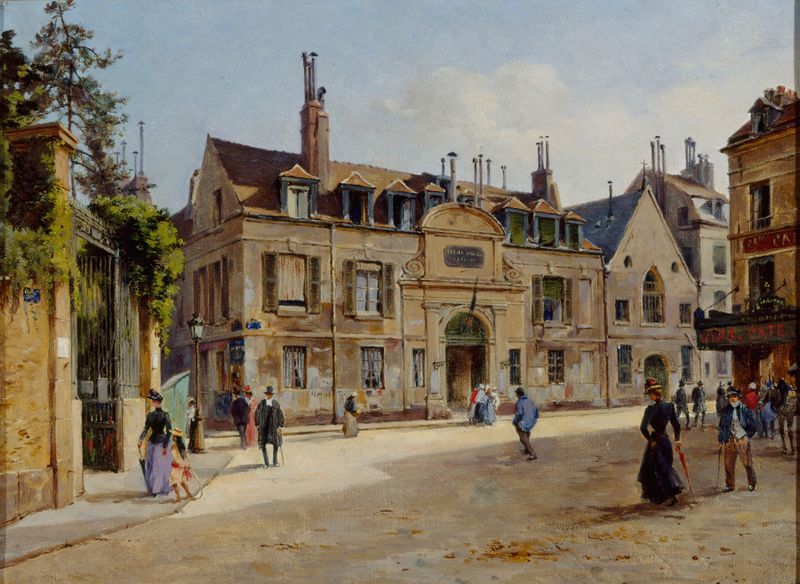
L’Ancien Hôpital de la Pitié, rue Lacépède
Paul-Joseph-Victor Dargaud
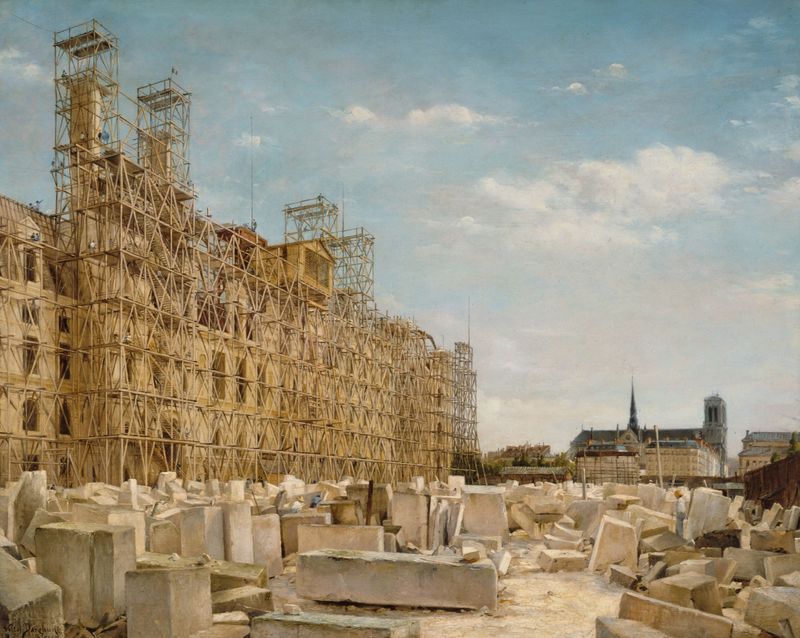
L’hôtel de Ville en Reconstruction
Paul-Joseph-Victor Dargaud
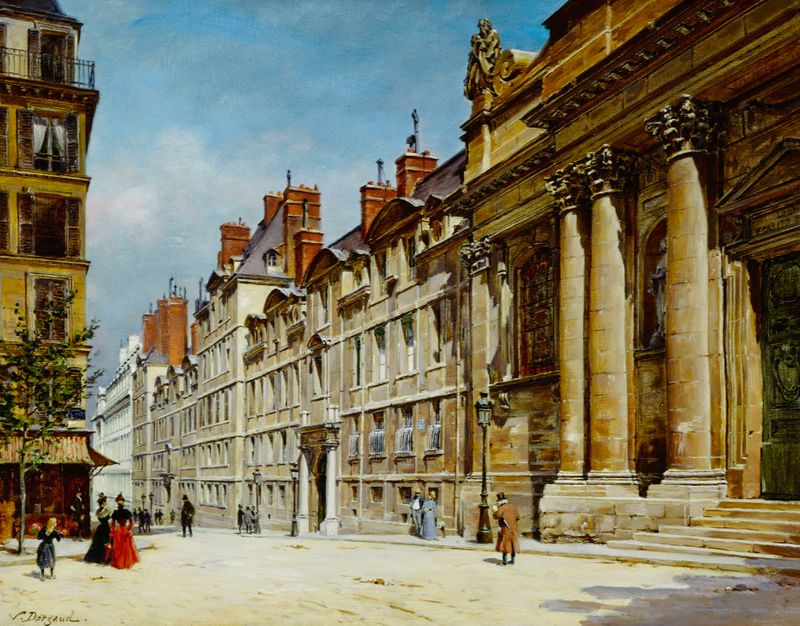
La Sorbonne
Paul-Joseph-Victor Dargaud
More Architecture Art
Browse all →
The statue of Liberty
Frédéric Auguste Bartholdi

View of Houses in Delft, Known as ‘The Little Street’
Johannes Vermeer

View of Houses in Delft, Known as ‘The Little Street’
Johannes Vermeer

The Cathedral in Rouen. The portal, Grey Weather
Claude Monet

The yellow house
Vincent van Gogh

The Church in Auvers-sur-Oise, View from the Chevet
Vincent van Gogh