
L’hôtel de Ville en Reconstruction — History & Facts
The remnants of grandeur whisper of glory days now passed. In L’hôtel de Ville en Reconstruction, the delicate interplay of decay and renewal captures a fleeting moment in time, echoing the fragility of human endeavors. Look to the left at the skeletal framework of the iconic city hall, its once resplendent facade now stripped of its embellishments. The muted colors of ochre and gray dominate, juxtaposing the fleeting brightness of the sky—an azure canvas that suggests hope, yet hints at inevitable loss.
Notice how the light delineates the contours of the architecture, casting shadows that breathe life into the ruins, as if the building itself is sighing under the weight of its own history. Beneath the surface, this artwork embodies a profound tension between destruction and rebirth. The scattered rubble speaks to the impermanence of human achievements, while the workers laboring on-site symbolize resilience and the relentless spirit of reconstruction. Each brushstroke captures not just the physicality of decay but also the emotional weight of nostalgia—inviting viewers to ponder the stories hidden within crumbling walls and forgotten ambitions. Painted in 1880, the artist created this piece amidst a period of significant transformation in Paris.
Following the upheaval of the Franco-Prussian War and the subsequent Commune, the city was undergoing extensive reconstruction, both architecturally and socially. Dargaud, influenced by this changing landscape, reflected the dynamic interplay of destruction and renewal, illuminating the complex relationship between past and present in the heart of a city reborn.
More Artworks by Paul-Joseph-Victor Dargaud
Browse all →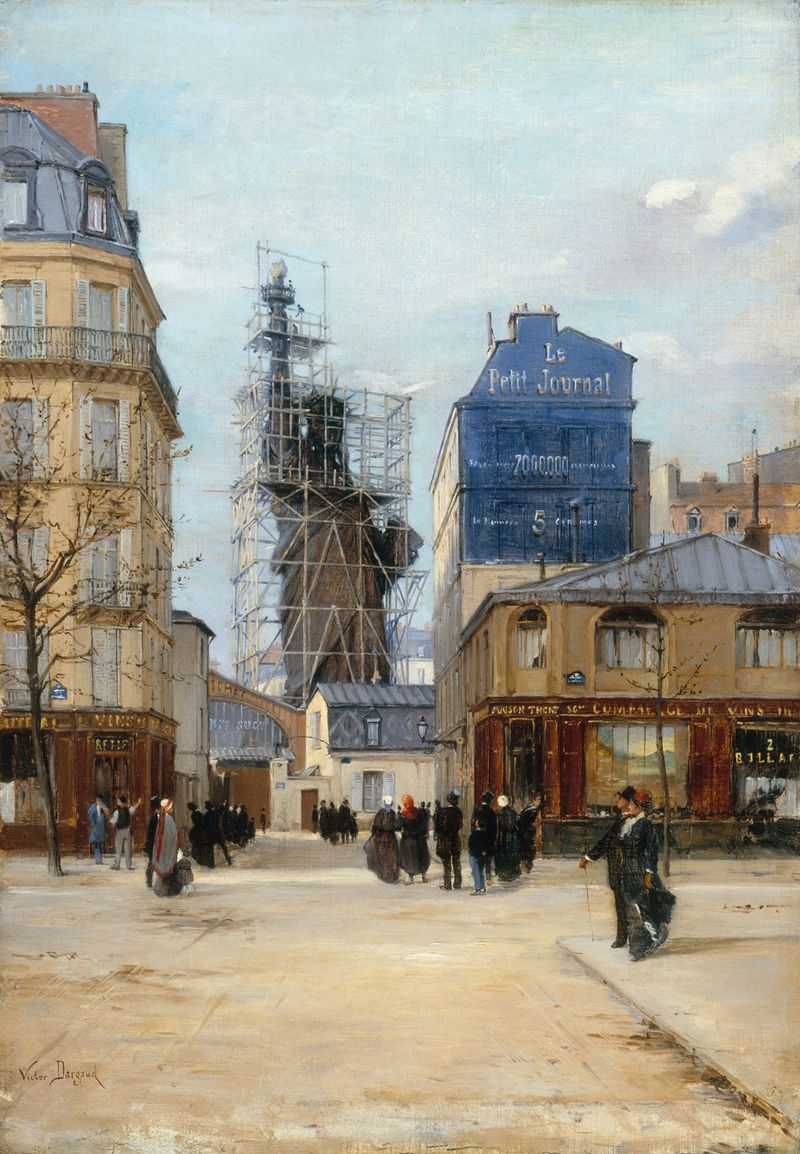
La statue de la Liberté de Bartholdi, dans l’atelier du fondeur Gaget, rue de Chazelles
Paul-Joseph-Victor Dargaud
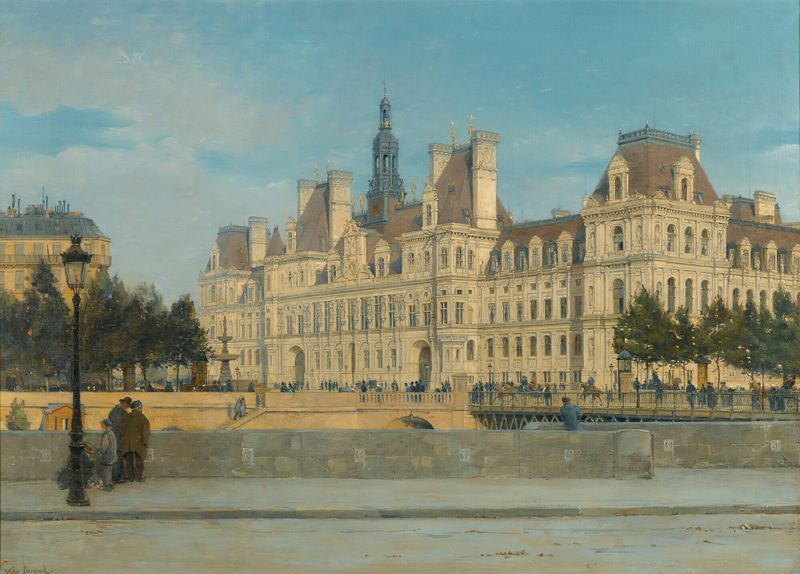
L’hôtel de Ville de Paris
Paul-Joseph-Victor Dargaud

L’hôtel du Prévôt, Passage Charlemagne
Paul-Joseph-Victor Dargaud

Hôtel de Balzac. Entrée et façade sur la rue Fortunée, aujourd’hui rue Balzac
Paul-Joseph-Victor Dargaud
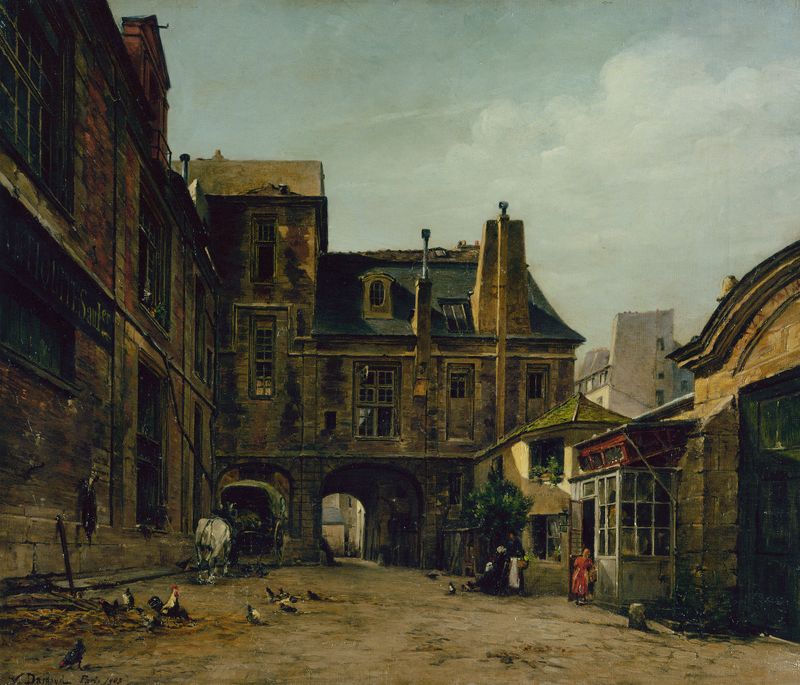
L’hôtel de La Vieuville
Paul-Joseph-Victor Dargaud
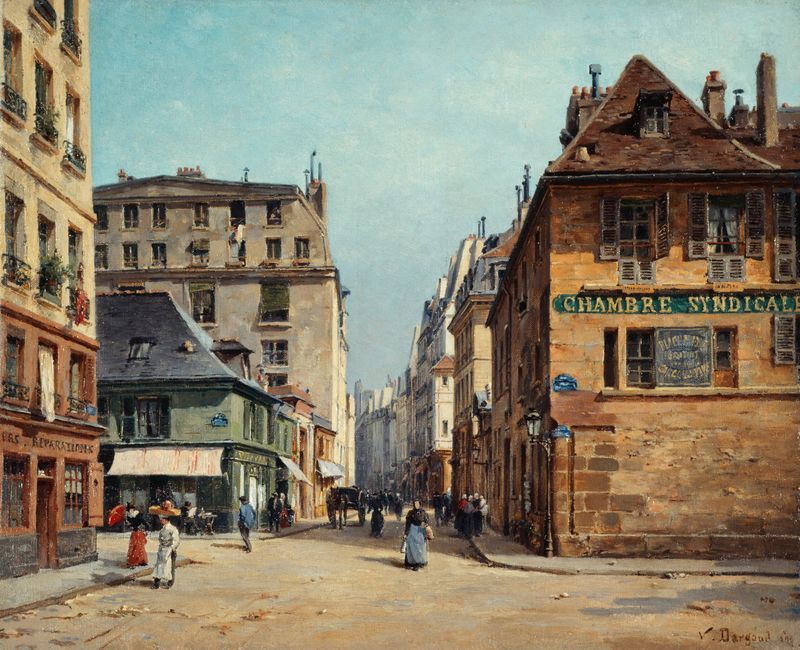
La Rue Saint-Paul
Paul-Joseph-Victor Dargaud
L’Ancien Hôpital de la Pitié, rue Lacépède
Paul-Joseph-Victor Dargaud

La Cour de Rohan
Paul-Joseph-Victor Dargaud
La Sorbonne
Paul-Joseph-Victor Dargaud
More Architecture Art
Browse all →
The statue of Liberty
Frédéric Auguste Bartholdi

View of Houses in Delft, Known as ‘The Little Street’
Johannes Vermeer

View of Houses in Delft, Known as ‘The Little Street’
Johannes Vermeer

The Cathedral in Rouen. The portal, Grey Weather
Claude Monet

The yellow house
Vincent van Gogh

The Church in Auvers-sur-Oise, View from the Chevet
Vincent van Gogh