
La statue de la Liberté de Bartholdi, dans l’atelier du fondeur Gaget, rue de Chazelles — History & Facts
What secret hides in the quiet of the canvas? A dream, suspended in time, unfolds within the confines of an artist's workshop, revealing layers of aspiration and creation. Look to the left, where the silhouette of the iconic statue looms large amidst a flurry of tools and scattered sketches. The light filters in softly, casting a gentle glow over the scene, illuminating the contours of her form, still unfinished yet full of promise. Notice the contrasting hues of warm browns and cool greys, cleverly employed to evoke a sense of depth and dimension — a testament to both the artist's skill and the raw materials that give birth to monumental dreams. Upon closer inspection, small details emerge that speak to the emotional weight of the moment.
The scattered papers, filled with calculations and plans, symbolize the meticulous effort behind grand visions. The remnants of clay and wax on the floor hint at the labor that has molded not just the statue, but the very ideals it represents. Together, these elements create a narrative of struggle and hope, juxtaposing the quiet chaos of creation with the soaring ambition embodied by Liberty. In 1884, Dargaud painted this scene in Paris, where the anticipation of the statue's completion mirrored the buzzing cultural environment.
The city was a hub of artistic innovation, underscored by a sense of national pride as France prepared to gift the statue to the United States. At this time, Dargaud was deeply immersed in the world of sculpture, exploring themes of identity and enlightenment through his art.
More Artworks by Paul-Joseph-Victor Dargaud
Browse all →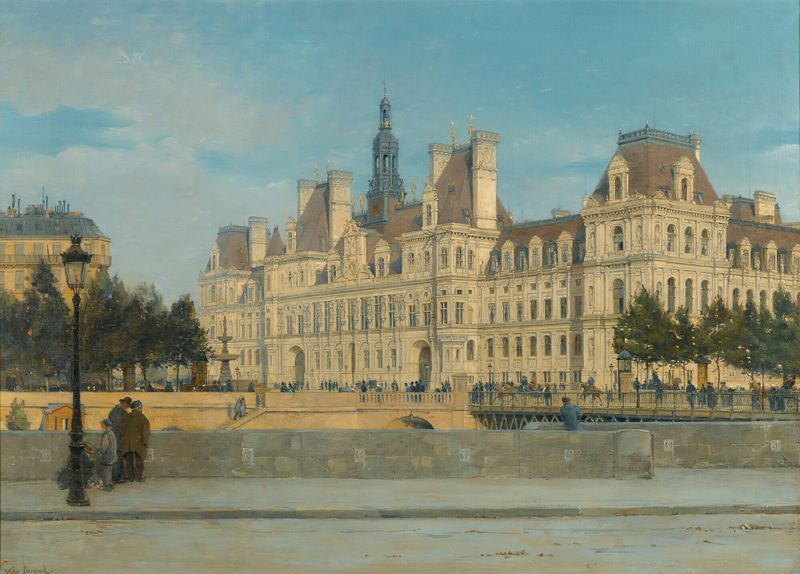
L’hôtel de Ville de Paris
Paul-Joseph-Victor Dargaud

L’hôtel du Prévôt, Passage Charlemagne
Paul-Joseph-Victor Dargaud

Hôtel de Balzac. Entrée et façade sur la rue Fortunée, aujourd’hui rue Balzac
Paul-Joseph-Victor Dargaud
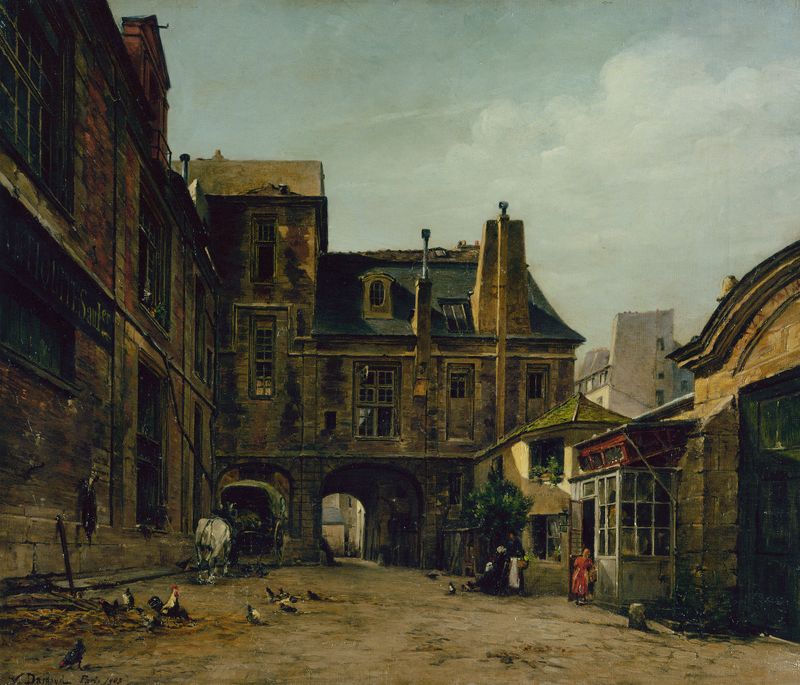
L’hôtel de La Vieuville
Paul-Joseph-Victor Dargaud
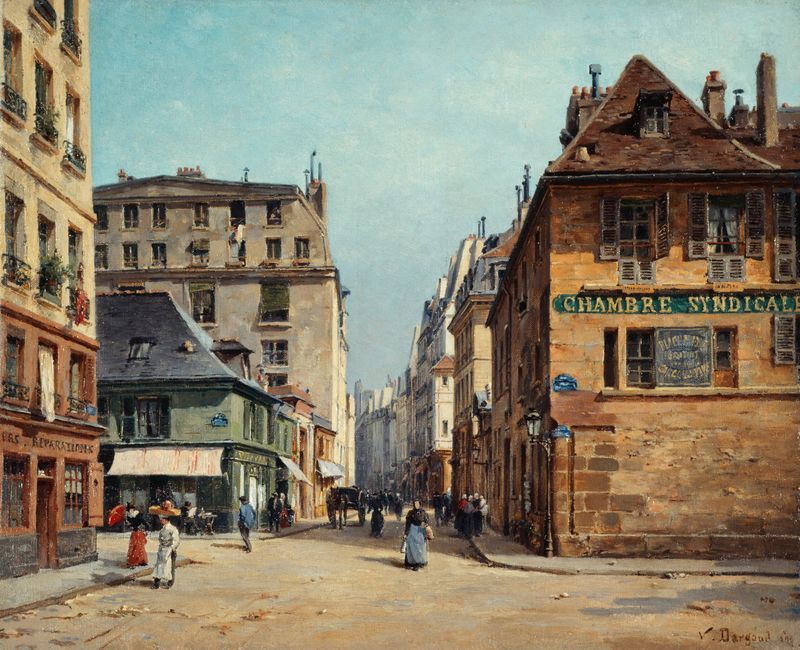
La Rue Saint-Paul
Paul-Joseph-Victor Dargaud
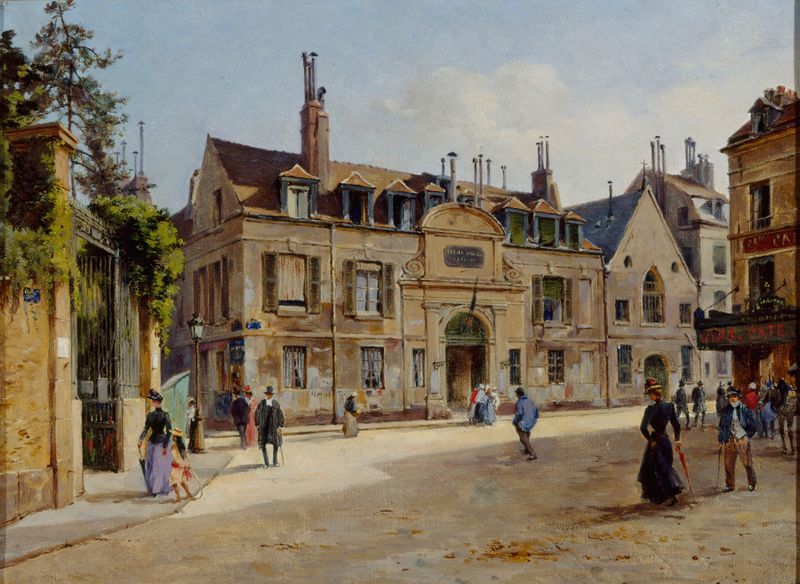
L’Ancien Hôpital de la Pitié, rue Lacépède
Paul-Joseph-Victor Dargaud
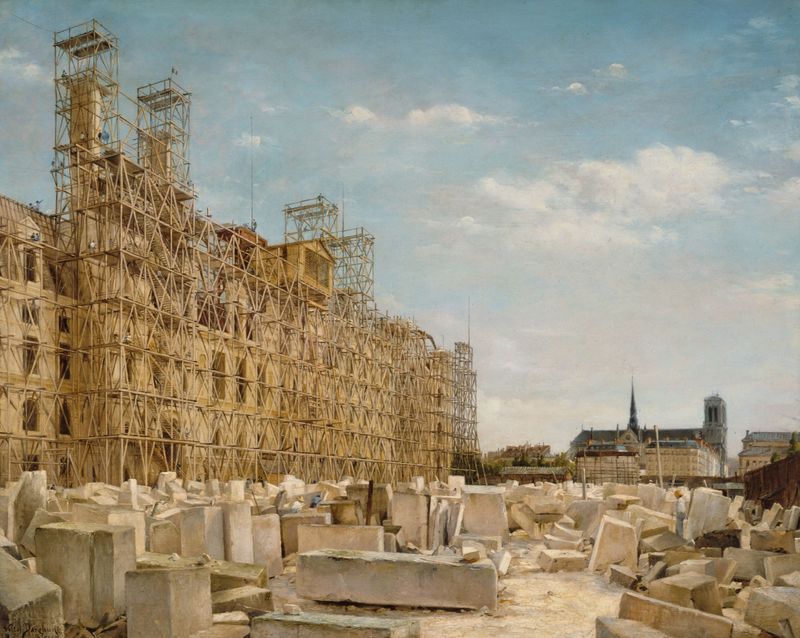
L’hôtel de Ville en Reconstruction
Paul-Joseph-Victor Dargaud

La Cour de Rohan
Paul-Joseph-Victor Dargaud
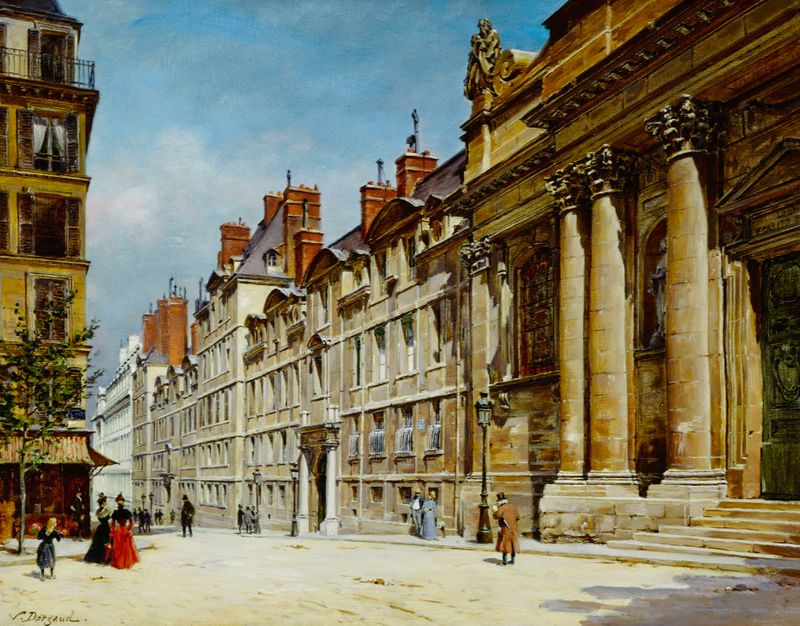
La Sorbonne
Paul-Joseph-Victor Dargaud
More Historical Art
Browse all →
The Night Watch Militia Company of District II under the Command of Captain Frans Banninck Cocq
Rembrandt van Rijn

Lincoln Memorial
Henry Bacon

The Third of May 1808
Francisco de Goya

Isaac and Rebecca, Known as ‘The Jewish Bride’
Rembrandt van Rijn

The Charge of the Mamelukes (1814)
Francisco de Goya

De vier ruiters van de apocalyps
Albrecht Dürer