
Hulk aground on beach — History & Facts
In the hush of a desolate beach, beauty whispers where the wreckage lies. It is a moment suspended in time, inviting viewers to reflect on the remnants of what once thrived and the haunting elegance of decay. Look to the center of the canvas, where the hulking form of the beached vessel commands attention. Its muted colors—grays and browns—speak of weathered steel and forgotten journeys.
Surrounding it, the soft hues of sand and the gentle lapping of waves create a stark contrast, accentuating the ship’s vulnerability. Notice how light filters through the clouds, casting an ethereal glow on the wreck, suggesting both despair and the possibility of rebirth. Delve deeper, and you’ll find the stark emotional tension between beauty and ruin. The ship, once a marvel of engineering, now lies still, a poignant reminder of nature’s indomitable strength.
This juxtaposition reflects the fragile relationship between humanity and the environment, evoking thoughts of loss and nostalgia. Each element, from the textured surface of the sand to the distant horizon, plays a part in this silent narrative of abandonment and reflection. Edward Duncan painted this work during a period when maritime themes were prevalent yet evolving. Active in the mid-19th century, he was influenced by the Romantic movement’s fascination with nature and the sublime.
At this time, artists were beginning to explore not just the grandeur of the sea but also the human stories tied to it, capturing the essence of beauty within desolation.
More Artworks by Edward Duncan
Browse all →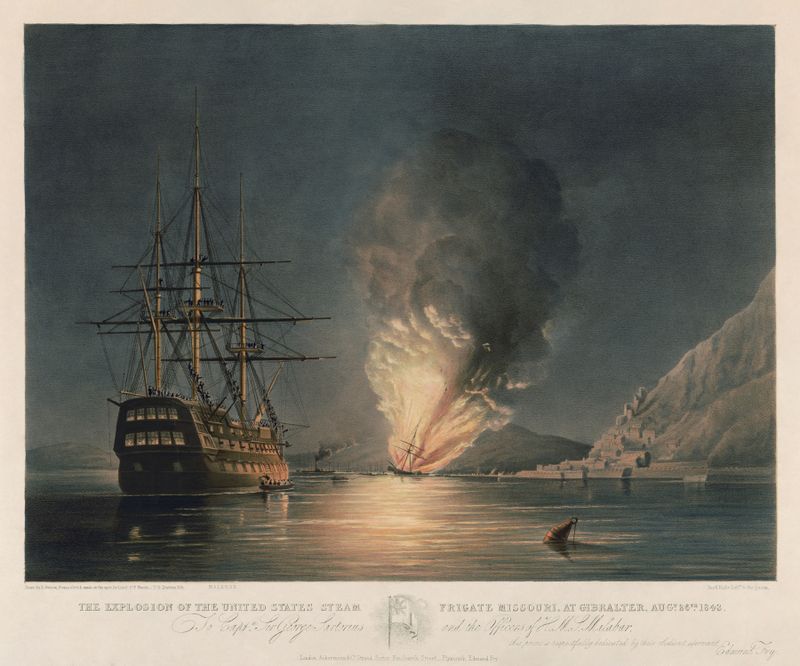
The Explosion of the United States Steam Frigate Missouri
Edward Duncan
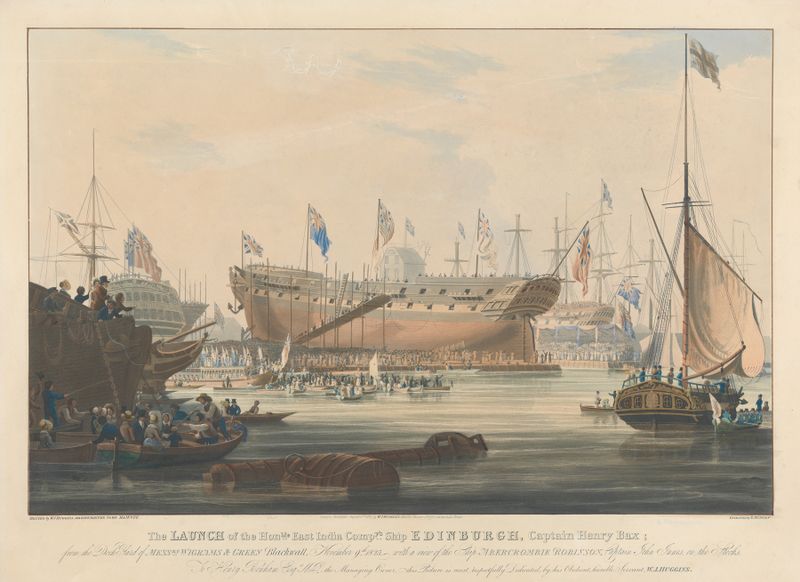
Launch of the ‘Edinburgh’, Blackwall, Nov. 9, 1825
Edward Duncan
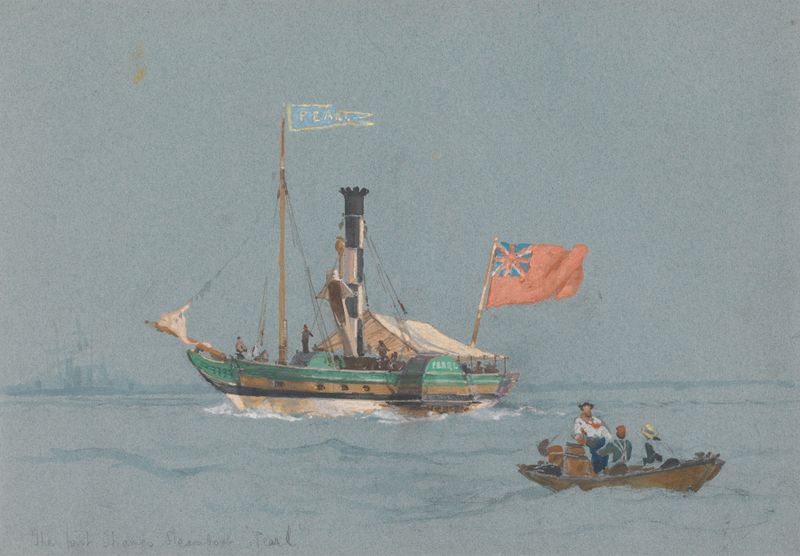
The First Thames Steamboat: Pearl
Edward Duncan
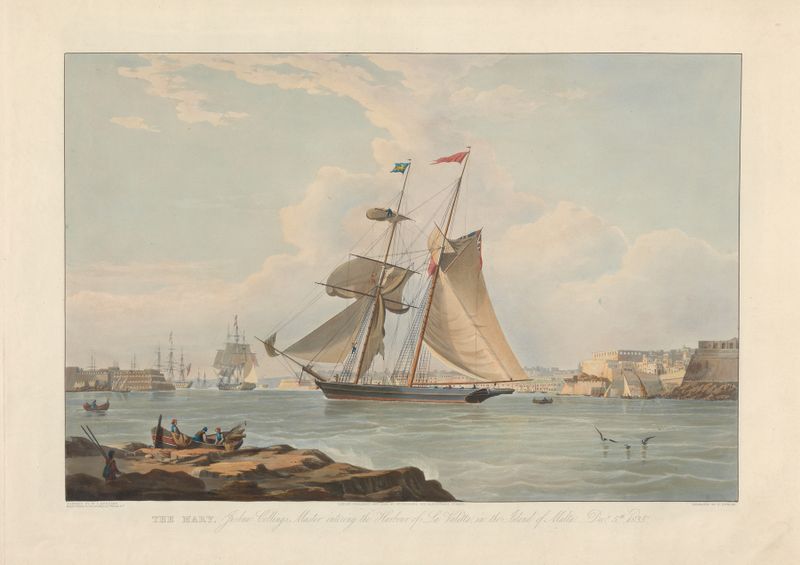
The Mary, Joshua Collings, Master, Entering the Harbour of La Valletta, in the Island of Malta, Dec. 5, 1835
Edward Duncan
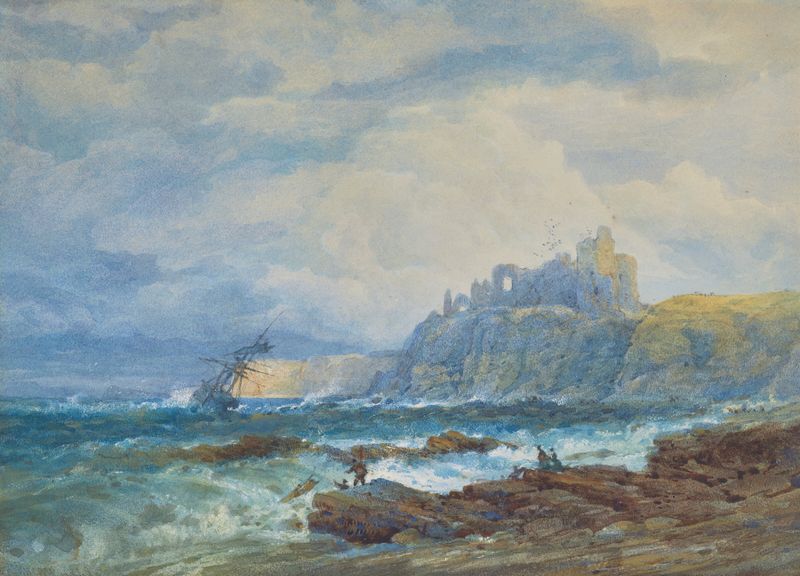
A ship in distress off Tantallon Castle, Scotland
Edward Duncan
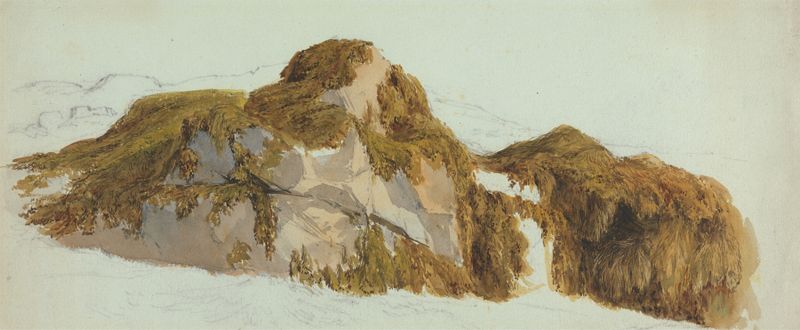
Study of Rocks Covered with Seaweed
Edward Duncan
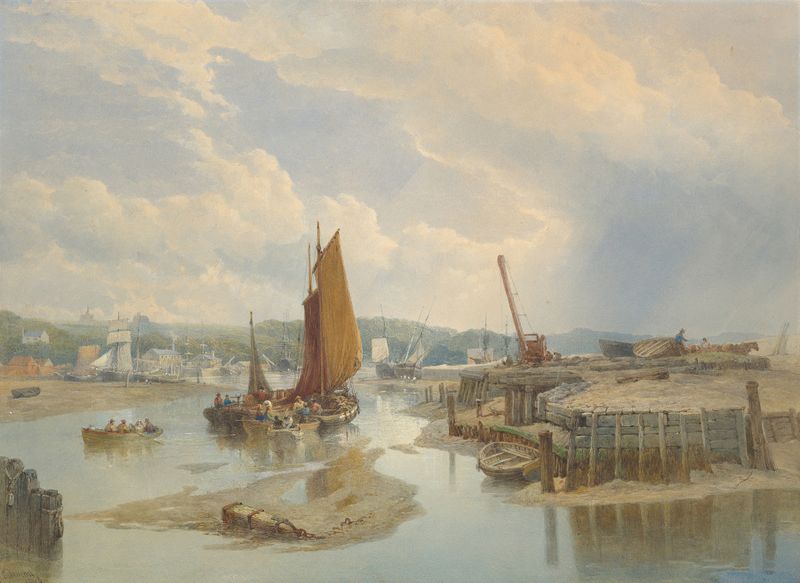
A Town on an Estuary at Low Tide
Edward Duncan
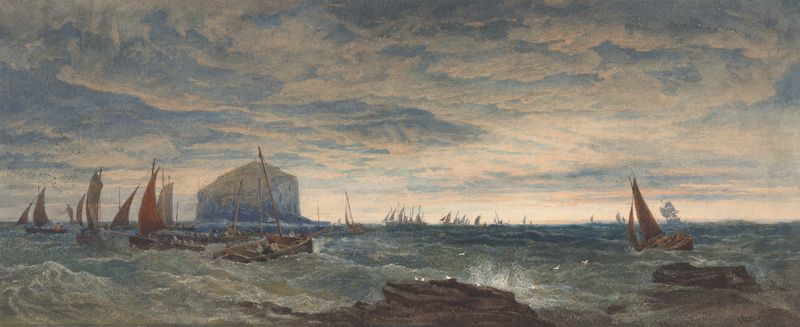
The Bass Rock at Dawn
Edward Duncan
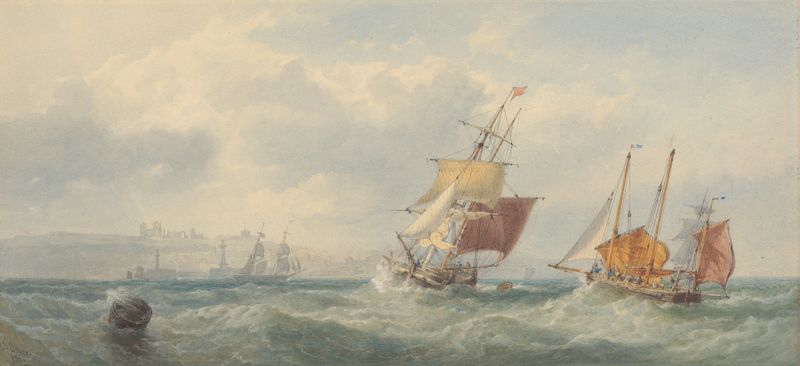
Off Whitby
Edward Duncan
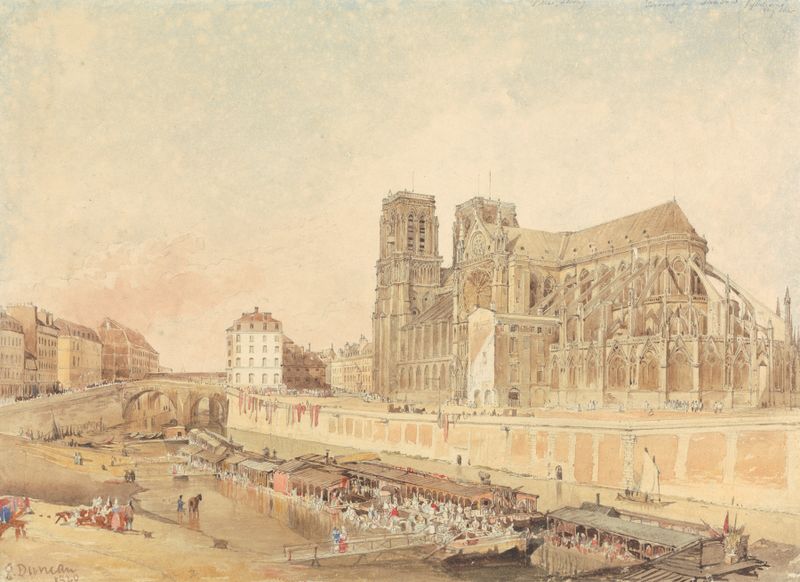
Notre Dame, Paris, from the Left Bank
Edward Duncan





