
Hutten — History & Facts
Can beauty exist without sorrow? A question that lingers in the air like the scent of forgotten memories, hinting at the intricate dance between joy and loss. Look towards the central figure cloaked in shadows, where the colors blend into an ethereal haze that speaks of both isolation and introspection. The muted palette of browns and greens draws you into the scene, creating a haunting atmosphere as if the air itself is heavy with unshed tears. Notice how the interplay of light and shadow accentuates the contours of the figure, revealing a face both solemn and contemplative, urging the viewer to ponder the layers of emotion encapsulated within. Beyond the surface, the composition carries rich symbolism.
The tangle of branches encircling the figure represents the weight of sorrow, while the subtle hints of fading light suggest a fleeting beauty that is forever intertwined with pain. Each brushstroke seems to echo the fragility of existence, illustrating the inevitable passage of time and the echoes of loss that resonate through the soul. The absence of vibrant hues further emphasizes the longing for connection and the ache of reminiscence. In 1888, James Ensor painted this work during a period of personal reflection and turbulence, grappling with the complexities of life and art.
Living in Belgium, he was immersed in the Symbolist movement, which sought to explore deeper emotional truths. This painting reflects not only his artistic evolution but also the broader existential questions of his time, making a poignant statement about the human condition that resonates even today.
More Artworks by James Ensor
Browse all →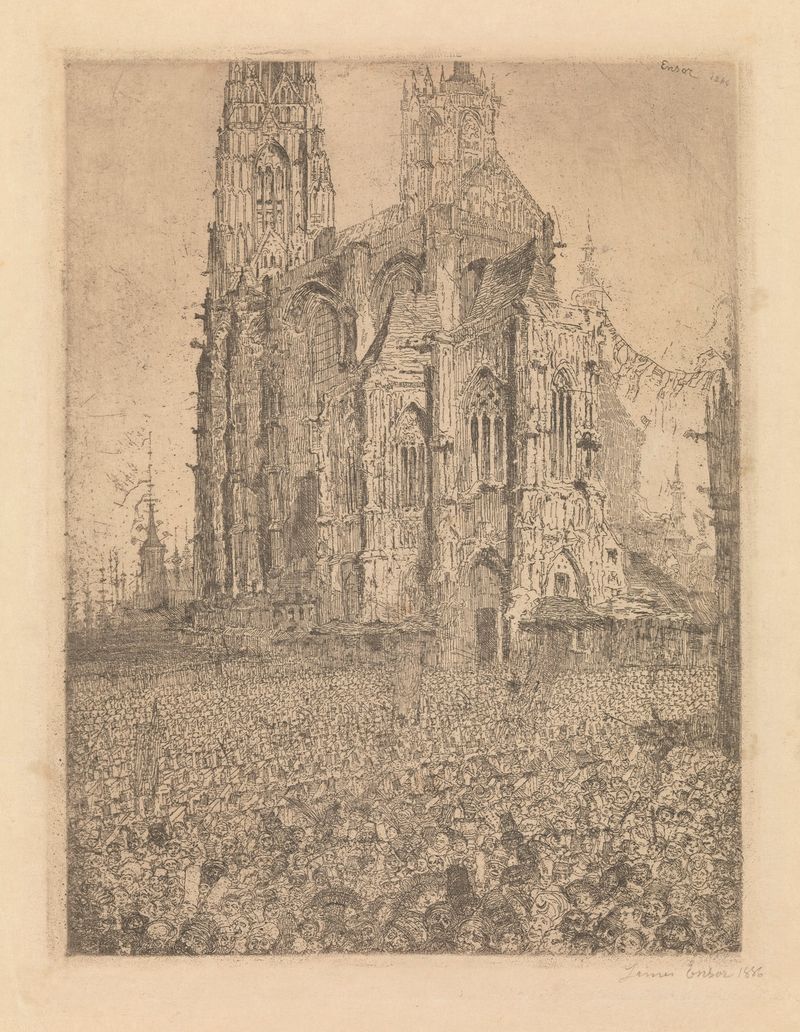
The Cathedral
James Ensor
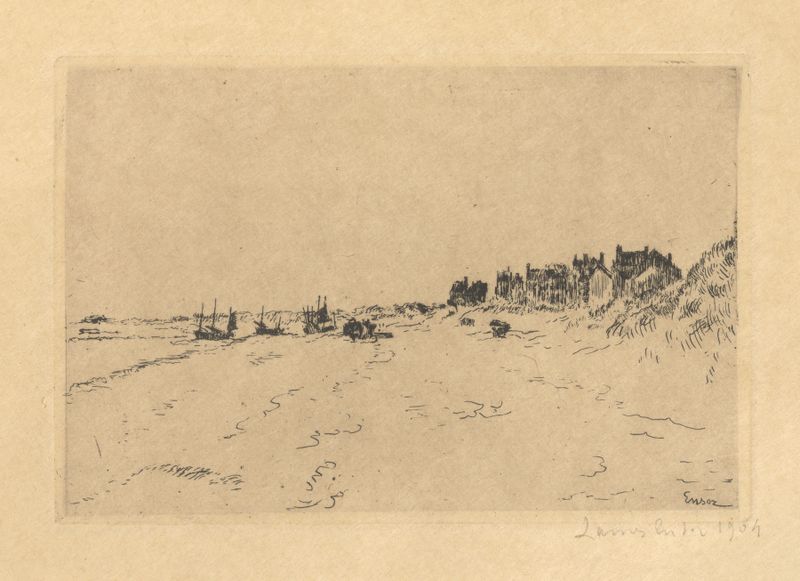
Het strand van De Panne
James Ensor
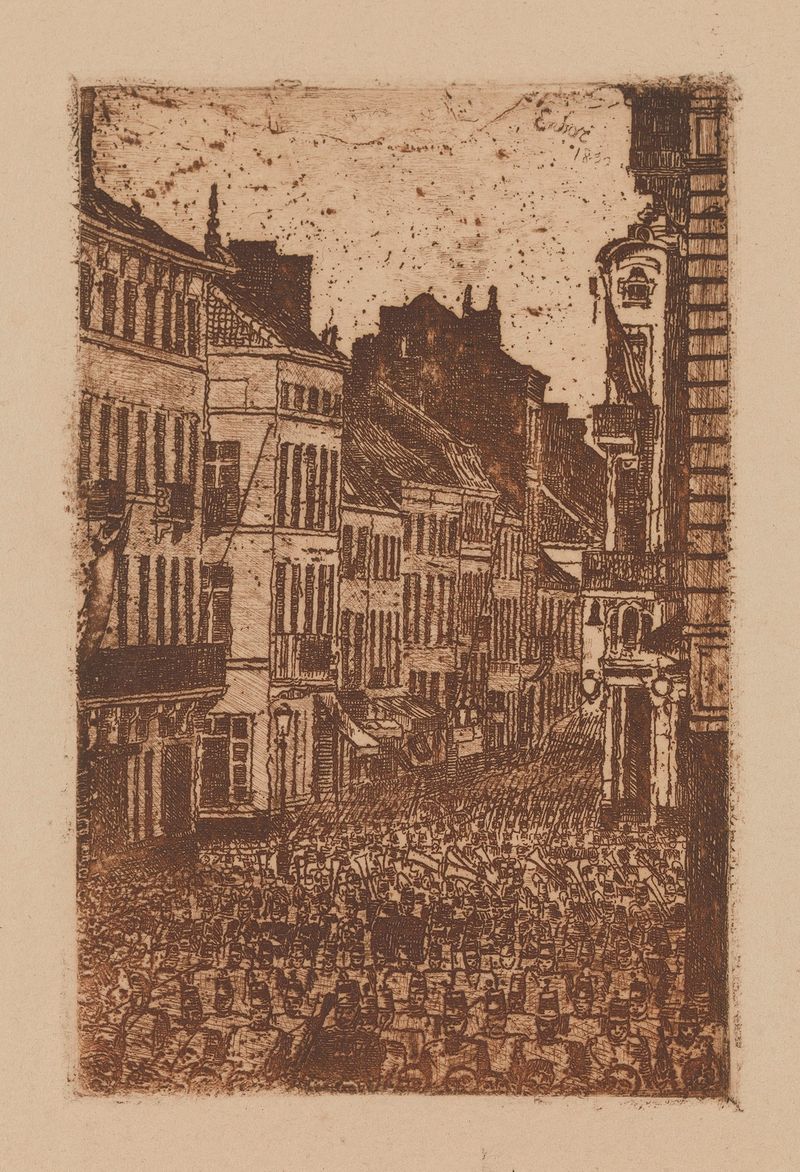
The Music in the rue de Flandre, Ostend
James Ensor
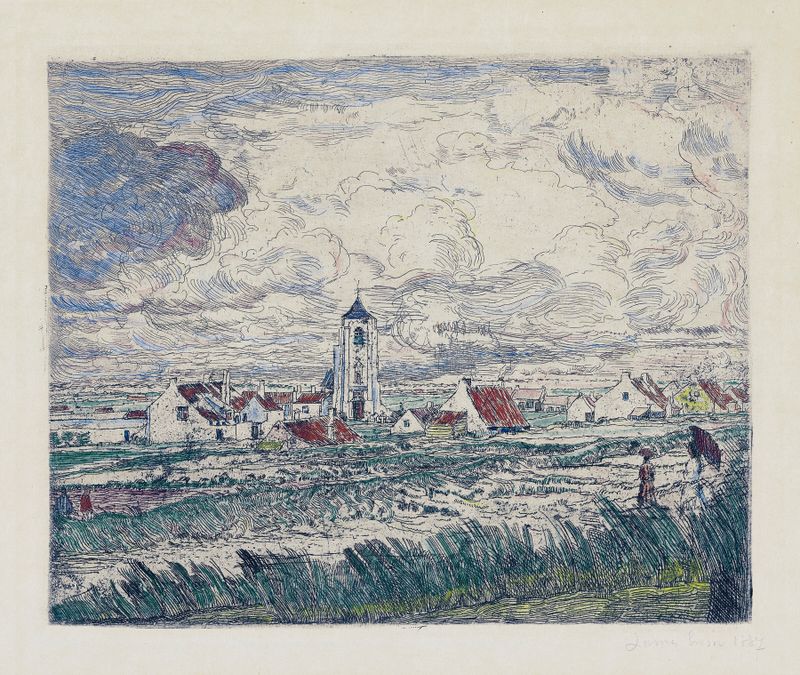
Grande vue de Mariakerke
James Ensor
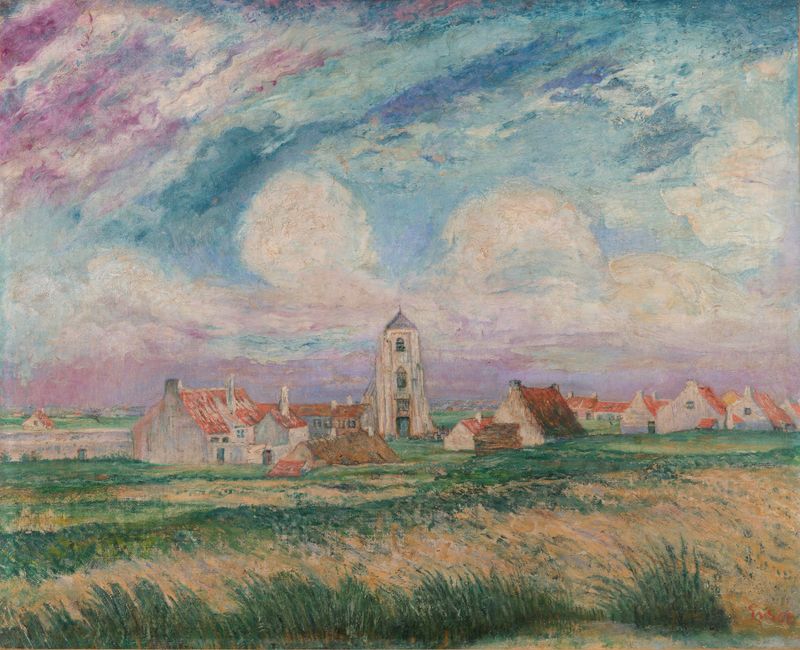
View of Mariakerke
James Ensor
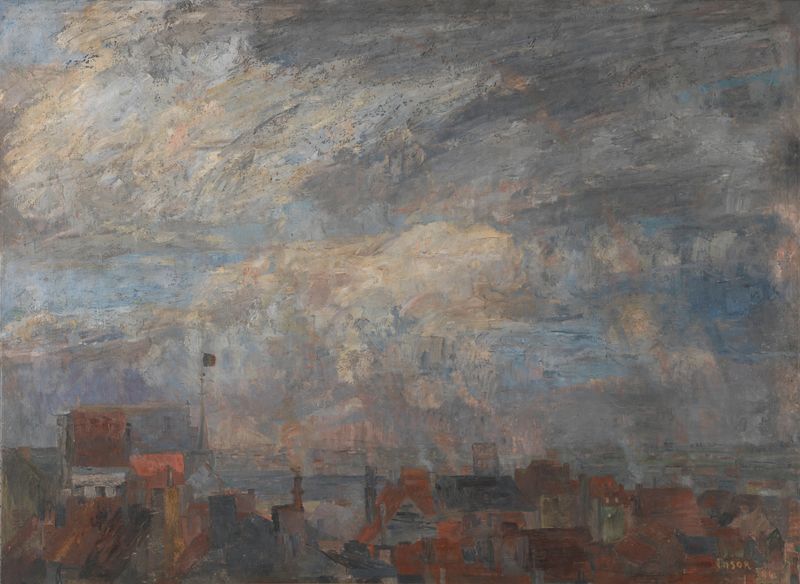
The Rooftops of Ostend
James Ensor
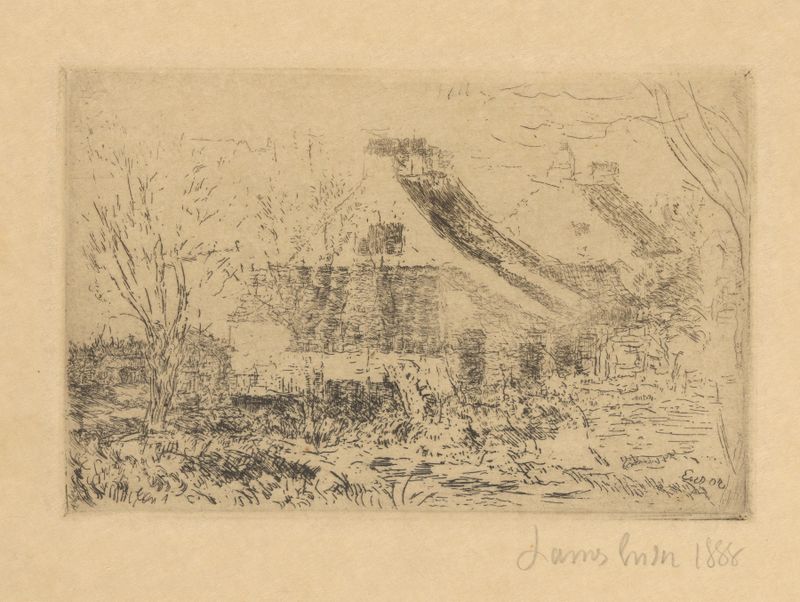
Huisjes in Mariakerke
James Ensor
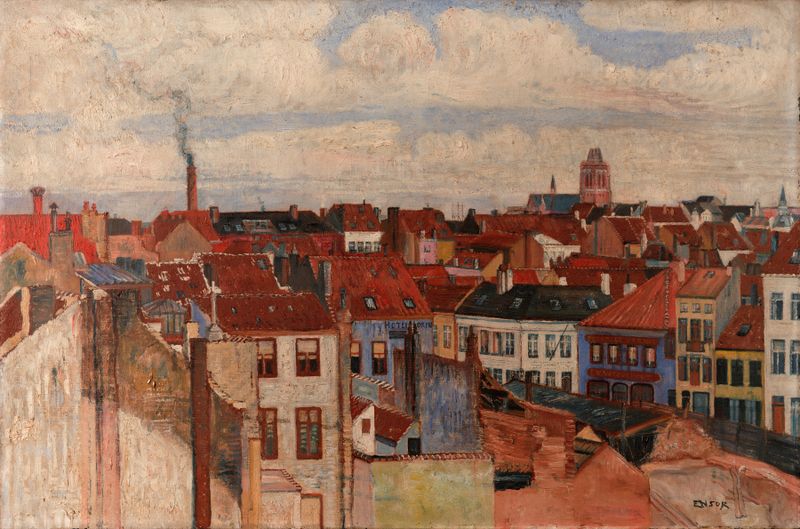
The rooftops of Ostend
James Ensor
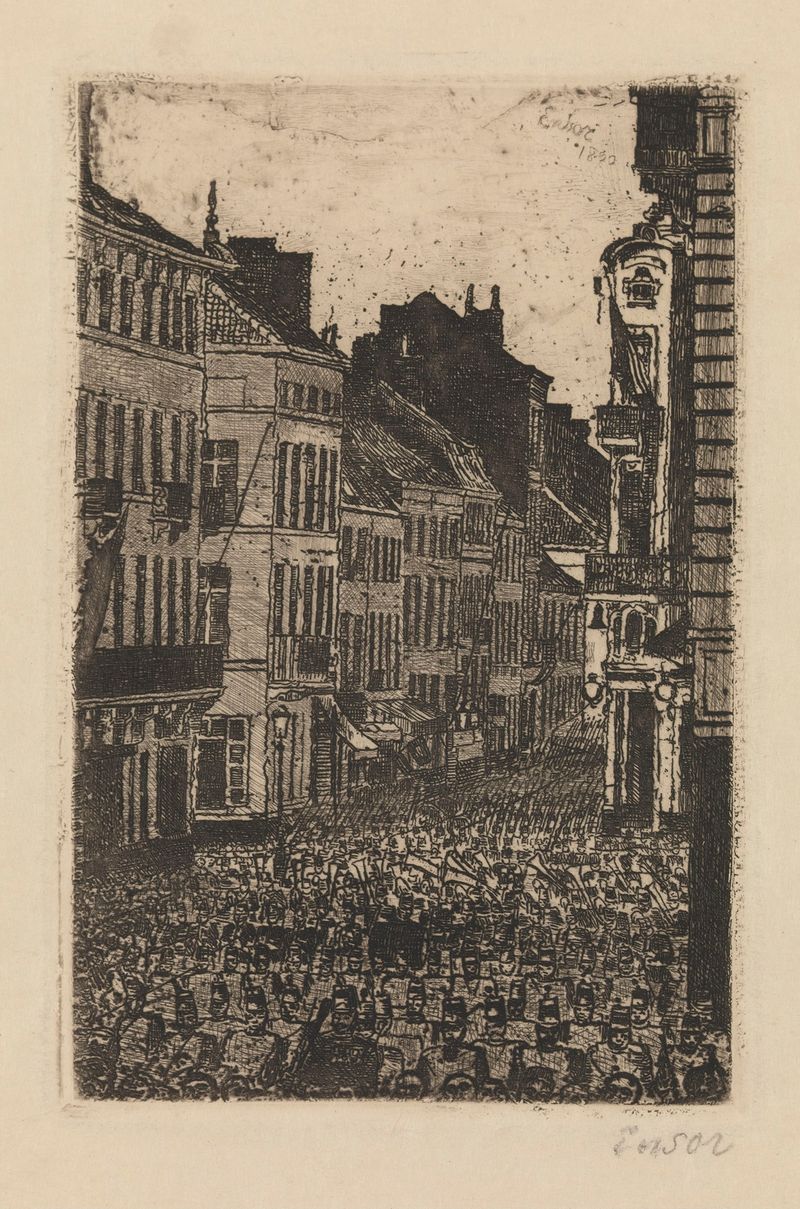
The Music in the rue de Flandre, Ostend
James Ensor
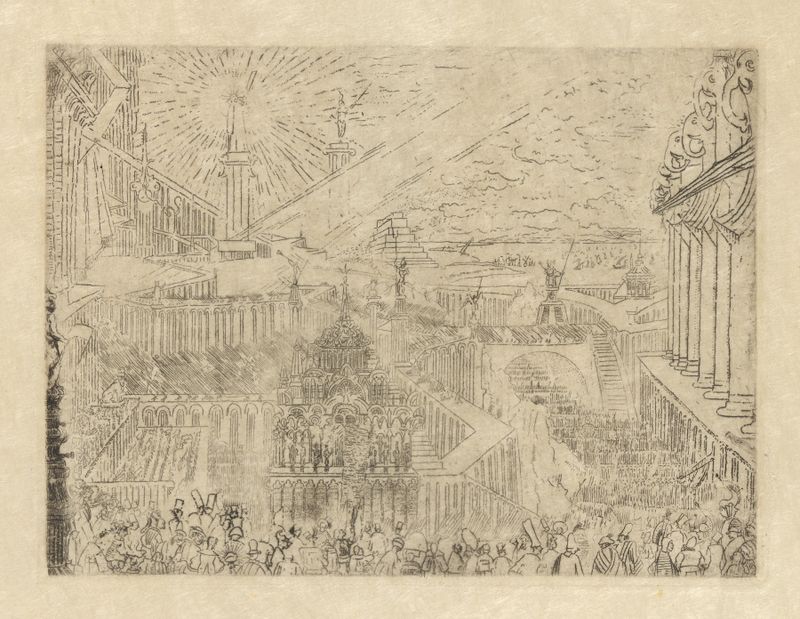
Verovering van een vreemde stad
James Ensor





