
Huwelijk van Maria — History & Facts
Is this a mirror — or a memory? In Albrecht Dürer's Huwelijk van Maria, the viewer encounters an intimate moment suspended between reality and reverie, as the artist evokes a profound sense of rebirth through the age-old theme of marriage. Look to the center of the composition, where the figures of Mary and Joseph stand, their solemn expressions and gentle postures conveying both tenderness and gravity. The use of light brilliantly illuminates Mary’s figure, accentuating the flowing lines of her robes and the delicate halo surrounding her head, creating a halo effect that symbolizes divine grace. The color palette, rich in earthy tones, contrasts with the ethereal quality of the couple's faces, inviting us into a sacred encounter that transcends time. Delve into the subtleties of their entwined hands, a nuanced gesture that speaks of unity and shared destiny.
The delicate flowers at Mary’s feet symbolize purity and new beginnings, each petal a whisper of hope and renewal. Meanwhile, the distant landscape hints at the outside world, a reminder that this sacred bond exists amidst the chaos of life, emphasizing the tension between the spiritual and the earthly. Dürer painted this piece between 1502 and 1506 during a period of personal and professional reinvention, exploring themes of spirituality amidst the burgeoning Renaissance. Living in Nuremberg, he was grappling with the evolving landscape of art and faith, as the Reformation began to take root, shifting the societal focus on both religious and personal narratives.
The painting captures not just a moment of matrimony but an enduring dialogue between the divine and the human experience.
More Artworks by Albrecht Dürer
Browse all →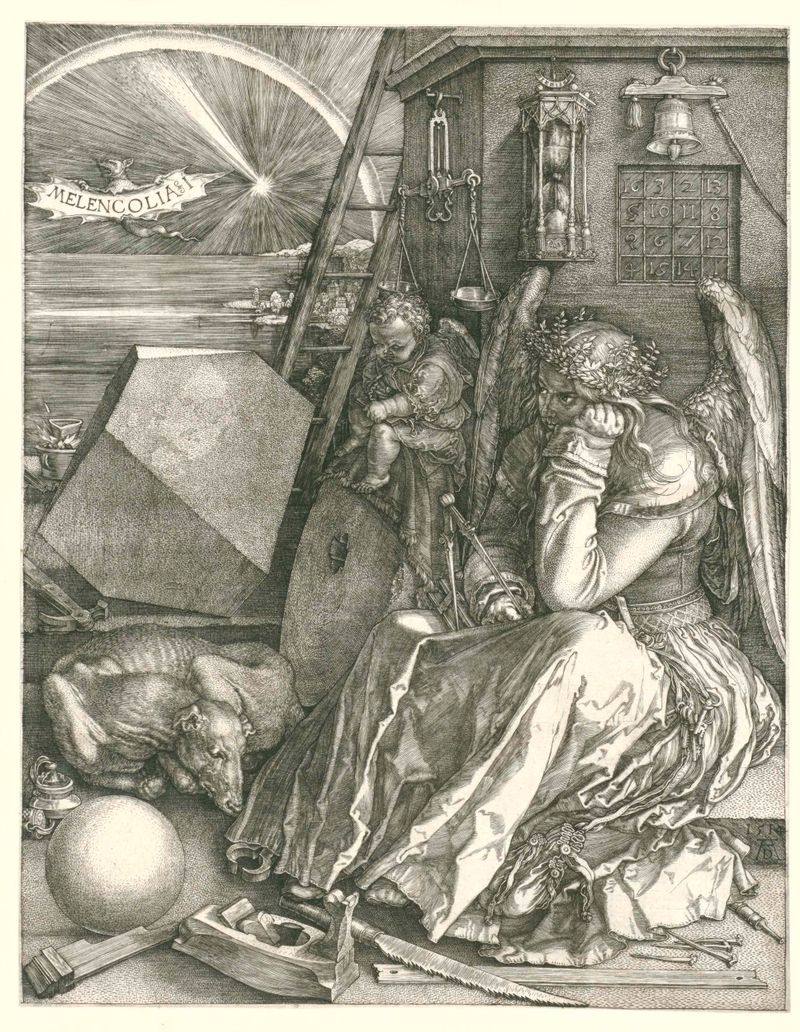
Melancholia
Albrecht Dürer
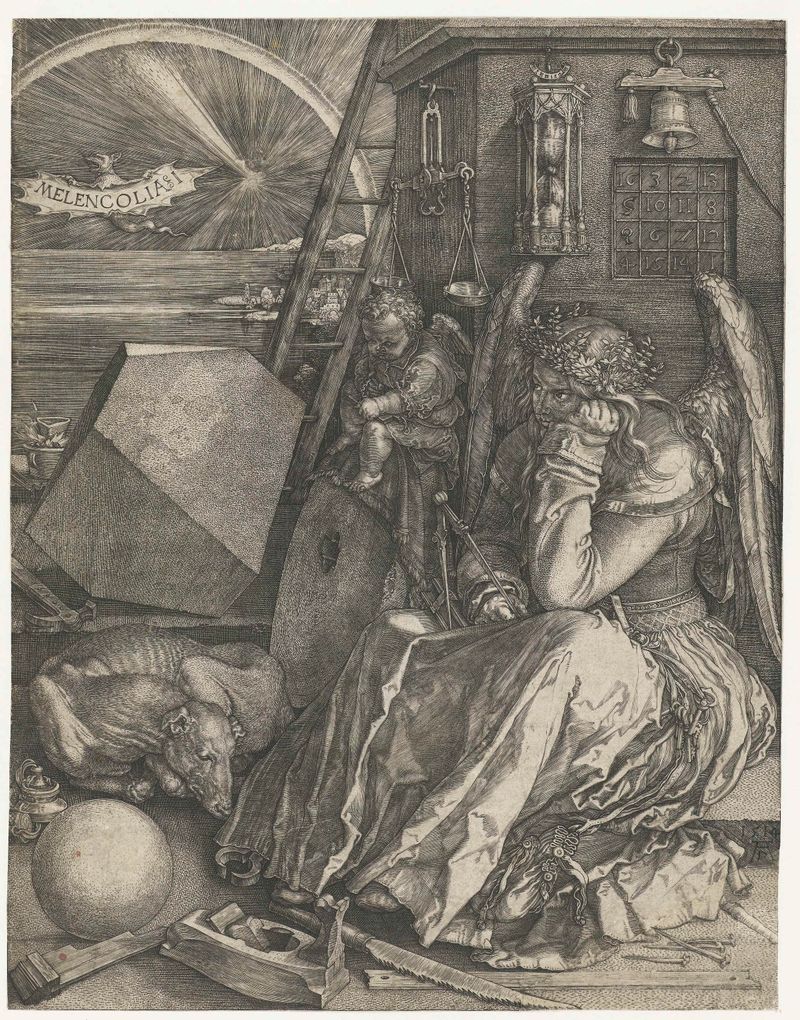
Melancholie
Albrecht Dürer
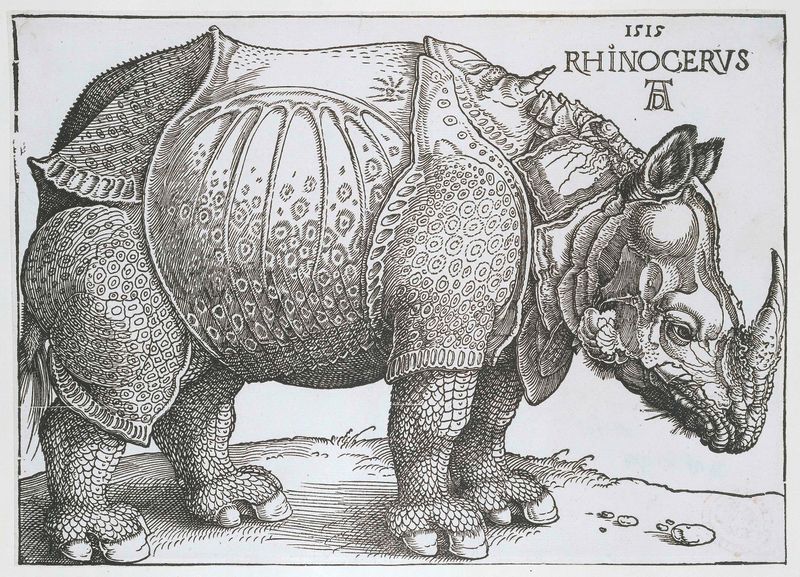
Neushoorn
Albrecht Dürer
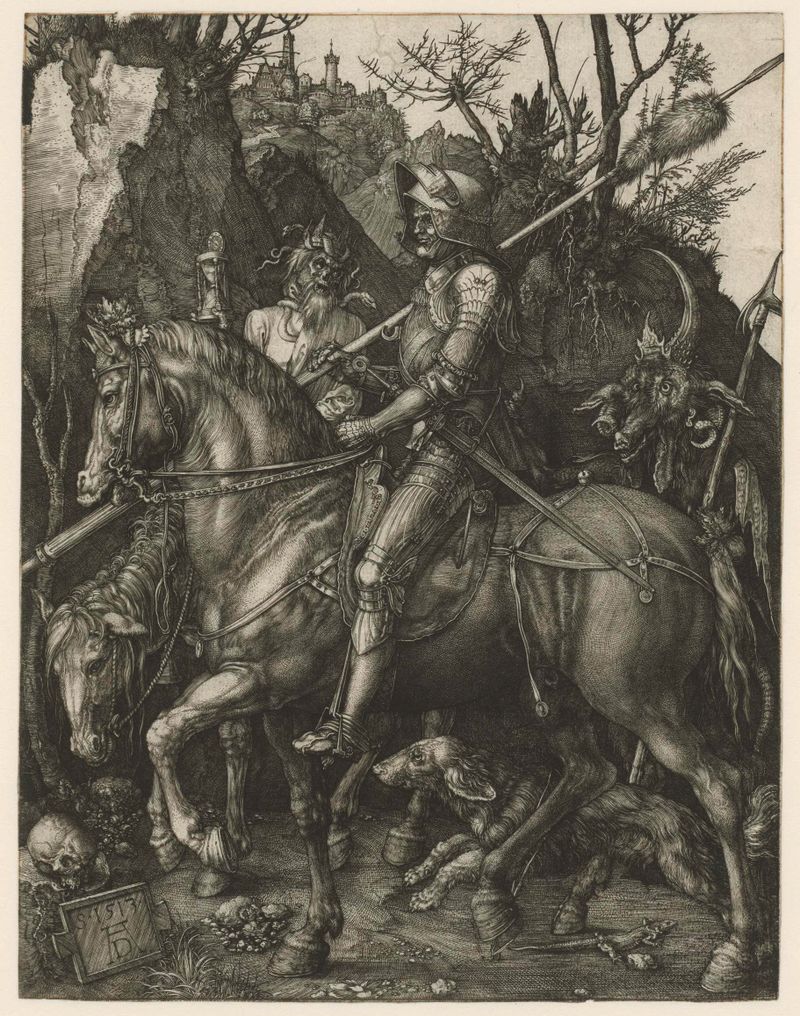
Knight, Death, and the Devil
Albrecht Dürer

De vier ruiters van de apocalyps
Albrecht Dürer

De vier ruiters van de apocalyps
Albrecht Dürer
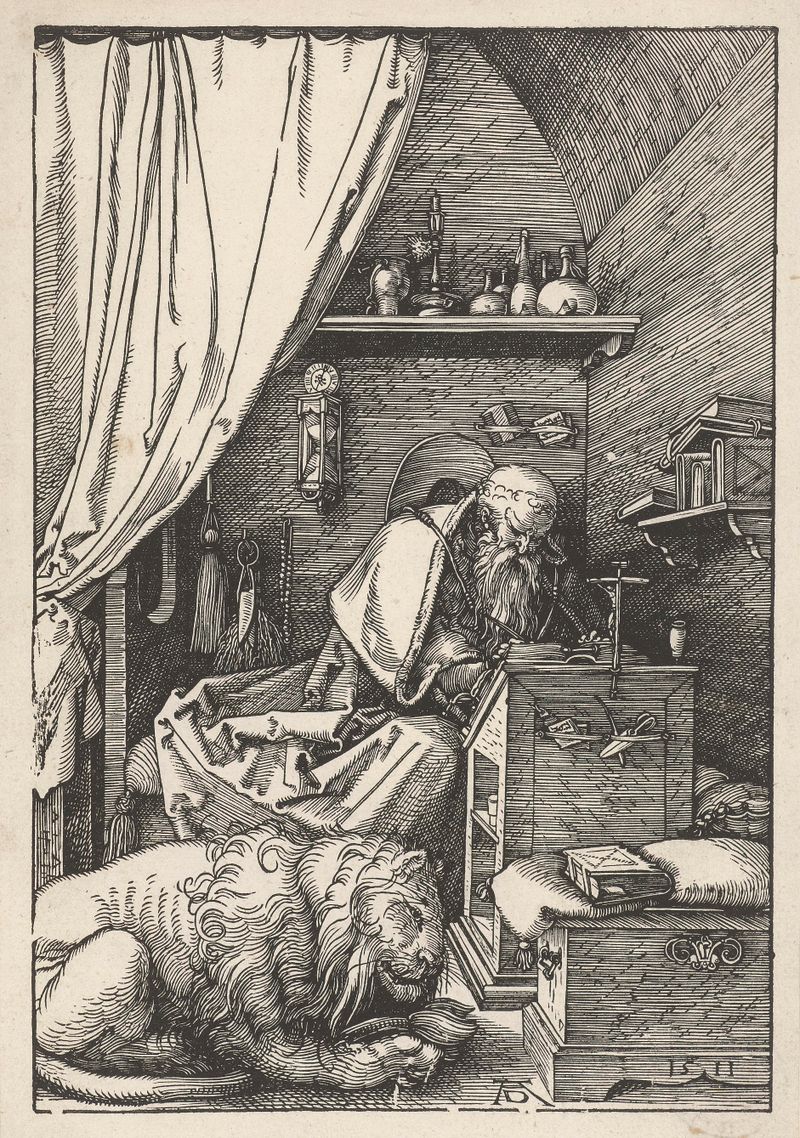
De Heilige Hiëronymus in zijn studeervertrek
Albrecht Dürer
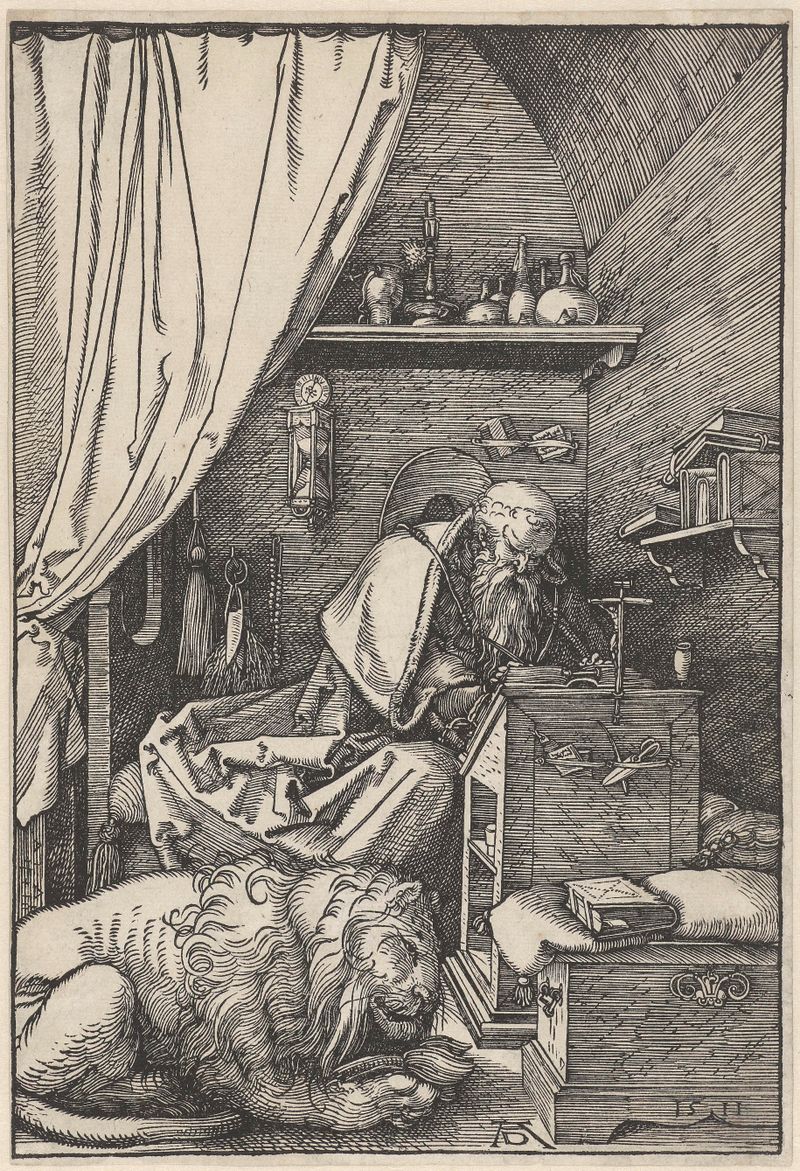
De Heilige Hiëronymus in zijn studeervertrek
Albrecht Dürer
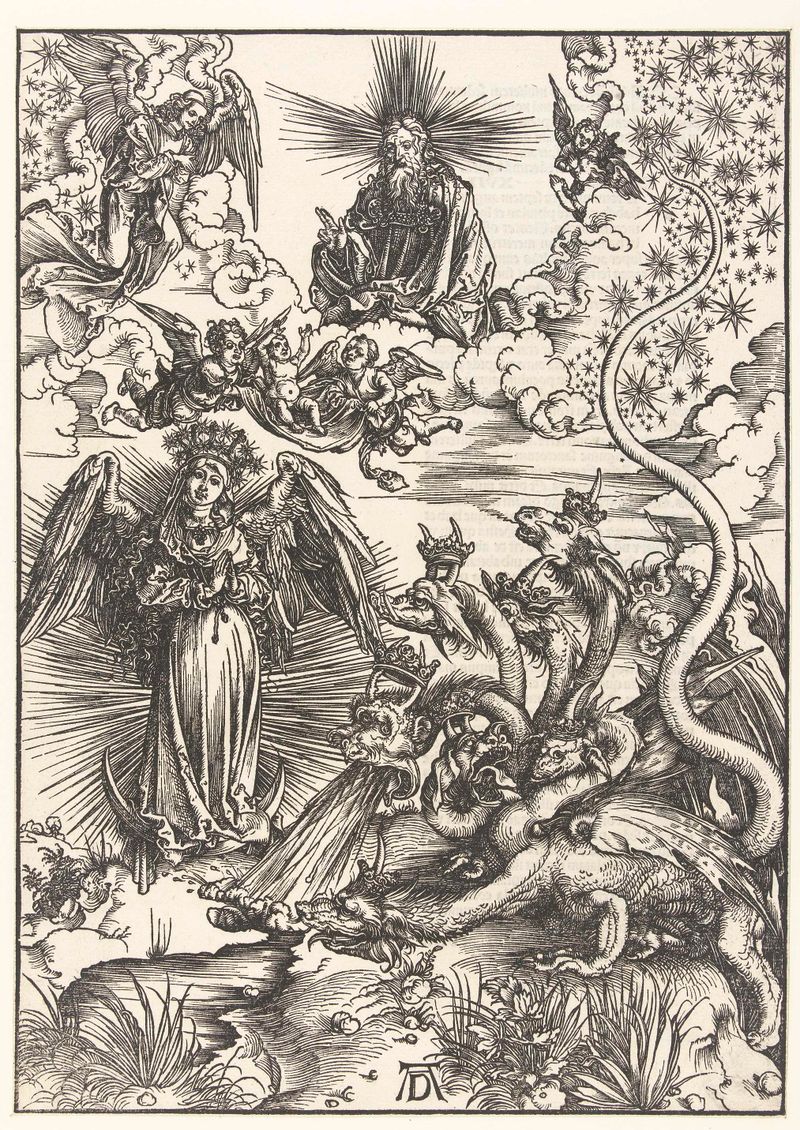
De apocalyptische vrouw en de zevenkoppige draak
Albrecht Dürer
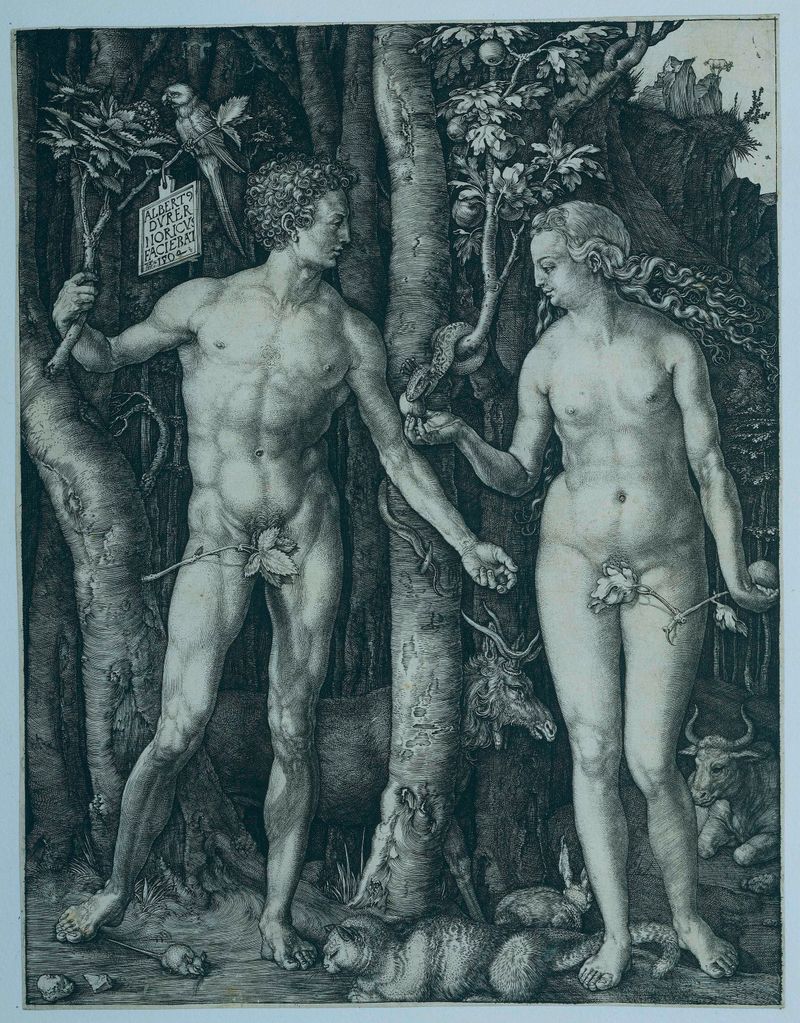
Adam en Eva
Albrecht Dürer
More Religious Art
Browse all →
The Return of the Prodigal Son
Rembrandt van Rijn

The Garden of Earthly Delights
El Bosco

Count Orgaz’ funeral
El Greco

The Hundred Guilder Print: the central piece with Christ preaching, the plate arched
Rembrandt van Rijn

The Descent from the Cross
Rogier van der Weyden

The return of the prodigal son
Rembrandt van Rijn