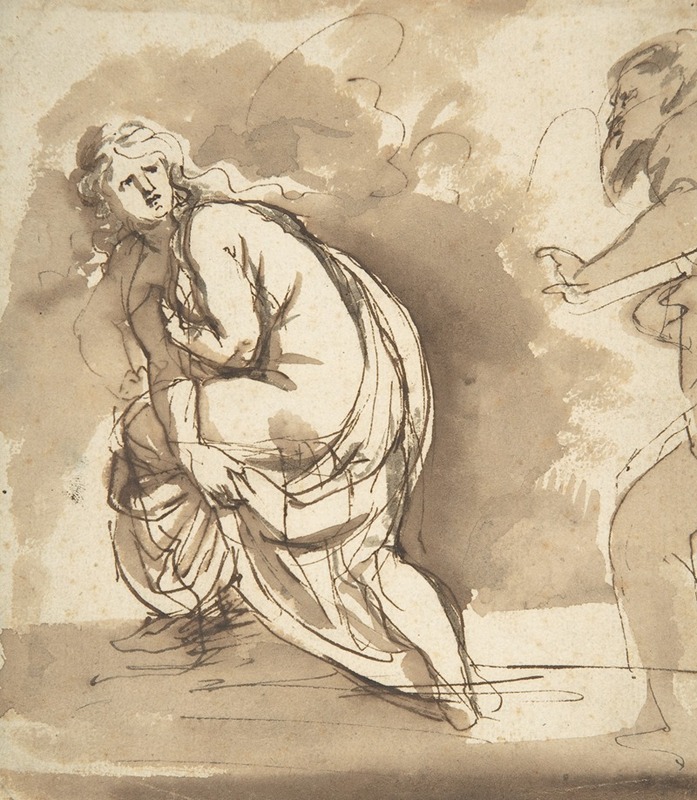
Discover insights about this artwork
Hygieia — History & Facts
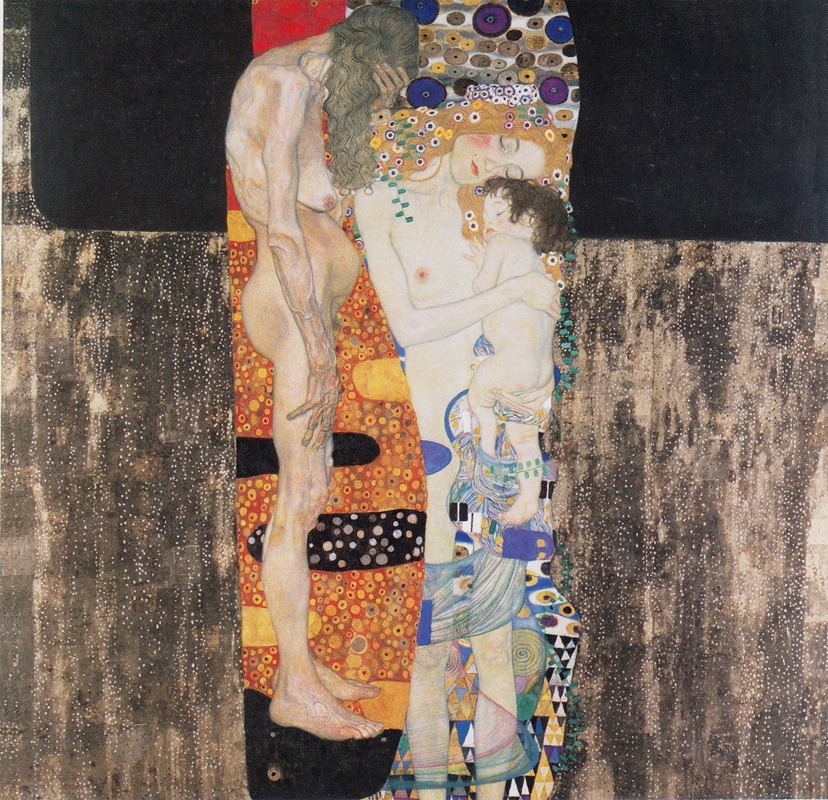
In Hygieia, Gustav Klimt presents a captivating figure of a woman, embodying health and wellness. The painting features a rich palette of golds and greens, creating a sense of vitality. The figure is adorned with intricate patterns and symbols, emphasizing her connection to nature and healing.
The background is filled with decorative elements that enhance the overall harmony of the composition. The painting is executed in oil on canvas, showcasing Klimt's signature style of combining decorative motifs with figurative elements. The dimensions are approximately 100 x 150 cm, making it a substantial work that draws the viewer's attention. Klimt's use of gold leaf and detailed ornamentation is evident, typical of his Symbolism style.
The composition is carefully balanced, with the figure of Hygieia at the center, surrounded by a lush environment. Gustav Klimt was a prominent figure in the Vienna Secession movement, known for his unique approach to art that blended symbolism and decorative elements. Hygieia represents the Greek goddess of health, highlighting Klimt's interest in mythology and the human condition. An interesting fact about this work is that it reflects Klimt's fascination with the female form and the themes of regeneration and wellness.
This painting is housed in the Belvedere Museum in Vienna, Austria.
More Artworks by Gustav Klimt
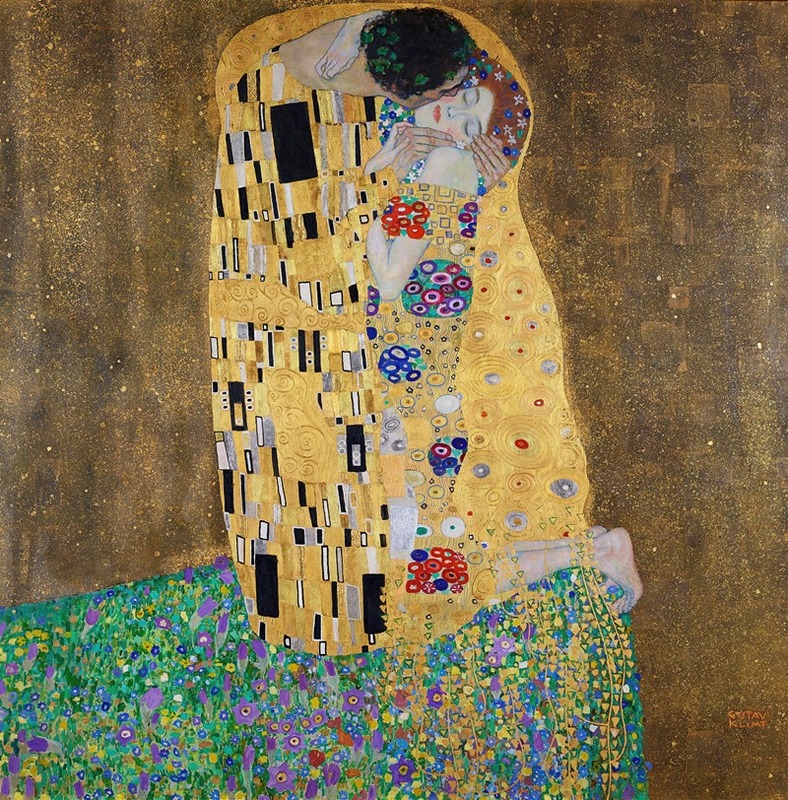
The kiss
Gustav Klimt
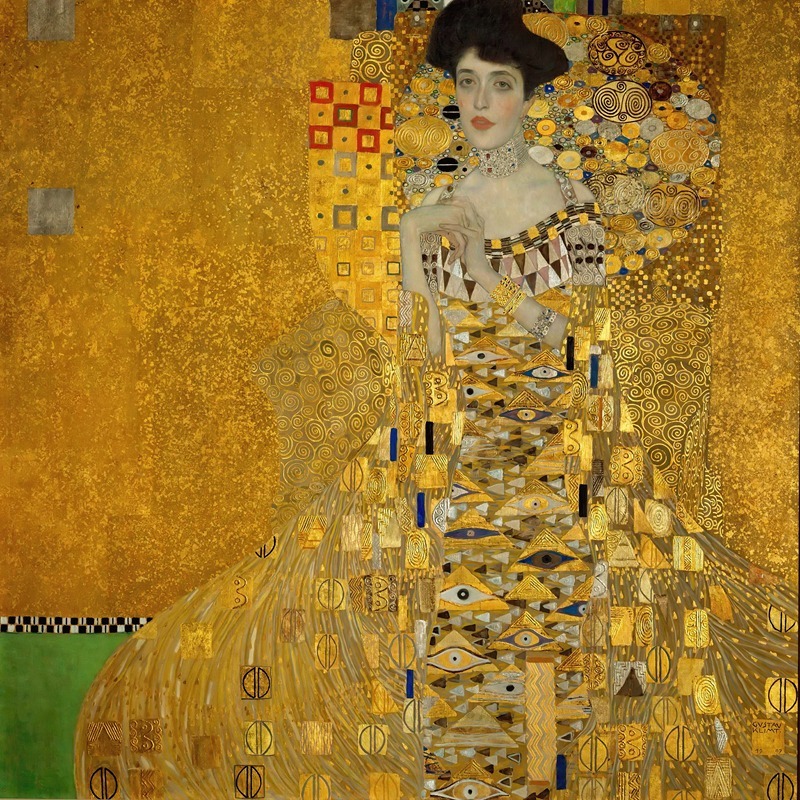
Portrait of Adele Bloch-Bauer I
Gustav Klimt
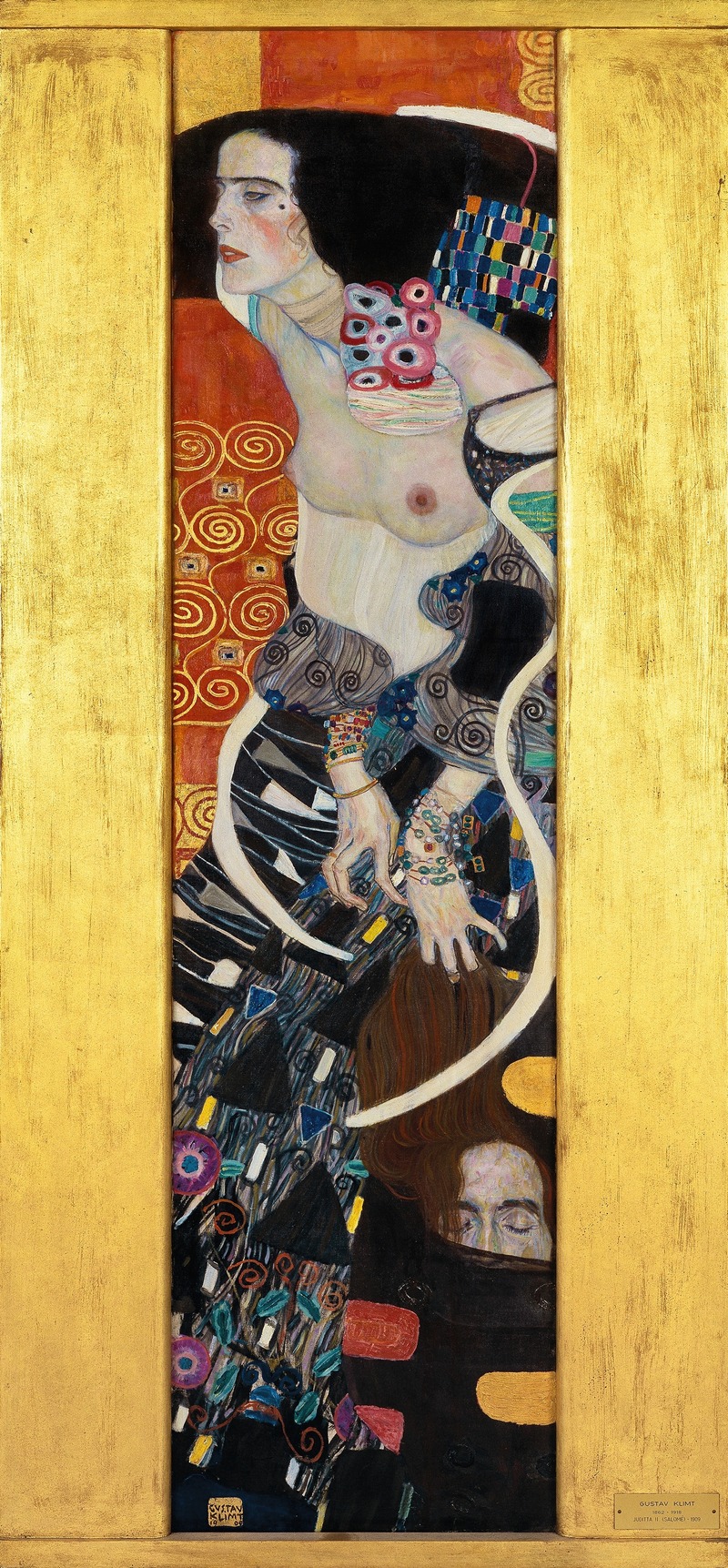
Judith II (Salome)
Gustav Klimt
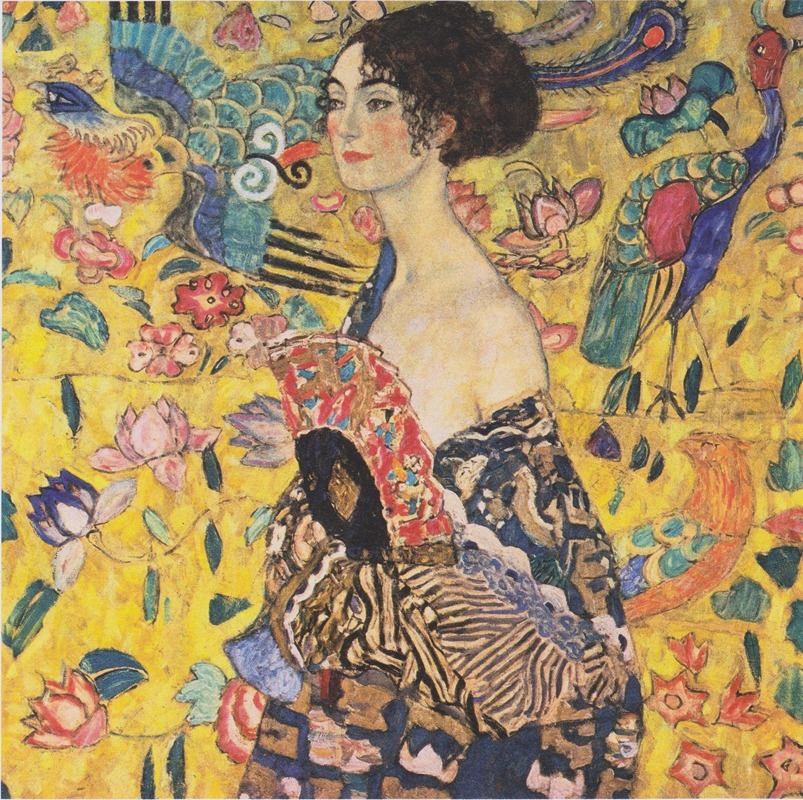
Woman with fan
Gustav Klimt
The kiss (lovers)
Gustav Klimt

Portrait of Rose von Rosthorn-Friedmann
Gustav Klimt
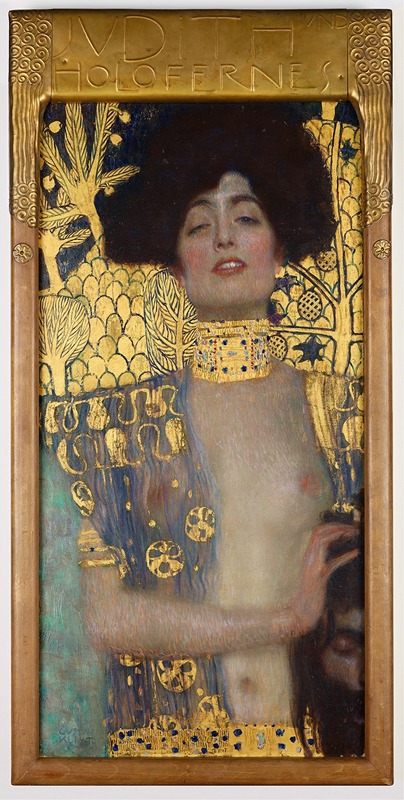
Judith
Gustav Klimt
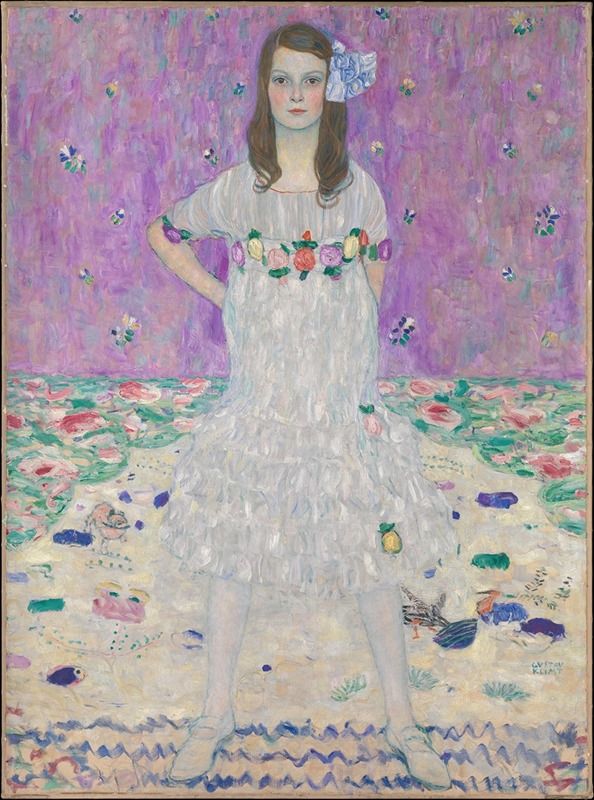
Mäda Primavesi
Gustav Klimt
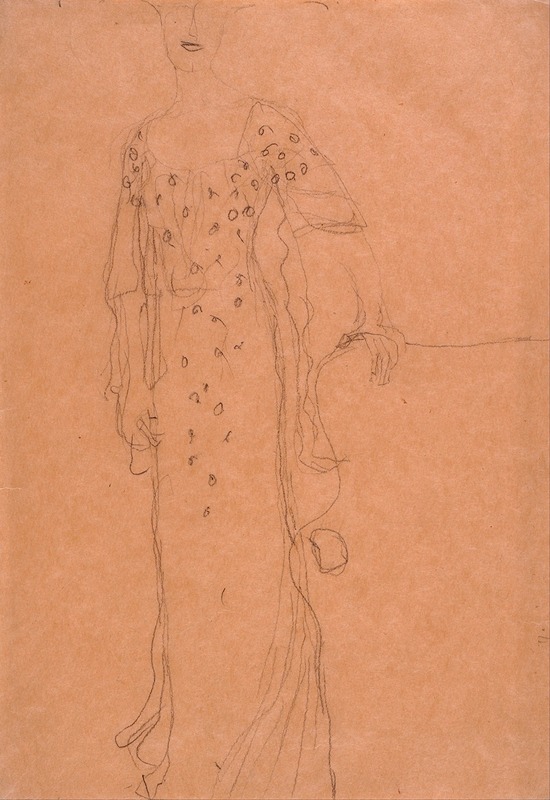
Study for Portrait of Adele Bloch-Bauer I
Gustav Klimt
The Three Ages of the Woman
Gustav Klimt