
Idle Sails — History & Facts
Beneath the surface of calm waters and gentle sails lies a profound exploration of truth, revealing layers of emotion in stillness. Focus first on the serene interplay of light and shadow that bathes the canvas, drawing your eyes toward the languid, idle sails. Notice how Sargent masterfully employs a palette of soft whites and muted blues, evoking a tranquil atmosphere that invites contemplation. The fluid brushwork captures not only the physical presence of the boats but their essence, creating a moment that feels both fleeting and eternal. As you delve deeper, observe the contrasting elements of tranquility and anticipation; the stillness of the boats juxtaposed against the vastness of the sea hints at a yearning for adventure.
The almost ethereal quality of the sails suggests a weightlessness, as if they could take flight at any moment, while the reflective water below speaks to a sense of introspection. This balance between serenity and potential evokes an emotional tension, prompting the viewer to ponder the unspoken stories behind those idle sails. In 1913, Sargent was at a transitional phase in his career, having shifted his focus from portraiture to landscapes and maritime scenes. Painted during his time in the coastal town of Falmouth, England, this work reflects both his technical prowess and a personal desire to capture the fleeting beauty of the natural world.
The early 20th century was a time of experimentation in art, and Sargent’s exploration in Idle Sails stands as a testament to his continued evolution as a master painter.
More Artworks by John Singer Sargent
Browse all →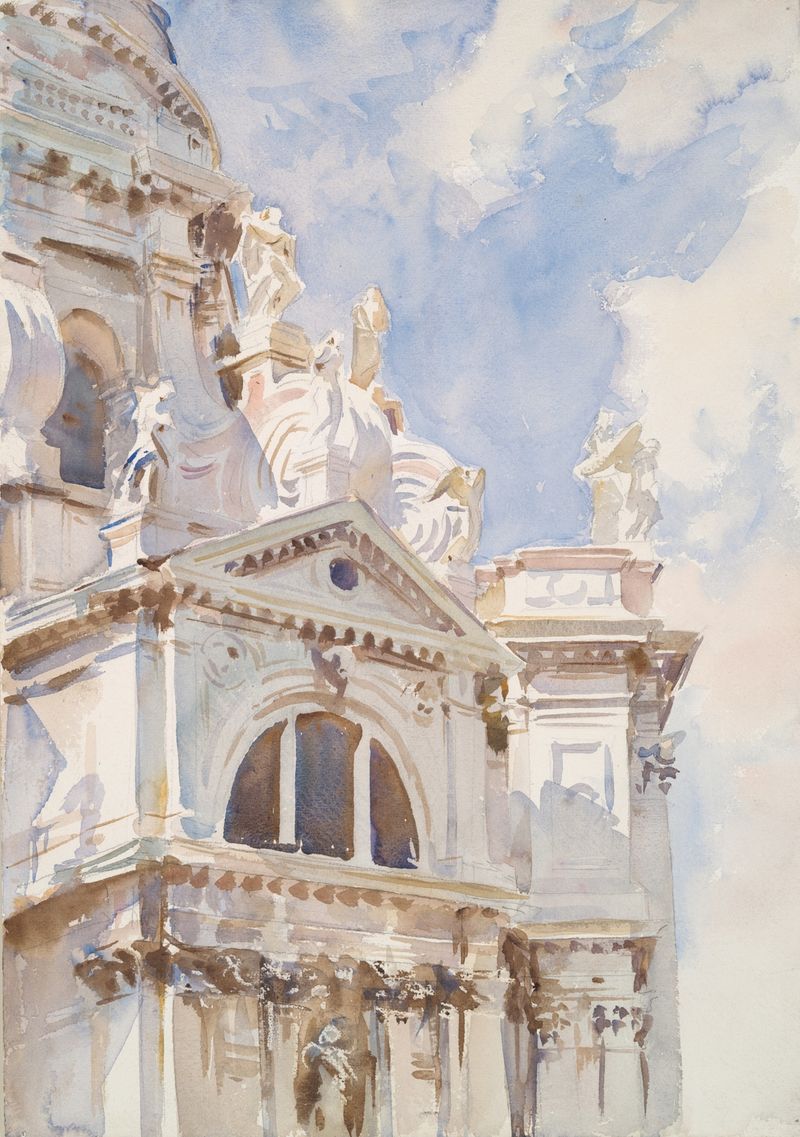
The Salute, Venice
John Singer Sargent

Mrs. Charles Deering (Marion Denison Whipple)
John Singer Sargent
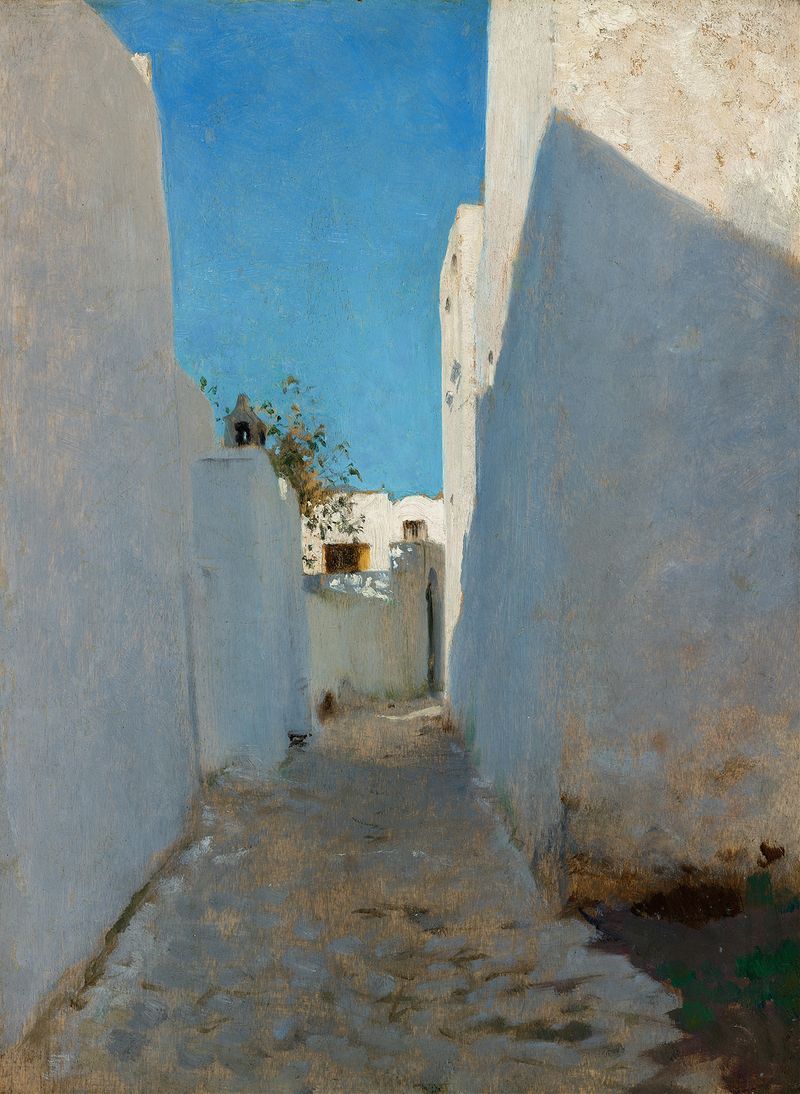
A Moroccan Street Scene
John Singer Sargent
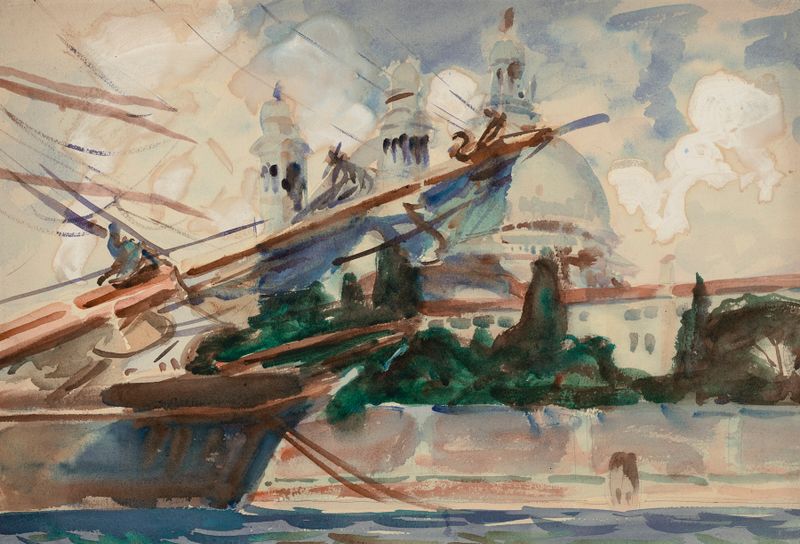
The Salute, Venice
John Singer Sargent
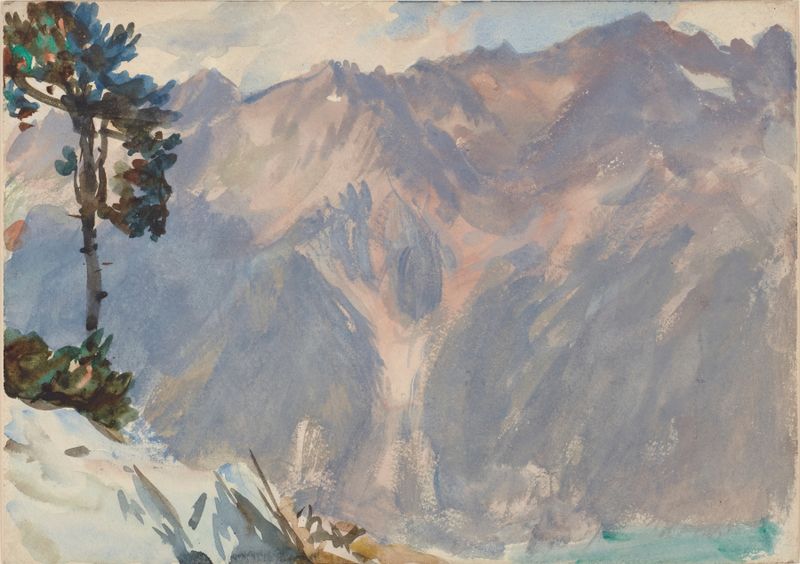
Tyrol
John Singer Sargent

Study for "Gog and Magog," for the Boston Public Library
John Singer Sargent
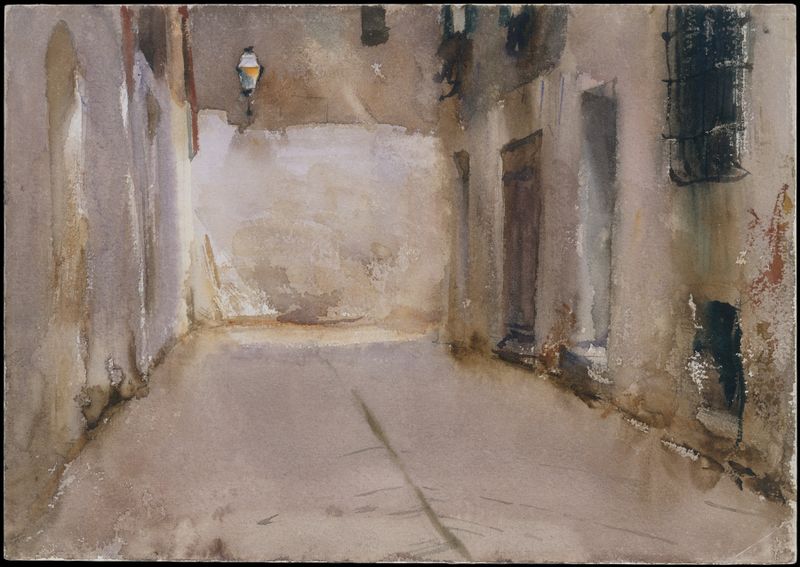
Venice
John Singer Sargent
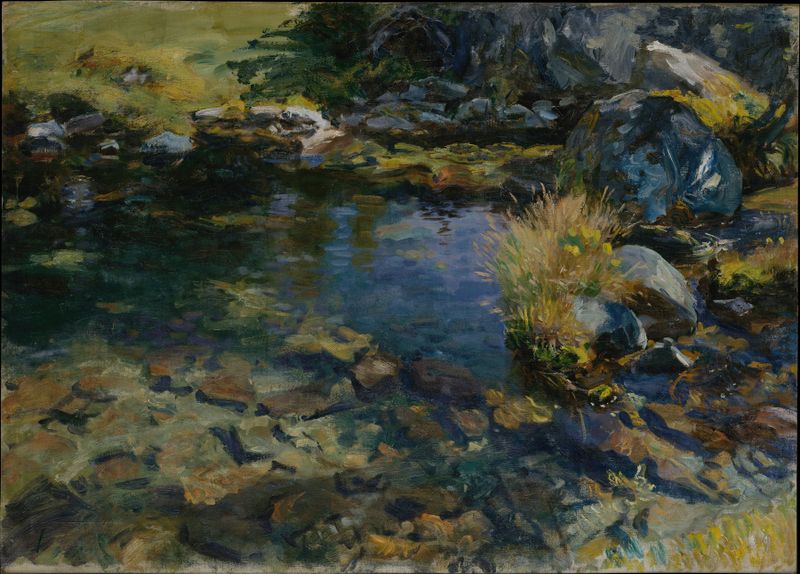
Alpine Pool
John Singer Sargent
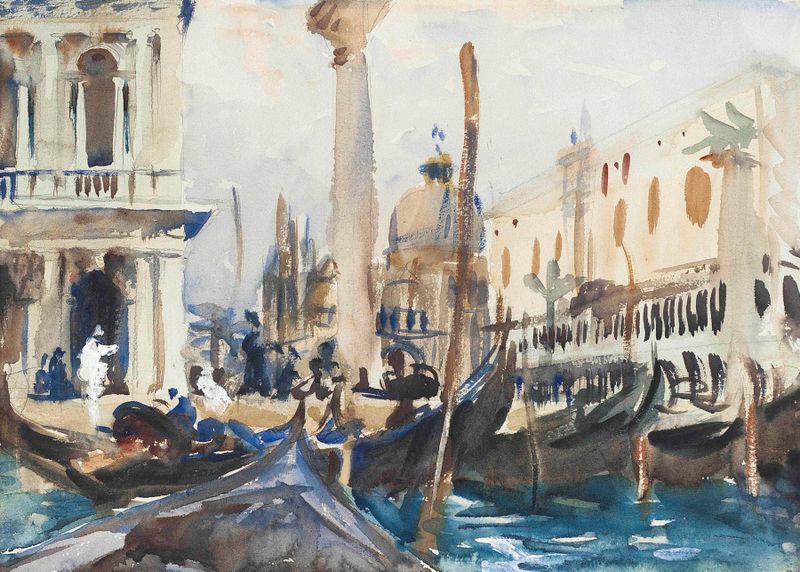
The Piazzetta with Gondolas
John Singer Sargent
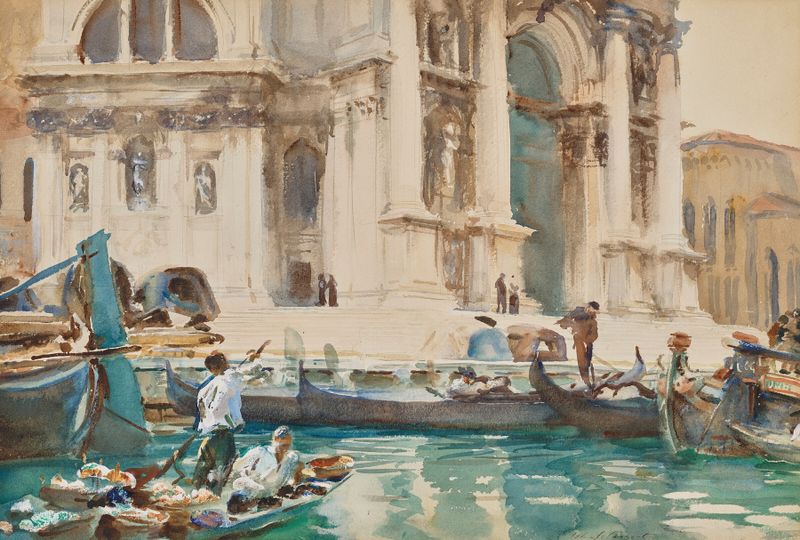
The Façade of La Salute, Venice
John Singer Sargent





