
Illustrated Tales of Ise (Ise monogatari emaki) in 2 Volumes — History & Facts
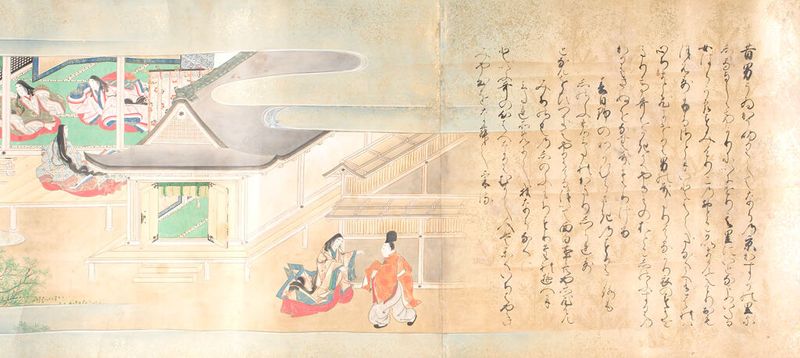
In a world where stories dance between reality and imagination, the vivid illustrations within these volumes beckon us to experience the ecstasy of tales long told. Each image is a portal, inviting us to lose ourselves in the emotions and narratives that weave through the lives of its characters. Look closely at the intricate details of the first panel, where lively street scenes unfold. Notice how the graceful strokes depict figures in flowing garments, each movement captured with a sense of purpose and vibrancy.
The color palette bursts with rich hues, drawing the eye to moments of joy and sorrow alike. Observe the delicate patterns on clothing, accentuated by the shimmering gold leaf, which plays with the light and creates a sense of depth, almost as if the figures might step off the page. Beyond their beauty lies a deeper tension — the contrasts of ecstasy and melancholy are palpable. The gleeful expressions of children playing juxtaposed with the somber gazes of elders speak to the cyclical nature of life.
The backgrounds, often lush with nature or bustling towns, symbolize the ever-present influence of the outside world on personal narratives. Each scene holds its own heartbeat, where love, loss, and longing intertwine, inviting viewers to reflect upon their own stories. Created during the early Edo period in 1662, this work stands as a testament to Karasumaru Mitsuhiro's engagement with evolving art forms and narratives. At this time, Japan was experiencing a flourishing of culture, particularly in literature and visual arts, shaped by the tranquility of the Tokugawa shogunate.
Mitsuhiro contributed to this movement, capturing the essence of human experience through his vibrant illustrations in this monumental pair of volumes.
More Artworks by Karasumaru Mitsuhiro
Browse all →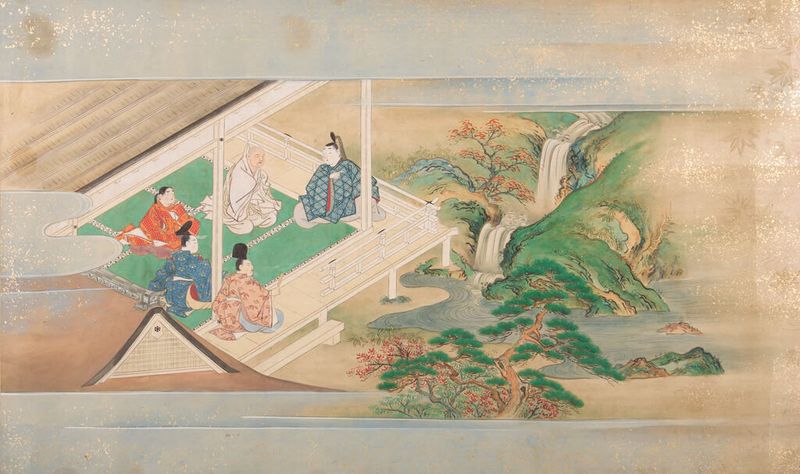
More Illustration Art
Browse all →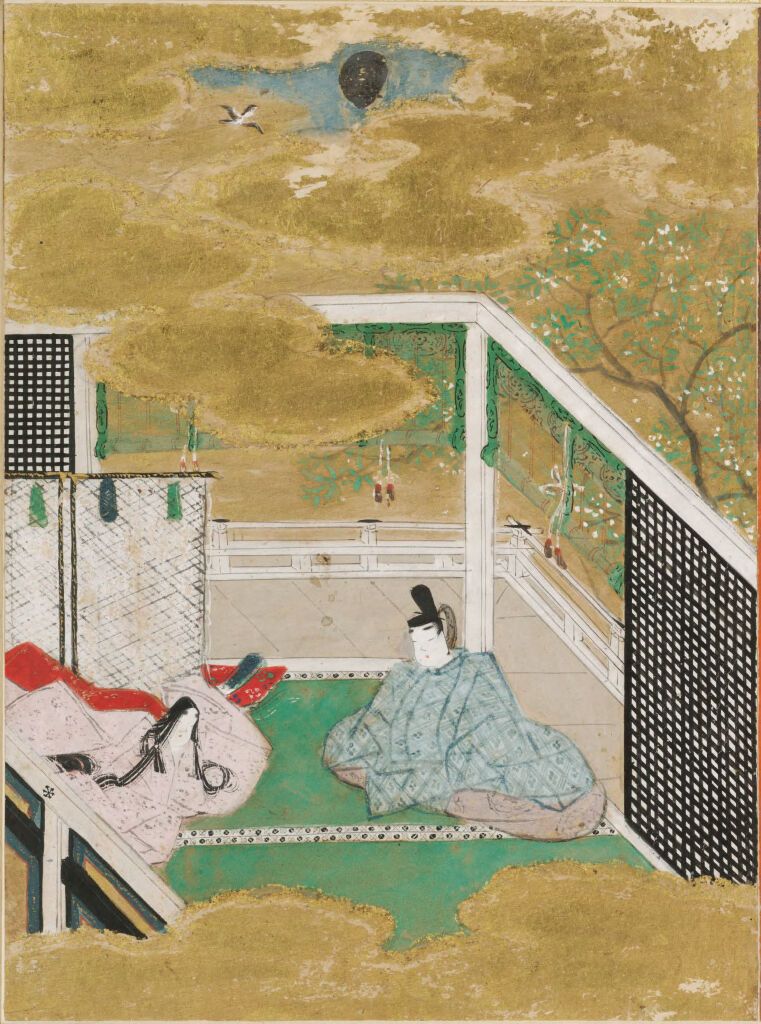
Falling Flowers (Hanachirusato), Illustration to Chapter 11 of the Tale of Genji (Genji monogatari)
Tosa Mitsunobu
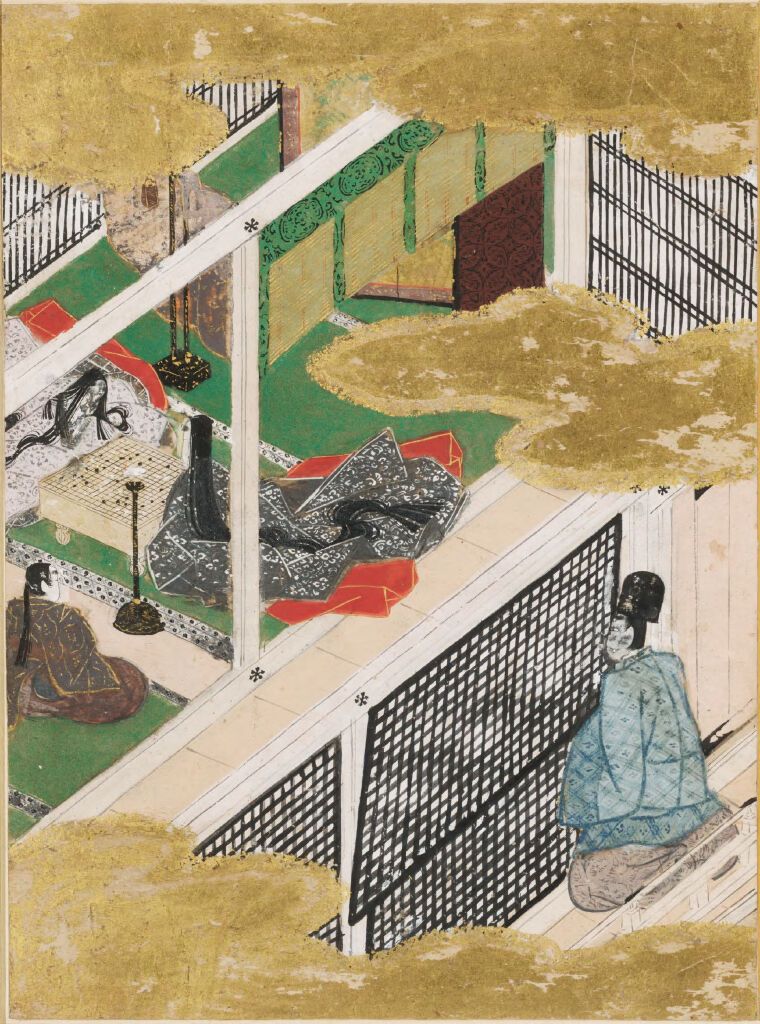
The Cicada Shell (Utsusemi), Illustration to Chapter 3 of the Tale of Genji (Genji monogatari)
Tosa Mitsunobu
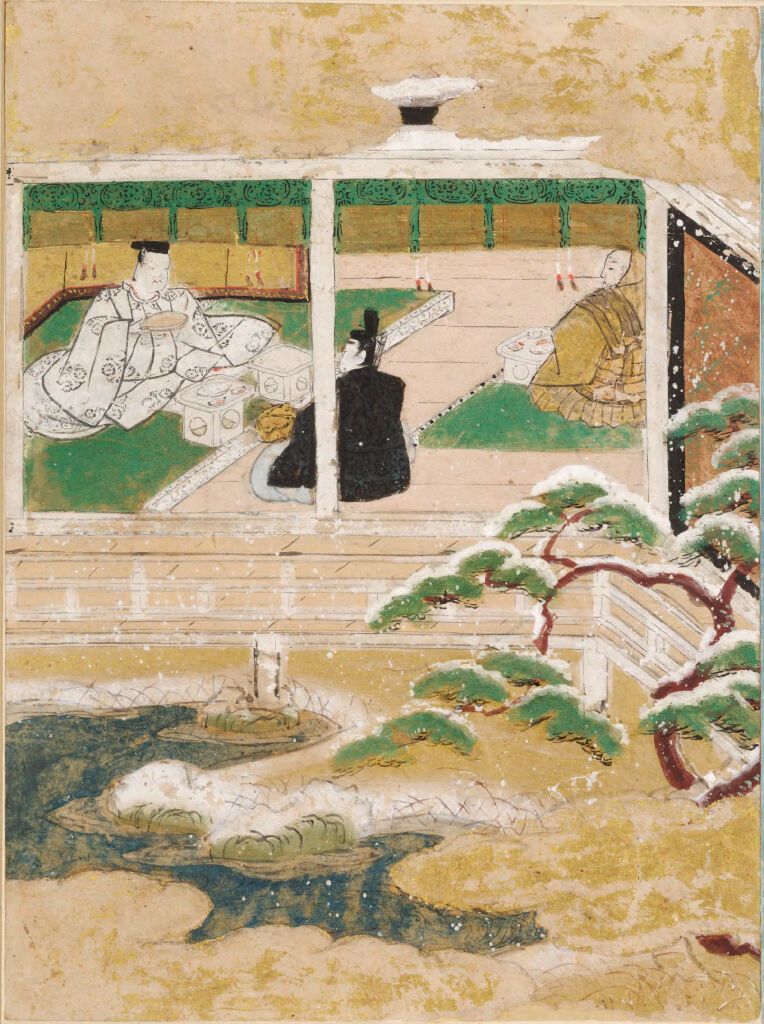
The Seer (Maboroshi), Illustration to Chapter 41 of the Tale of Genji (Genji monogatari)
Tosa Mitsunobu
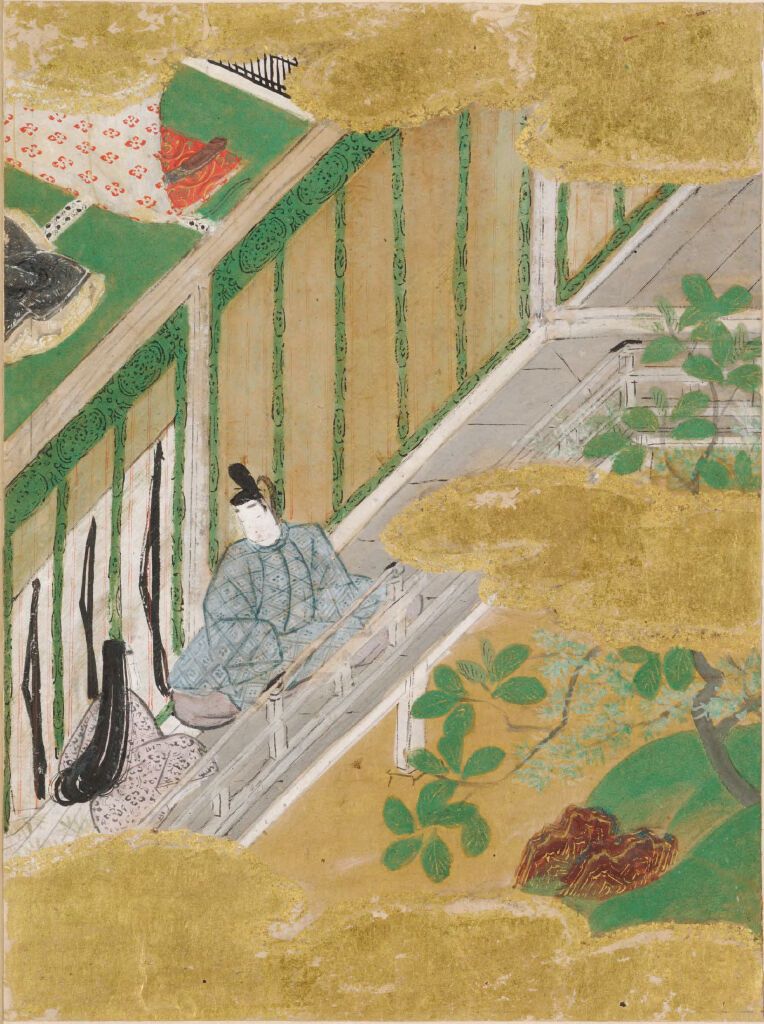
The Oak Tree (Kashiwagi), Illustration to Chapter 36 of the Tale of Genji (Genji monogatari)
Tosa Mitsunobu
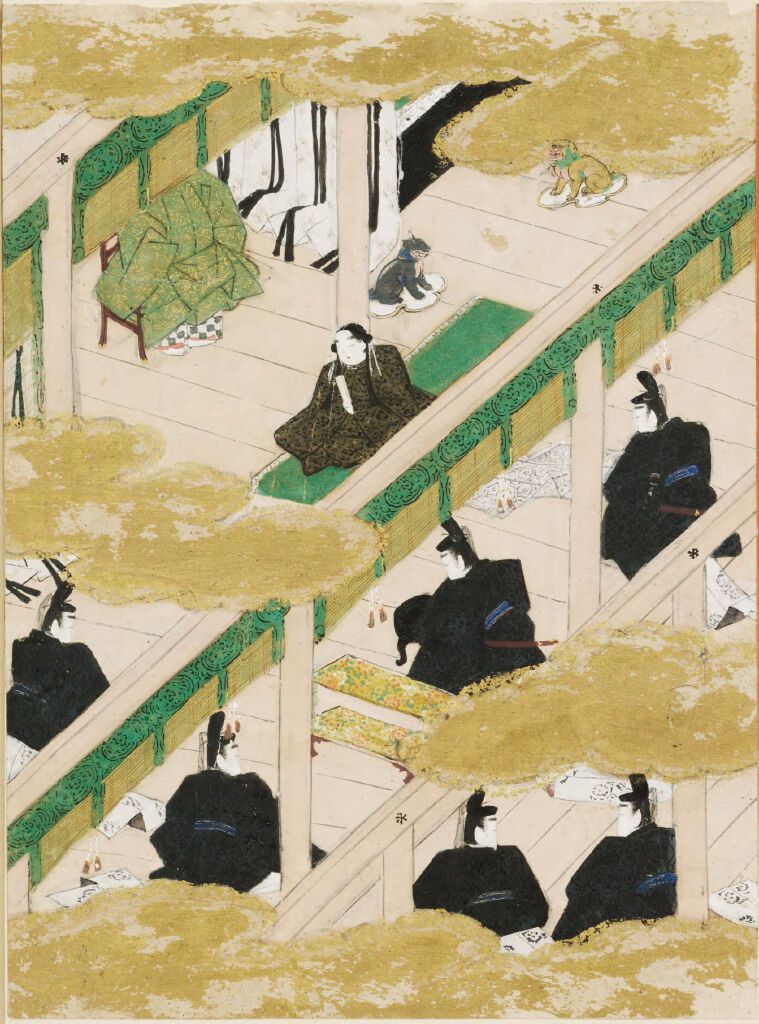
The Paulownia Pavilion (Kiritsubo), Illustration to Chapter 1 of the Tale of Genji (Genji monogatari)
Tosa Mitsunobu
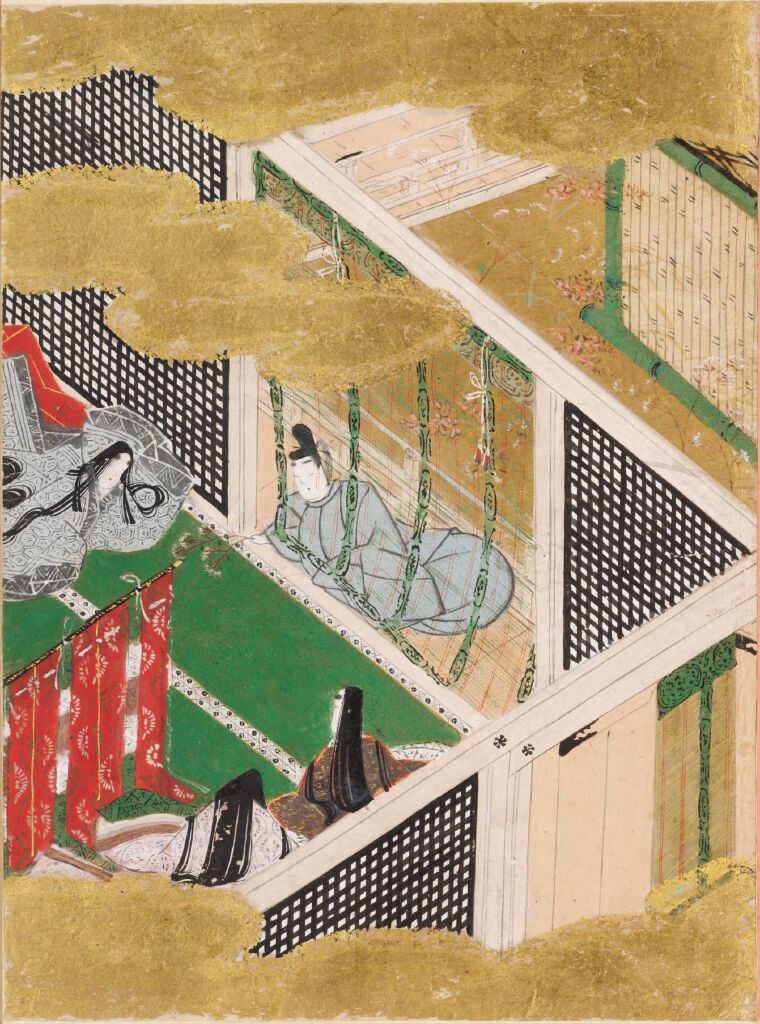
Thoroughwort Flowers (Fujibakama), Illustration to Chapter 30 of the Tale of Genji (Genji monogatari)
Tosa Mitsunobu