
Im Laubwald — History & Facts
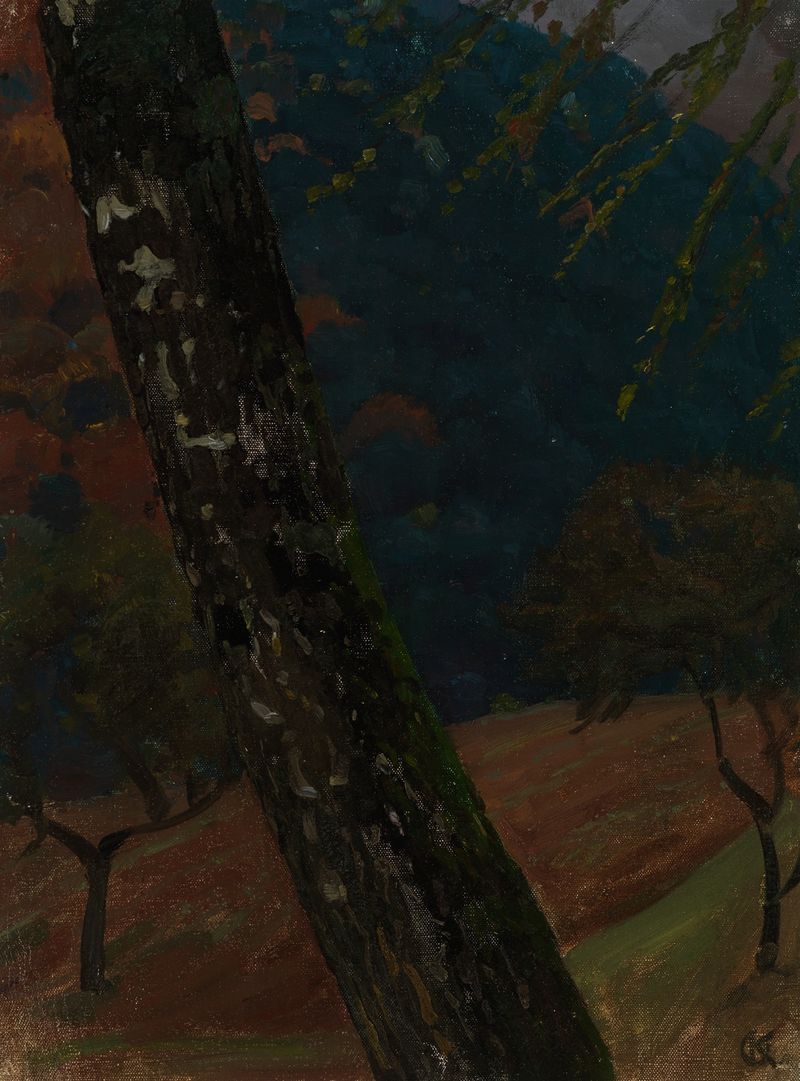
What secret hides in the quiet of the canvas? In Im Laubwald, vibrant hues and gentle strokes invite a contemplative exploration of nature’s elusive beauty. Look to the left at the dappled greens, where sunlight filters through the dense canopy above. The soft browns of the forest floor contrast beautifully with the rich foliage, while a few delicate shafts of light create a playfulness that dances across the scene. Notice how the artist’s choice of color not only captures the vibrancy of the woodland but also sets a mood of tranquility, encouraging the viewer to immerse themselves in this hushed sanctuary. Delve deeper into the intricate details: the subtle variations in the leaves, each rendered with both precision and fluidity, suggest a harmony with the environment.
The interplay between light and shadow evokes a sense of peace and introspection, while the soft brushwork conveys both the ephemeral nature of the moment and the timelessness of the forest itself. This balance of vibrancy and stillness reflects a deeper tension between the liveliness of nature and the quiet solitude it offers. Created in 1893, this piece emerged during Kampmann’s time in Germany, a period marked by the rise of Impressionism and a growing appreciation for outdoor scenes. He sought to capture the essence of the natural world, often drawing inspiration from local landscapes.
As he painted Im Laubwald, he contributed to the broader artistic movement that emphasized the beauty of everyday life and the emotional resonance of serene nature.
More Artworks by Gustav Kampmann
Browse all →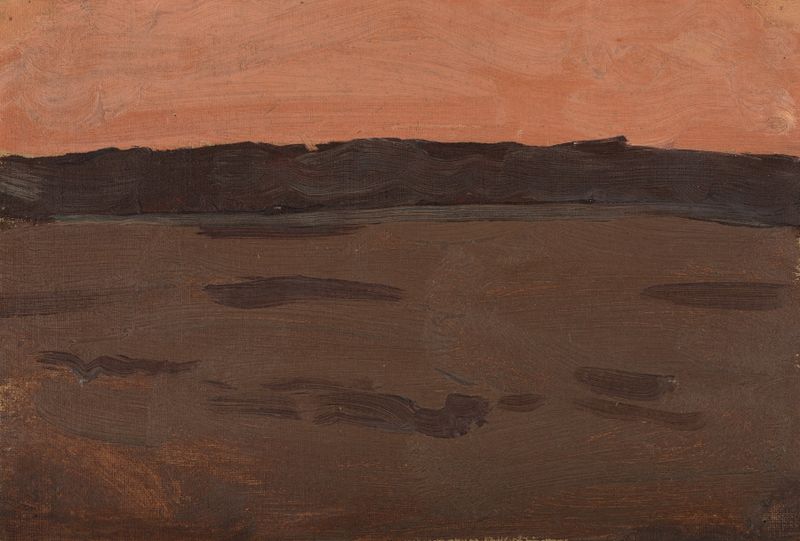
Abendstimmung
Gustav Kampmann

Eisenbahn am Abend
Gustav Kampmann

Nach Sonnenuntergang im Winter
Gustav Kampmann

Blick von der Hornisgrinde
Gustav Kampmann

Hügelige Landschaft mit Baumreihe
Gustav Kampmann
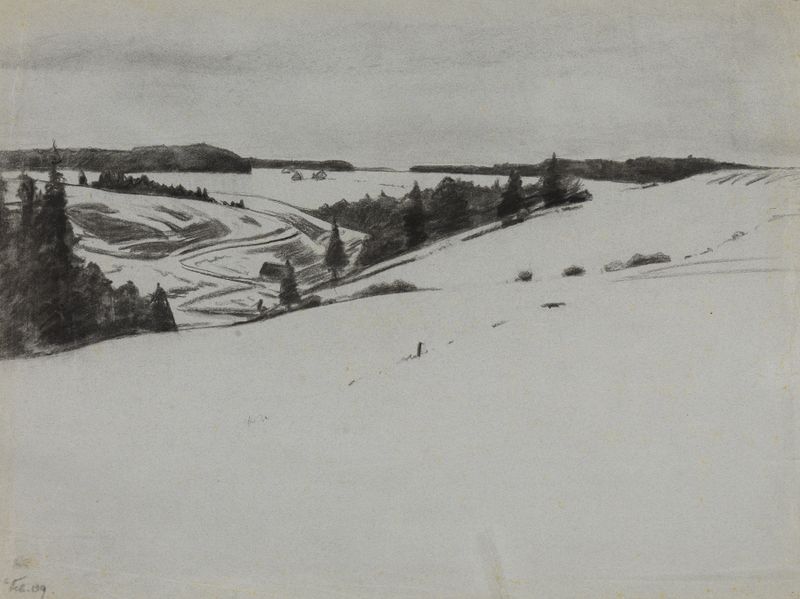
Schneelandschaft bei Königsfeld
Gustav Kampmann
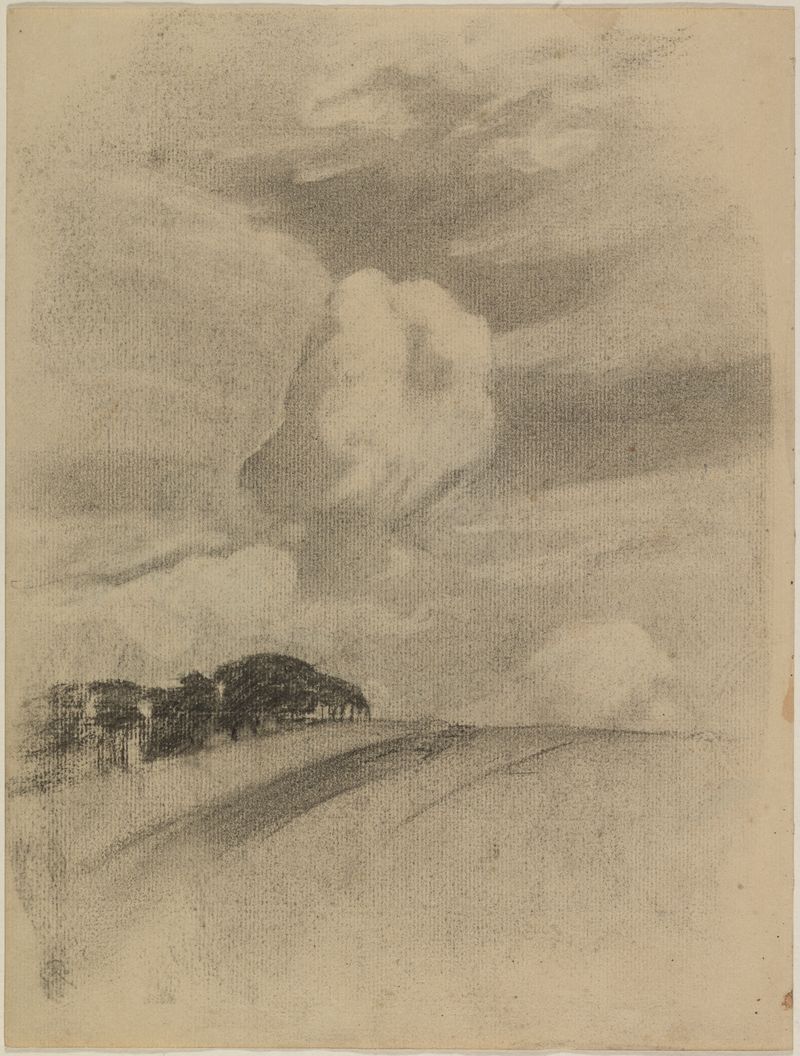
Landschaftsstudie
Gustav Kampmann
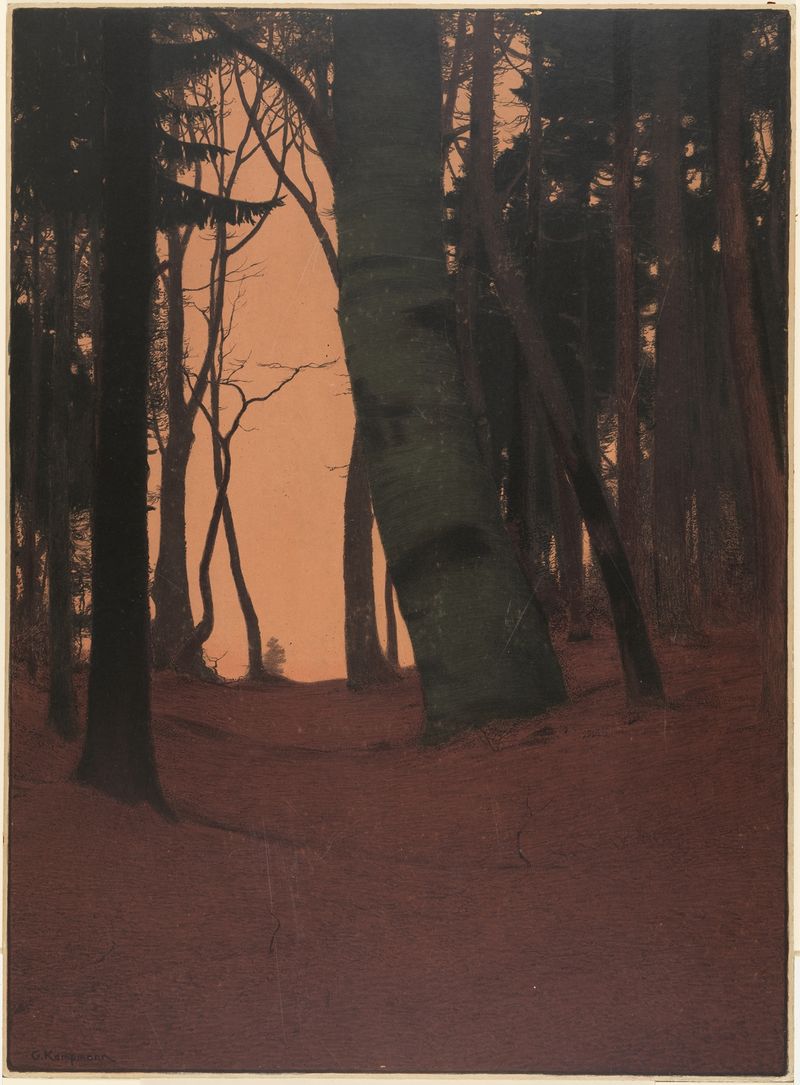
Abend im Wald
Gustav Kampmann

Drei alte Weiden bei Langenpreising
Gustav Kampmann
Baumstamm bei Obersteinbach
Gustav Kampmann





